





 Portuguese
  English
  Spanish
  4 min of reading
  0 comments


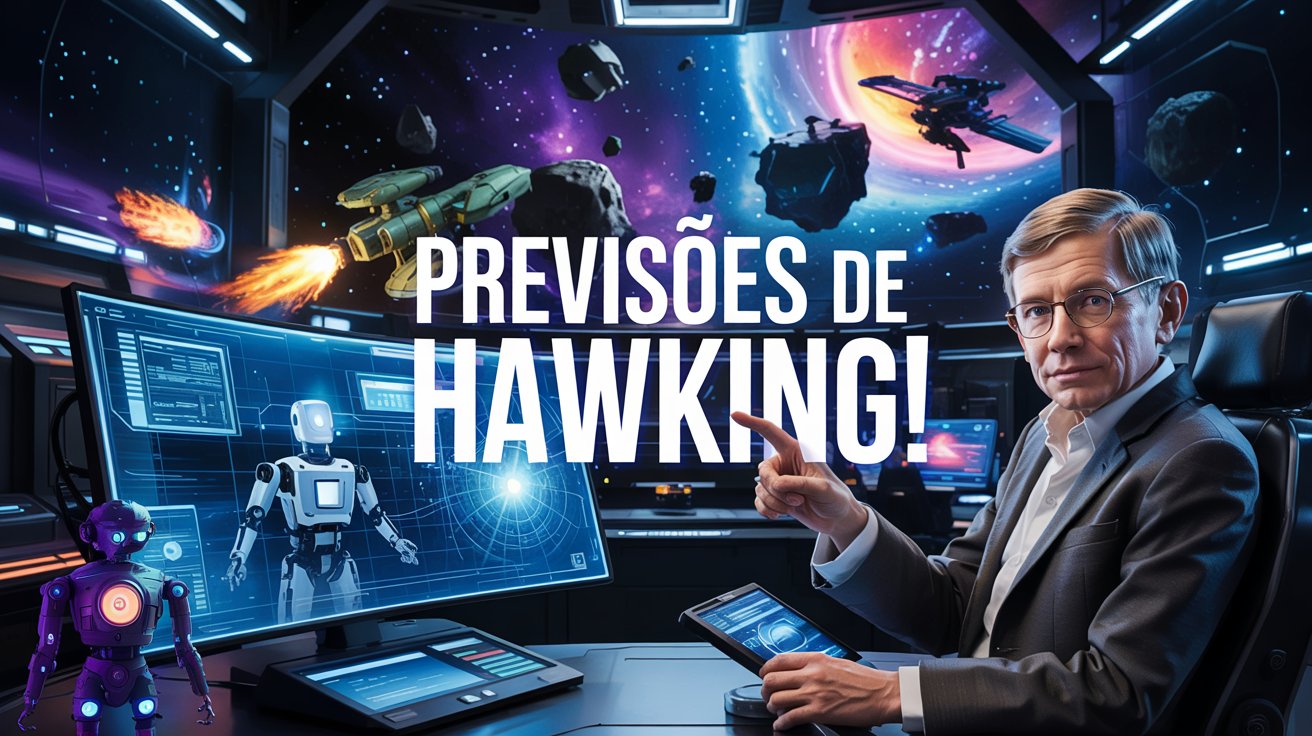
Thirty Years Ago, Stephen Hawking Made Predictions for 2025 That Seemed Straight Out of a Sci-Fi Movie! He Predicted Robots Dominating the Market, Asteroid Mining, and the Internet Transforming the World. The Future Has Arrived, and Many of These Bets Were Right.
In 1995, renowned physicist Stephen Hawking participated in a special program by the British broadcaster BBC, called Tomorrow’s World, which brought together some of the greatest thinkers and scientists on the planet to discuss advances in science and technology.
At that time, many did not imagine the impact that the future would have, but Hawking, with his unique vision, made predictions that left many surprised.
Among the topics covered, one that stood out was the future of technology in 2025, and what he said continues to make us wonder: to what extent were his predictions accurate?
-
The Argentine government celebrates the lowest poverty rate in 7 years, but experts warn that the methodology has changed, real wages have fallen, unemployment has risen, and the number of people on the streets of Buenos Aires has increased by 57% since Milei took office.

-
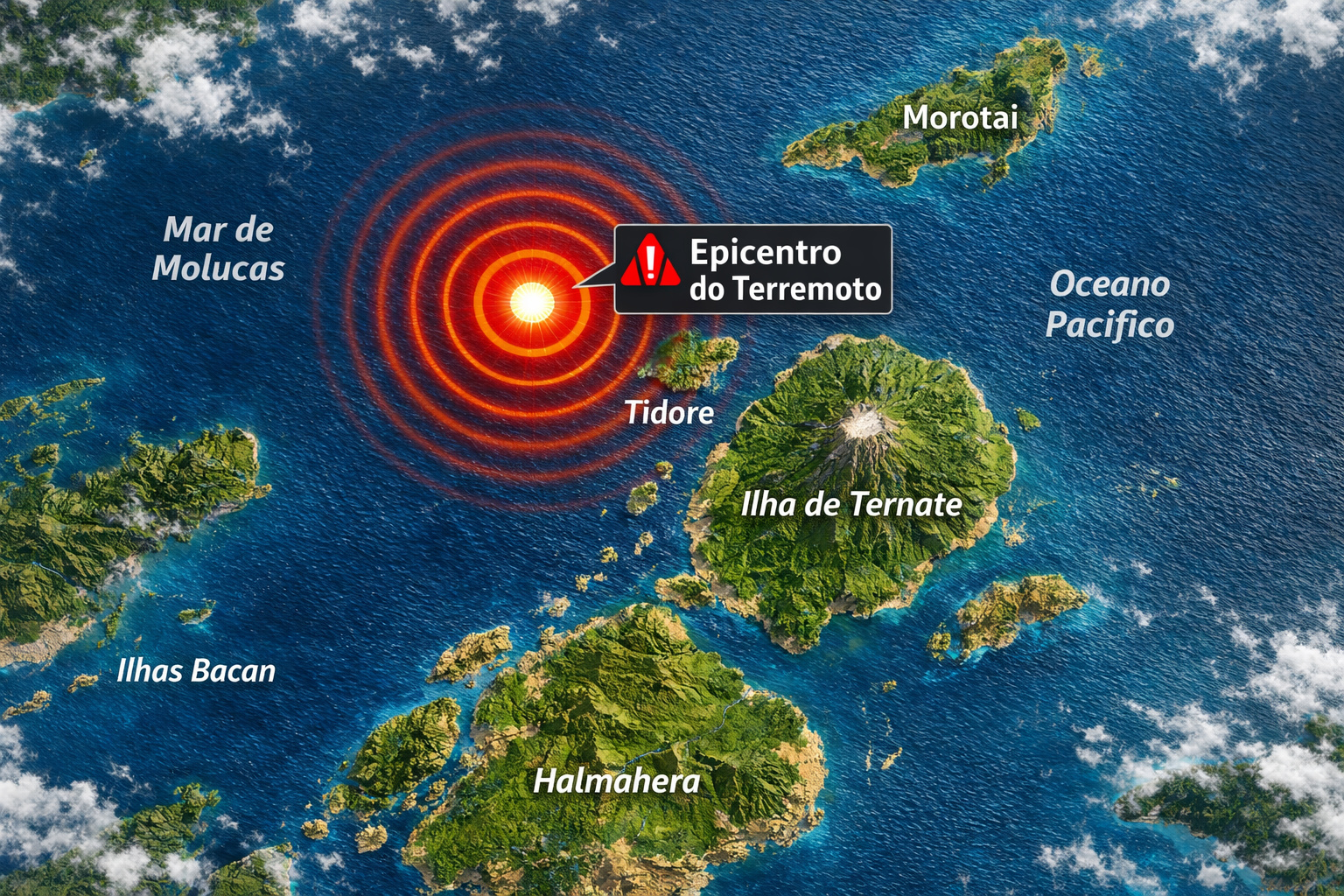
7.8 magnitude earthquake in Indonesia frightens the population, triggers tsunami alert, and hits an island with over 200,000 inhabitants this Thursday.
-
Google will finally let you change that embarrassing Gmail address you created in your teenage years without losing any accounts, logins, or old emails: the feature is already available in the United States.

-
Heading to Brazil in a Bonanza F33 single-engine aircraft: a couple departs from Florida on a visual flight, makes technical stops in the Caribbean to refuel and organize paperwork, and begins the staged crossing until they reach the country.


What Did He Get Right About the Future of Technology?
Stephen Hawking, known for his genius in theoretical physics, made several predictions that have become increasingly clear over the years.
One of the most notable was about the internet, which he declared to be an omnipresent tool.
Hawking predicted that digital connectivity would forever change the way people communicate, access information, and interact with each other.
He Hit the Nail on the Head, as the internet has not only become essential in all aspects of daily life but has also driven the growth of new communication platforms, such as social networks, video conferencing, and streaming services.
Robotics and the Advancement of Machines in Daily Life
Another point addressed by the scientist was the advancement of robotics, and more specifically, the increasing presence of robots in people’s daily lives.
He spoke about the growing role of robotics in various areas of everyday life, and this scenario, although somewhat dystopian at the time, has become more real over time.
Robotics Has Gained Ground Impressively – not only in industries but also in the domestic market.
Countries like Japan, for example, have become pioneers in implementing robots in homes and businesses.
Today, it is possible to see robots assisting with simple tasks like cleaning the house and even in more complex functions, such as surgeries and customer service.
In Japan, robotic assistants are revolutionizing the way people handle their daily activities, with robots becoming increasingly human-like, such as the famous robot Pepper, which interacts with users in a natural manner.
Virtual Assistants and Chips: The Invisible Revolution
In another prediction, Hawking spoke about the advancement of virtual assistants and chips incorporated into the devices we use.
At the time, this idea seemed something distant from reality, but by 2025, virtual assistants like Siri, Alexa, and Google Assistant are an essential part of people’s daily lives.
Whether to control appliances at home, seek information, or shop online, these assistants have become indispensable for many people around the world.
Additionally, Hawking also suggested that chips, with their innovative uses, would be everywhere.
Indeed, what he predicted was the popularization of chips that integrate various devices into the network, connecting and facilitating life in ways that once seemed like science fiction.
The concept of the Internet of Things (IoT) – the interconnection of devices, from household appliances to vehicles – has been an increasing reality in recent years, and with the evolution of chip technologies, it has become more accessible and present in our daily lives.
Asteroid Mining and Space Debris: Two Sides of Space Exploration
One of Stephen Hawking’s boldest predictions involved space exploration.
According to the physicist, asteroid mining would become a reality, with private companies exploring asteroids near Earth in search of precious metals.
Though we are still far from large-scale mining, initiatives by companies like Planetary Resources and Deep Space Industries demonstrate that interest in this type of exploration is growing.
These companies are testing technologies to find viable ways to extract metals from asteroids.
If this prediction comes true, there could be a significant increase in the supply of valuable resources, such as platinum and gold.
However, Hawking also warned of a problem that would accompany space exploration: space debris.
According to the physicist, with the increase in missions and satellites in space, space debris would be an urgent issue to address.
Today, space debris is a growing problem, with thousands of fragments of satellites and rockets floating in Earth’s orbit.
To address this, researchers are developing creative solutions, such as the use of nets and lasers to capture these fragments, as well as the development of foam gels to slow down fragments and prevent them from damaging operational satellites.
The Evolution of Artificial Intelligence and Future Challenges
Finally, Stephen Hawking predicted that artificial intelligence (AI) would play an increasing role in the future of humanity.
This prediction is becoming increasingly real, as the use of AI is already present in various industries, from medicine to finance and education.
However, the physicist also issued a warning: the advancement of AI could pose significant challenges for the future of humanity, such as the risk of machines surpassing human intelligence and becoming independent of human needs and control.
In his last interviews, Hawking warned of the existential risks that AI could pose, stating that the technology could be a threat if not properly regulated and controlled.
This sparked debates on how to balance the development of AI with the preservation of human safety and rights.







Seja o primeiro a reagir!