





 Portuguese
  English
  Spanish
  3 min of reading


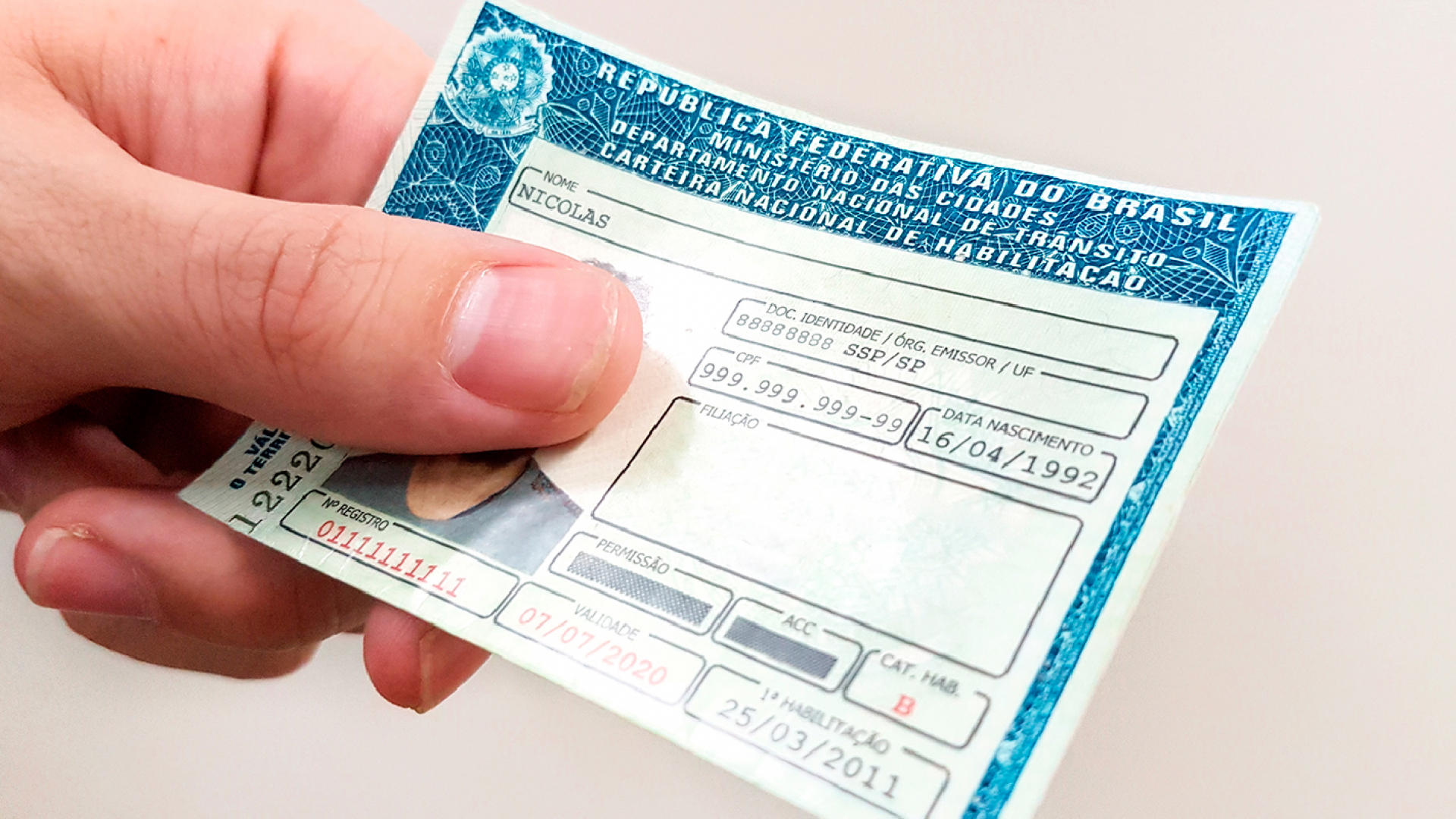
Before the Driver’s License Is Seized, the Organization That Has Not Been Paid Must Make Several Attempts to Contact the Deadbeat
The plenary of the Supreme Federal Court (STF), by a majority vote, authorized the enforcement of measures such as the seizure of the National Driver’s License (CNH) and the passport, as a way to compel the deadbeat to settle outstanding debts. Other measures included the suspension of the debtor’s right to vote.
One of the penalties is the disqualification from participating in public bids, contracts, and public competitions. However, there are a series of requirements that must be met before the penalties can be implemented. The ruling issued by the ministers states that, for the seizure to be legal, it must “not infringe on basic rights” and comply with “the criteria of proportionality and equity”.
Furthermore, food-related debts do not lead to the seizure of CNHs or passports, and professional drivers are also not affected. Check what happens to the deadbeat before their CNH can be confiscated.
-
Researchers develop a hybrid air conditioning system that reduces energy consumption by up to 34.3% in humid climates.

-
BRICS power receives the largest oil shipment from Venezuela in six years after the Middle East war closed the route that supplied half of the country.

-
Digital marketing agency unexpectedly shuts down and defaults on over R$ 1 million to about 60 workers who are now filing police reports and seeking justice to receive overdue salaries.

-
The federal government will provide discounts of up to 90% on the debts of millions of Brazilians with the return of a social program that will prevent new indebtedness in 2026.
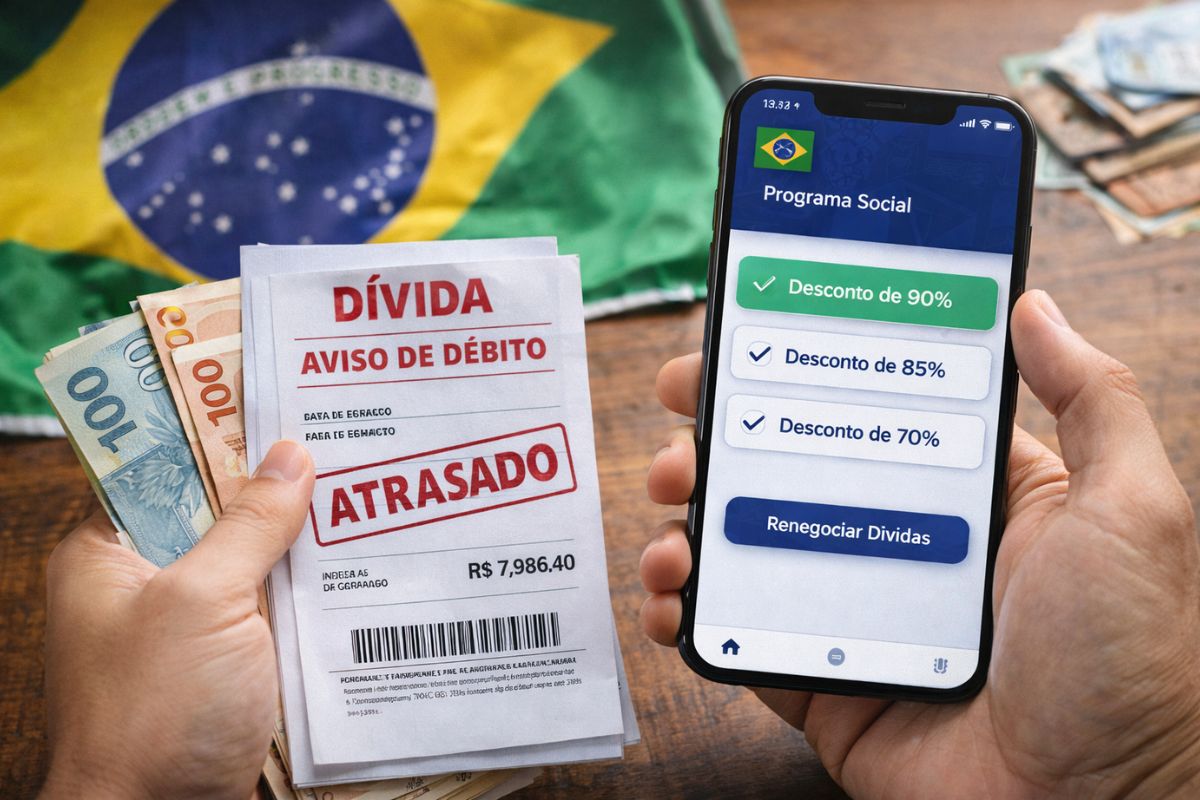
Before things reach this stage, the organization that has not been paid must make several attempts to contact the client. For example, they can send an email, call them, or write a letter.
When all other options have been exhausted, the delinquent will receive a formal notification to appear in court. Courts have the authority to collect any debt, regardless of its origin.
Those who rely on their CNH in their professional lives will not be harmed by the confiscation of the document. The provision gives the court the authority to compel compliance with court decisions using “any inductive, coercive, mandatory, or subrogatory methods”.
If there are infractions committed during the processing of the procedures, such infractions must be contested on a case-by-case basis in higher courts.
The Seizure of the Driver’s License (CNH) and the Passport of the Deadbeat Debtor Had Already Been Enforced by Lower Courts, Even Before the Vote in the STF
These judgments were only put to a vote in a referendum of the Supreme Court.
In a recent ruling by the 20th Chamber of Private Law of the TJ-SP (São Paulo Court of Justice), which decided to freeze the driver’s license and passport of a deadbeat for, according to the court, having a high standard of living, it is a good illustration of this concept.
In this particular case, the creditor initiated an enforcement action, but after several attempts to collect the owed amount, there was no resolution.
The process further alleges that the deadbeat lives in a luxury condominium in São Paulo and that their monthly consumption costs do not match their inability to settle their debt. Additionally, the complaint states that the debtor owes a significant amount of money. After the court determined that the deadbeat is attempting to evade their responsibilities, the CNH was retained.










Seja o primeiro a reagir!