





 Portuguese
  English
  Spanish
  3 min of reading
  92 comments


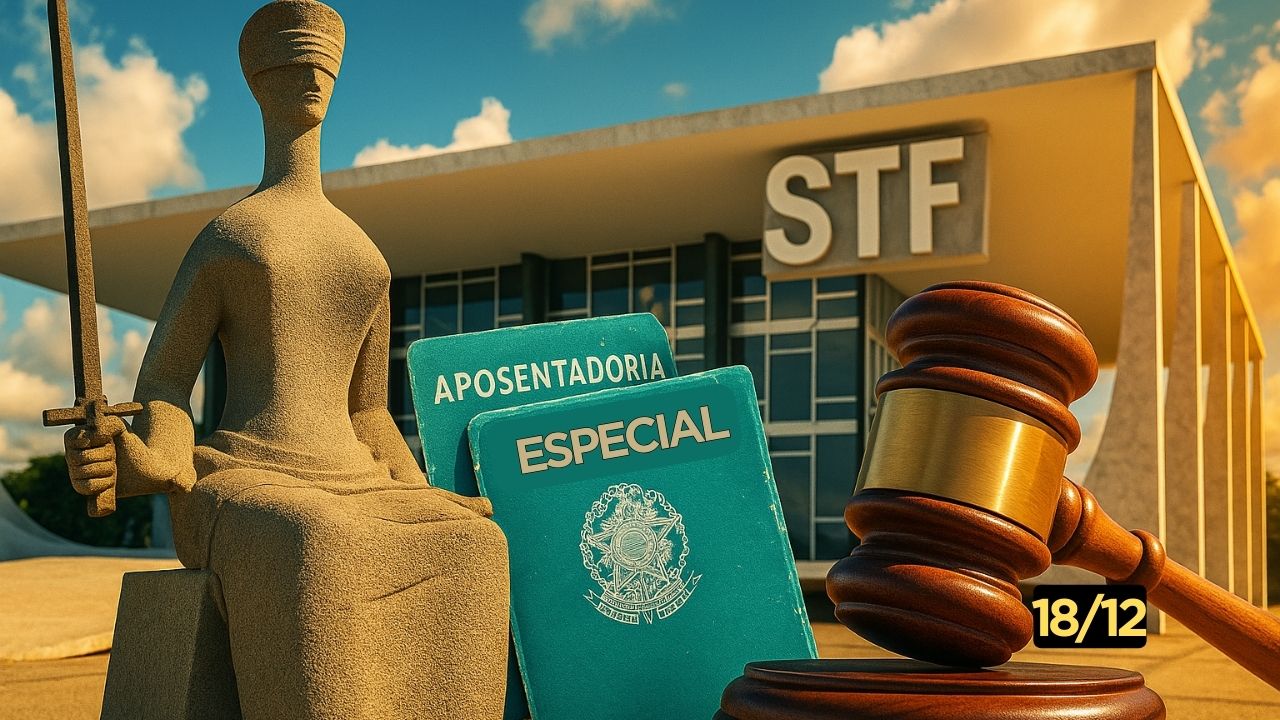


Session On December 18, 2025 Will Analyze The End Of The Minimum Age For Special Retirement, The Return Of Full Retirement, And The Conversion Of Special Time Into Common Time
The Supreme Federal Court has scheduled for December 18, 2025 the judgment that may directly affect the minimum age for special retirement, with significant implications for workers exposed to harmful conditions and for those who have already reorganized their lives after the reform.
In addition to the minimum age for special retirement, the agenda involves the possibility of returning to full retirement and the release of converting special time into common time, forming a set of decisions that, if advanced, may alter planning, amounts, and retirement dates.
What The STF Will Judge On December 18
The judgment scheduled for December 18 includes three central points. The first is the end of the minimum age for special retirement.
-
The noise law will no longer be in effect at 10 PM starting in June with a new rule valid during the 2026 World Cup.

-
The Chamber opens a debate on driver’s licenses at 16 years old as part of a reform that includes around 270 proposals to change the Brazilian Traffic Code and may redesign rules for licensing, enforcement, and circulation in the country.

-
The new Civil Code could revolutionize marriages in Brazil with “express divorce” and changes that could exclude spouses from inheritance.
-
Banco do Brasil sues famous influencer for million-dollar debt and intensifies debate on delinquency, risks of seizure, and direct impact on Gkay’s credibility.


The second is the return of full retirement. The third is the possibility of converting special service time into common time, including in scenarios discussed after the pension reform.
In practice, what is at stake is whether the rules that tightened access to special retirement will be reviewed, reopening paths for those who lost their rights, for those who had to postpone leaving work, or for those who started receiving less than expected.
Why The Minimum Age For Special Retirement Became The Most Sensitive Point
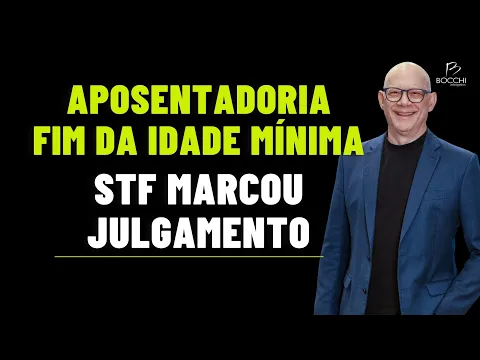

The minimum age for special retirement is treated as the most sensitive axis because it directly affects the departure date from work for those who worked under risk, hazardous conditions, or dangerous situations.
If there is a change, it may advance retirements compared to the current scenario and reorder claiming strategies.
For this reason, the attention of workers, unions, and pension lawyers is growing, since decisions of this nature do not occur frequently and tend to generate broad impacts on claiming routines and reviews.
Full Retirement And Conversion Of Special Time Into Common Time
In addition to the minimum age for special retirement, the discussion about full retirement focuses on the calculation method and the level of the benefit.
The conversion of special time into common time is relevant for those who do not meet the requirements for special retirement but can use the converted time to reach a retirement under another rule.
In the foundational material, the expectation is that these three points will be analyzed together, with the possibility of total or partial results.
Three Possible Scenarios And How This Affects Your Planning
As the outcome may vary, pension planning tends to work with three scenarios, as described in the foundation. Full Approval, with a complete review of what currently counts as a rule. Full Denial, maintaining the current scenario.
Or Partial Approval, accepting one or two points and rejecting others, requiring more refined adjustments.
In any scenario, the practical guidance is to follow the session on December 18 and avoid hasty decisions without understanding how the potential change relates to your contribution and special activity history.
What To Do Until December 18, 2025
The most prudent step is to organize documents and clarify your classification: periods of special activity, evidence, links, and dates.
The minimum age for special retirement may be the focus of the judgment, but the final effect depends on how each individual fits into the discussed rules.
If the STF actually overturns the minimum age for special retirement, do you think this corrects an injustice of the reform or opens a new insecurity in retirement rules?









Simplemente o objetivo da reforma da previdencia de 2019, foi acabar com a aposentadoria especial!
Que consiste em alterar a idade minima para se aposentar e excluir a converssão de tempo especial em comum apos a reforma!
Diga se de passagem um absurdo!
Haja vista que quem faz as leis talvez nunca laborou sobre condições nocivas a saude, o que traz um prejuizo de grande magnitude aos segurados!
Isto porque vivemos num pais que tem como presidente um ex sindicalista que defedia os trabalhadores!
Para mim, deveriam os ministros do STF, entender estas mudanças com relação a aposentadoria especial com inconstitucionale revogando-as, mas pelo andar da carruagem, tenho quase certeza de que julgará esta bizarrisse como constitucional.
UMm verdadeiro absurdo para os segurados.
Sim com certeza,corrige pois garante que aqueles que trabalham em condições adversas possa garantir seus direitos que foram usurpados na reforma,o nome disso é justiça,aguardamos o resultado esperançosos que os ministros possam corrigir essa devastação de direitos dos trabalhadores.
Sim.Corrige uma injustiça ,por exemplo : eu trabalho há 29 anos insalubres quando a reforma entra em vigor eu tinha 22 anos insalubres. È justo ? era pra ser pelo menos pra quem esta começando na época em 2017 ,agora eu já tinha 22 anos faltando apenas 3 anos .