





 Portuguese
  English
  Spanish
  4 min of reading
  0 comments



The new ambulance developed by Dutch students combines solar energy, off-grid operation, and powering medical equipment within the vehicle, creating an alternative for care in remote areas, disaster-affected regions, and places where fuel, electricity, and logistical support are limited
The Stella Juva ambulance, designed by Dutch students, was developed to operate with solar energy off the grid and power medical equipment in locations without stable infrastructure. The project combines mobility and energy generation within the vehicle, aimed at remote areas, disaster-affected regions, and contexts with limited access to fuel and electricity.
The proposal brings together AIKO and the Solar Team Eindhoven in an application that transforms the emergency vehicle into an autonomous energy system.
The idea is not limited to clean mobility but to continuous operation in scenarios where the lack of logistical support often compromises medical assistance.
-
French “ghost” submarine lost in World War II reappears after more than 80 years on the seabed near the coast of Spain.

-
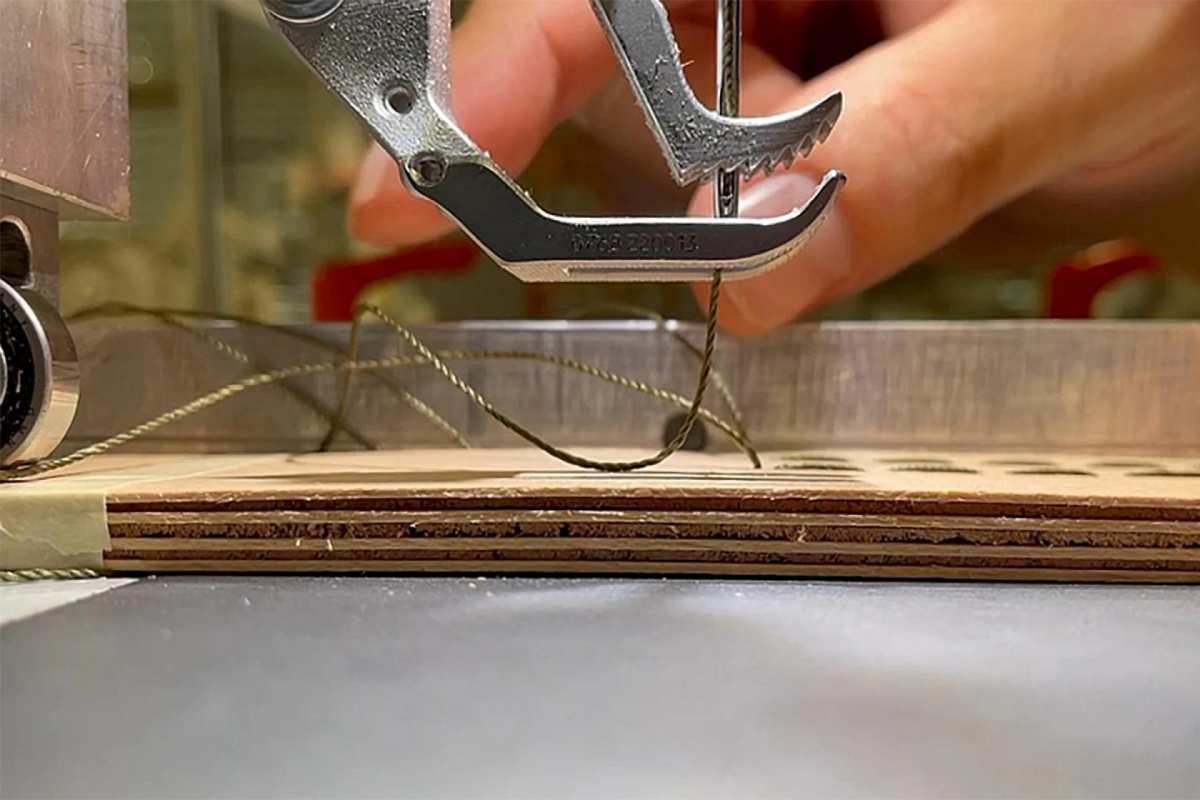
A simple stitch in wood with nylon thread can reduce adhesives, speed up production, and make sheets up to 4 times stronger and 14 times more difficult to break.
-
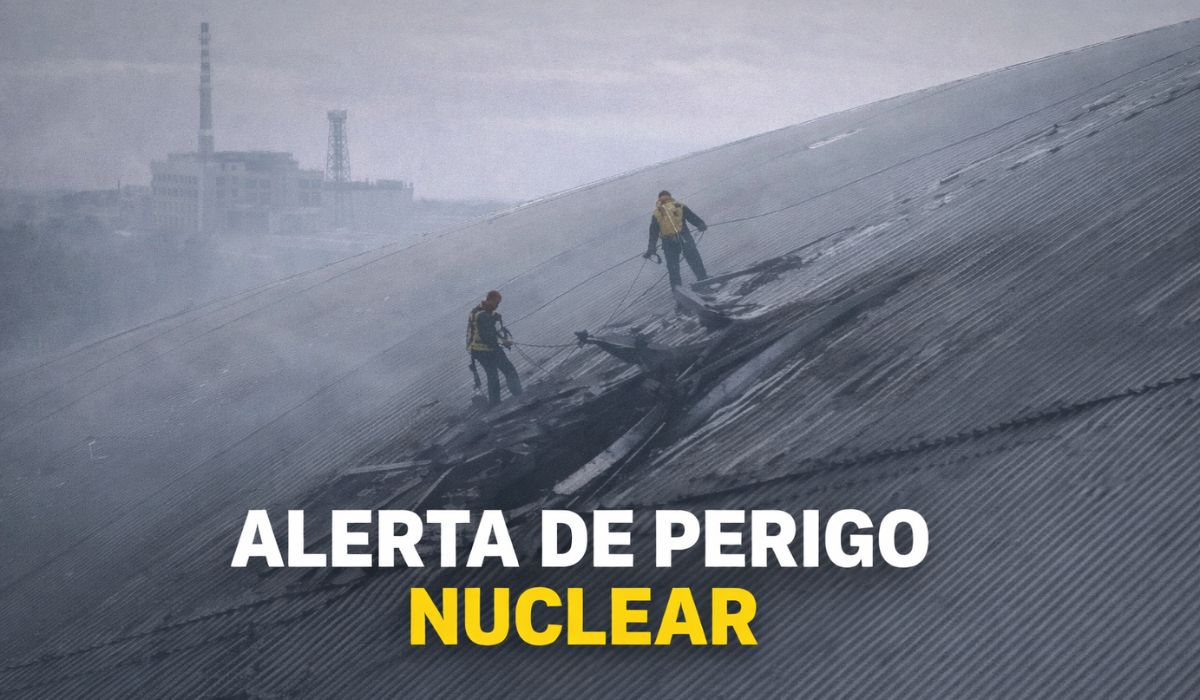
The gigantic steel shell built to contain Chernobyl for a century has been pierced by a drone, exposing a critical system and creating a hole that could cost over 500 million euros to repair.
-
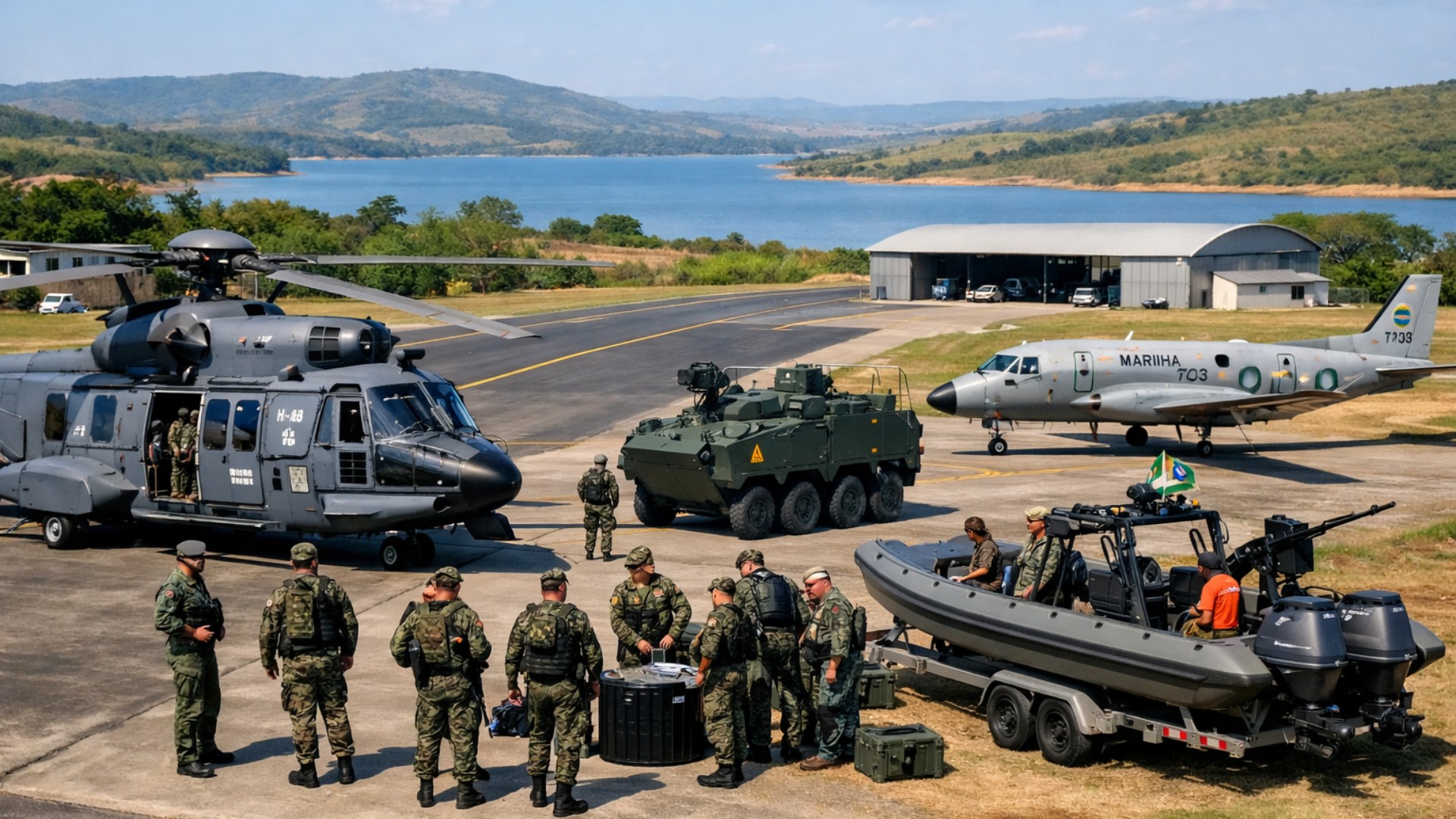
Brazilian Navy reaches a new level by taking over an airport with a 1,600-meter runway used by 1,800 military personnel and autonomous attack drone testing.

Solar ambulance to operate off the grid
The Stella Juva was designed to function without relying on outlets, fossil fuels, or constant external support. The photovoltaic generation is integrated into the vehicle’s surface, allowing it to power both propulsion and onboard medical systems.
This model expands the ambulance’s operational capacity in territories where medical response faces structural obstacles. In isolated rural areas, disaster-hit regions, or countries with limited infrastructure, energy autonomy can keep the service running longer.
The absence of the need for refueling or connection to the grid also reduces dependence on external factors that, when they fail, hinder the entire operation. Thus, the solar ambulance achieves greater autonomy and lower operational costs, in addition to reaching locations where other vehicles would face more limitations.
ABC cells enhance system efficiency
The technological core of the project lies in the All Back Contact solar cells, known as ABC. Unlike conventional panels, they remove the metal contacts from the front face, allowing for more light capture and reducing energy losses.
This configuration offers greater energy efficiency, a decisive characteristic in a vehicle where available space is limited. It also exhibits lower degradation over time and improved thermal performance, preserving operation even at high temperatures.
Another highlighted point in the system is the reduction in silver usage, which improves the sustainability of the panels themselves. In solar mobility applications, this optimization is relevant because every part of the available surface directly affects the amount of energy captured and the final performance of the solution.
Previous experience helped make the project viable
The Solar Team Eindhoven had already accumulated experience in competitions like the World Solar Challenge, used as an environment for technological innovation. However, the development of the Stella Juva ambulance represents a shift in focus, with an application oriented towards concrete needs.
Previous projects, such as Stella Vita and Stella Terra, had already demonstrated the viability of solar mobility in long journeys and extreme conditions. The new ambulance adds a direct social utility to this history, associating technology with the provision of an essential service.
The transition from the experimental environment to addressing real demands marks a new stage of the proposal. In this case, efficiency ceases to be just a technical goal and becomes linked to the possibility of expanding medical response in critical contexts.
Mobile micro power plant and use in emergencies
The Stella Juva also fits into the logic of decentralized energy generation, where electricity is produced at the place it will be used. In this format, the ambulance functions as a mobile solar power plant on wheels, generating energy in real-time during its operation.
The application of this concept helps reduce emissions in the transportation of healthcare professionals and decreases dependence on fossil fuels. At the same time, it creates an alternative compatible with climate resilience strategies in scenarios marked by instability and infrastructure interruptions.
In situations such as floods, fires, and conflicts, this level of autonomy can determine whether care will be possible or not. The proposal also opens the door for other applications, such as self-sufficient mobile clinics, emergency vehicles in off-grid areas, disaster support systems, and medical transport in rural zones.
The development of a solar-powered ambulance points to a more distributed and resilient operational model. In the short term, the impact is likely to appear in pilot projects and specific uses, but the approach has been presented as replicable in other contexts.
The expansion of this type of solution can contribute to decarbonizing essential public services, reducing operational costs in healthcare systems with limited resources, and strengthening responses to increasingly frequent climate emergencies.
The integration of renewable energies into sectors considered complex thus gains a practical application directly linked to the provision of basic services.







Seja o primeiro a reagir!