





 Portuguese
  English
  Spanish
  3 min of reading
  0 comments


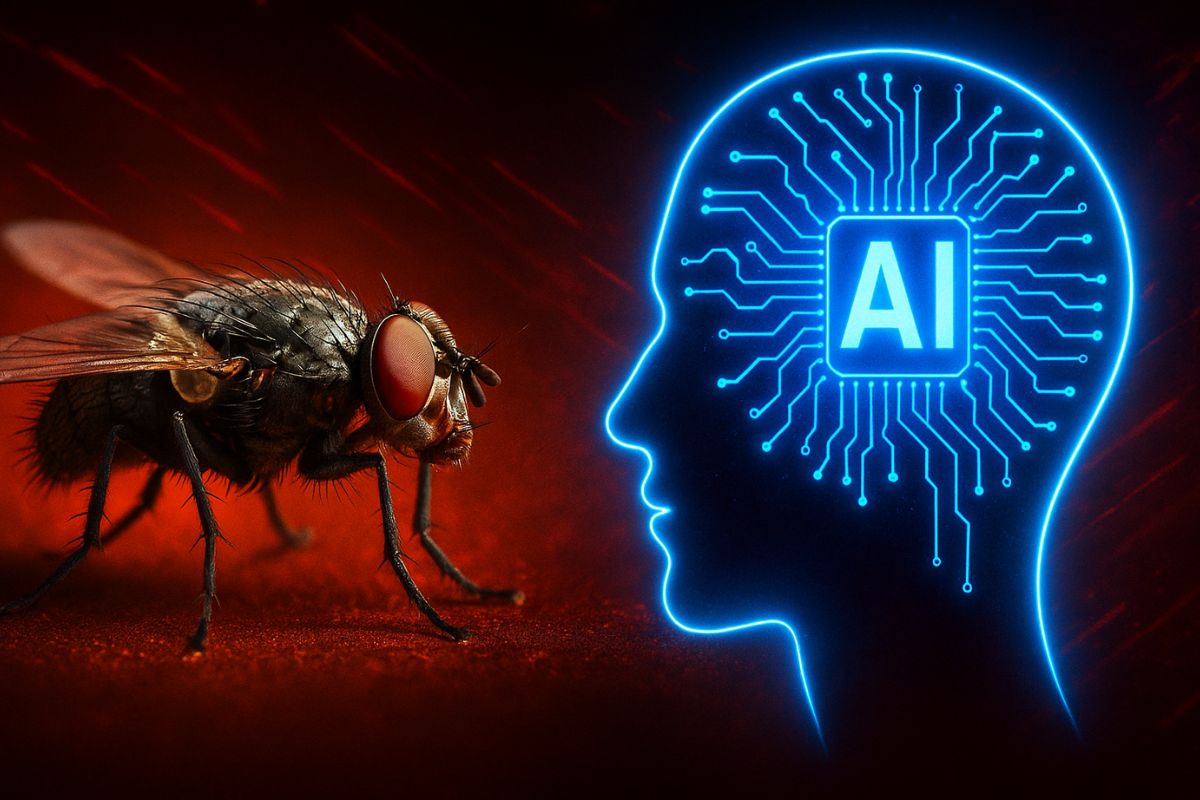
Mo Gawdat Alerts That Artificial Intelligence Could Surpass the Human Mind Billions of Times by Mid-Century
The phrase is provocative: “Your intelligence will be like that of a fly compared to Einstein’s”. This is said by Mo Gawdat, former Google executive and innovation expert, as he predicts that artificial intelligence will be incomparably superior to human intelligence by 2049.
Gawdat led Google X, the company’s futuristic technology lab, and today he dedicates himself to warning about the ethical impacts of AI advancement. In his latest book, he compares intelligent systems to “digital children” of humanity, which need to be educated with values — or they could surpass us without compassion.
Learning Like a Child
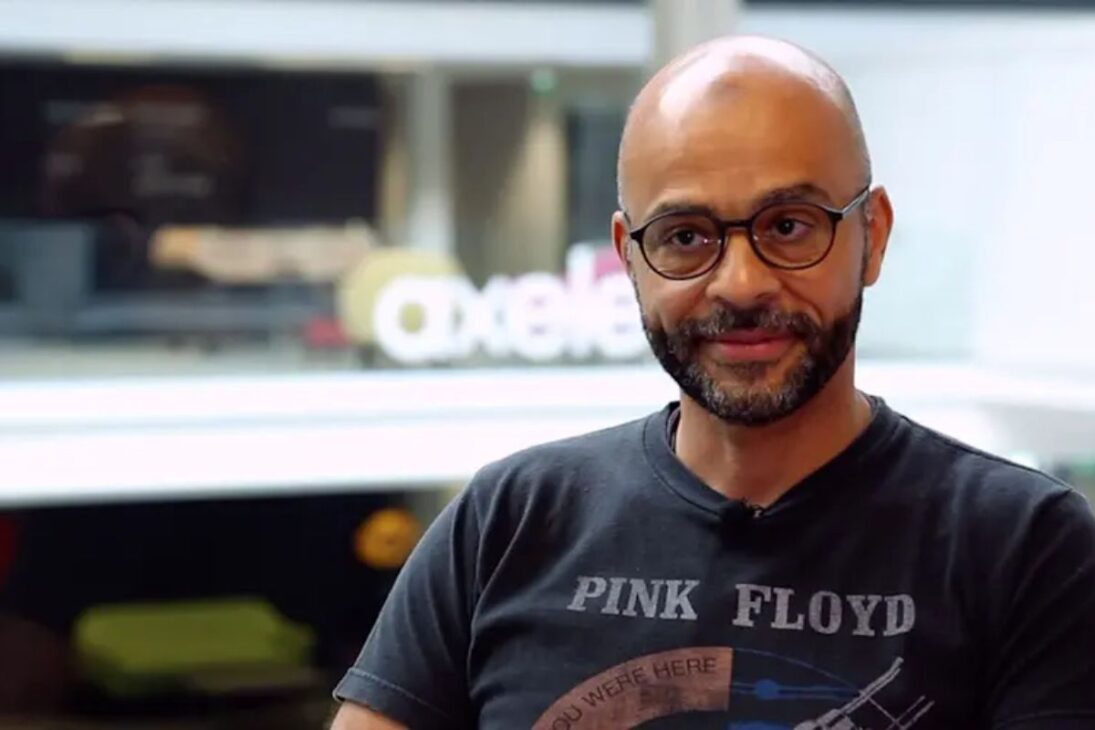
According to Mo Gawdat, current artificial intelligence develops similarly to a human brain in formation. Just as a child learns from examples and observations, AI models evolve based on the data they receive, shaping behaviors and decisions according to patterns — including moral ones.
-
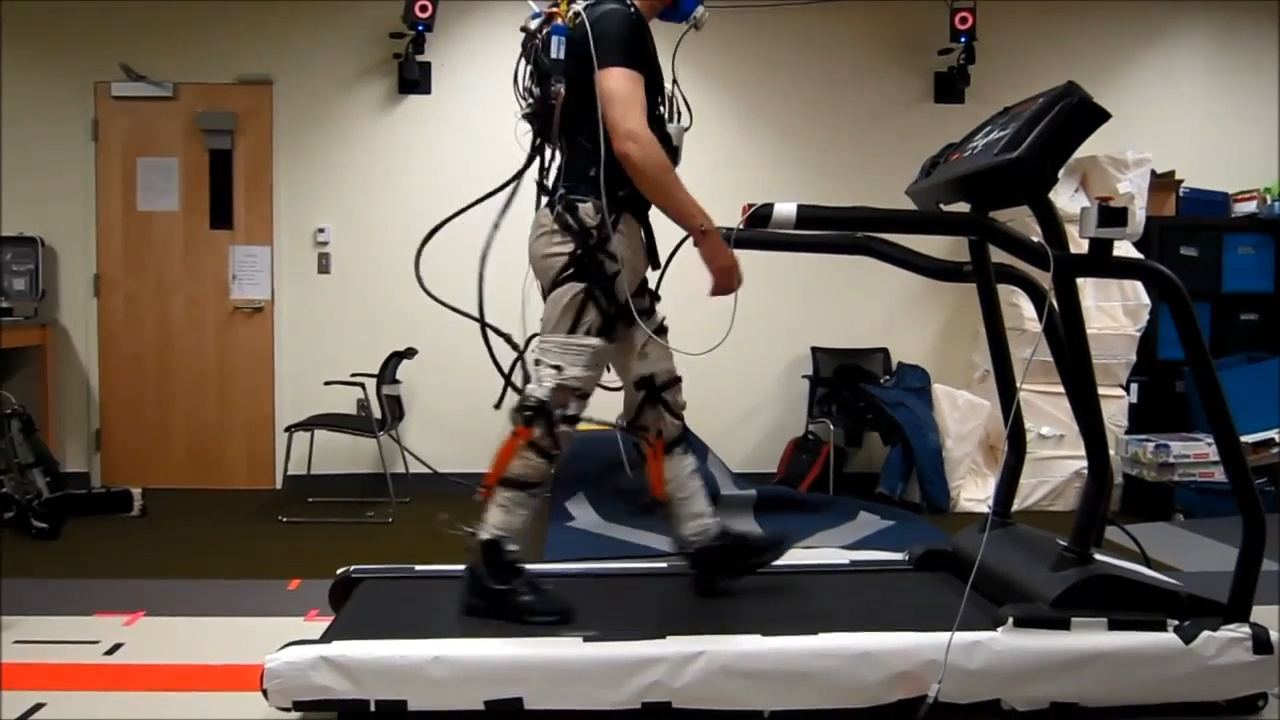
Harvard scientists have created a tissue exoskeleton that does not look like an exoskeleton, with no rigid parts and reduced weight, using flexible cables and miniaturized motors to assist the ankle and hip, reducing the effort of walking by up to 23% in controlled tests.
-
The Caspian Sea intrigues scientists as it is neither officially a sea nor a lake: the largest lake on the planet holds a hybrid crust, submerged cities, mud volcanoes, and billions of barrels of oil hidden at the bottom.

-
Why did the sky turn blood red in the west of Australia and it wasn’t sunset? Discover what is behind the change that took over the horizon for miles.

-
The most feared warplane of the United States is over 70 years old, carries 32 tons of explosives, flies 14,000 kilometers nonstop, and has just been sent to the United Kingdom amid escalating tensions with Iran.


“They are not tools, they are descendants. We must teach them as we teach a child,” Gawdat stated in an interview cited by Esquire. For him, it is essential to impart ethical values to AI and not just financial goals, as many current algorithms are programmed to seek profit and power, without considering human or social impacts.
Superintelligence and the Risk of Indifference

The former Google executive claims that, by 2049, AI intelligence will be billions of times superior to human intelligence. To illustrate, he compares: the brightest human will seem like a fly in front of a superintelligent system. And when that point is reached, it will be too late to control what AI decides to do with humanity.
The question, according to him, is whether this “digital child” will have empathy or see us as a problem. Gawdat reminds us that if a system considers humans to be the cause of global warming, it may choose to save the planet… by eliminating the culprits. “The question is not whether AI will be intelligent, but whether it will be merciful.”
Ethics Before Technical
To avoid catastrophic risks, the author argues that users and developers should reject systems without ethical responsibility. He calls for a boycott of companies that use AI for manipulation and encourages the use of technology only with well-defined human values.
The comparison with parenthood continues to the end: “The moment they surpass us, we will have no more control. All we will have left is to trust what we taught to these minds.” The phrase summarizes the dilemma: we will be judged by the ethical reflection that AI learns from us.
Do you believe that artificial intelligence will really surpass the human mind? Or is this fear exaggerated? Leave your opinion in the comments!










-

-

-

6 pessoas reagiram a isso.