





 Portuguese
  English
  Spanish
 4 min of reading
  0 comments


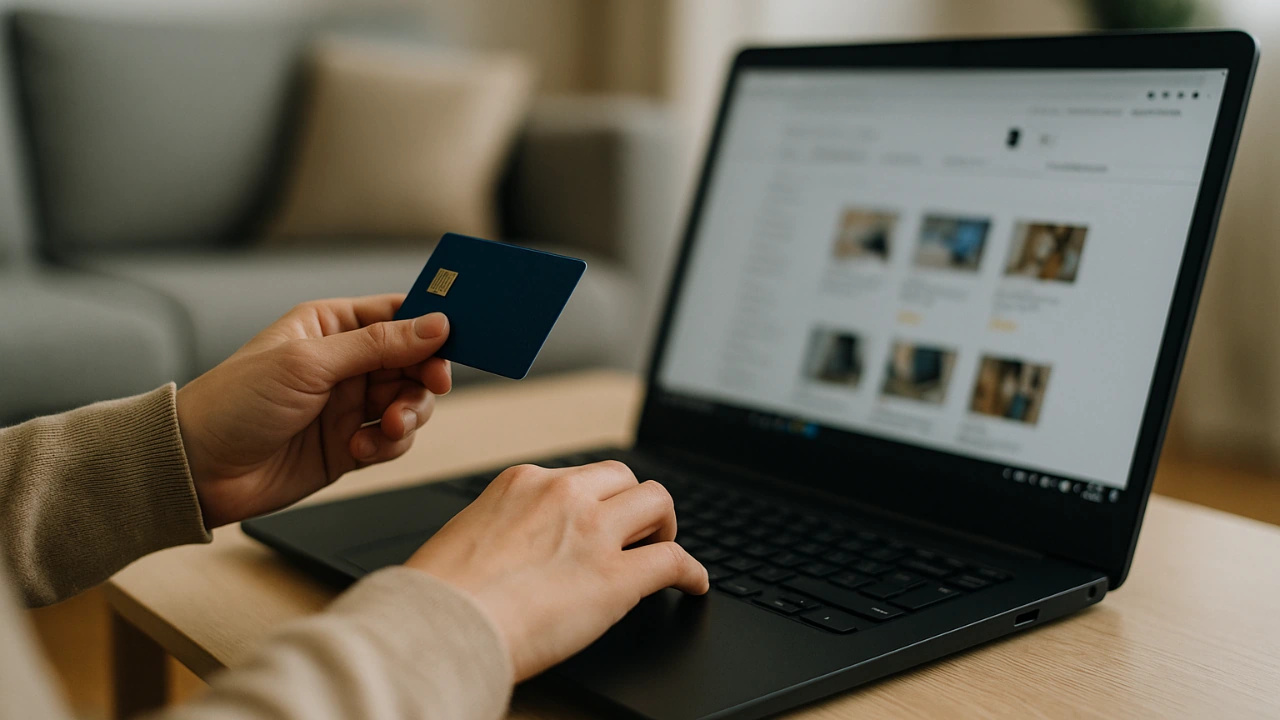
Have you ever stopped to think that those online purchases that seem like a wonder can, in a matter of seconds, turn into a true nightmare? The promise of irresistible prices and the convenience of shopping from home hide risks that millions of Brazilians have already experienced firsthand. And worse: scammers are becoming increasingly sophisticated, creating websites and ads that imitate well-known stores to deceive even the most vigilant.
Online Shopping Requires Extra Attention
Online shopping has grown explosively in recent years, becoming part of the routine for almost every family. However, this growth has also brought an impressive increase in digital fraud. Scammers use fake pages, sponsored ads, and even personalized messages to deceive consumers. And don’t think that only the most distracted fall for these scams — the social engineering used is so convincing that even experienced professionals have already been victims.
Shopping online is no longer just a matter of convenience, but of digital survival. Knowing how to identify warning signs can make the difference between receiving the product of your dreams or losing money and personal data to criminals.
-
With 1,066 acrylic panels, the building known as the friendly alien is supported by a steel skeleton, has a façade that functions as a giant screen, and impresses the world without any internal columns.

-
Scientists warn that a comet about 1 km in size that has started to release gases may actually change direction in space. It was spotted by NASA and surprises with potential impacts near Earth.

-
These living root bridges and ladders are over 700 years old and help indigenous people survive in one of the rainiest regions in the world.

-
From sertanejo star to international investor: Ana Castela invests millions in a mansion in the USA, creates a themed accommodation in Orlando, and shows that the “boiadeira” also wants to grow away from the stage.


1. Be Wary of Miracle Prices
Who has never felt excited upon seeing a smartphone or appliance costing half the price found at major retailers? This is the number one trick of scammers: prices that are too low to be true. The logic is simple — if the offer seems surreal, it probably is. Remember: promotions exist, but never on an absurd scale.
2. Check the Store’s Reputation
Before finalizing any online purchase, research the store on complaint websites, social media, and consumer forums. A simple search can reveal if others have fallen into traps. Serious companies have a history and solid presence, while suspicious pages vanish from the map in weeks.
3. Analyze the Website Address Carefully
A small detail can reveal a fraud. Fake sites typically use URLs very similar to the official ones, swapping a letter or adding strange characters. If the store is known, type the address directly into the browser instead of clicking on links received via email or messages. This reduces the risk of landing on cloned pages.
4. Use Secure Payment Methods
Avoid billing from unknown stores. Prioritize payments via credit card or digital wallets, which offer greater protection in cases of fraud. Many banks allow you to dispute unrecognized purchases, which can save your money. Also, be wary of requests for direct bank transfers — this is one of the clearest signs of a scam.
5. Look for Security Signs on the Site
When accessing a virtual store, check if the address begins with “https” and if a lock appears next to the navigation bar. These details indicate minimal encryption to protect data. Sites without these protections should already be considered risky.
6. Be Cautious with Ads on Social Media
Scammers are becoming increasingly active on platforms like Instagram, Facebook, and even TikTok, using sponsored ads to give the appearance of legitimacy. The trick works because consumers associate sponsorship with trust, when in fact anyone can pay to advertise. Always investigate before clicking.
7. Protect Your Personal Data
One of the biggest risks of fake online purchases is not just losing money, but having personal information stolen. Full name, social security number, address, and even card details can end up in criminal hands. This paves the way for credit fraud and even identity theft. Provide only essential data and never share passwords.
Most Common Online Scams
Scams related to online shopping take many forms. Among the most reported are:
- Fake Sites of Major Retailers: imitate logos and colors but do not deliver products.
- Marketplaces with Nonexistent Sellers: tempting prices, newly created profiles, and no reputation.
- Offers via WhatsApp: links sent with “exclusive promotions” that lead to fraudulent pages.
- Email Phishing: messages requesting account updates or offering fake discount coupons.
Each of these scams exploits a weakness in the consumer: the rush to seize an offer, trust in known brands, or the lack of detailed verification.
Haste Is the Enemy of Security
A large number of consumers fall for scams because they make hasty decisions. The sense of urgency created by messages like “last units” or “promotion valid only today” serves precisely to prevent the person from stopping and checking the legitimacy of the offer. The advice is simple: take a deep breath and research before clicking.
The Emotional Impact of Fraud
Those who have fallen victim to online shopping scams know that the loss goes beyond money. The feeling of being deceived brings frustration, anger, and even shame. Many consumers stop trusting digital purchases for years, harming their relationship with e-commerce. This shows how criminals not only affect wallets but also people’s trust in an entire sector.
How to Create a Safe Routine
The best way to avoid headaches is to adopt constant security practices:
- Always update antivirus and browsers.
- Use two-step authentication on the virtual card.
- Create different passwords for each site.
- Enable purchase alerts in the bank app.
These simple measures, when applied continuously, create an effective barrier against attempts at fraud.
The Role of Digital Education
Now more than ever, understanding the mechanisms of online shopping has become a necessity. Schools, families, and companies need to invest in digital education so that consumers are not easy victims. After all, every new technology brings conveniences but also opens gaps for criminals.
By learning to be wary and investigate, the consumer puts themselves one step ahead of scammers. After all, the internet can be a minefield — but it is also a space of opportunities when used with awareness.








Seja o primeiro a reagir!