





 Portuguese
  English
  Spanish
  6 min of reading
  0 comments



Increase Environmental Impact: The Subsidy for Clean Energy Must Outweigh Fossil Fuel Incentives, Accelerating the Global Energy Transition Fairly and Sustainably.
The debate on the energy transition has gained prominence globally, especially because the need to reduce the impacts of climate change has become urgent.
In recent years, international leaders have emphasized the importance of directing resources and public policies strategically. Therefore, it is essential to encourage clean energy sources at the expense of fossil fuels.
Furthermore, the Minister of the Environment and Climate Change, Marina Silva, recently stated that the subsidy for clean energy needs to surpass the amounts currently allocated to the fossil fuel sector. Highlighting that only concrete and innovative actions can achieve climate neutrality.
-
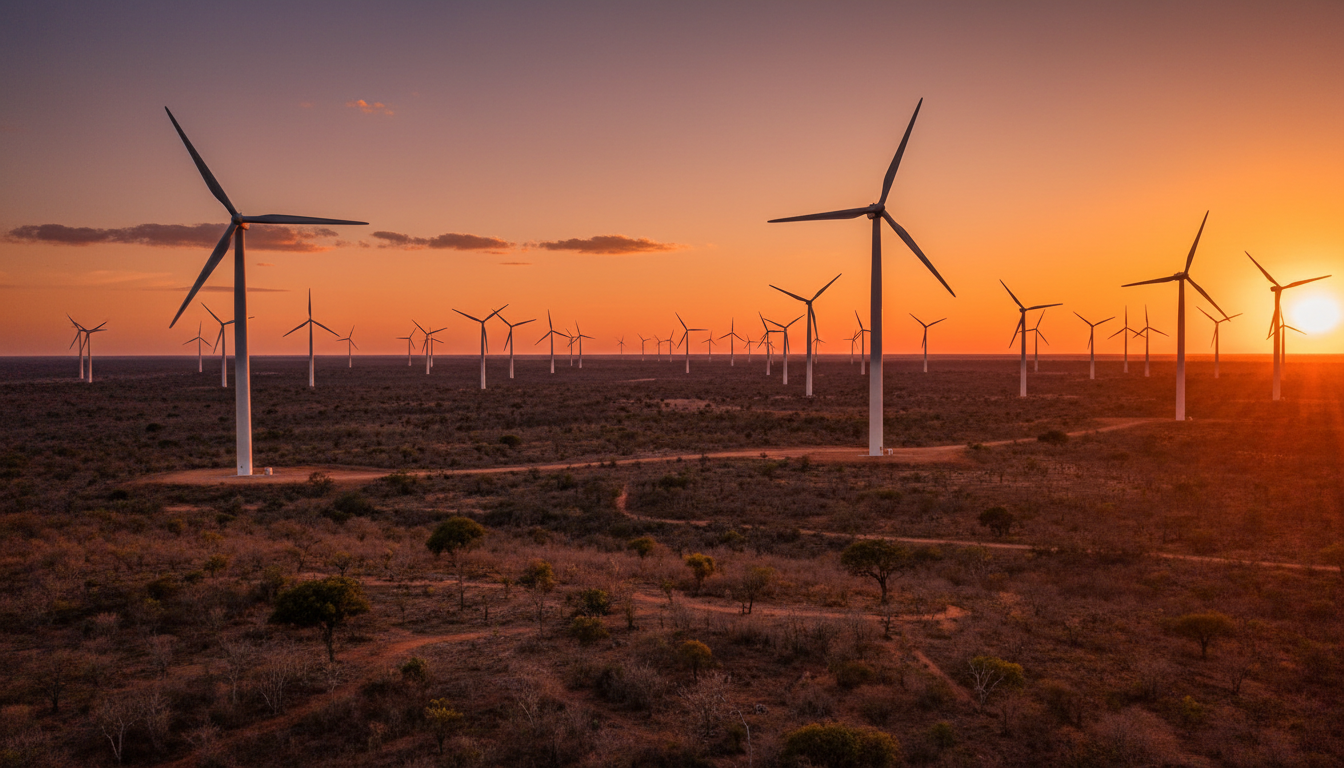
The Brazilian Northeast is receiving the largest wave of investments in clean energy ever seen in the country, with R$ 200 billion in wind and solar, 9,000 km of transmission lines, and a promise that could change the economy of 60 million people.
-
Chinese company creates solar cell that breaks the physical limit of silicon with 34.85% efficiency and promises to revolutionize electricity bills with panels that generate 20% more energy starting in 2026.

-
How green infrastructure and renewable energy at the World Cup transform the logistics of the largest sporting event on the planet in North America.

-
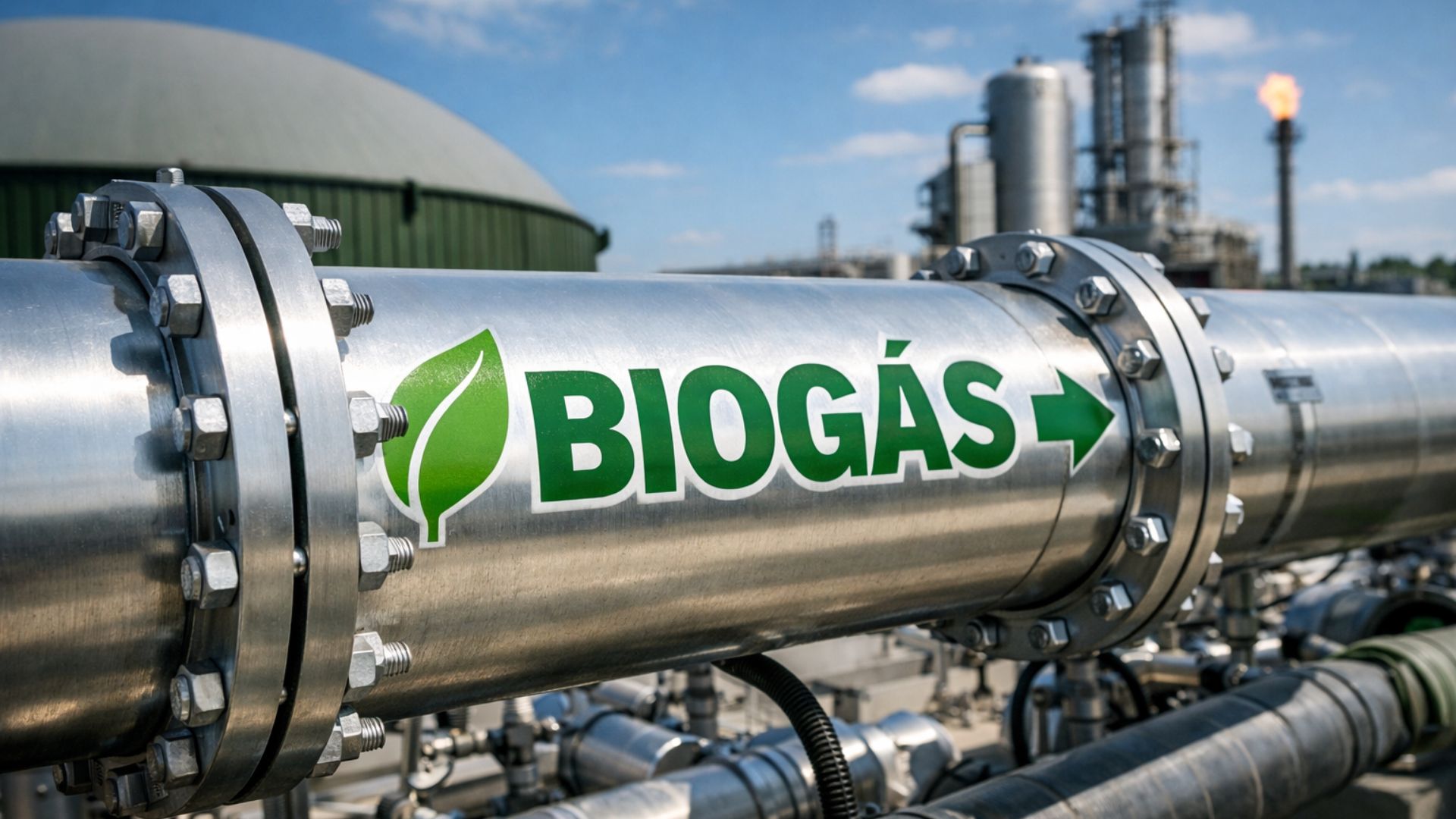
The Cagece and UFC project advances in sustainable innovation with biogas by converting waste into renewable energy, reducing environmental impacts, and increasing sanitation efficiency with concrete and measurable results.
Historically, the global energy matrix has been strongly linked to fossil energy sources, such as oil, coal, and natural gas.
Since the Industrial Revolution, economic growth and urbanization have heavily relied on these fuels; consequently, a energy structure has been established that has remained virtually unchanged for centuries.
This pattern has resulted in high levels of greenhouse gas emissions and maintained a highly subsidized economic model. In which governments of various countries invest trillions of dollars to sustain the production and consumption of these fuels.
In recent years, the global scenario has begun to show signs of change, especially as social, scientific, and political pressures have led countries to reconsider their dependence on fossil fuels.
Moreover, the growing concern over extreme weather events, such as heatwaves, floods, and hurricanes, reinforces the need to accelerate the energy transition.
In this context, the subsidy for clean energy emerges as a crucial tool to ensure that the change occurs in an organized, sustainable, and inclusive manner. Benefiting both the economy and the environment.
Inequality in Subsidies and the Need for Change
According to recent data, global subsidies for fossil fuels range between US$ 1.5 trillion and US$ 7 trillion per year, depending on the methodology used.
In contrast, investments in renewable energy remain significantly lower.
For instance, at the G20, subsidies and investments total approximately US$ 170 billion, potentially reaching US$ 500 billion when private resources are considered.
Thus, this disparity highlights the need to rethink priorities and allocate resources more equitably, promoting a sustainable and resilient energy model.
The concept of subsidy for clean energy involves the allocation of public and private resources to encourage the generation and use of energy from renewable sources, such as solar, wind, hydropower, and biogas.
Unlike fossil fuels, which harm the environment, these sources provide long-term benefits, both economically and environmentally.
Therefore, adopting policies aimed at increasing these subsidies can accelerate the energy transition, create green jobs, foster technological innovation, and reduce dependence on fossil fuels.
Another important aspect is the stability of the energy market.
By investing in renewable energy, countries can reduce the volatility of fossil fuel prices, which are influenced by geopolitical crises and currency fluctuations.
This provides greater predictability for companies and consumers. Encouraging the creation of sustainable production chains and promoting the development of clean technologies across various sectors of the economy.
The discussion on increasing the subsidy for clean energy gained relevance during the COP28, held in Dubai, United Arab Emirates, when leaders incorporated Article 28 into the Global Stocktake (GST).
Challenges of the Energy Transition
Despite the importance of this measure, the topic of subsidy for clean energy still faces significant challenges.
One of the main obstacles is the resistance from economic sectors that have historically benefited from fossil fuel incentives.
Additionally, different countries have distinct economic and technological capacities, requiring solutions adapted to the realities of each region.
In this sense, Marina Silva argues that the transfer of subsidies from fossil fuels to clean energy must consider these differences, ensuring that the energy transition is inclusive and effective.
Brazil has stood out as an example of how public policies can align economic development and sustainability.
The commitment to eliminate illegal deforestation by 2030 demonstrates the country’s ability to implement ambitious actions, combining regulatory measures, economic incentives, and environmental monitoring.
In this way, Marina Silva suggests that this experience can serve as a reference for the application of the GST, allowing each country to outline efficient pathways to reduce dependence on fossil fuels and increase the use of clean energy based on globally agreed criteria.
Moreover, the subsidy for clean energy is not limited to direct financial incentives.
Policies for research and development, training of specialized workforce, energy transmission and storage infrastructure, and programs for awareness on energy efficiency play an essential role.
Thus, these efforts create an environment conducive to the growth of renewable energies, stimulate the market, and ensure that the environmental and social benefits spread widely.
Social and Environmental Benefits of Clean Energy
The transition to clean energy sources directly impacts public health, the economy, and the environment.
By reducing air pollution, decreasing greenhouse gas emissions, and preventing climatic disasters, the country can generate immediate and long-term benefits.
Additionally, stimulating technological innovation, with increased investment in research, allows for new energy solutions to emerge, making the sector more competitive and resilient.
Globally, the increase in the subsidy for clean energy emerges as a central strategy to meet the goals of the Paris Agreement, which aims to limit global warming to safe levels for the planet.
Consequently, countries that incentivize renewable energy manage to reduce their emissions, strengthen energy security, decrease price volatility, and create a low-carbon economy.
Thus, this approach contributes to a sustainable development model, which integrates economic growth and environmental preservation.
Integration of Policies and Collective Participation
For the transition to be effective, it is crucial that subsidies are not limited to isolated measures.
They should be part of an integrated policy, involving long-term planning, international commitments, and cooperation between countries.
Moreover, adopting clear criteria and implementing monitoring metrics allows resources allocated to clean energy to generate real impacts and reduce waste risks.
The role of civil society and the private sector is also crucial in this process.
Businesses and citizens contribute to the expansion of clean energy through investments, adoption of sustainable technologies, and active participation in public policies.
Thus, collective engagement strengthens the implementation of initiatives and creates a virtuous cycle of innovation and sustainability, aligning economic and environmental interests.
Another relevant point is the incentive for environmental education and the training of specialized professionals in the clean energy sector.
Universities, research institutes, and technological centers train engineers, technicians, and managers, creating a qualified workforce capable of driving renewable energy projects and maintaining quality and efficiency standards.
The Future of Subsidies for Clean Energy
In conclusion, the subsidy for clean energy represents not only a strategic investment but also an ethical and environmental commitment.
By shifting incentives from the fossil fuel sector to renewable sources, countries accelerate the energy transition, promote climate justice, and ensure a sustainable future for the next generations.
As Marina Silva highlighted, consistent and adapted policies to national realities are fundamental steps for the world to achieve emission reduction targets, energy security, and sustainable development.
By prioritizing subsidies for clean energy, governments and institutions transform challenges into opportunities, consolidating a more just, innovative, and resilient energy model.
Thus, this historical and timeless approach serves as a guide for countries from different continents to advance in a coordinated manner toward the construction of a low-carbon future, demonstrating that it is possible to reconcile economic growth and environmental preservation efficiently and equitably.









Seja o primeiro a reagir!