





 Portuguese
  English
  Spanish
  3 min of reading
  17 comments


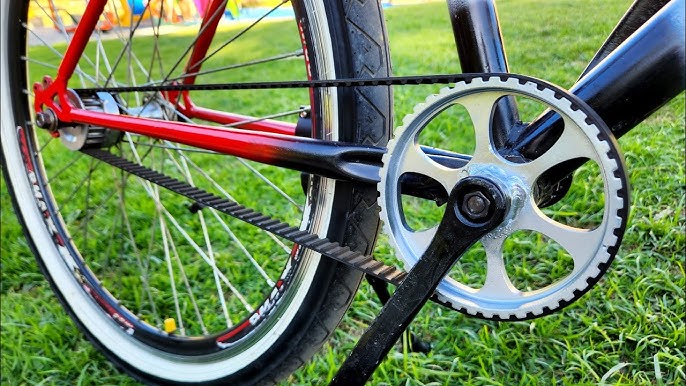


The Traditional Bicycle Chain Has a Competitor. The Belt Drive Could Be the Future of Bikes, Bringing Less Maintenance and More Durability
The bicycle has always been a symbol of sustainable and efficient mobility. With the rise of electric bicycles, new technologies are being incorporated to make the cyclist’s experience even better. One of these innovations is the replacement of the traditional chain with a belt drive.
Quieter, cleaner, and more durable, this solution has gained more and more followers. But what are the real advantages of this change? And the disadvantages?
More Durability and Less Maintenance
The belt drive, typically made of polyurethane and carbon fibers, has a significantly longer lifespan than a traditional metal chain.
-
End of the stove: new technology from Xiaomi promises to retire the old stove with a smart pot that prepares up to 16 servings in 24 minutes and has 10 automatic levels controlled by an app.

-
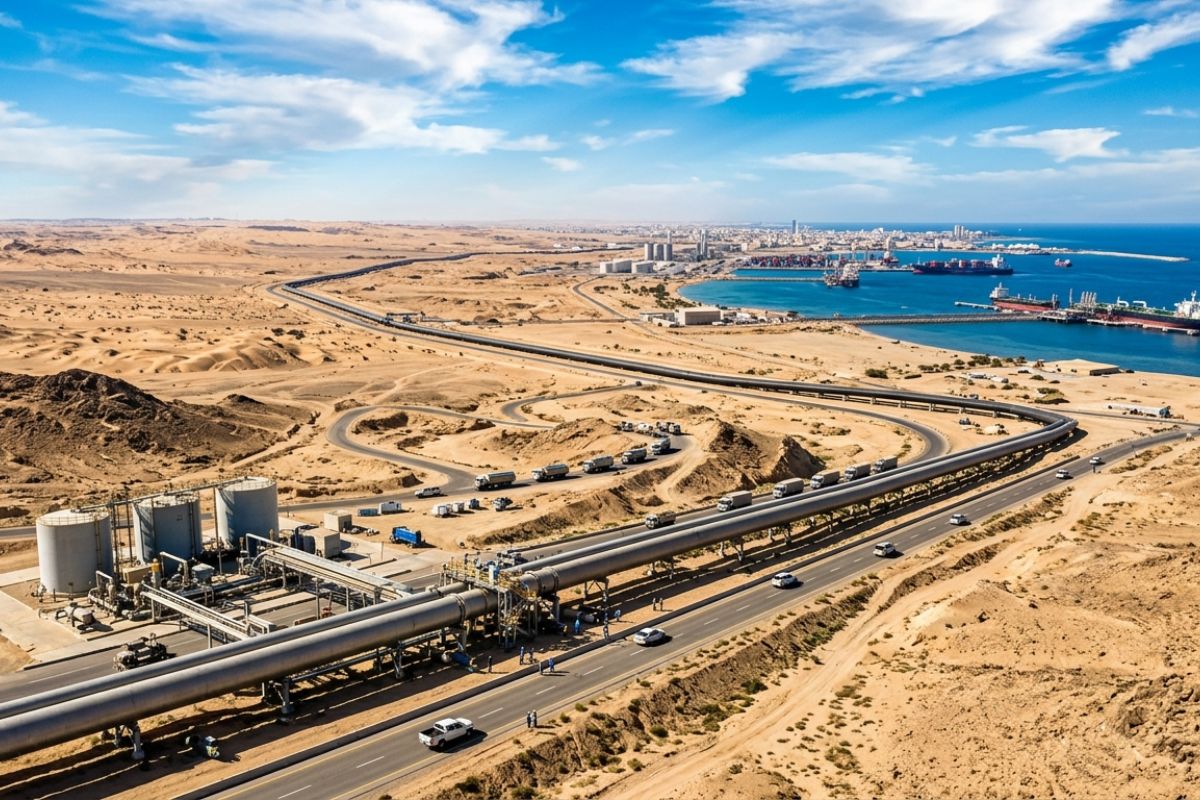
If Ormuz closes, the world freezes: the 1,200 km Saudi Petroline transports oil from the Gulf to the Red Sea, operates near 7 million barrels/day, and becomes a geopolitical weapon in the crisis with the US.
-
Scientists restore seagrass meadows in the open sea.

-
Scientists find about 1 million giant live eggs hatching in an active underwater volcano, discover a natural furnace on the ocean floor, and reveal one of the most unlikely nurseries ever seen in the ocean.

While a conventional chain usually lasts between 5,000 and 7,000 km before needing replacement, the belt can easily reach 20,000 km. This means fewer replacements and lower expenses in the long run.
Additionally, the belt does not rust and requires no lubrication, making maintenance practically nonexistent.
Just a simple clean with water is enough to remove accumulated dust and dirt. This also eliminates the hassle of grease on hands and clothes, a common problem with conventional chains.
For this reason, urban cyclists who use their bicycles as daily transportation find the belt a significant advantage, as it reduces time and costs with frequent maintenance.


Greater Comfort and Performance
One of the great advantages of the belt is the reduction of noise. Unlike the chain, which can squeak and make noise with use, the belt provides a much quieter ride.
This improves the cyclist’s experience, especially on urban routes, where fluidity and comfort are essential.
Another positive point is the belt’s ability to offer a smoother and more efficient gear transmission. In bicycles equipped with this system, it’s possible to shift gears even when stopped, something especially useful in urban traffic, where stoplights and stops are frequent.
Furthermore, the absence of lubrication eliminates the risk of dirt and grease stains on clothing, allowing cyclists to wear formal or casual clothes without worry.
This broadens the possibilities for using the bicycle, making it even more appealing for professional and leisure commuting.
The Cost Is Still a Challenge
If the advantages of the belt drive are evident, what prevents its widespread adoption? The main barrier is still cost.
Bicycles equipped with belt drives may cost between 10% and 20% more than those with traditional chains.
This factor can deter some consumers, especially in countries where price is a determining criterion in choosing a bicycle.
However, this difference tends to decrease with increased demand. As technology becomes more popular, production costs should fall, making the belt more accessible to a larger number of cyclists.
Moreover, it is important to consider that, despite the higher initial cost, savings on maintenance and replacement can compensate for this difference over time.
Is It Worth the Investment?
For those who use their bicycle daily, whether for urban commutes or leisure, the belt drive represents a significant advancement.
Durability, reduced maintenance, and comfort during pedaling are factors that justify the higher initial investment.
With this, the trend is for more and more bicycle models, especially electric ones, to adopt this technology. The increase in production and growing demand may make bicycles with belts more accessible in the near future.
If you’re looking for a practical, quiet, and low-maintenance option, it is worth considering a bicycle with a belt drive. The evolution of this technology could transform the way we move in cities, promoting more efficient and sustainable transportation.
And you, would you be willing to invest in this innovation?
Information from Neozone.








Eu creio não vele a pena porque é muito caro, tem alguns fatores que não compensa, em especial a questão das ruas cheia de buracos.
As correntes são ótimas, não acredito que correia dentada vai substituir correntes em bikes, qual vantagem? Só se for para os fabricantes. Falar em lubrificantes, vantagem das correias, não precisar de lubrificar? Óleo em correntes de bikes que rodam em estrada de terra não funciona, o óleo com a terra ou areia vira uma pasta abrasiva que come todo o sistema. Não veio vantagens.
Está pegando minha imagem da capa do vídeo., da marca registrada Metal Projetos, favor excluir para evitar problemas.