





 English
  Francês
  Alemão
  Italiano
  Japonês
  Norueguês
  Portuguese
  Spanish
  2 min of reading


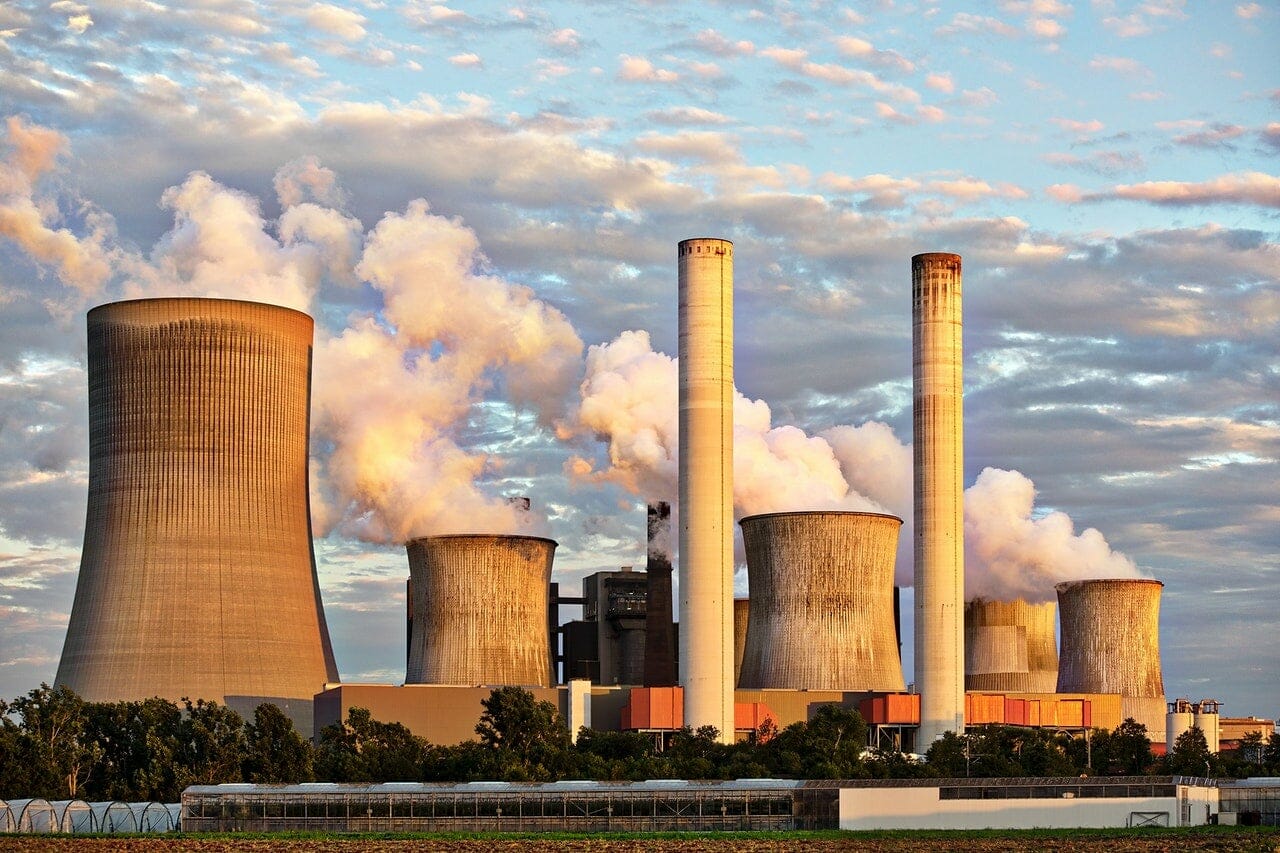
Sweden’s Plan with Nuclear Energy Is to Become 100% Free of Fossil Fuels by 2045
While Germany bets on renewable energies, Sweden has taken a different approach, turning to nuclear power generation. The country has decided to do what it sees as the obvious choice to reduce CO2 emissions by opting for nuclear energy. This article will discuss Sweden’s shift in goal from 100% renewables to 100% free of fossil fuels by 2045, and the implications of including nuclear energy in its energy targets.
The Shift in Sweden’s Energy Targets
The Swedish parliament approved a change in its energy targets, establishing that the country will be 100% free of fossil fuels by 2045. This change allows nuclear energy to be part of government energy targets. 40 years ago, the Swedish government adopted a policy of phasing out nuclear energy, but in June 2010, the parliament voted to repeal this policy. The government elected last year has been seeking to promote nuclear energy as a viable solution.
Sweden has always been a leader in renewable energy participation within the European Union, especially with biomass and hydroelectric power. However, the country recognizes the need for more electricity production, clean electricity, and a stable energy system. The state-owned utility Vattenfall plans to build at least two small modular reactors and extend the lifespan of existing reactors in the country. The shift to nuclear energy does not represent a major transition for Sweden, which has already been obtaining half of its electricity from hydro and nuclear sources for 30 years. The new target is specific to fossil fuel-free electricity, not to total energy use.
-
Fukushima Marks A Turning Point In Japan’s Energy Policy: After The Disaster, The Country Shut Down Its 54 Nuclear Reactors And, 15 Years Later, Only A Small Portion Have Returned To Operation

-
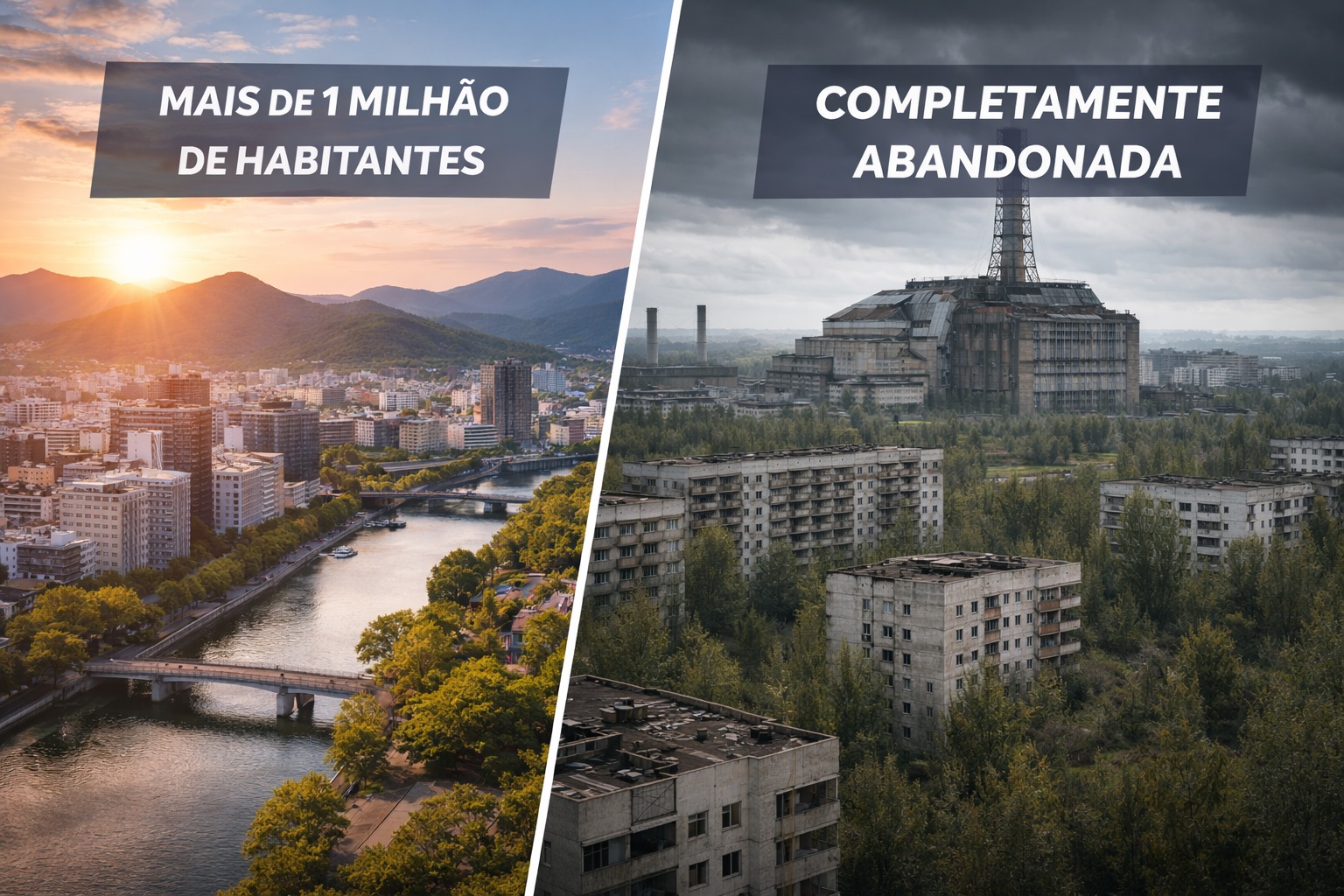
How Japan Overcame The Nuclear Bomb And Now Houses Millions In Hiroshima, While Ukraine Lost Chernobyl?
-
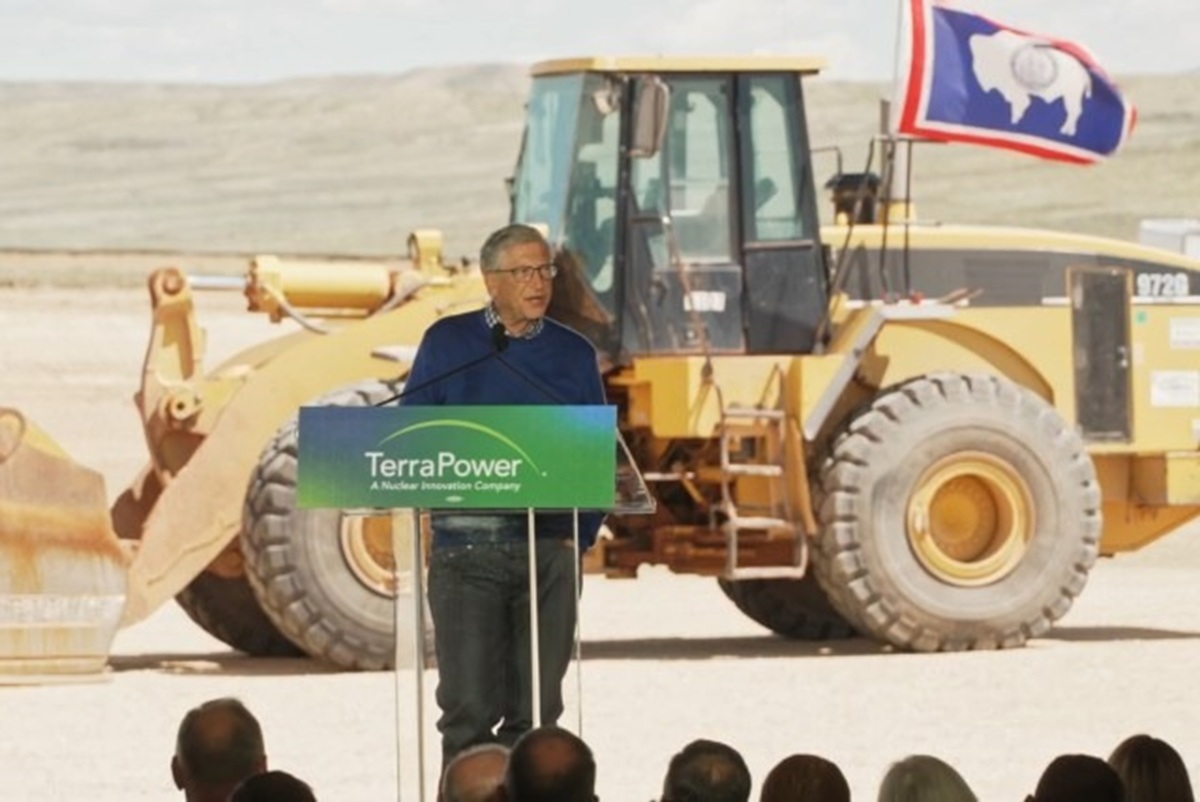
Bill Gates Receives Historic Approval to Build Giant 345 MW Nuclear Plant in the U.S. and Promises to Generate Up to 500 MW of Energy with Innovative Technology
-
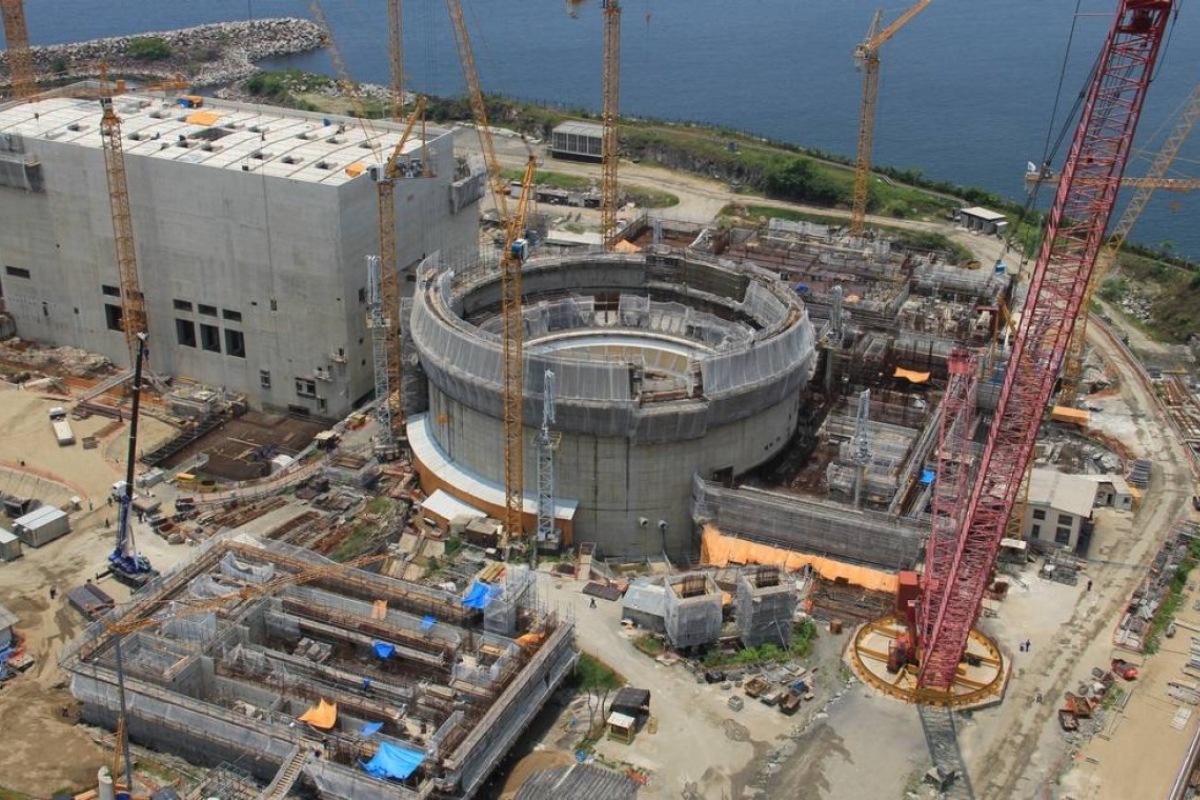
India Opens Nuclear Energy to Private Capital to Accelerate Projects and Attract Billions, While Brazil Remains Stalled at Angra 3 and Discusses Who Will Foot the Bill for Completion

Challenges and Controversies for Sweden’s Energy Transition
Although Sweden has leadership in renewable energy, it still relies on coal, oil, and gas for about 30% of its energy. The current government has cut subsidies for electric cars, relaxed requirements for carbon-neutral fuels, and supported the operation of coal-fired plants in standby mode. These measures raise concerns about meeting the 2030 emissions targets and the environmental impact. Additionally, Swedish proposals to extend subsidies for coal plants have been met with concern by the European Union, and the intention to weaken a law restoring natural habitats has also generated controversies.
Sweden has chosen to abandon renewable energies in favor of nuclear power generation as part of its strategy to become 100% free of fossil fuels by 2045. While it has been a leader in renewable energy, the country still faces challenges regarding its emission targets and controversial issues related to subsidies and environmental impact. The Swedish decision highlights the diversity of approaches adopted by countries in seeking sustainable energy solutions.








Seja o primeiro a reagir!