





 English
  Francês
  Alemão
  Italiano
  Japonês
  Norueguês
  Portuguese
  Spanish
  3 min of reading


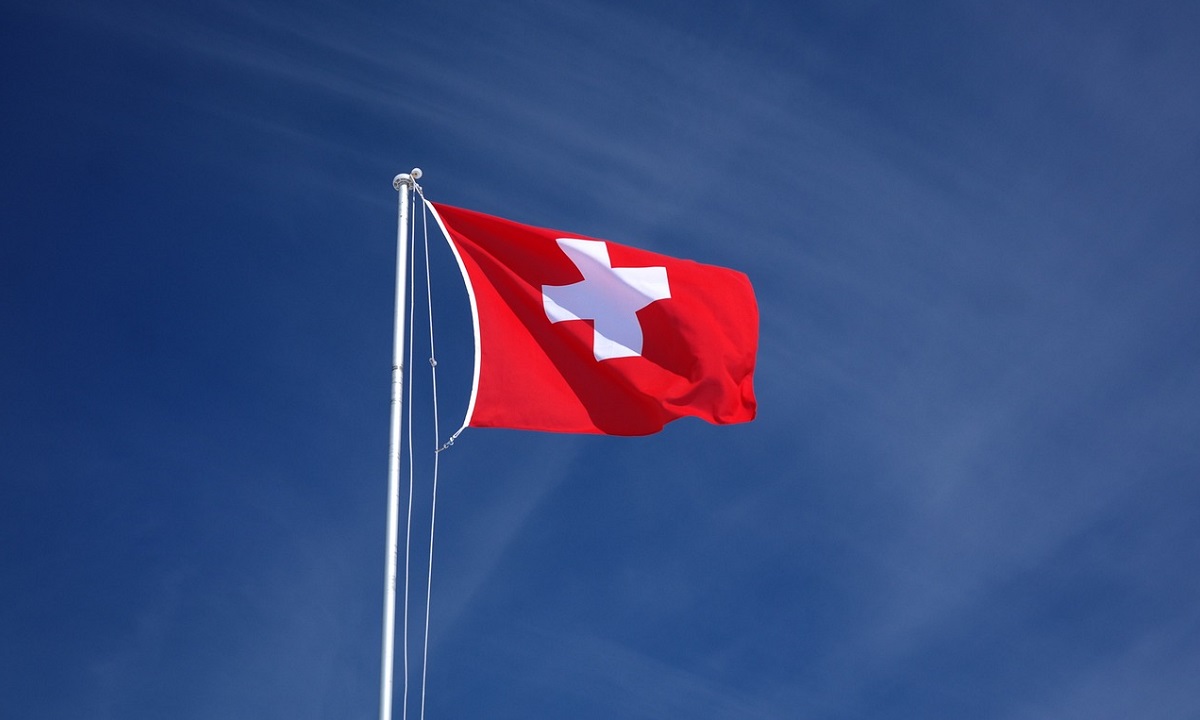
With the Shortage of Nurses in Switzerland, the Country Is Facing an Urgent Demand for Healthcare Professionals. Learn How to Compete for the Available Positions
On International Nurses Day (May 12), the Swiss Nurses Association (SBK) warned of the lack of professionals in the European country, highlighting that healthcare systems worldwide are suffering from the shortage of qualified workers, exacerbated by the health crisis in 2020, according to the website Vagas Pelo Mundo.
The International Council of Nurses (ICN) has already identified the growing shortage of nurses as a global public health emergency, urging governments to invest in nursing. In Switzerland, according to the Jobradar portal, there were 14,803 job openings for nurses, with 6,884 of them designated for highly qualified professionals.
According to the Swiss news portal SRF, Switzerland will need 14,000 new nursing professionals by 2029 to fill job vacancies in the country, both in hospitals and companies. The search for new employees has been concerning, also affecting the vocational training process.
-
Future profession with immediate earnings: Specialist reveals how a solar energy technician earns R$ 8,000 per month by taking advantage of the explosion in demand across the entire country.

-
Work from 8:30 AM to 5:30 PM with a 1-hour break at Sicredi as a Customer Service Assistant and receive a salary + benefits such as life insurance, dental plan, partnerships, Gympass, and much more in job openings across various states.

-
Subsea7 has job openings: the company has offshore and onshore positions available in 2026 for operators, pilots, supervisors, engineers, and much more.

-
Unimed is hiring candidates with and without experience! More than 10 job openings for Assistants, Analysts, Kitchen Assistants, and much more!


The situation also impacts nursing students, as revealed by a survey conducted in the country. About 71% of participants indicated that the pandemic had a negative impact on the quality of training, reporting a lack of adequate supervision during practice and deficiencies in practical skills training.
I Am Not from Switzerland, but I Want to Work There. What Now?
For foreign professionals interested in job positions in Switzerland, it is necessary to have their qualifications recognized by the Swiss Red Cross. The process to secure one of the positions includes an assessment by the SRC to determine if the training is equivalent to Swiss standards, and it may be required to complete additional training or an adaptation period.
Furthermore, it is necessary to obtain a work permit for non-Swiss professionals and those who are not from the European Union or EFTA. Additionally, it is important to check the latest information on official job portals, as requirements and processes may change over time.
Nurse Salaries in Switzerland: Average Compensation and Requirements for the Profession
According to the portal Jobs.ch, the average gross annual salary for nursing professionals in Switzerland is CHF 56,611 Swiss francs, including the 13th salary and bonuses. This data was obtained from 2,165 responses regarding nurse salaries in the country.
On the site, it is possible to see that professionals with the lowest salaries in Switzerland earn CHF 42,000 per year, while the highest-paid can earn up to CHF 79,996 Swiss francs annually.
Additionally, to apply for nursing positions in Switzerland, it is necessary to complete a three-year training program leading to a Diploma in Nursing (Dipl. Pflegefachfrau/-mann HF, Dipl. Infirmier/-ère HES). The program combines theoretical education with practical training in a healthcare environment, and some professionals choose to pursue further studies, such as a bachelor’s or master’s degree in nursing.
After completing the training and education, it is necessary to register with the Swiss Red Cross (SRC), which is responsible for recognizing nursing qualifications in the country. It is important to emphasize that proficiency in the language is essential to compete for positions, considering that Switzerland has four official languages: German, French, Italian, and Romansh.








Seja o primeiro a reagir!