





 Portuguese
  English
  Spanish
  3 min of reading
  0 comments



In The 1970s, Swiss Engineers Tested A Hot Water Powered Rocket Launch System, But The Project Ended Up Imploding Under Its Own Technical Complexity.
According to the UOL portal, In the 1970s, in the midst of the Cold War and under intense pursuit of aerospace advances, Switzerland surprised the world by attempting to boost aircraft with a hot water powered rocket. The idea seemed simple and ingenious: to use pressurized steam to generate the necessary thrust for short takeoffs, reducing the required runway space.
However, the experiment proved to be more challenging than promising. Although the proposal avoided conventional fuels and offered a significant power gain, the system ended up demonstrating risks, operational failures, and limitations that made its application in real aircraft unfeasible.
A Swiss Rocket Different From All Others
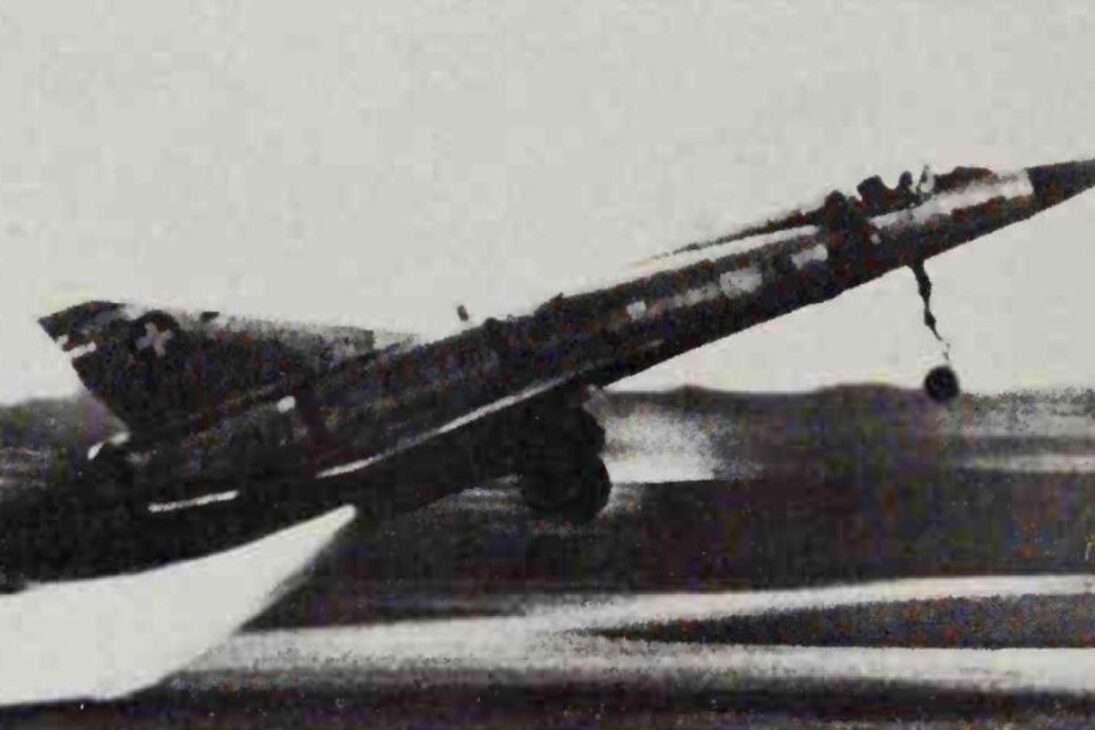
Named Pohwaro an acronym for Pulsated OverHeated WAter ROcke, the system consisted of a reservoir of heated water under high pressure.
-
In Mexico, a 3,000-year-old Maya site with the dimensions of an entire city may have been built as a colossal map of the cosmos, created to represent the order of the universe and reveal how this people organized space, time, and rituals.

-
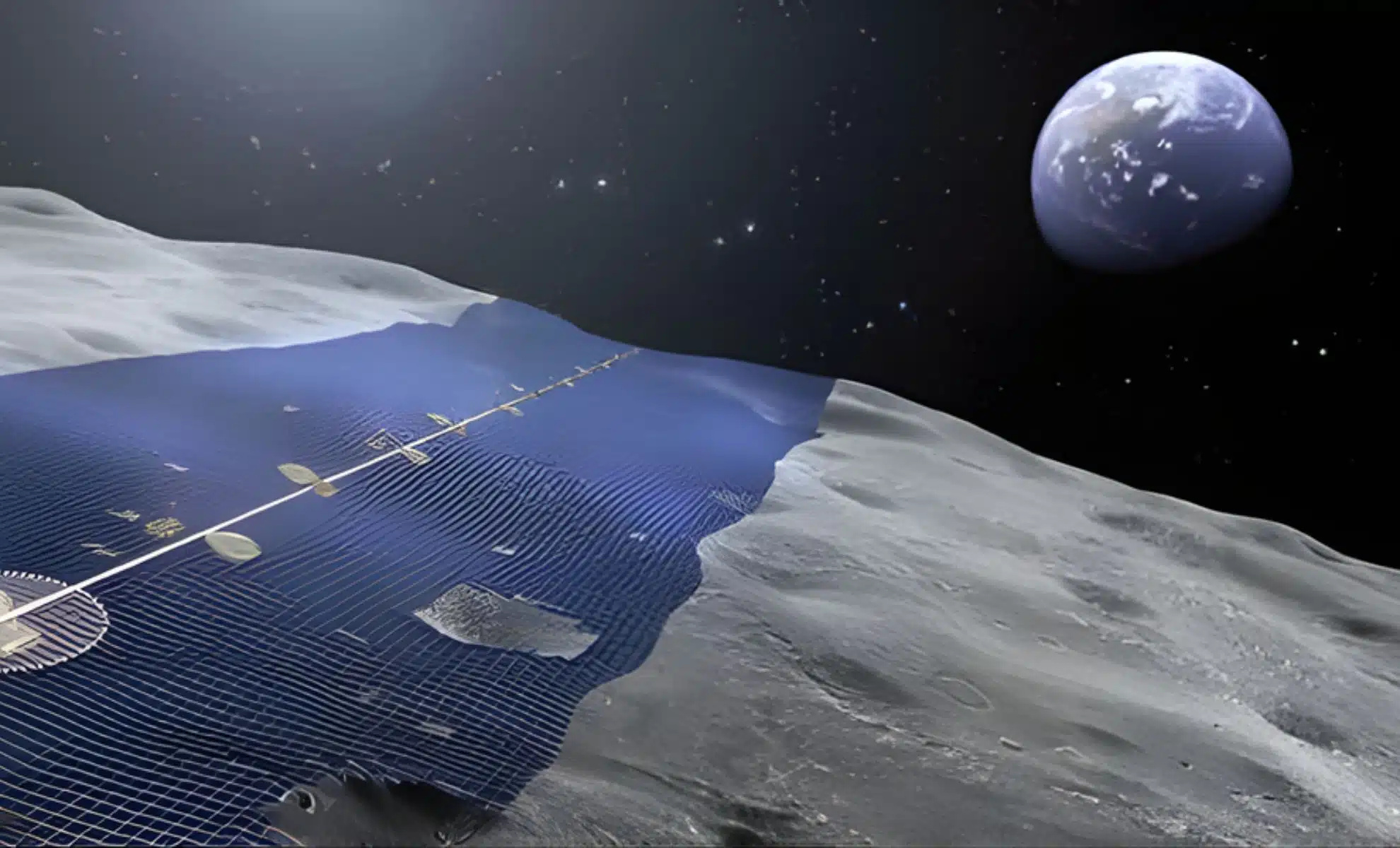
Japan wants to build a solar ring of 10,900 kilometers on the Moon to continuously send energy to Earth.
-
Weighing almost 1 ton, with temperatures of up to 3,000°C, the ability to launch 10,000 fragments within a radius of 1 km, capable of penetrating concrete and melting steel, Turkey’s terrifying bomb emerges as one of the most destructive non-nuclear weapons ever presented.

-
After a submarine disappeared beneath the “Doomsday Glacier,” scientists announce a new monstrous machine capable of operating at 3,000 meters depth to return to the heart of the ice and investigate a threat that could raise sea levels worldwide.


When released in a controlled manner through a special nozzle, the water transformed into steam and generated an explosive discharge capable of producing instantaneous thrust.
The force was remarkable: according to records from the time, the rocket generated 2.5 tons-per-second of additional thrust, sufficient to considerably shorten the takeoff space.
The project was born at the Swiss Federal Aircraft Factory (F+W), which sought innovative solutions to operate on short runways, especially in mountainous regions of the country.
Power And Danger In Equal Measure
The mechanism seemed promising but hid complex challenges. The process of pressurizing the water required precise thermal control and a robust enough structure to contain high temperatures and pressures.
Any leak represented an immediate risk of explosion or severe burns, which limited practical use.
Additionally, the system was heavy, difficult to recharge, and inefficient for successive missions.
Despite its public demonstration, the hot water powered rocket never went beyond an experiment—a creative spark that stumbled upon the limitations of engineering at the time.
An Experiment That Stayed On The Ground Of History
The Pohwaro project never equipped operational aircraft. Further tests showed that the relationship between complexity and benefit did not justify the risk.
In practical terms, the thrust gains did not justify the maintenance costs and the dangers associated with the superheated steam.
Still, the episode marks a curious moment in aerospace engineering: an era when imagination seemed as powerful as the engines.
Even without taking off, the Swiss hot water powered rocket became a symbol of a time when innovation still dared to challenge the impossible.
Do you think a system like this, simple yet dangerous, could come to life again with current technologies?








Seja o primeiro a reagir!