





 Portuguese
  English
  Spanish
 5 min of reading


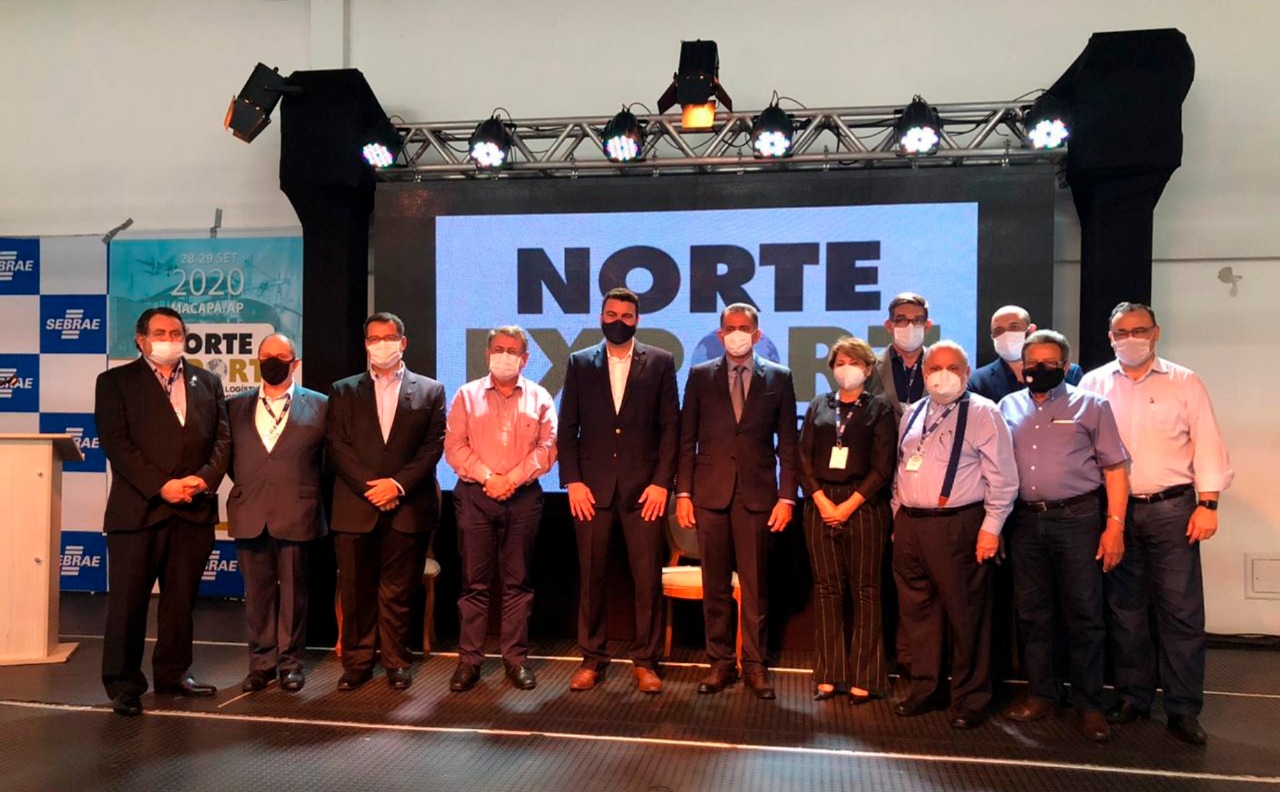
In Letter Marking Conclusion of Event in Curitiba, Sul Export Commits to Demand Public Policies from the State of Rio Grande do Sul, Not from Government
The reading of the Letter from Sul Export, on the afternoon of this Tuesday (6), concluded the activities of the Regional Forum on Logistics and Port Infrastructure held in Curitiba, Paraná. It was also announced that Sul Export 2021 will take place in the State of Rio Grande do Sul.
Read Other Recent Topics Related to Exports
- Debate on Oil and Gas Market in the North Concludes Regional Forum of Brazil Export
- Agro-Business Exports Total Nearly US$ 9 Billion in August
- Brazil’s Oil and Derivatives Export Sets Record
Over two days, specialists, leaders of sector entities, entrepreneurs, and authorities gathered for lectures and panels to discuss the main challenges of transportation operations in the region and their impacts on national logistics.
The Letter from Sul Export was read by Jesualdo Silva, president of the Sul Export Council and CEO of ABTP (Brazilian Association of Port Terminals). The document provides a summary of the event and, among other things, outlines guidelines such as demanding the federal government to establish public policies that serve the state, not just the government for the sector. “Sul Export commits to demanding the Federal Government the creation, development, and implementation of state public policies and not government policies, aiming to improve logistics with sustainability,” states a part of the document.
-
With 74% of companies facing difficulties in hiring, technicians and engineers in renewable energy are becoming scarce in Brazil and are essential to support the expansion of solar, wind, and green hydrogen projects.

-
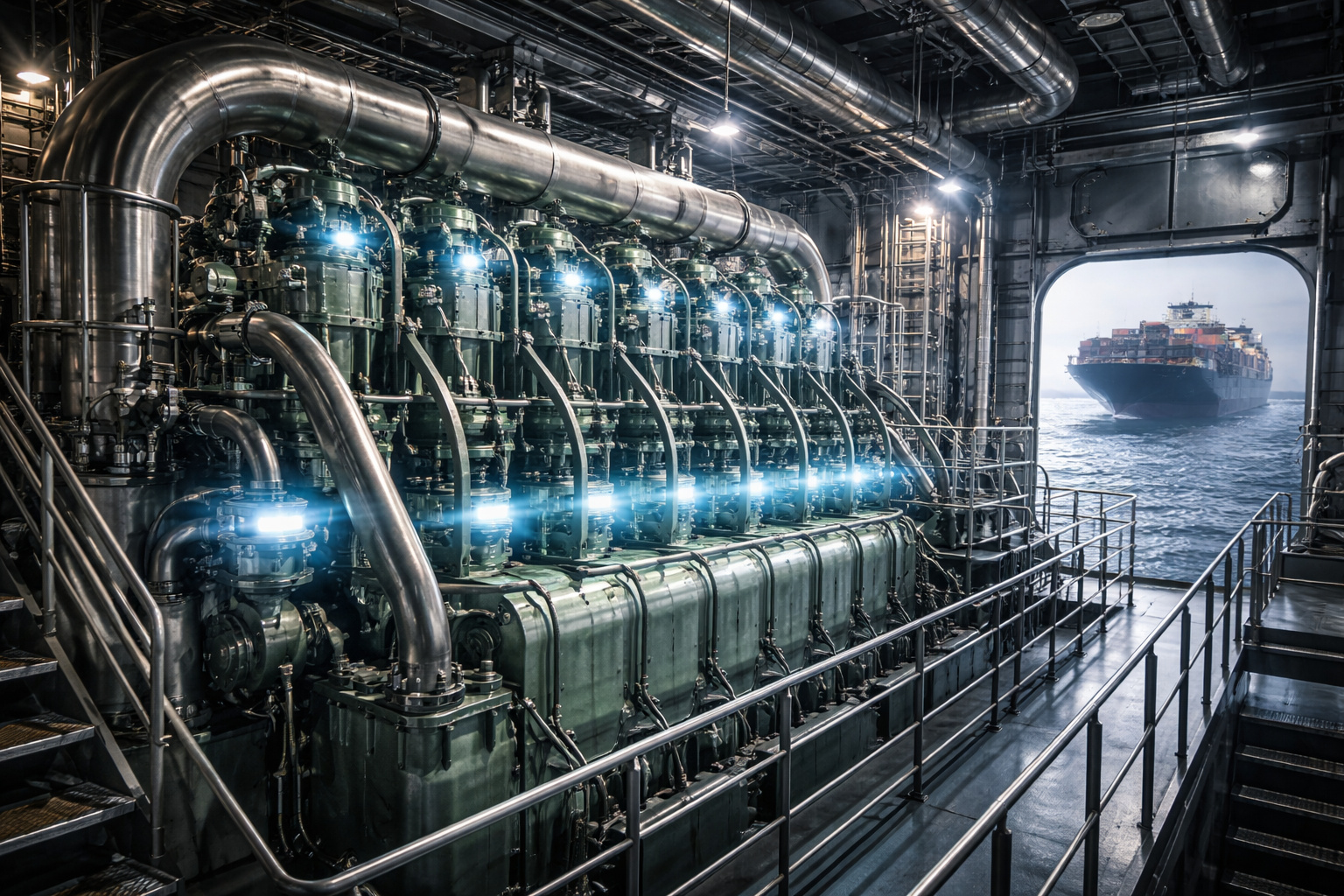
Europe is trying to create an ammonia-powered marine engine without auxiliary fuel, which could unlock the race for giant emission-free ships. The technology aims to eliminate one of the biggest obstacles to clean maritime propulsion.
-
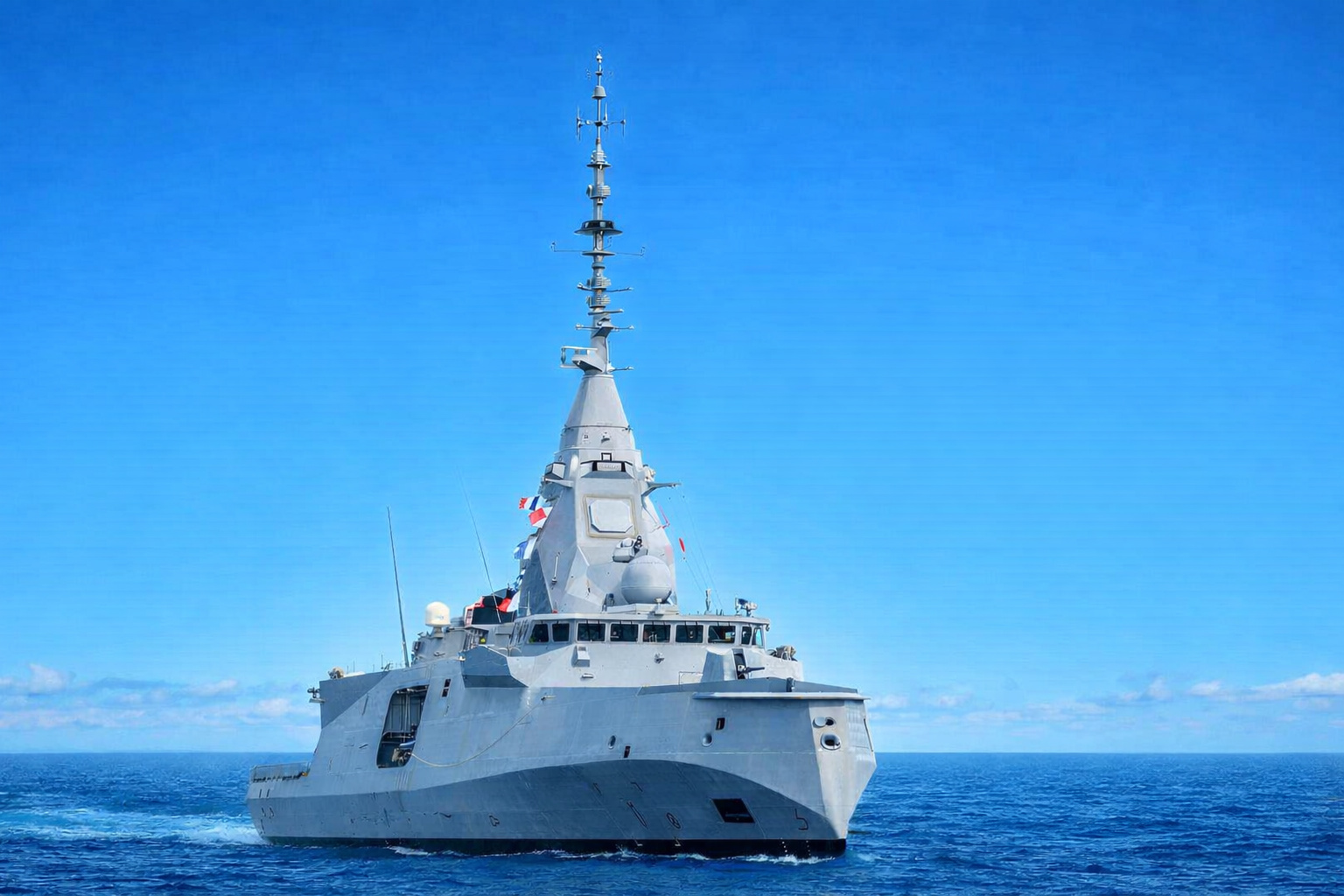
A 4,500-ton frigate with just over 100 crew members, state-of-the-art radar, and cruise missiles is being touted as the new standard of naval warfare in the 21st century.
-
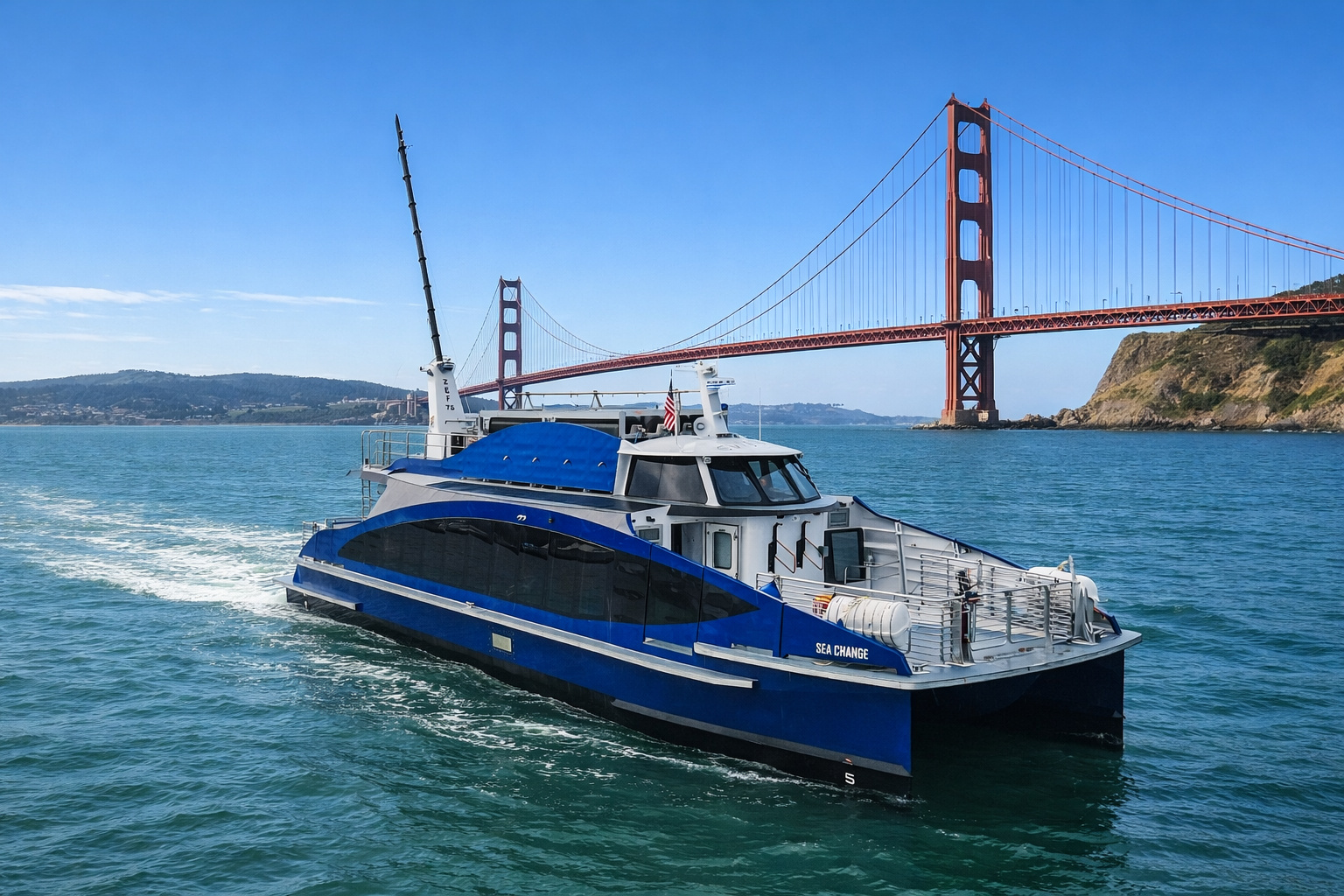
The first commercial hydrogen-powered ferry enters operation in the U.S., eliminates the use of diesel, uses fuel cells to generate clean energy on board, and transforms San Francisco Bay into a landmark of the new era of emission-free navigation.
The Sul Export Letter recalls the importance of the sector for Brazil. “Logistics, as we have emphasized several times, is strategic for the planning of the present and future of Brazilian society in the contemporary globalized world,” states another part of the document.
The message of the Sul Export Letter aligns with the speech of the national secretary of Ports and Waterway Transport of the Ministry of Infrastructure, Diogo Piloni. While opening the event on Monday afternoon, the secretary stated that this is the posture adopted by the federal government.
“We would like to affirm that infrastructure is, for us, a state agenda, not a government agenda. We are working on many fronts. We will invest R$ 50 billion in infrastructure over eight years, and, in the port sector, by 2022, there will be more than 30 auctions for port areas, which will receive investments of over R$ 10 billion,” said Piloni.
Debates
The topics discussed at Sul Export were of such relevance that executives blocked their schedules just to participate in the debates, whether as speakers, panelists, or simply as spectators. They participated both in person, on the stage set up at the Bourbon Hotel, and remotely via Zoom. This fact caught the attention of the Portos RS leader, Fernando Estima. “You cause havoc in our schedules. Wonderful! You are providing a service at a time of technological revolution. We have never talked so much,” he said humorously.
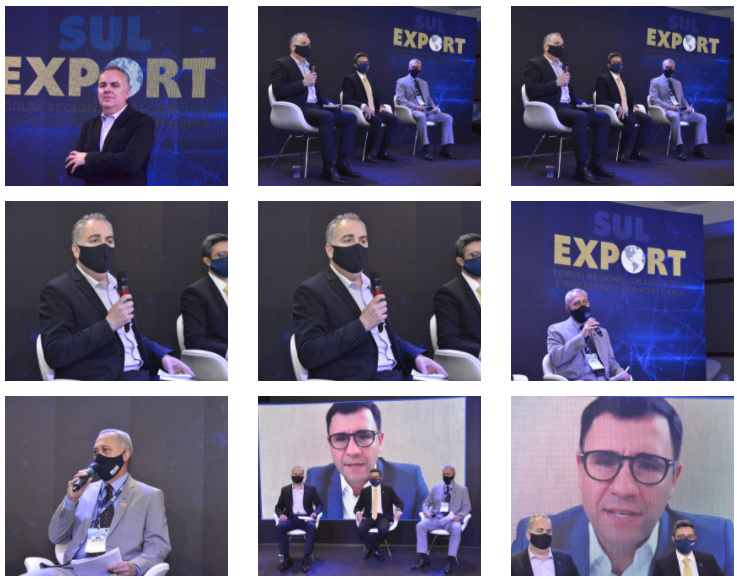
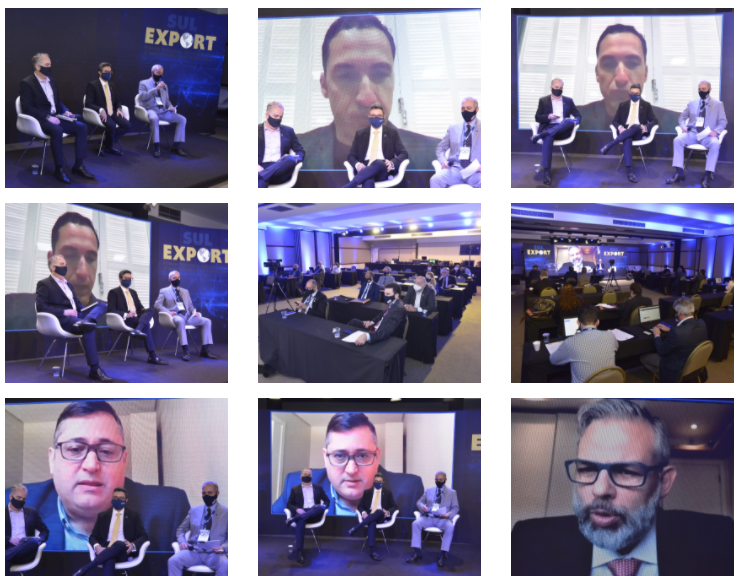
Sul Export featured names such as:
- Angelino Caputo e Oliveira, executive director of ABTRA (Brazilian Association of Terminals and Customs Warehouses);
- port leaders from the region: Luiz Fernando Garcia da Silva (Ports of PR) and Fernando Estima (Ports of RS);
- Mário Povia, national advisor of Brazil Export and director of Docas do Rio; Cleber Lucas, president of ABAC (Brazilian Association of Cabotage Shipowners);
- Cleiton Vargas, vice president of Yara Brasil; Osmari de Castilho Ribas, administrative director of Portonave;
- Benjamin Gallotti, founding partner and manager of Gallotti Advogados;
- Djalma Vilela, CEO of Multilog and João Arthur Mohr, from Fiep (Federation of Industries of the State of Paraná), among others.
Among the highlights of the meeting were the discussions on dredging, which, as well pointed out in the Sul Export Letter, is one of the main challenges facing the region’s ports. Another important topic was the issue of privatization, which is at the core of the federal government’s strategy, which has already announced its intention to auction 30 port areas by 2022. One such auction is for the vehicle terminal at the Port of Paranaguá, set for next December.
The future of the productive sector, including agroindustrialization, and ways to add value to commodity production were also focuses of attention for specialists and authorities during these two days. As reminded by Cleiton Vargas, vice president of Yara Brasil, the new generations will dictate how industrialization will proceed. “Consumers will want to know where this food was produced,” Vargas stated. He emphasized that the traceability process will be essential, and for that, much more will need to be done regarding port infrastructure.
Finally, the panel that addressed multimodality reinforced the importance of BR do Mar as a catalyst and driver of new business for the sector. Despite being a capital project for the sector, João Arthur Mohr, manager of strategic affairs at Fiep (Federation of Industries of the State of Paraná), stated that the sector’s problems depend heavily on the agents involved. “Do we have cabotage problems? It only depends on us to solve them. Do we have issues in ports and highways? It only depends on us to find a solution to make this Brazil better,” he said.
São Paulo is the Next Stop
The next edition of the Regional Forum on Logistics and Port Infrastructure is Southeast Export, scheduled for the 18th and 19th in São Paulo. As already occurred in Macapá (North) and Curitiba (South), the event will be hybrid. A limited number of participants, speakers, and guests are assembled in person, following all the norms recommended by health authorities due to the COVID-19 pandemic, while another portion of this audience participates via Zoom, the same tool used by the audience to watch the event.
Registration for Southeast Export is now open and can be done by accessing the link http://forumbrasilexport.com.br/inscricoes/sudesteexport





Seja o primeiro a reagir!