





 Portuguese
  English
  Spanish
  3 min of reading
  2 comments





Labor Court Ordered Compensation of R$ 5 Thousand for Existential Damage and Payment of Overtime to Cashier Subjected to Abusive Work Hours for Nine Months.
The 7th Panel of the Regional Labor Court of the 9th Region (PR) condemned a supermarket for subjecting a cashier to work hours of up to 14 hours a day, six days a week, with no breaks for nine months. The decision recognized the violation of fundamental rights and established compensation for existential damage, in addition to payment for overtime.
The rapporteur, Judge Luiz Eduardo Gunther, compared the situation to conditions during the Industrial Revolution, highlighting that the exhausting work hours deprived the worker of family life, leisure, and opportunities for development.
The ruling reinforces the interpretation that excessive working hours can constitute damage beyond the financial aspect.
-
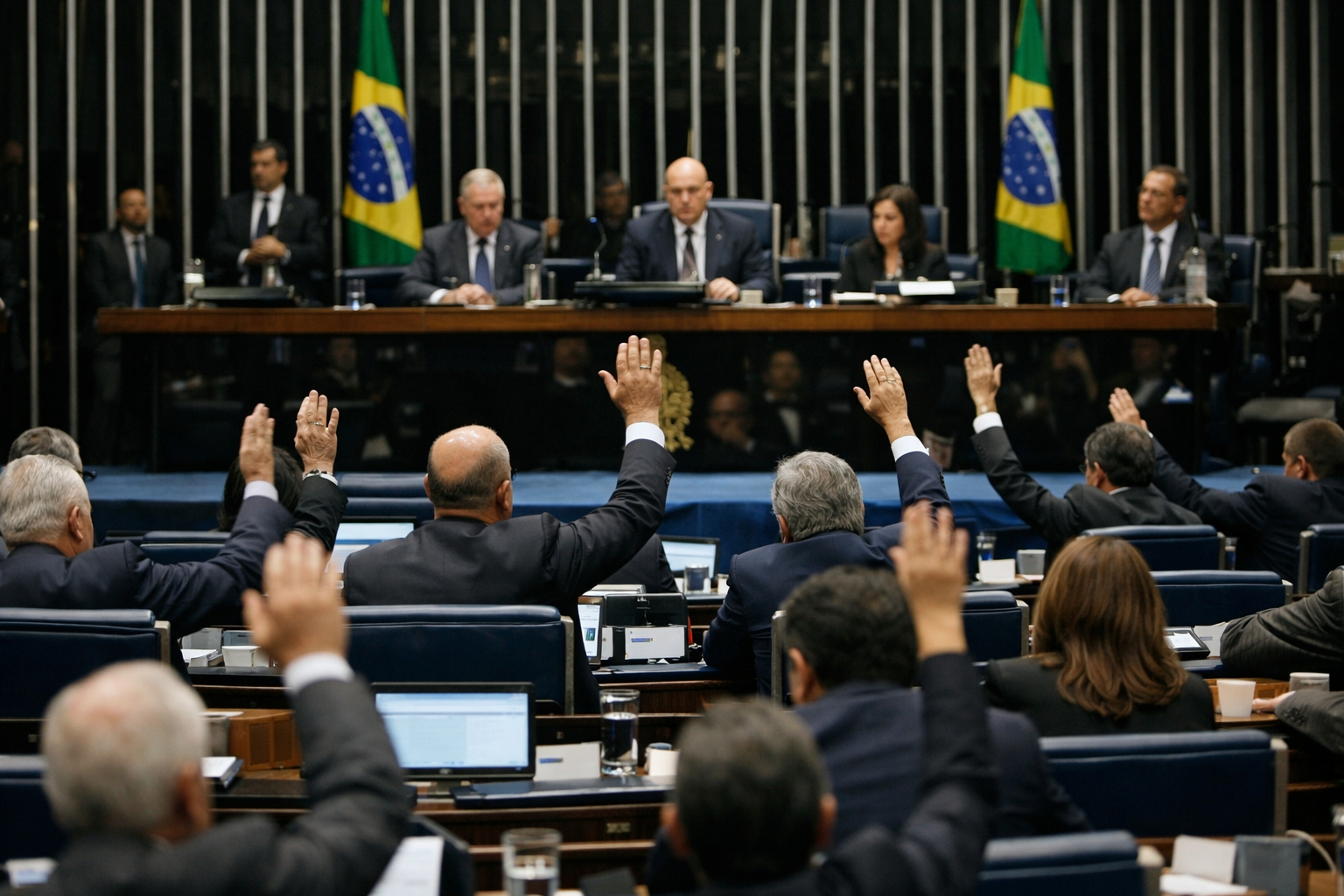
The Senate approves a bill that criminalizes misogyny, hatred, or aversion towards women, and includes the crime in the Racism Law with a penalty of up to 5 years.
-
Chamber Approves Bill That Allows Pepper Spray for Women Over 16 and Imposes Strict Rules for Purchase, Possession, and Use as Self-Defense

-
Chamber Approves Law to Combat Leucaena, Fast-Growing Plant That Dominates Land and Threatens Native Species in Various Regions of the Country

-
Asset Division: Know What Cannot Be Divided in Case of Divorce


The Abusive Work Hours and the Recognition of Damage
According to the Conjur portal, the case involves a cashier hired in February 2022, with a schedule from 7 AM to 6 PM, from Monday to Saturday, and only one hour of break. Despite the contract, the practice resulted in more than 14 hours of daily work.
Witnesses confirmed that the routine lasted for nine months, during which the worker had no weekly breaks.
The TRT recognized that the situation violated basic constitutional principles of protection for the dignity of the worker.
For the panel, excessive overtime and the lack of breaks constituted harm to the employee’s personal and social life, underpinning the compensation of R$ 5 thousand for existential damage.
The Attempt to Classify as a Manager
Starting in May 2022, the supermarket began paying a 40% bonus under the title of cashier manager. The company claimed that, due to being covered by Article 62 of the CLT, the position was not subject to time control, exempting the payment of overtime.
However, the court dismissed this argument. It was proven that the worker did not have management autonomy or command powers comparable to those of the employer.
In other words, the title of “manager” was merely a label to justify the absence of rights, without basis in the reality of the position held.
The Understanding of Labor Justice
According to rapporteur Luiz Eduardo Gunther, although there are rulings denying compensation for extended working hours, in this case, there was an evident violation of the worker’s personal life.
The excess prevented family interaction, participation in cultural and sports activities, in addition to the right to rest, which characterizes presumed existential damage.
The decision emphasizes that the repeated noncompliance with legal limits on working hours affects not only the worker’s finances but also compromises their health, well-being, and social balance.
For the TRT, financial reparation serves a pedagogical and preventive function, discouraging abusive practices in the retail sector.
Impacts on the Labor Market
The case draws attention to a common reality in high turnover segments, such as supermarkets and retail.
The attempt to disguise roles to evade labor rights is still recurrent, and the ruling reinforces that the reality of work prevails over contractual nomenclature.
Experts highlight that the jurisprudence on existential damage is still developing, but tends to gain strength in situations of abusive hours and lack of rest.
The ruling serves as a warning to employers seeking to cut costs at the expense of the health and dignity of their employees.
And you, do you believe that decisions like this actually curb abuses, or is the problem still deeply rooted in the retail sector? Is Justice fulfilling its role, or is it still inadequate in the face of the reality faced by thousands of cashiers?
Leave your opinion in the comments; we want to hear from those who live this daily.










Ocorreu comigo, em 2016, após 2 anos de jornadas de 10/11 hs, num cargo de “chefia” mascarado pelo empregador. O resultado foi uma indenização acima de 50 mil, por conta de direitos não remunerados na ocasião do trabalho.
Positivo. As empresas devem entender que o funcionário deve ser visto com parte integrante da empresa e não como uma pessoa que diminui o lucro do patrão.