





 Portuguese
  English
  Spanish
  3 min of reading
  0 comments


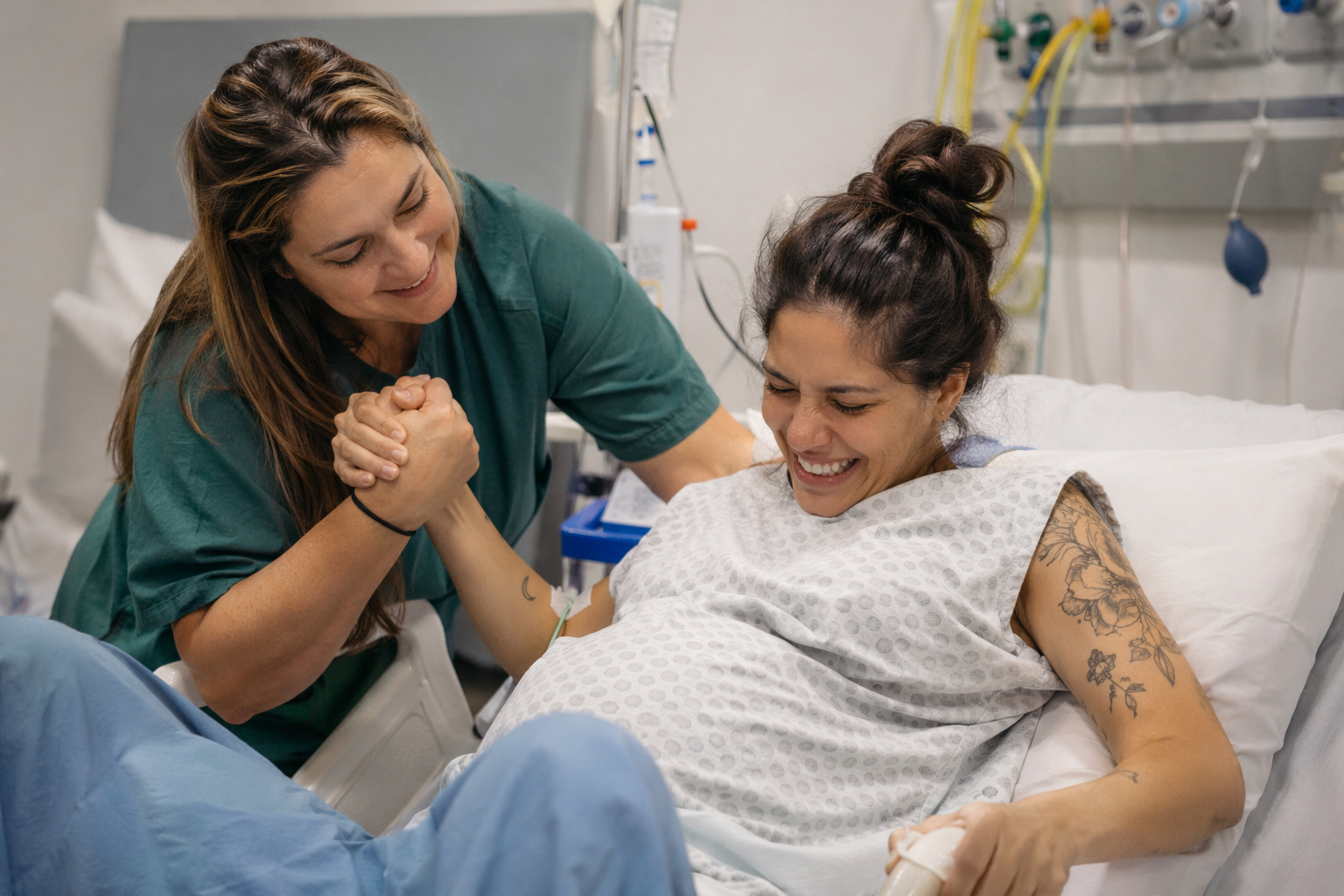
Understand how support with doulas strengthens in the country, what functions are exercised, and how this support impacts the experience of the pregnant woman
Brazil made progress in 2026 in how it supports pregnant women during one of the most important moments of life. President Luiz Inácio Lula da Silva officially enacted measures that strengthen the presence of doulas in caring for pregnant women.
The initiative was presented at the Palácio do Planalto, with participation from the Minister of Health, Alexandre Padilha, as well as authorities from Congress. The central objective is to expand support during pregnancy, childbirth, and postpartum, ensuring more welcoming and informative care.
Support with doulas expands in Brazil
Doulas are now taking on a more defined role in caring for pregnant women. These professionals provide physical, emotional, and informational support, contributing to a safer and more humanized experience.
-
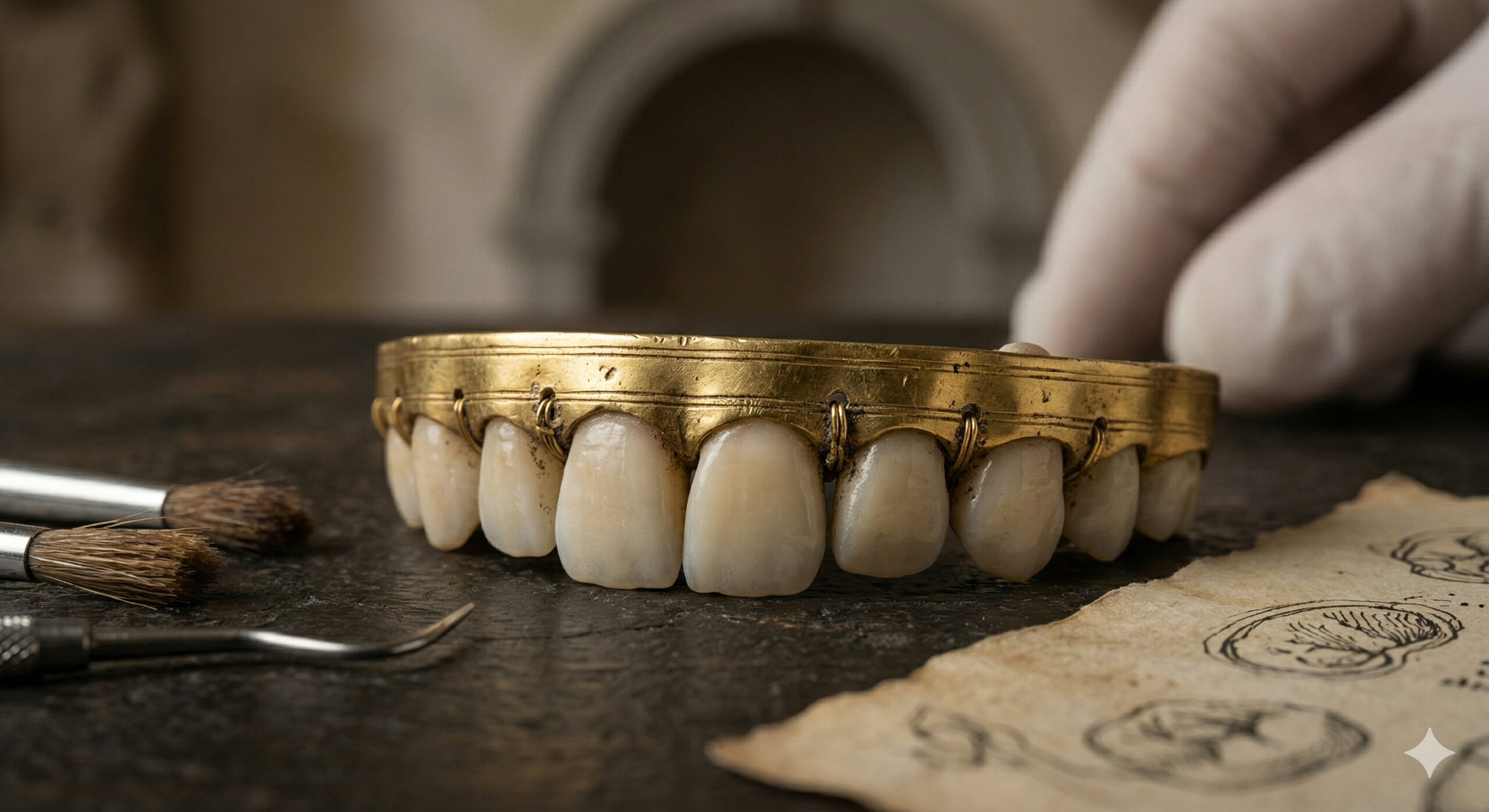
In Italy, archaeologists analyzed a dental prosthesis from the 16th or 17th century made with five human teeth held together by a gold band, revealing a level of dentistry much more advanced than previously thought.
-
After 200 years, blue and yellow macaws return to Rio with the release of 4 birds in Tijuca Park.

-
The glaciers of the Himalayas are melting faster than any previous forecasts indicated, and scientists warn that changes in the monsoons could leave millions of people without drinking water, irrigation, and energy in India, Nepal, and Bangladesh.

-
Every day, before the sun rises, tractors go out to clear a road that the desert tries to swallow throughout the night, because in the United Arab Emirates there is a highway that cuts through the largest continuous sand sea on the planet, passing alongside dunes 300 meters high and melting the soles of any shoe that touches the asphalt in the summer.

This support occurs without replacing doctors or nurses. The assistance acts as a complement to traditional care, respecting the limits of professional practice.
The pregnant woman can count on the presence of a doula during childbirth. This right applies to both the public and private sectors, expanding access to specialized support.
How support works during each phase
During pregnancy, the doula provides guidance based on scientific information. The work includes encouraging prenatal care, strengthening preparation for childbirth.
At the moment of birth, the support involves breathing techniques, suggestions for positions, and natural pain relief methods. Among them, massages and warm baths stand out.
In the postpartum period, the support continues. The professional assists with breastfeeding and care for the newborn, offering practical and emotional support.
Limits ensure complementary action
The role of doulas follows clear rules within the hospital environment. These professionals do not perform medical procedures and do not use clinical equipment.
They also cannot administer medications. The focus remains on non-clinical care, avoiding overlap with health teams.
This definition of roles organizes the sector. The result is an integrated action, without conflicts with doctors and nurses.
Training and experience become required
To work as a doula, it is necessary to have completed high school and specific training, with a minimum load of 120 hours. This requirement strengthens professional qualification.
Those who have been working in the field for more than three years can continue to perform the role. In these cases, it is necessary to prove practical experience.
During the announcement, Lula emphasized the importance of making care more humane. The president stated that the country is evolving towards a more welcoming model at the time of childbirth.
More humanized care gains space
The presence of doulas reinforces comprehensive care for women. The model enhances attention to physical and emotional well-being throughout the entire pregnancy.
Brazil is advancing by integrating different forms of support in childbirth. Do you think this change can transform the experience of pregnant women in the coming years?









Seja o primeiro a reagir!