





 Portuguese
  English
  Spanish
  5 min of reading
  0 comments


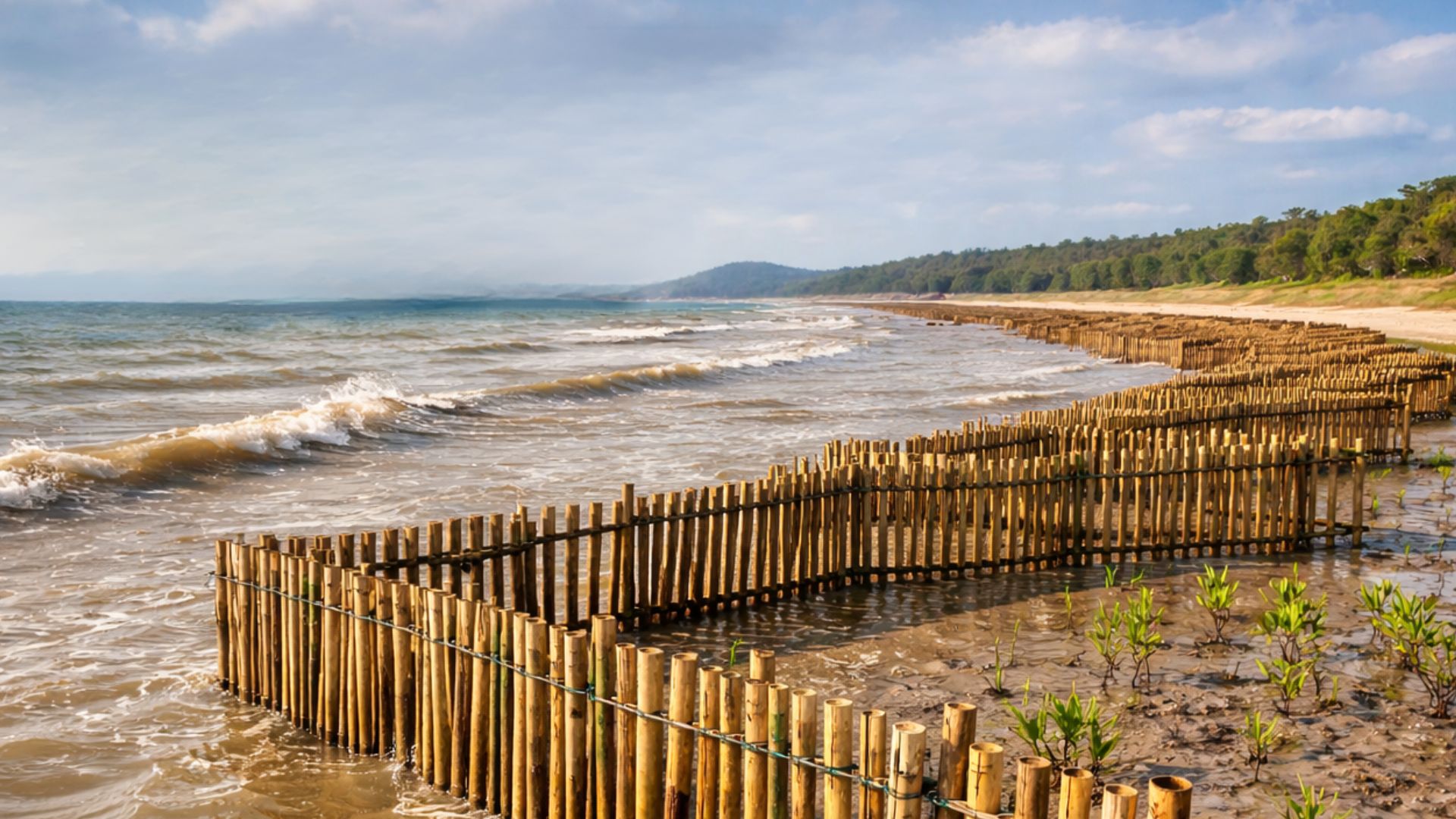
Simple Wooden Structures Used to Retain Sediments Transform Eroded Stretch of Suriname Coast into Climate Adaptation Laboratory, Combining Light Engineering and Mangrove Restoration to Reduce Land Loss, Contain Sea Advance, and Restore Natural Protection in Vulnerable Area Near Paramaribo.
On the coast of Weg naar Zee, in the coastal area of Paramaribo, Suriname transformed a visually low-complexity solution into the axis of local defense against erosion.
The project brought together eight permeable sediment retention structures along approximately 1 kilometer of coastline, exactly in a stretch that had recorded losses of up to 27 meters of land in a single year, according to Conservation International Suriname and the PANORAMA platform.
The intervention gained attention beyond the country because it did not limit itself to containing sea advance with a rigid barrier.
-
These living root bridges and ladders are over 700 years old and help indigenous people survive in one of the rainiest regions in the world.

-
From sertanejo star to international investor: Ana Castela invests millions in a mansion in the USA, creates a themed accommodation in Orlando, and shows that the “boiadeira” also wants to grow away from the stage.

-
The 10 most stunning motorhomes in the world: a $3 million trailer with a rooftop nightclub and garage for a Ferrari, “palaces on wheels” with Italian marble, private cinema, and five-star hotel luxury for billionaires.
-
Trump wanted to spend $400 million on the White House, but the courts prohibited the million-dollar construction.


The proposal was to create conditions for the environment itself to regain some of the lost protection, allowing the deposition of fine mud, reducing wave energy, and later regenerating the mangrove in an area where erosion was already affecting residents, agricultural production, and spaces of religious and cultural value.
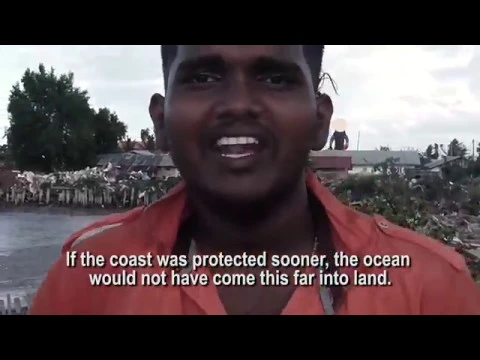
According to Conservation International, over 3,000 people lived exposed to frequent flooding and land degradation after the removal or conversion of mangrove areas for agriculture, fish farming, and settlements.
In this coastal stretch, the loss of vegetation ceased to be merely an ecological change and began to affect the economic and social routine of a region known as one of the agricultural areas surrounding the Surinamese capital.
How Permeable Dikes Work in Erosion Control
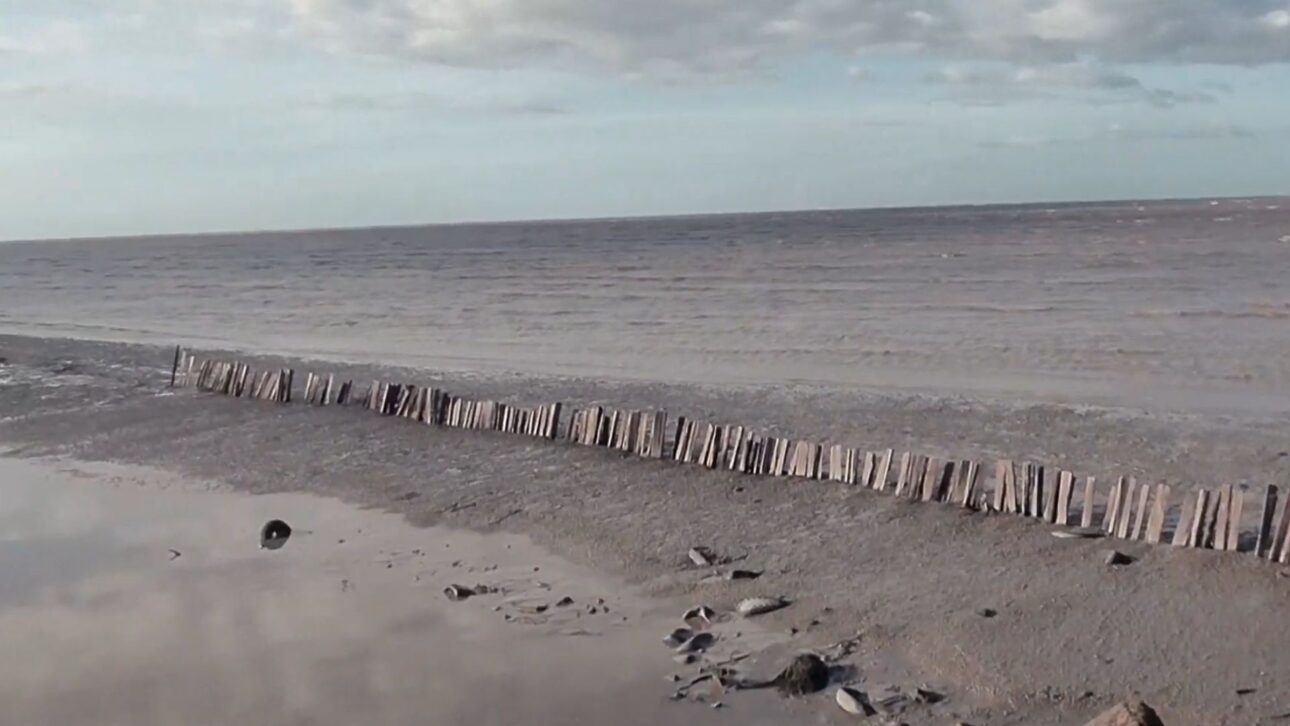
The logic of the method is less about blocking water than about reorganizing coastal dynamics.
Instead of completely sealing the coastal strip, the dikes allow water to pass through and reduce its strength, favoring the retention of sediments brought by the sea.
As this material accumulates and stabilizes, the land returns to offer the appropriate level and consistency for the natural return of mangroves.
This principle appears recurrently in technical references on the subject.
The study “Managing Erosion of Mangrove-Mud Coasts with Permeable Dams,” published in the journal Ecological Engineering, describes that the basic philosophy of these structures is to restore the net sediment balance to reconstruct the habitat necessary for mangroves.
The same work emphasizes that performance depends on accurately reading local conditions, maintenance over time, and the involvement of communities and authorities.
In Weg naar Zee, the solution was adapted to a muddy and very flat coast, where small changes in sediment transport directly affect the advance or retreat of the shoreline.
A report from Deltares notes that this coastal stretch has been experiencing erosion for possibly over 150 years, although there is solid evidence of continued retreat at least in recent decades.
Weg naar Zee and the Impact of Erosion on Residents and Agriculture
The vulnerability of Weg naar Zee had already been recorded in risk studies before the project’s expansion.
A World Bank report on flooding in Paramaribo indicates that in February 2015, spring tides combined with strong wave action caused significant flooding.
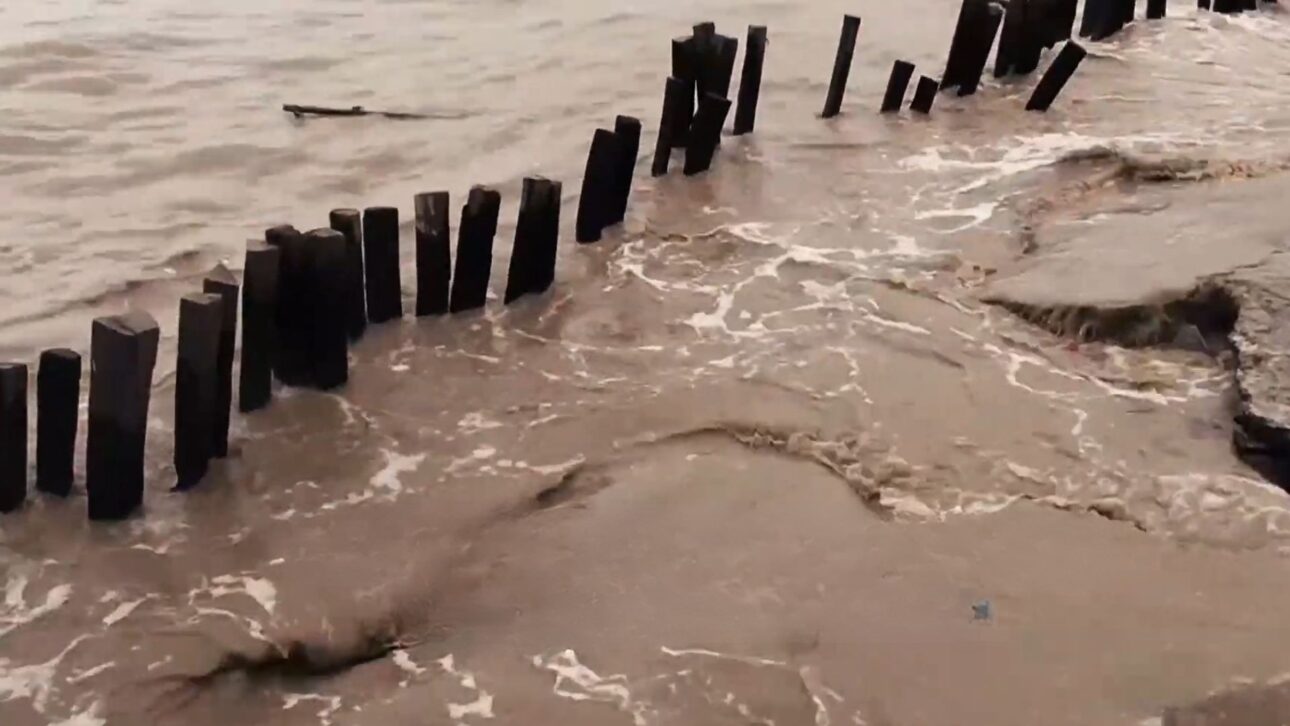
The events damaged the existing coastal defense and affected points such as the crematorium and the Hindu temple in the region.
The same document highlights that Suriname’s muddy and gently sloping coast helps dissipate some of the wave energy but does not eliminate the risk of severe damage when high tide coincides with adverse weather conditions.
It also notes that coastal flooding tends to be particularly destructive to agriculture due to saltwater.
Salinization harms crops, corrodes structures, and can compromise the soil for extended periods.
It was in this context that the approach known as Building with Nature began to be seen as a more suitable alternative for the local reality.
The initiative was designed to increase resilience in 10 kilometers of eroding coastline, combining light civil engineering, sediment management, mangrove rehabilitation, and socioeconomic measures aimed at coastal adaptation.
Sediment Recovery and Mangrove Return
The initial results attracted attention for the speed with which the landscape responded.
Reports from environmental organizations indicate that, in less than a year, there was already enough sediment to support the establishment of new mangroves.
This process helped the natural recovery of the coastline.
The initial performance also attracted new local investors and expanded interest in expanding retention units.
The trajectory of the project helps to understand how the initiative moved from the pilot phase.
The experience began with an experimental dike developed by Professor Sieuwnath Naipal of the Anton de Kom University of Suriname, with support from Conservation International Suriname.
After the positive response observed on-site, the project received new financial impetus for the installation of additional structures along the coastal stretch.
Green-Gray Strategy Combines Engineering and Nature

Conservation International itself summarizes the case as an example of climate adaptation where permeable wooden structures work alongside ecological restoration.
Instead of completely replacing the lost natural defense, the model aims to rebuild it.
This framing has come to be described in technical and institutional documents as a green-gray strategy, in which built elements and restored ecosystems work together against erosion and flooding.
Mangroves Return to Act as Natural Barrier
The recovery of the mangrove is crucial because this ecosystem serves as a living barrier against the energy of the sea.
By reducing wave force, retaining sediments, and stabilizing the land, mangroves reinforce coastal protection.
This process also helps to decrease the exposure of communities and productive activities located in low-lying areas.
Recent studies on nature-based solutions in mud-mangrove coasts highlight precisely this habitat recomposition as a central step for protection to regain scale and durability.
In the Surinamese case, the backdrop is even more sensitive because a large part of the country’s population is concentrated in low-lying areas of the coastal plain.
International reports on climate adaptation continue to treat Weg naar Zee as a critical zone.
These documents mention the rehabilitation of the mangrove through sediment retention units and the combination of these solutions with other coastal protection works.
What makes Weg naar Zee a case observed beyond the borders of Suriname is the inversion of logic it represents.
On a coast marked by prolonged retreat, the most visible response was not to erect a continuous wall.
The strategy has created conditions for sediment, vegetation, and permeable structures to work together again in reconstructing the shoreline.
By repositioning the mangrove at the center of coastal defense, the experience shows how ecological restoration can take on a direct territorial protection function.






-

-

-

-

5 pessoas reagiram a isso.