





 Portuguese
  English
  Spanish
  3 min of reading
  0 comments


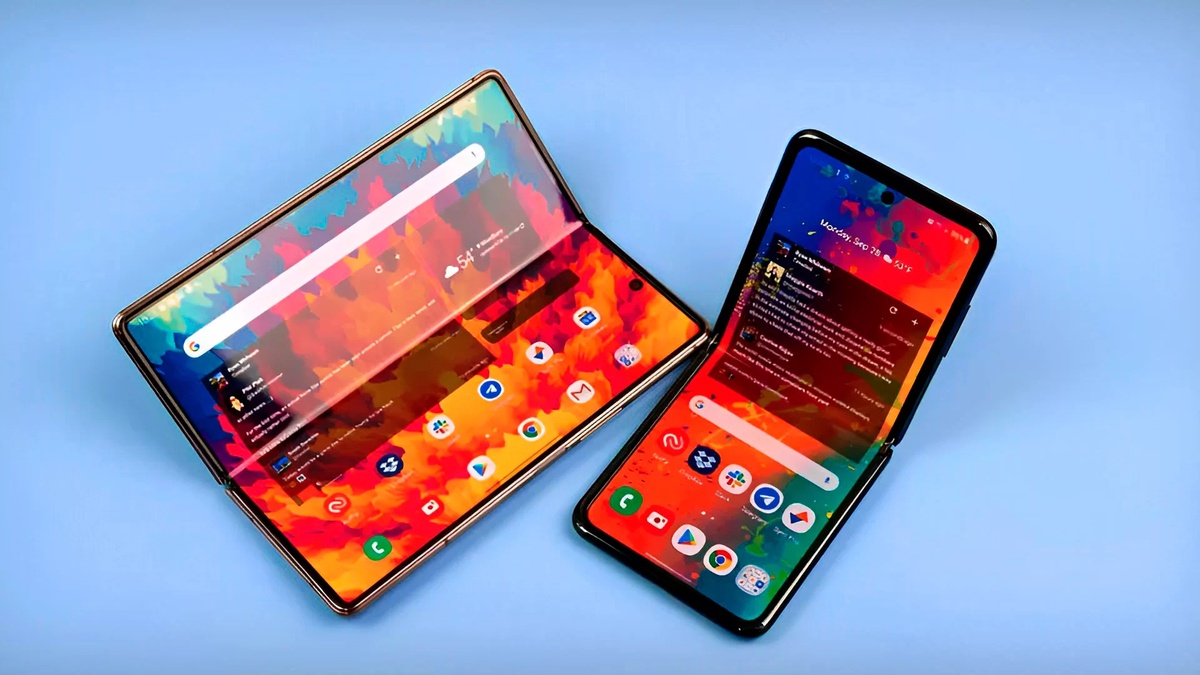
Understand The Pros, The Cons And The Care Before Buying Your Foldable Phone
Currently, foldable phones combine the functionalities of smartphones and tablets, but they still raise questions. Although they offer multitasking features such as floating windows and split screens, it is essential to know if the choice is based on real productivity or merely on visual appeal.
More affordable flip models cater to those seeking style or content creation, such as recording videos with the main camera. However, book-style foldables, which are more expensive, provide a more robust usage. Therefore, before buying, assess whether the goal is focused on performance or just on modern aesthetics.
High Maintenance and Repair Costs
Even with durability certifications, foldable phones are still fragile compared to traditional models. The hinge can fail due to dust or water, and the crease of the inner screen tends to become more pronounced with use. Moreover, the cost of repair is usually high.
-
While the world looks at oil, the war with Iran is already disrupting helium supply from Qatar, affecting car and iPhone chips, threatening AI expansion, and putting pressure on aluminum packaging at the highest value in four years.

-
Global warming will expose a treasure hidden under the ice of Antarctica and may spark an international dispute over gold and valuable minerals.

-
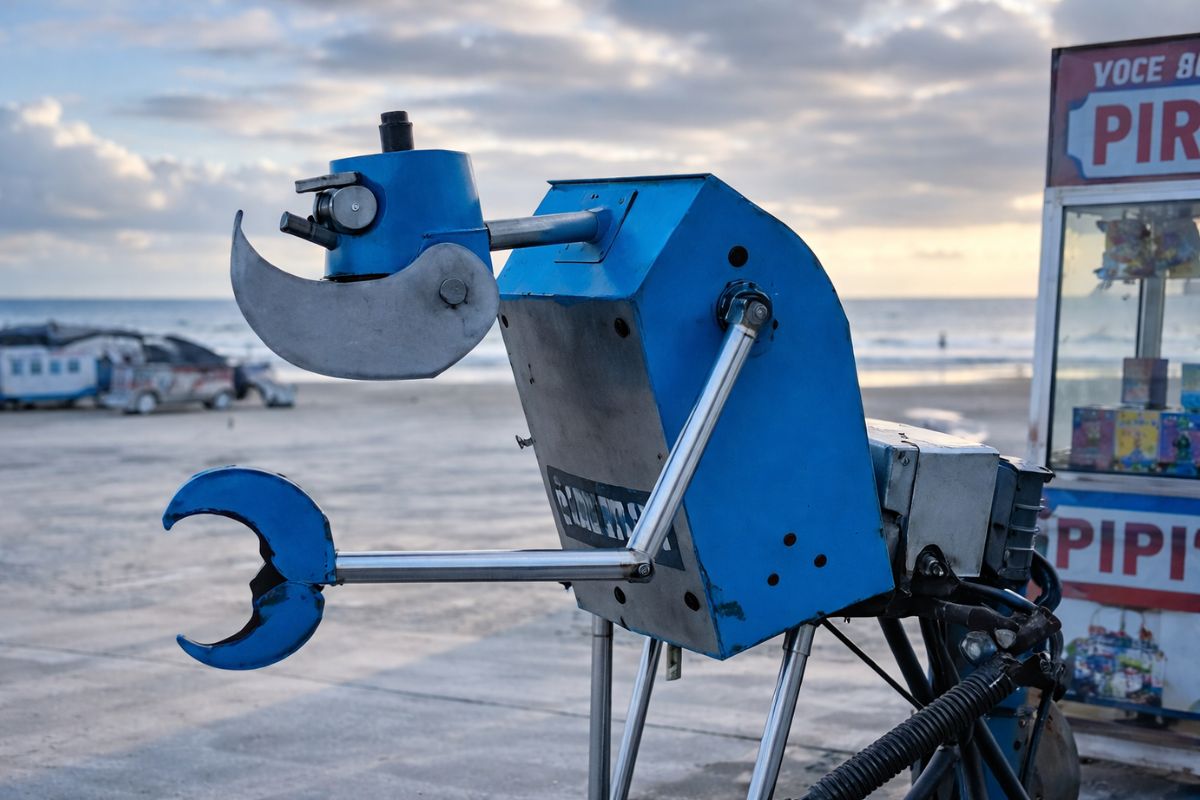
A street vendor from Praia Grande built a robot made of scrap from scooters and washing machines that pulls his popcorn cart on the beach, emits sounds, and interacts with customers, becoming an attraction on the coast of São Paulo.
-
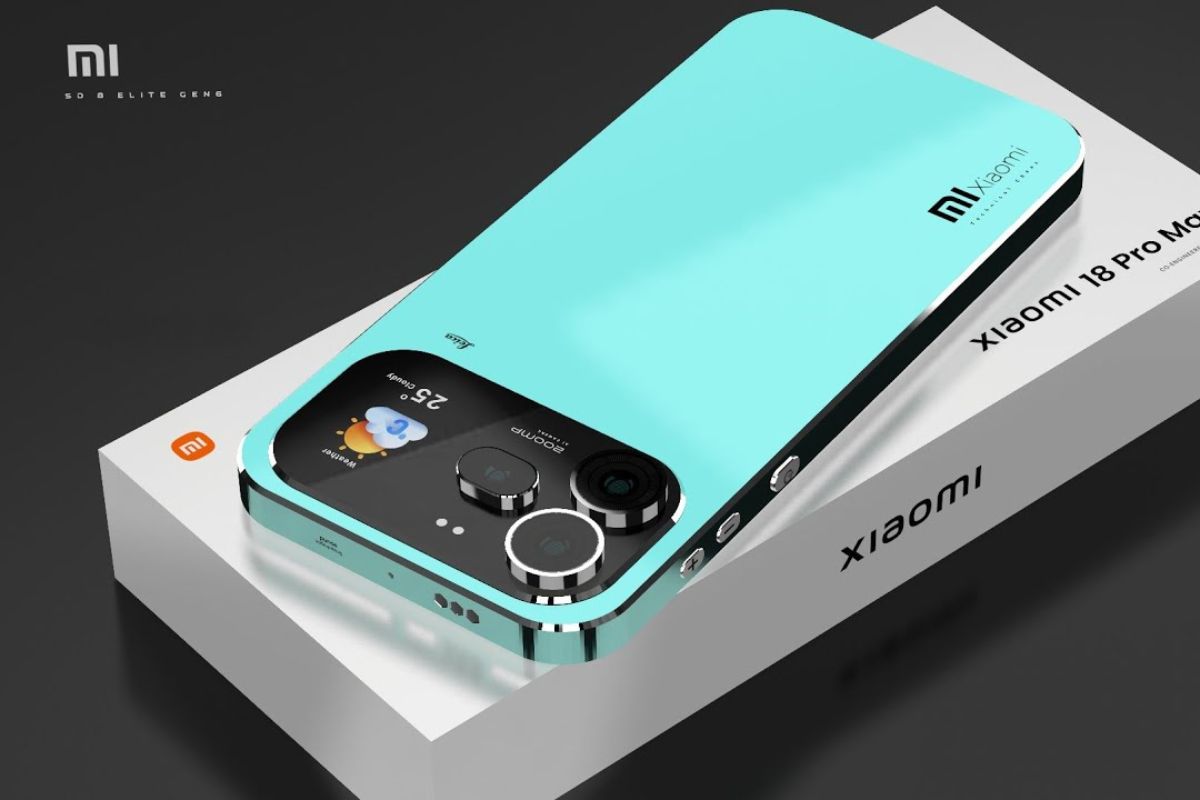
The specifications of the Xiaomi 18 Pro Max have been leaked, and the highlight is a dual 200 MP camera with a new 22-nanometer technology that promises to consume less energy and capture details in shadows and bright areas using LOFIC HDR.

The repair of the main screen can cost up to half the value of a new phone. This occurs because these devices use exclusive parts and require specialized technical assistance. Unlike common smartphones, which have quicker and cheaper repairs, foldables require planning for future maintenance costs.


App Compatibility
Although the large screen promises to enhance media consumption, not all apps function correctly in this format. Many apps are still not adapted to the almost square aspect ratio of foldable screens, which causes black bars or image cut-offs during videos.
Since 2022, Google has been encouraging developers to adjust their apps, but the adaptation is still slow. Thus, before investing, it is advisable to check if the apps you use most are compatible with this type of screen. This avoids frustrations and ensures full utilization of the device.
Size and Weight in Daily Use
The ergonomics of foldables is another critical point. Models like the Galaxy Z Fold6 weigh around 239g, more than the iPhone 16 Pro Max. This weight can cause discomfort during continuous use or when carried in a pocket.
Although some brands, like Oppo with the Find N5, are seeking lighter and thinner solutions, the thickness is still bothersome. If you have small hands or seek total practicality, it’s worth testing the handling before purchase. After all, daily use needs to be comfortable and adaptable to your routine.
Battery Life
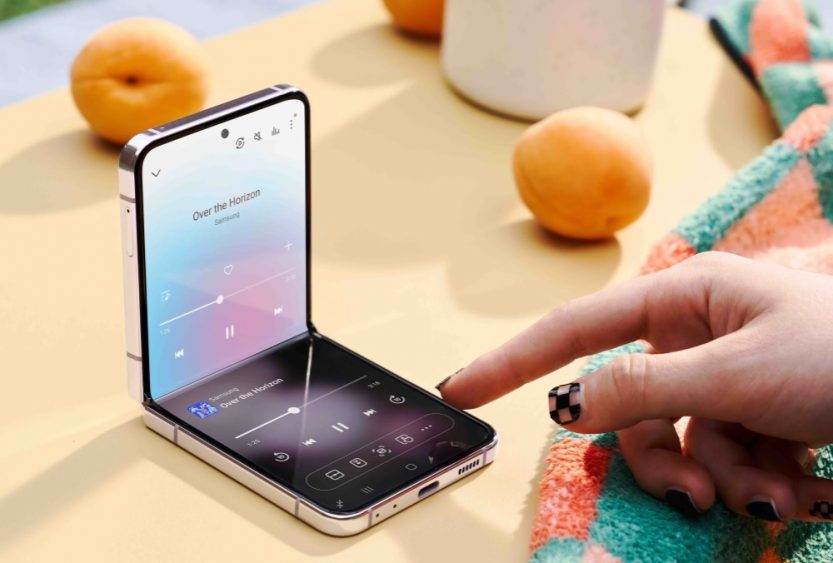
The battery is another technical challenge. As hinges take up space, battery capacity ends up being limited. Models like the Galaxy Fold maintain 4400mAh since 2021. The OnePlus Open has 4805mAh and the Pixel Fold offers 4650mAh, all below the current standard of 5000mAh.
However, there are advances. The Vivo X Fold3 Pro already uses silicon-carbon battery technology, achieving 5700mAh with the same physical space. Some Chinese brands, like Honor, have reached 8000mAh, but giants like Google and Samsung have not adopted the innovation yet. If battery life is crucial, it might be worth waiting for new releases with greater energy efficiency.






Seja o primeiro a reagir!