





 English
  Francês
  Alemão
  Italiano
  Japonês
  Norueguês
  Portuguese
  Spanish
  2 min of reading



In an October forum in Saudi Arabia, Brazilian President Jair Bolsonaro suggested that he would like to see Brazil join OPEC. If such a marriage were to materialize, OPEC would be the winner and Brazil the clear loser, said energy intelligence group Rystad Energy.
Brazil has experienced a tremendous surge in oil production, driven by the development of its pre-salt resources. However, bringing Brazil’s oil production to its current level has certainly not been cheap. Petrobras paid over 78% of Brazil’s US$ 396 billion exploration bill (excluding dry hole costs), development, and operations from 2010 to 2018. This, in 2014, made Petrobras the most indebted publicly listed E&P company in the world. Petrobras would rely on revenues from its growing production to help scale its mountain of debt.
See Also
- Surge in Oil Production in Brazil Sparks Bolsonaro’s Desire to Join OPEC, but Would This Be a Good Deal?
- Two Offshore Workers from Equinor Seriously Injured After Explosion
- Constellation Announced Job Openings Yesterday to Support Offshore Projects in Rio de Janeiro
According to Rystad, the production cuts required by OPEC on its projects would threaten Petrobras’s attempts to dial back. Petrobras does not need OPEC – it needs to reduce its still substantial debt.
Established players with operations in Brazil do not need OPEC – they seek returns on already considerable investments, Rystad said. New participants nibbling at Petrobras’s divestment clusters do not need OPEC – they want to stabilize and even increase production in their acquisitions.
-
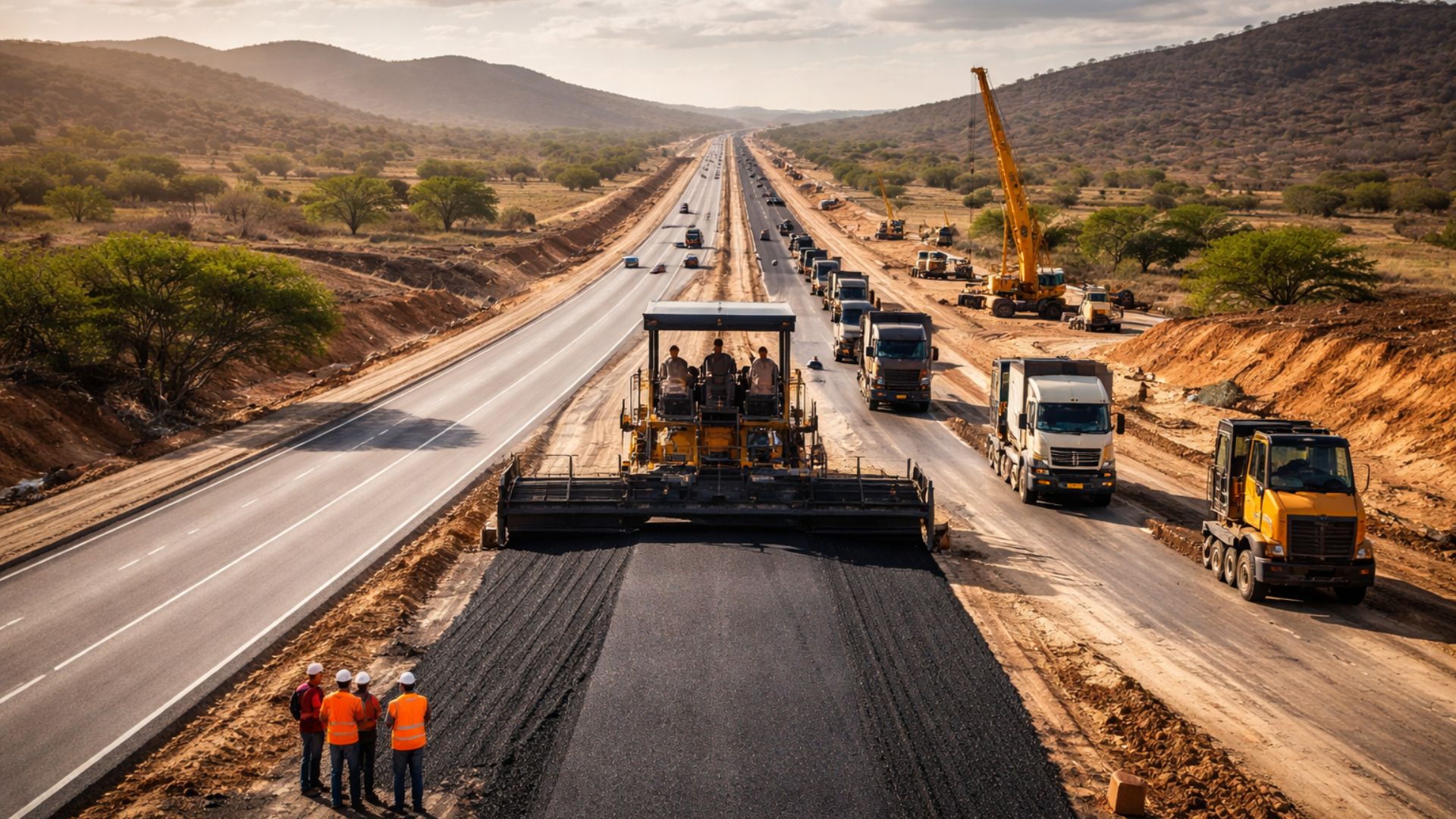
Government unlocks R$ 554 million for a highway that has been requested for decades and accelerates the duplication of BR.
-
Without bricks, without cement, and without endless construction: the cardboard house that is assembled in modules and can be moved.

-
Billions of barrels on the equatorial margin could lead Amapá to double its oil production in Brazil — the state aims to enter the route of companies in the Campos Basin, attract investments, and boost jobs and businesses in the oil and gas sector.

-
Without bricks, without cement, and without endless construction: the cardboard house that is assembled in modules and can be moved.

The oilfield services sector does not need OPEC – it would prefer to ramp up production levels to secure more business.
Brazil has been invited to join OPEC before as well; then the government stated that under Brazilian law, it cannot interfere in production operations. So, even the Brazilian government does not really need OPEC. No one in Brazil seems interested in OPEC’s diet, Rystad concluded.









Seja o primeiro a reagir!