





 Portuguese
  English
  Spanish
  7 min of reading
  0 comments


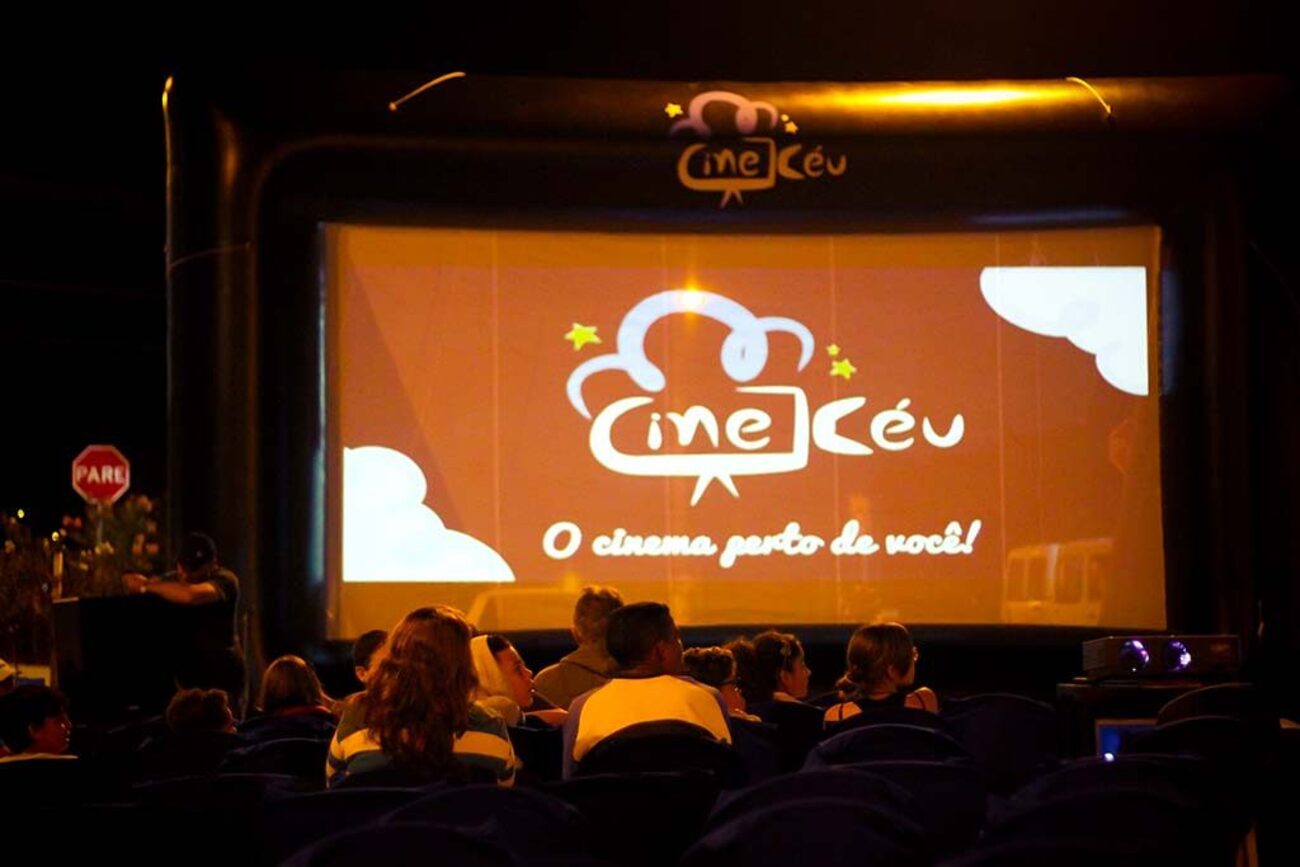
The itinerant Cine Céu project democratizes access to the seventh art in public spaces and uses renewable technologies to power its entire projection system, consolidating the concept of solar-powered cinema as a practical low environmental impact solution.
The itinerant Cine Céu project begins a new season of free screenings and uses a state-of-the-art photovoltaic system to enable each session of solar-powered cinema in squares and parks across Brazil.
This initiative transforms public spaces into open-air screening rooms, eliminating the need for combustion generators or conventional electrical connections. Equipped with solar panels that charge lithium batteries during the day, the “Mobile Cinema” ensures total autonomy for high-definition projectors and professional sound systems at night.
The audience enjoys major box office hits in a structure that emits no noise or polluting gases, combining leisure with ecological awareness. In addition to providing entertainment, Cine Céu acts as an educational tool, practically demonstrating how the energy transition can be part of the daily lives of communities.
-
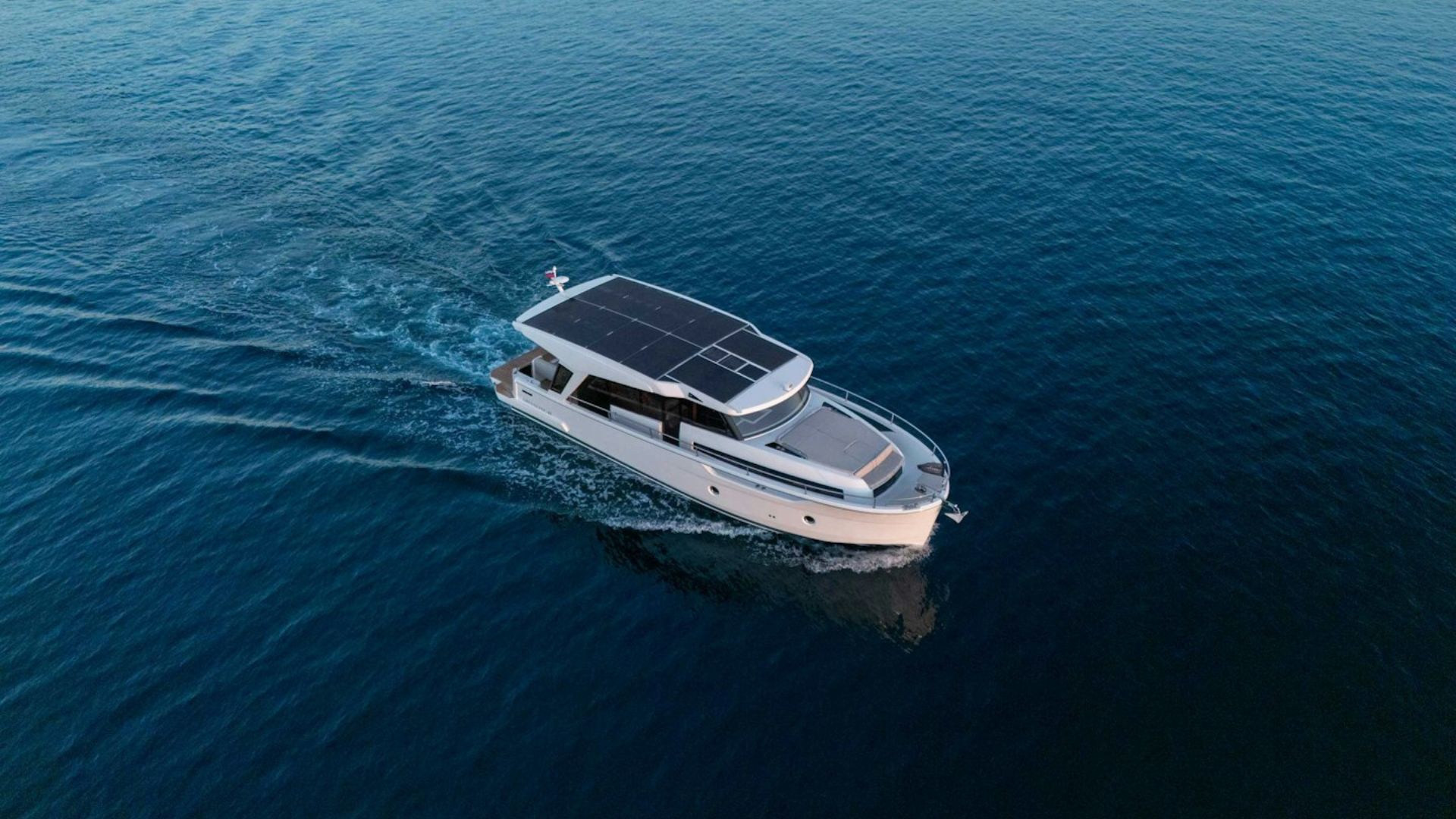
New boat with hybrid technology and solar energy stands out by increasing autonomy at sea and reducing consumption, consolidating the innovative proposal of Greenline Yachts in the nautical sector.
-
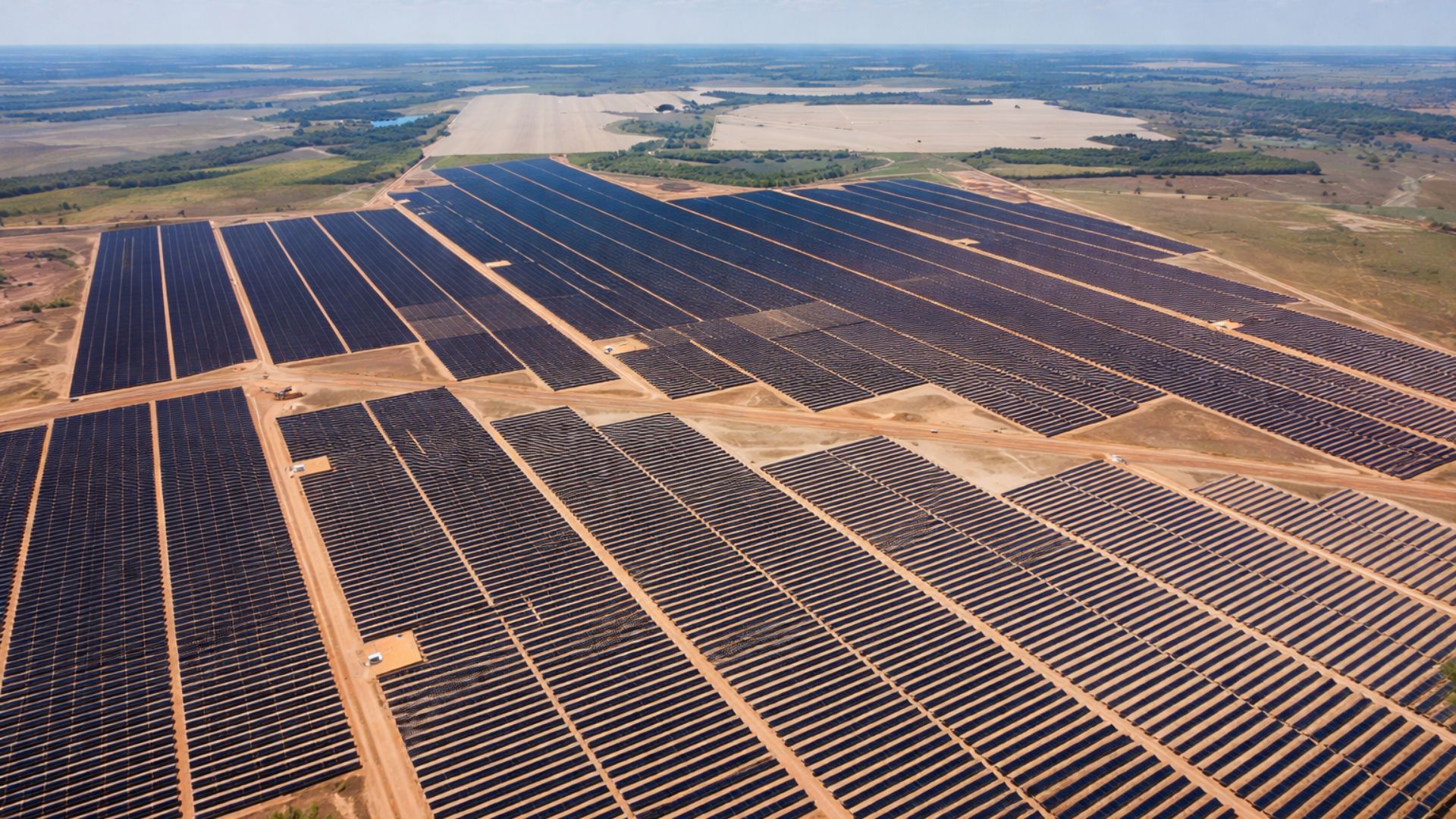
Solar energy gains strength with the Barro Alto solar complex, which increases renewable energy production in Brazil, creates jobs, strengthens the clean matrix, and transforms the electric sector with innovation and sustainability.
-
Seagri’s headquarters invests in solar energy with Neoenergia Coelba and promises to cut electricity costs, highlighting a strategic advance in sustainability and energy efficiency within state public administration.

-
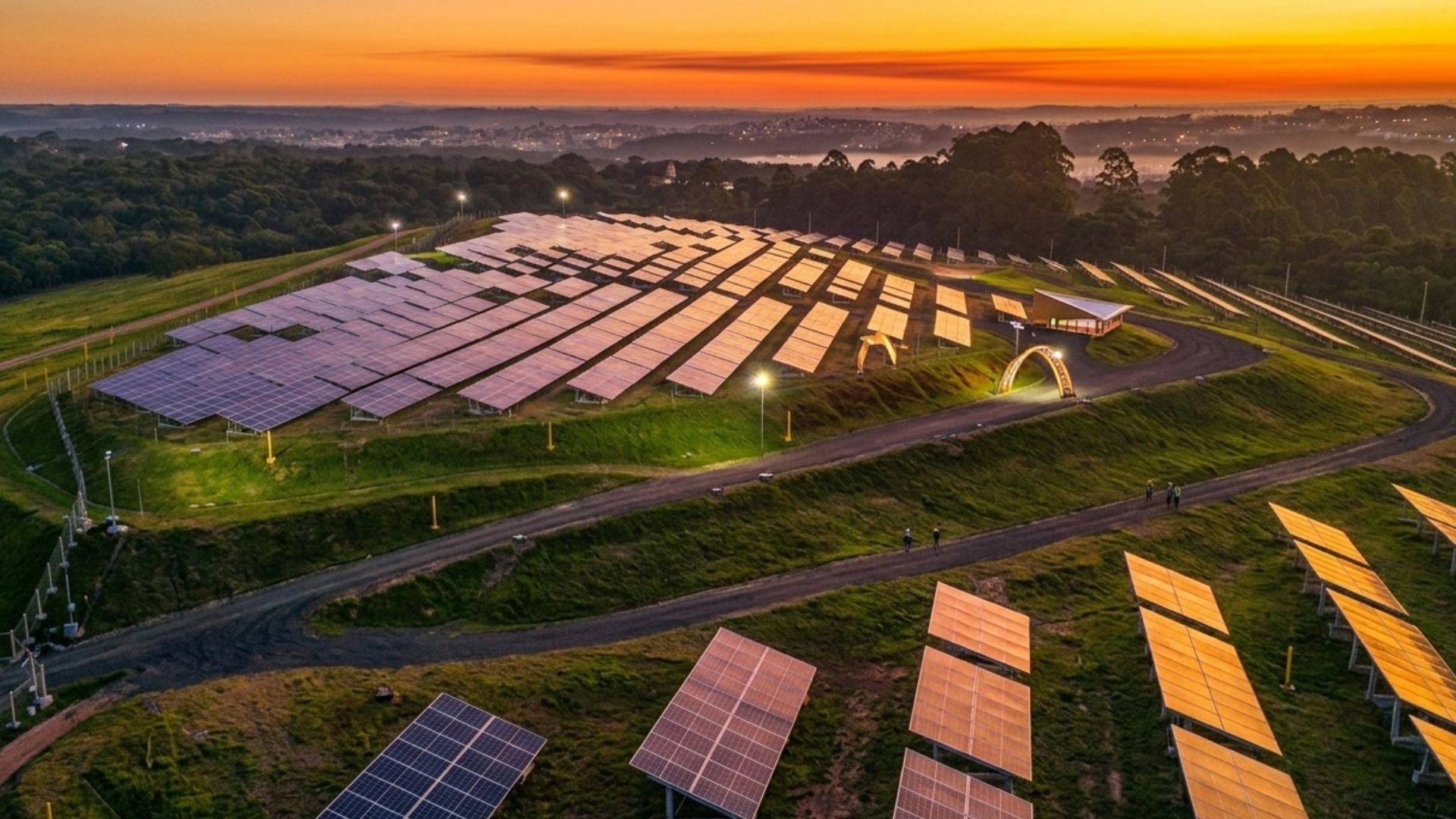
Solar Pyramid draws attention by converting solar energy into million-dollar savings and repositioning the City Hall of Curitiba as an example of innovation, sustainability, and intelligent use of public resources.
In 2026, the project expands its route to inland cities, bringing clean technology and culture to regions that often lack traditional movie theaters, reinforcing the role of sustainability in democratizing art.
How the technology behind solar-powered cinema works
The engineering behind solar-powered cinema impresses with its simplicity and efficiency. The vehicle transporting the project carries monocrystalline silicon photovoltaic modules on its roof, which have a higher energy conversion rate even on cloudy days. These panels capture solar radiation and, through a current inverter, store the energy in a stationary battery bank.
This energy stock powers the laser projector, which consumes up to 40% less electricity than traditional lamp models, without losing color fidelity and brightness necessary for outdoor projections.
The sound system also uses class D amplifiers, known for their high efficiency and low heating. By using the sun as fuel, Cine Céu proves that large cultural events can occur with reduced operational costs and a zero carbon footprint, serving as a model for other event producers around the world.
Sustainability and environmental education in the squares
Cine Céu goes beyond film screenings; it transforms the square into an interactive classroom about renewable energy. Before each session of cinema with solar energy, the technical team explains to the audience how the panels captured sunlight that day to generate the evening’s entertainment.
This practical demonstration helps demystify solar technology for families who often see this energy source as something distant or inaccessible.

Children, in particular, show curiosity about how the batteries work and the brightness of the screen. Seeing the equipment functioning without cables connected to the electrical grid creates a powerful visual impact.
The project reinforces the idea that environmental preservation and technological development go hand in hand. By associating sustainability with a moment of pleasure and leisure, Cine Céu plants a seed of awareness that can influence future energy consumption decisions in local households.
Social impact and democratization of access to culture
Many inland cities in Brazil have not had commercial movie theaters for decades. The high cost of maintenance and the logistics of film distribution make it difficult for traditional cinema to survive in these locations.
Solar-powered cinema breaks this barrier by offering a lightweight, independent, and low-cost structure. The project prioritizes peripheral neighborhoods and rural communities, ensuring that a citizen’s postal code is not an impediment to accessing culture.
The free screenings allow entire families to enjoy the cinematic experience without straining their monthly budget. The outdoor environment fosters community interaction, reviving the habit of occupying public squares.
This positive occupation of urban spaces improves the sense of security and strengthens bonds between neighbors. Cine Céu, therefore, acts as an agent of social transformation, using sunlight to illuminate not only the screen but also the perspectives of inclusion for the populations served in 2026.
Can the system work on rainy days?
A common question among viewers of solar-powered cinema is whether the system fails on days without sun. The answer lies in the storage capacity of the lithium batteries integrated into the project. Modern accumulators can store enough charge for up to three days of consecutive sessions, even if the sky is completely overcast.
Additionally, the batteries have an intelligent management system that optimizes consumption. If the charge is low, the system automatically reduces sound power or projection brightness to ensure that the movie reaches the end.


This technological resilience ensures that the Cine Céu tour maintains its schedule accurately, facing the typical climate variations of different Brazilian regions without interrupting the cultural programming.
Energy efficiency: From the projector to the popcorn vendor
The concept of solar-powered cinema at Cine Céu seeks maximum efficiency in all details. The project uses high reflectivity screens, which better utilize the light from the projector and require less power from the equipment. Even the security lighting at the venue uses low-consumption LED bulbs powered by the same battery bank.
In some editions, the project encourages local street vendors to adopt sustainable practices as well. Popcorn, an essential item in any cinema, can be prepared in carts that use biogas or solar heating systems.
This integration creates a “green leisure” ecosystem where everyone involved contributes to reducing environmental impact. Cine Céu demonstrates that sustainability is a viable choice for entrepreneurs of all sizes, from large production companies to the popcorn vendor in the square.
The logistics of the Mobile Cinema and cost reduction
Moving an entertainment structure along Brazilian highways requires planning and resources. The use of solar-powered cinema drastically reduces logistical costs, as it eliminates the need to transport heavy diesel generators and large fuel tanks. The total weight of the equipment decreases, which also reduces the fuel consumption of the vehicle transporting the structure.
The savings allow the project to visit more cities within the same budget. While a traditional event spends a fortune on electrical connection fees and energy consumption, Cine Céu takes advantage of a free and abundant natural resource in Brazil.
Financial efficiency ensures the project’s long-term sustainability. This allows it to receive sponsorship from companies seeking to associate their brand with initiatives that have a proven high social and environmental impact.
The future of solar-powered outdoor cinema events in 2026
The success of solar-powered cinema points to an irreversible trend in the events sector in 2026. Shows, music festivals, and food fairs are increasingly seeking renewable energy autonomy. Today’s audience, more conscious and demanding, values brands that demonstrate real concern for their carbon footprint.
Cine Céu serves as a success story for municipalities and cultural departments. The implementation of solar systems in fixed cultural equipment, such as libraries and community centers, follows the path opened by the itinerant project.
The energy transition is no longer an exclusive agenda of heavy industry and begins to occupy the center of urban cultural policies. The example of solar cinema shows that the technology is mature and ready to be scaled across various fronts of Brazilian public life.
Innovation: The laser projection technology
A vital component for solar-powered cinema is the laser projector. Unlike conventional projectors that use mercury lamps (which heat up a lot and consume a lot of energy), laser technology generates light in a much more direct and efficient way.

In addition to consuming less electricity, the laser projector offers a much wider color range, ensuring vibrant images even in outdoor environments with some residual lighting.
Another technical advantage lies in durability. A common projector lamp lasts about 2,000 hours, while a laser system exceeds 20,000 hours of use without needing replacement. This reduces electronic waste generation and lowers maintenance costs for Cine Céu.
This smart technological choice allows the project to maintain the image quality of a shopping mall cinema in the middle of a public square in the countryside, delighting the audience with superior clarity and brightness.
The role of Cine Céu in community mobilization
The sessions of solar-powered cinema act as powerful catalysts for community mobilization. When the Cine Céu truck arrives in a city, the news spreads quickly, creating positive anticipation among residents.
The event transforms into a meeting point where people exchange ideas, children play, and culture circulates democratically.
The project also opens space for the exhibition of local short films before the main movie, encouraging regional audiovisual production. This appreciation of local talent strengthens the cultural identity of communities.
By using a source of energy that comes from above, the sun, Cine Céu reminds everyone that the resources for a better future are available. It only takes creativity and technology to harness them for the benefit of the collective.
Light, camera, and energy transition
Cine Céu proves that the seventh art can be the engine of a greater change in society. The use of solar-powered cinema is not just a technical choice, but a manifesto in favor of a more sustainable and accessible future.
By traveling thousands of kilometers bringing joy and information, the project demonstrates that Brazil has the technical capital and natural abundance to lead the green economy in all sectors, including culture.
In 2026, initiatives like this become indispensable for strengthening citizenship and preserving the environment. The brightness of the screen powered by the sun is the symbol of a new era, where progress does not have to cost the health of the planet.
As the stars shine in the sky, the cinema shines in the square, powered by sunlight and the desire to transform lives through art. May the screenings continue, spreading light and awareness to every corner of the country.









Seja o primeiro a reagir!