





 Portuguese
  English
  Spanish
 3 min of reading
  0 comments


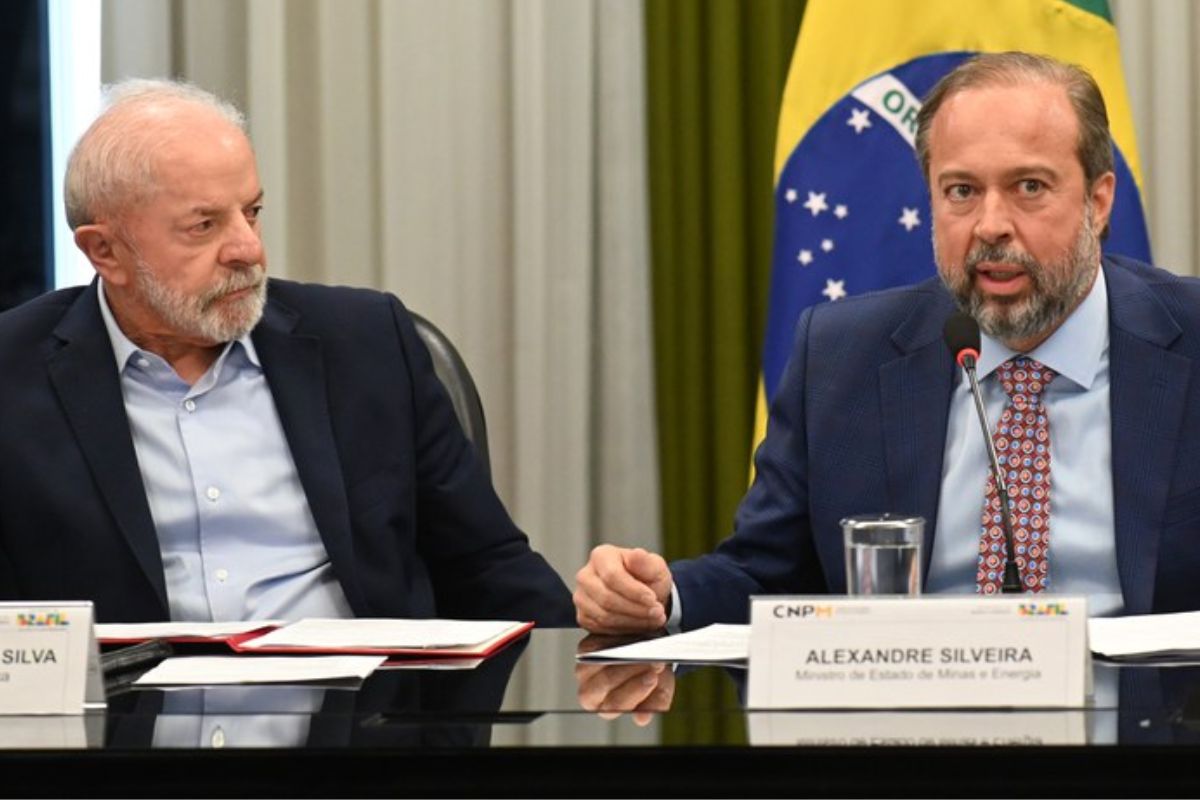
With Focus on Sustainability in Mining, Brazil Begins a New Cycle of Governance and Innovation That Integrates Critical Minerals, Energy Transition, and Sustainable Economic Development in the National Mineral Sector
Sustainability in mining gains strength in Brazil with the creation of a new governance model for the mineral sector, according to a report published.
On October 16, Minister of Mining and Energy, Alexandre Silveira, alongside President Luiz Inácio Lula da Silva, led the first meeting of the National Mineral Policy Council (CNPM), a decisive milestone for the formulation of sustainable and strategic public policies.
The meeting defined priorities for the Brazilian Mineral Policy and approved resolutions that modernize the sector, strengthening governance and aligning the country with global decarbonization goals.
-
Historic bankruptcy of Centauro shocks the market, and the century-old company puts more than 500,000 products, machines, and complete infrastructure up for online auction.

-
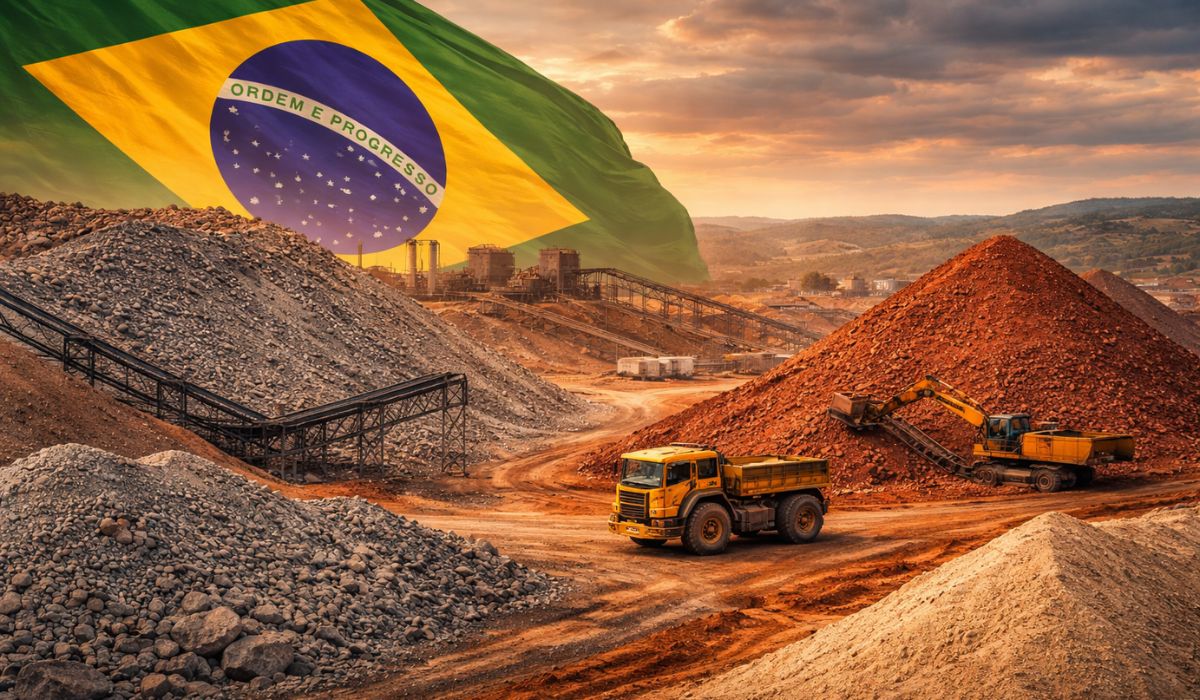
Brazil extracts 26.3 million tons of ore from what was previously treated as waste, transforming residues into wealth, producing over 3 million tons of sand, and demonstrating how national mining is relearning to generate value.
-
With earth, bamboo, straw, and lime mortar, a specialist builds a house for just over $460 and draws attention for its cost being much lower than traditional construction.
-
A $3.5 billion megaproject in Latin America pumps desalinated seawater at 1,050 liters per second over 194 km to keep a copper supermine in the Andes operational for another 20 years.

The objective is to position Brazil not only as an exporter of minerals but as a protagonist in value-added processes and wealth generation with environmental responsibility.
This new cycle symbolizes a structural transformation of mining, aimed at innovation, transparency, and efficiency.
Governance and Sustainable Development Drive the Brazilian Mineral Sector
The CNPM, composed of 18 ministers of state and the president of the Geological Service of Brazil (SGB-CPRM), will now directly advise the Presidency of the Republic on the formulation of policies and guidelines for the sector.
This structure seeks to integrate economic, social, and environmental dimensions, strengthening sustainability in mining and creating a modern and participatory governance environment.
Among the approved goals are guidelines for the National Mining Plan (PNM-2050), which defines a long-term agenda focused on the country’s energy, food, and industrial security.
Additionally, the Council established the Plan of Goals and Actions, prioritizing the responsible use of mineral resources and promoting technological innovation.
Mining and Energy Transition: Critical Minerals and Technological Innovation
One of the central focuses of the new cycle is strengthening the chain of critical and strategic minerals, essential for sustainability in mining and for the energy transition.
The CNPM approved six resolutions that structure its new phase of action, including the creation of four Work Groups (GTs):
- GT for Monitoring Mining Activities: will conduct a national diagnosis on the activities of the National Mining Agency (ANM) and propose cooperation among federative entities.
- GT for Sectoral Fees and Charges: will study adjustments to monitoring fees and incentives for the utilization of mineral resources, promoting regulatory fairness and efficiency.
- GT for Critical and Strategic Minerals: will develop policies to increase the processing and industrialization of these minerals in Brazil.
- GT for Sustainable Development in Mining: will integrate environmental, social, and territorial policies, reducing conflicts and stimulating socioeconomic growth.
These actions reinforce the national commitment to low-impact mining and the advancement of a green economy.
Innovation, Efficiency, and Responsibility: The Future of Sustainability in Brazilian Mining
The new management model of the CNPM expands the geological knowledge of the country, improves the collection of the Financial Compensation for the Exploration of Mineral Resources (CFEM), and ensures greater transparency in processes.
This inter-ministerial approach encourages the responsible use of resources, connects the sector to carbon neutrality goals, and strengthens sustainability in mining as a central pillar of economic development.
By adopting innovation and value-added policies, Brazil advances in consolidating a competitive, ethical, and sustainable mineral sector, aligned with the demands of the 21st century.
Sustainability in mining is, therefore, the foundation of a future where growth and preservation walk hand in hand.









Seja o primeiro a reagir!