





 English
  Francês
  Alemão
  Italiano
  Japonês
  Norueguês
  Portuguese
  Spanish
 6 min of reading
  0 comments


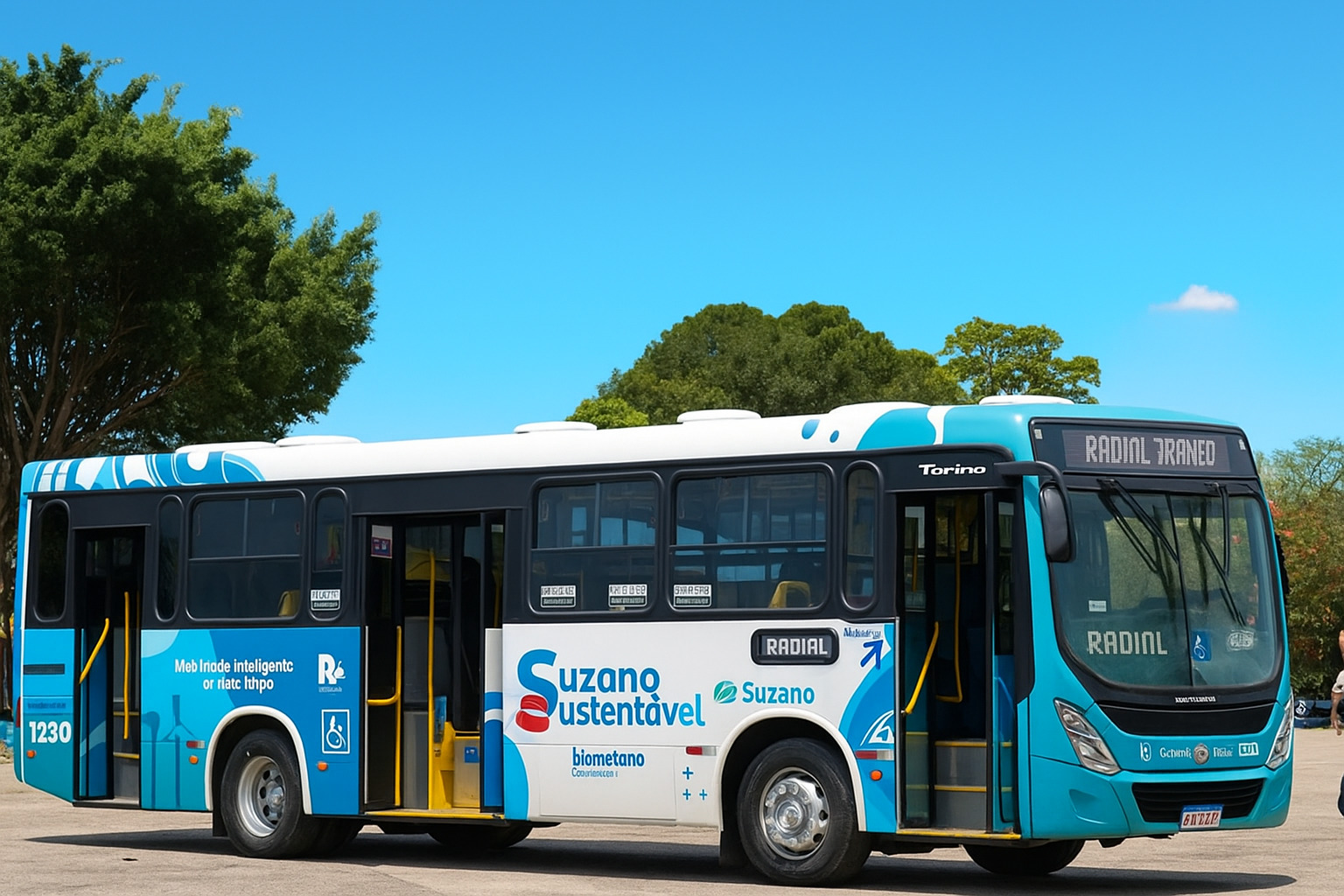
Discover How Suzano Launches the First Biometane Bus, Promoting Sustainable Transportation and Reducing Environmental Impacts in the Alto Tietê Region.
Recently, the Municipality of Suzano marked a historic moment in urban mobility and sustainability by delivering the first biometane bus in the Alto Tietê region.
Furthermore, this initiative represents a technological advancement and an important cultural and environmental change for the city.
The city aims to modernize its public transportation and, consequently, reduce the environmental impacts caused by the use of fossil fuels.
-
The Economist states that Brazil has a “secret weapon” against expensive oil and highlights how the country can reduce economic impacts even in international scenarios of high volatility.

-
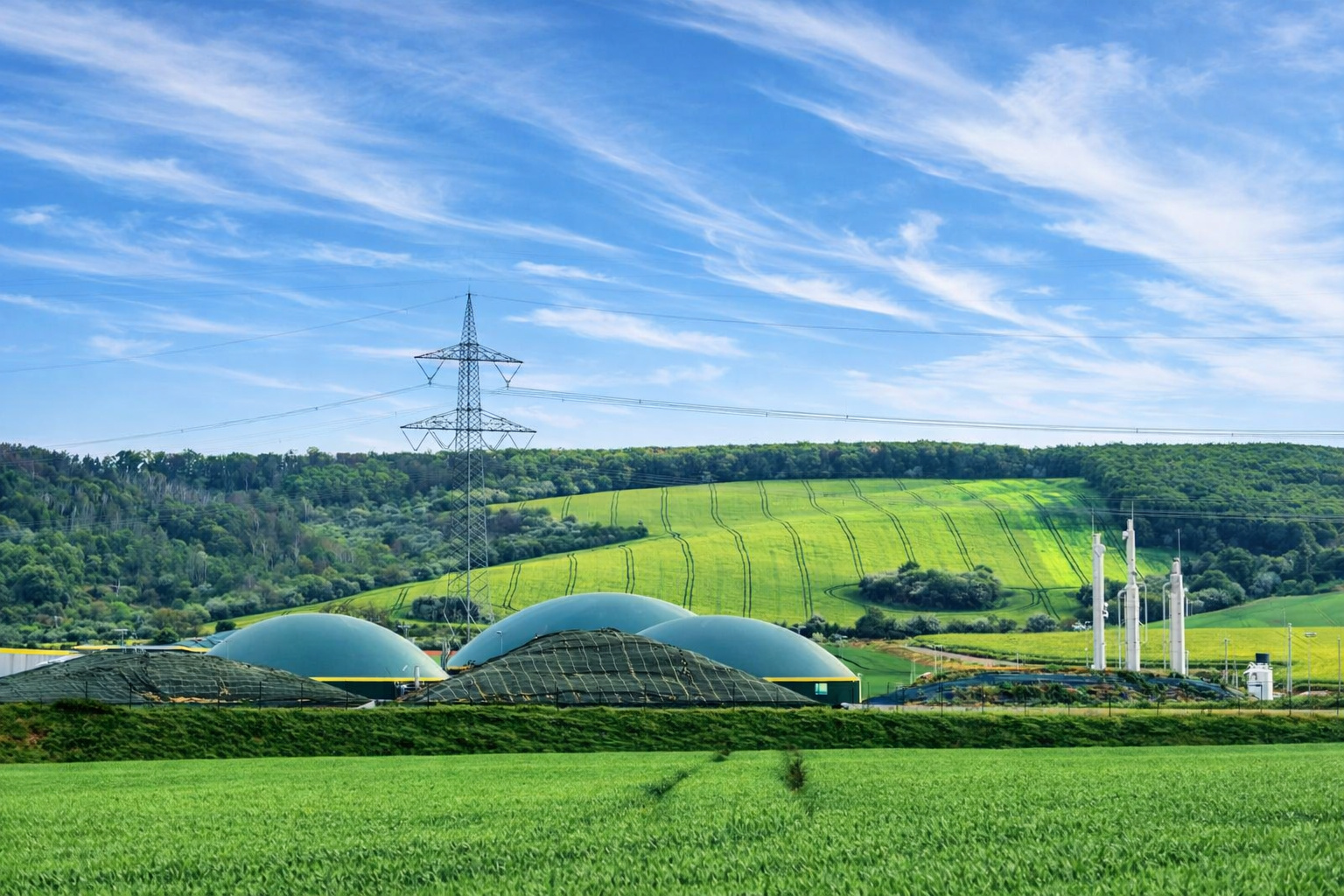
Brazil accelerates decarbonization in the South: International forum in Foz do Iguaçu gathers leaders to discuss the advancement of biomethane in the energy matrix and the potential of “caipira pre-salt.”
-
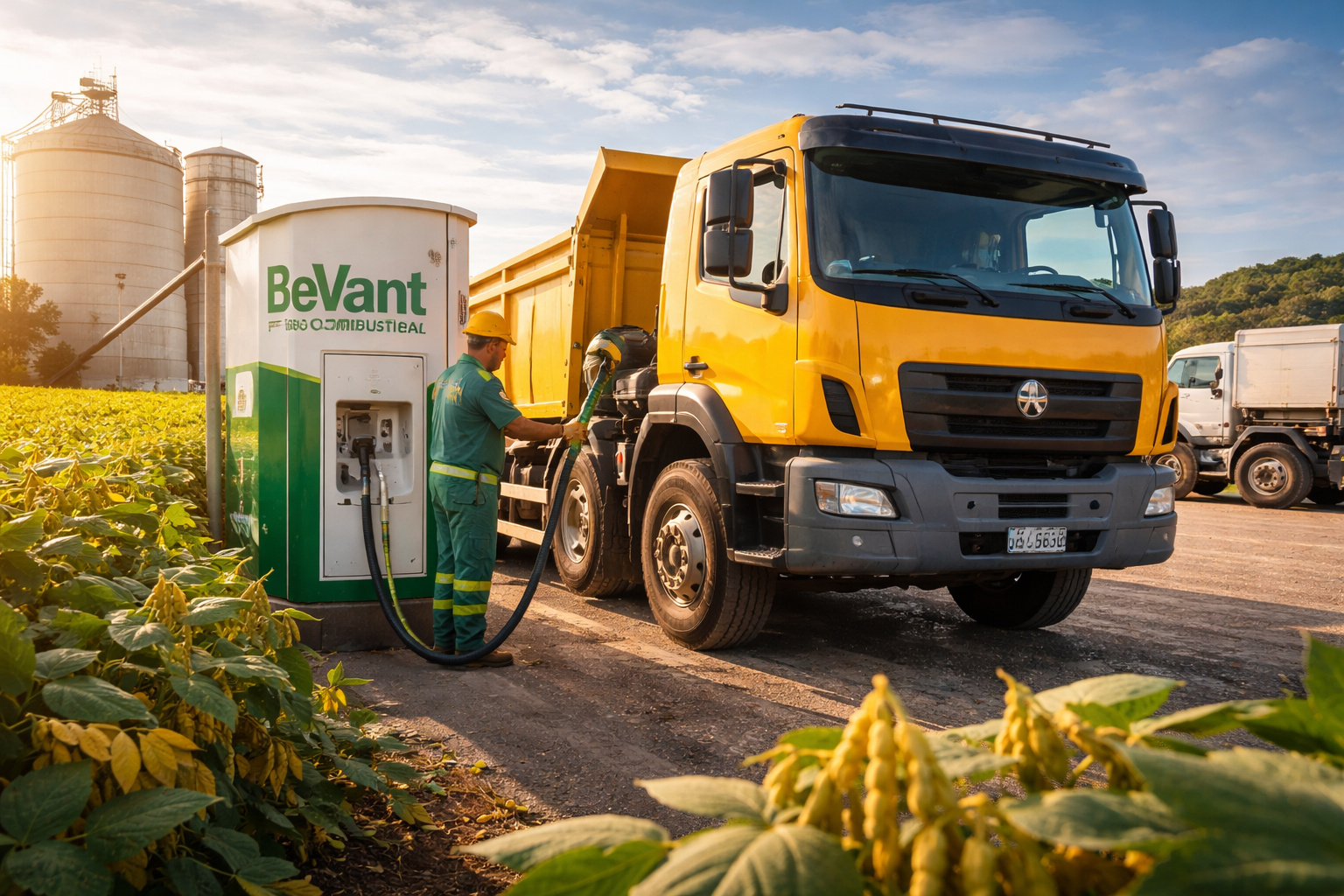
As diesel prices soar due to conflicts in the Middle East, a Brazilian city decides to test a little-known biofuel that promises to completely replace fossil fuel without adaptation and could change the future of energy in the country.
-
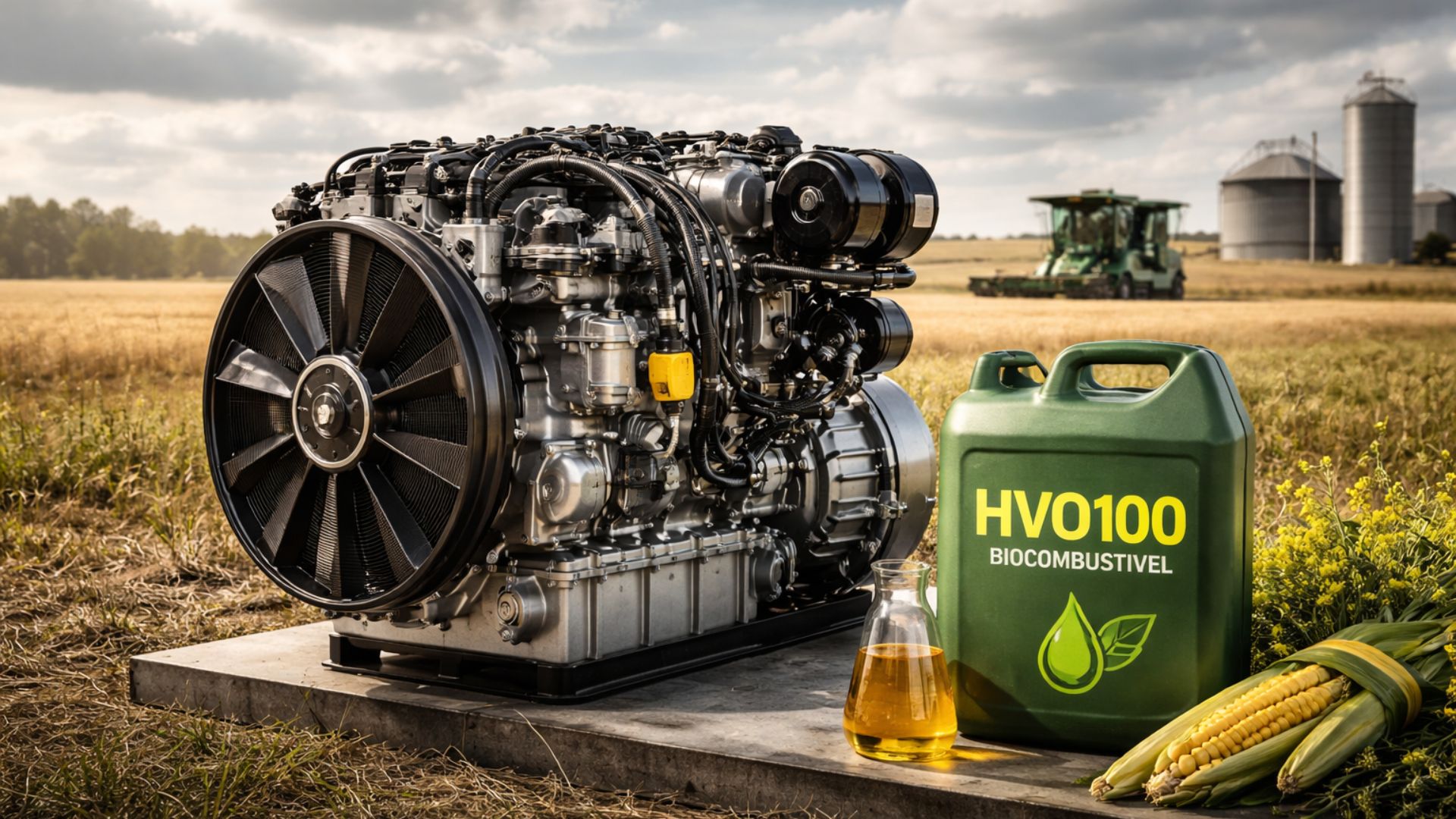
Innovation with biofuel engines transforms agribusiness by replacing diesel without the need for major adaptations, ensuring energy efficiency and helping to reduce dependence on oil.

Historically, public transportation in Suzano and in other Brazilian cities has always relied on the use of diesel.
While effective in meeting passenger demand, diesel significantly contributes to air pollution and greenhouse gas emissions.
However, with urban growth and the increasing concern about climate change, cleaner and renewable alternatives have emerged, among them biometane, which is gaining ground as a sustainable fuel in public transportation.
Moreover, in recent years, sustainability has become a central theme for urban managers and civil society.
Indeed, cities that invest in clean and renewable transportation reduce their carbon emissions and position themselves as references in innovation and quality of life.
In this context, the first biometane bus in Suzano clearly shows that it is possible to combine technology, economics, and environmental care.
Biometane as a Sustainable Fuel
Biometane arises from the purification of biogas, produced naturally in landfills, sewage treatment plants, and organic waste decomposition processes.
Thus, this renewable fuel has characteristics similar to compressed natural gas, and adapted engines can use it without major structural changes.
Therefore, adopting biometane in public transportation reduces carbon dioxide (CO₂) emissions by up to 95%.
Additionally, it decreases fuel consumption and provides quieter operation.
The first biometane bus in Suzano was born from the partnership between the Municipality, Radial Mais Transport, MWM, and Comgás.
Moreover, the vehicle was built on a Marcopolo Torino model and adapted to operate exclusively on biometane.
This technical cooperation between the public and private sectors allowed the municipality not to spend its own resources on the acquisition, which involved an investment of about R$ 220,000.
Thus, the pilot project serves as a model for other cities in the region and the country, demonstrating that efficiency, economy, and sustainability can go hand in hand.
Historically, urban mobility in Brazil has undergone significant transformations.
In the 1950s and 1960s, the expansion of cities and the increase in the bus fleet almost exclusively depended on diesel and gasoline.
However, the first discussions about alternative fuels appeared timidly in the 1970s, due to the oil crisis and the search for cheaper and local sources.
Only in the last few decades, with advances in science and technology, alternatives like ethanol, biodiesel, and biometane began to integrate public transportation more consistently.
In addition, the use of renewable fuels like biometane opens up space for research and technological development in Brazil.
For example, universities, innovation institutes, and private companies can improve biometane efficiency, reduce costs, and create integrated solutions for smart cities.
Therefore, Suzano, by implementing its first biometane bus, strengthens the environment for technological innovation and sustainable entrepreneurship.
Environmental and Social Benefits of the Project
In addition to its technological impacts, the delivery of the first biometane bus in Suzano marks a local advancement and serves as a reference for the country.
Indeed, the reduction in diesel consumption, estimated at about 60,000 liters per year, preserves thousands of trees.
Moreover, it directly contributes to mitigating climate change.
The use of biometane strengthens the circular economy, utilizing gases from landfills and waste treatment plants that would otherwise worsen pollution and public health issues.
Another important benefit involves social and cultural impact.
For instance, the quiet operation of the bus reduces noise pollution and improves the quality of life for residents.
At the same time, the project encourages awareness about sustainability and responsible energy consumption.
Consequently, the population realizes that small changes in urban transportation can generate significant positive effects on the environment and public health.
The bus delivery event featured the participation of the mayor Pedro Ishi (PL), who highlighted the project’s importance for the city and the Alto Tietê region.
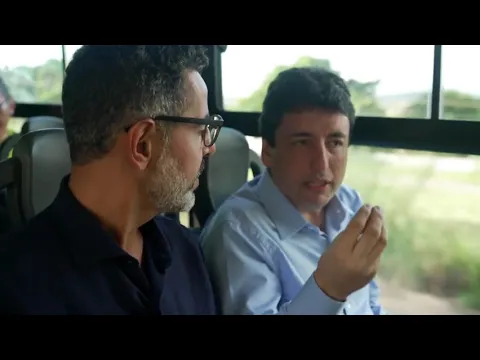
Furthermore, during the ceremony held on October 3rd, the mayor granted a press interview inside the vehicle, which demonstrated through the city center.
This way, the official operation of the bus began the next day, serving line 10TR, which runs the route between Vila Fátima and the Suzano Station.
This experience will allow evaluation of the vehicle’s performance and the population’s receptiveness, paving the way for the expansion of biometane use in the municipal fleet.
In addition, the implementation of biometane-powered transportation strengthens the perception of Suzano as a sustainable city, capable of uniting environmental policies and practical solutions for the daily lives of the population.
Therefore, this combination of efficient public management and technological innovation puts the city in regional and national prominence.
Economic Impact and Future Opportunities
The adoption of biometane also generates strategic opportunities.
By reducing dependence on diesel, the city lowers operational costs for public transportation and strengthens the local economy.
This occurs by stimulating the production and distribution of biogas and biometane in the region.
Moreover, projects like this attract investments, foster technological innovation, create jobs, and encourage scientific research focused on sustainable solutions.
The advancement of biometane-powered transportation in Brazil follows international trends.
For example, countries in Europe, North America, and Asia bet on the use of renewable gases to reduce urban emissions and achieve carbon neutrality goals.
Indeed, cities like Stockholm, London, and Vancouver already have significant fleets of biometane or biogas-powered buses, proving that the technology is viable, efficient, and capable of transforming urban mobility in a clean manner.
For the future, it is expected that Suzano’s pilot project will serve as inspiration for other cities in the Alto Tietê and the state of São Paulo.
Furthermore, practical experience will allow for identifying challenges and solutions to expand biometane use, from supply logistics to vehicle maintenance.
Thus, with the success of the initiative, a large part of the urban bus fleet may migrate to renewable fuels, ensuring public transportation efficient, safe, and environmentally responsible.
Additionally, the use of biometane strengthens public policies for environmental education.
For example, schools, universities, and community centers can develop awareness programs about circular economy, environmental preservation, and clean technologies.
In this way, this engagement creates more informed, participatory, and committed citizens to sustainability, amplifying the positive impact of the project beyond public transportation.
A Historic Milestone for Suzano and the Region
The first biometane bus in Suzano represents a historic and environmental milestone.
It shows how partnerships between the public sector and the private sector can generate innovative solutions, balancing urban development and environmental preservation.
Furthermore, it demonstrates that the transition to clean fuels represents an opportunity for economic and social progress.
The city of Suzano, by investing in technology and sustainability, reinforces its commitment to the future and to upcoming generations.
This project demonstrates that it is possible to reduce pollution, improve quality of life, and modernize public transportation at the same time.
The example of the first biometane bus makes it clear that sustainable mobility is not merely a distant idea but a reality within reach of cities that wish to transform transportation and environmental impact.
Furthermore, the delivery of this vehicle represents a decisive step toward a cleaner, healthier, and more efficient city.
Therefore, the success of Suzano’s pilot project can inspire similar public policies in other regions of Brazil.
This consolidates biometane as a viable and strategic alternative for sustainable urban transportation.
In summary, the first biometane bus in Suzano symbolizes a new era in public transportation for the city and the Alto Tietê region.
It combines technology, economy, sustainability, and environmental awareness.
The vehicle offers a replicable model for other Brazilian cities and reinforces the importance of innovative solutions for contemporary urban challenges.
By uniting tradition and innovation, Suzano shows that the future of mobility can be green, efficient, and accessible to all.








-

Uma pessoa reagiu a isso.