





 Portuguese
  English
  Spanish
  6 min of reading
  13 comments


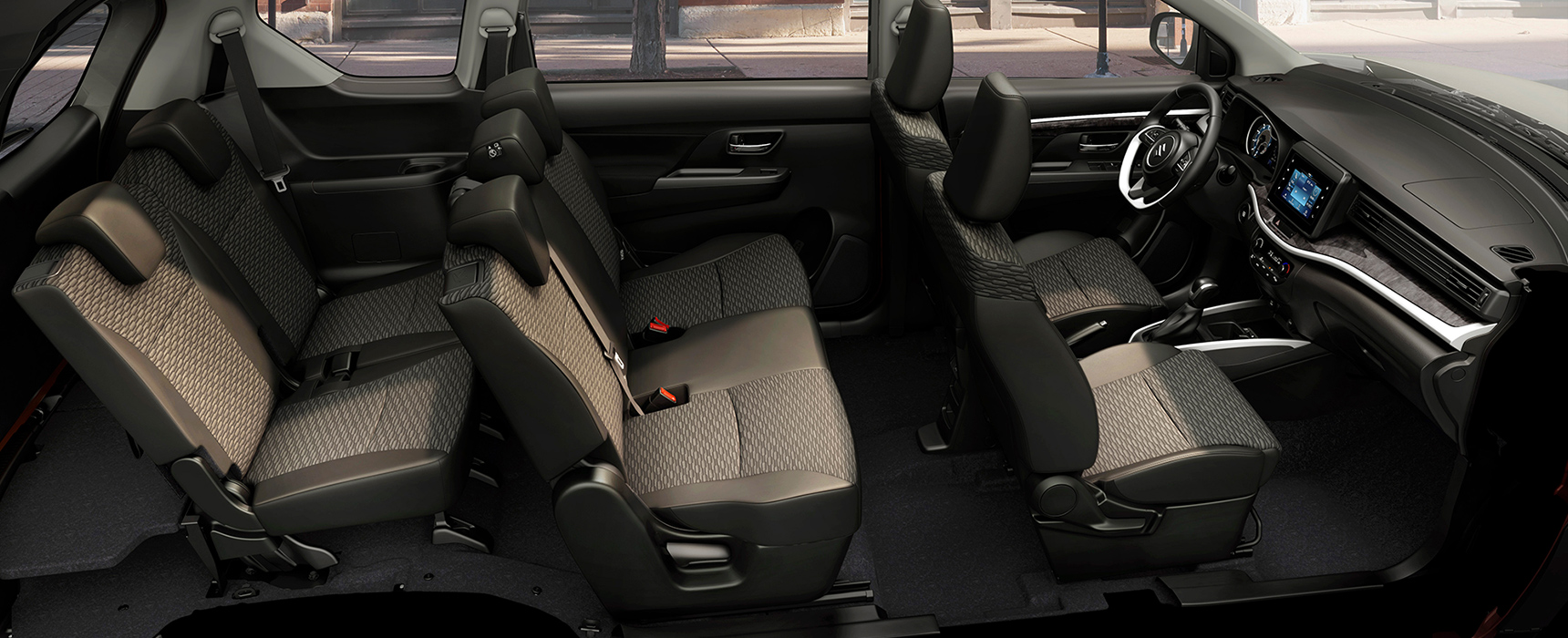


Officially Launched in 2025, the Suzuki XL7 Hybrid Combines Low Consumption, High Efficiency, and Affordable Price — But the Affordable Hybrid SUV Still Has No Forecast to Arrive in Brazil
The segment of affordable hybrid SUVs has just gained a new international highlight: the Suzuki XL7 Hybrid, developed by the Japanese Suzuki in partnership with the Indonesian PT Suzuki Indomobil Sales (SIS), was officially launched in Indonesia with a focus on energy efficiency, sustainability, and accessibility. The vehicle promises consumption of up to 30 km/l with Smart Hybrid technology and arrives in the Asian market with a price equivalent to R$ 80 thousand, placing it among the most accessible hybrid SUVs in the world.
Despite the attractiveness of the proposal, the XL7 Hybrid will be sold only in Southeast Asian countries, such as Indonesia, the Philippines, and Malaysia — leaving out, at least for now, markets such as Brazil and Europe. The announcement sparked debates among experts about the viability of an affordable hybrid SUV in other emerging countries and caught the attention of clean energy enthusiasts in the automotive sector.
Suzuki XL7 Hybrid: Affordable and Efficient Hybrid SUV for Tropical Markets
According to Suzuki Indonesia, the XL7 Hybrid was designed to meet the climatic, economic, and infrastructure peculiarities of the region. This includes varying road conditions, long urban commutes, and tax systems that favor eco-friendly vehicles. With seven seats and a compact size, the model was designed based on the concept of “Strong Tough Hybrid Crossover” — robust yet accessible.
-
Jeep Avenger begins production in Brazil, debuting as the brand’s new entry-level SUV and inaugurating an unprecedented phase by becoming the first national Jeep manufactured outside of Goiana, as part of a R$ 3 billion plan.

-
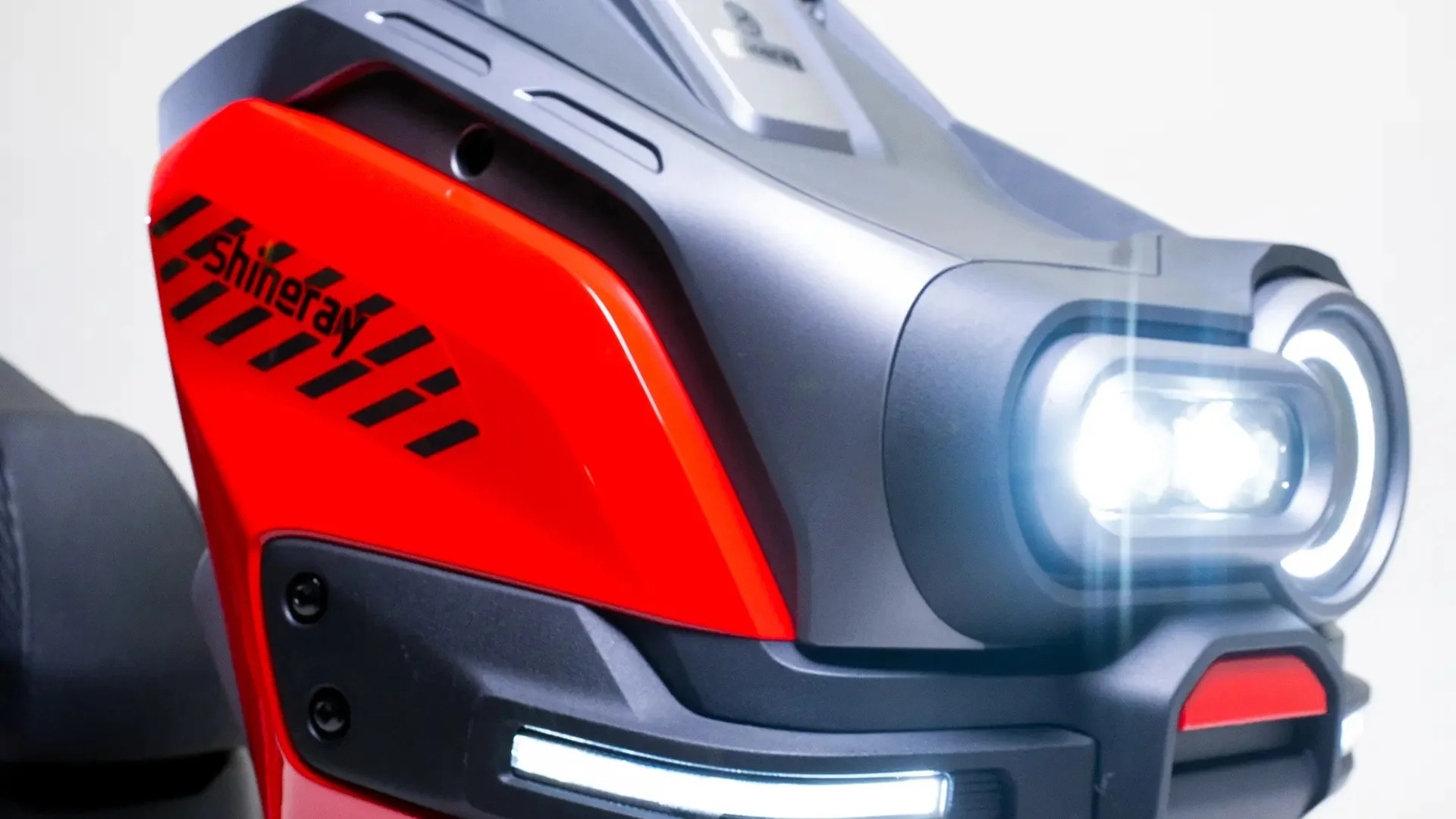
Costing R$ 12,490, the new Shineray Urban Lite 150 “cheap one” arrives in Brazil with a CVT transmission, digital dashboard, and LED lights, making it more affordable than the Biz and targeting those who want to abandon the bus.
-
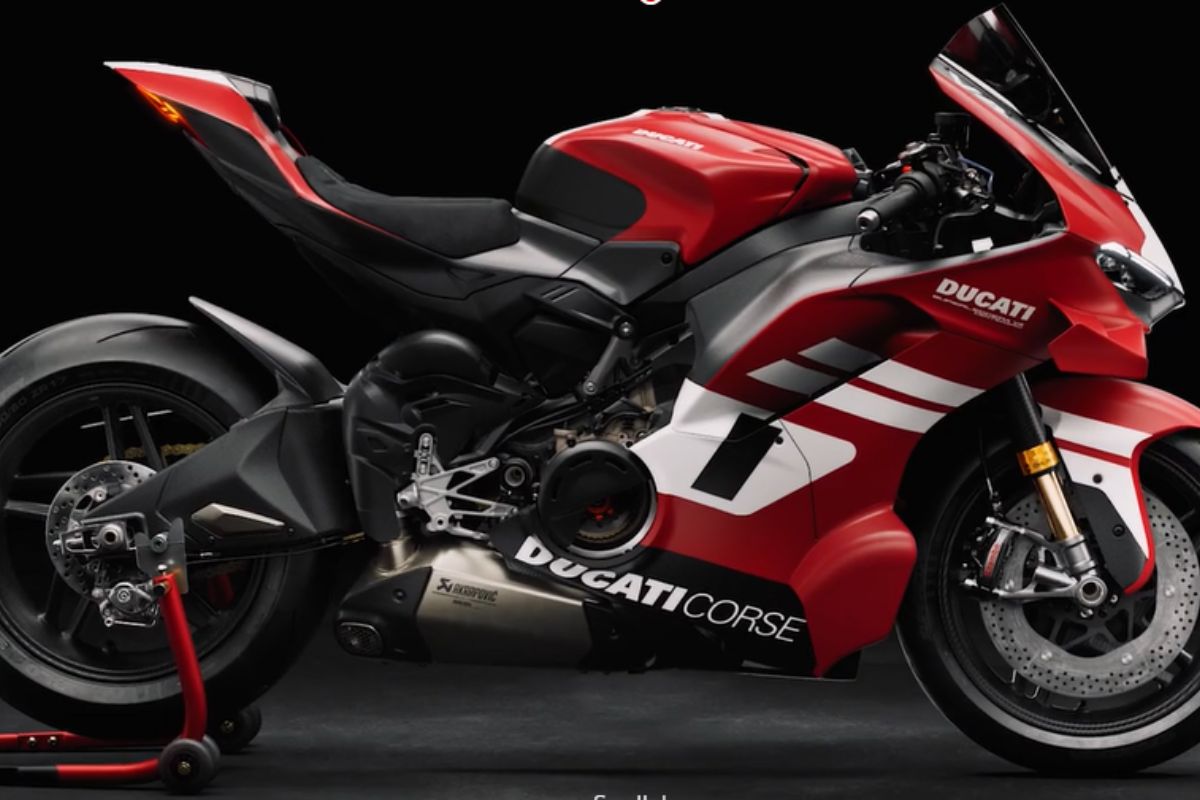
Ducati brings to Brazil the Superleggera V4 Centenario: 228 hp that become 247 with a track kit, carbon fiber and carbon-ceramic brakes, estimated price between R$ 1.5 and 2 million, deliveries only in 2027.
-
Used cars with electric steering for R$ 30,000: check out 5 practical and economical options for everyday use.




The engine is a K15B 1.5-liter gasoline engine, paired with the SHVS system (Smart Hybrid Vehicle by Suzuki), which includes an integrated starter generator (ISG), a 12V lithium-ion battery, and regenerative braking. It is not a conventional hybrid of the full hybrid type, but rather a mild hybrid system that reduces consumption and emissions in constant urban traffic.
According to tests conducted in Indonesia, under real use conditions (with air-conditioning on and 4 passengers), the average consumption reaches 30 km/l in urban routes, solidifying the XL7 Hybrid as one of the most efficient SUVs in its category.
Launch in Indonesia and Regional Export Plan
Suzuki chose Indonesia as the production hub for the XL7 Hybrid because it is one of the fastest-growing markets for electrified vehicles in Southeast Asia. According to data from the ASEAN Automotive Federation, the country leads the adoption of mild hybrid technologies in terms of cost-effectiveness.
The plant located in Cikarang, about 50 km from Jakarta, is mainly responsible for manufacturing the model. There, Suzuki already produces hybrid versions of the Ertiga, and now expands the lineup with the XL7.
The initial plan includes export to 20 countries, all within the Asia-Pacific region. However, Suzuki Global stated that “it will evaluate the feasibility of expansion to Latin America depending on the response from target markets and the evolution of local after-sales infrastructure.”
So far, there is no official forecast for the launch of the Suzuki XL7 Hybrid in Brazil, which frustrates potential consumers looking for affordable economical hybrid SUVs.
Design and Features: A Family SUV with a Focus on Functionality
Despite its low price, the XL7 Hybrid presents a respectable package of comfort and safety. On the outside, the SUV displays typical elements of a modern sports utility vehicle: LED headlights, matte black wheel trim, functional roof rack, and 16-inch alloy wheels.
On the inside, space is one of the strong points. With capacity for seven passengers in three rows, the XL7 Hybrid competes directly with models like the Mitsubishi Xpander Cross and Toyota Rush. The trunk, with the rear seats folded down, offers up to 803 liters of capacity.
Among the features available in the top versions (Alpha and Beta) are:
- 8” infotainment system with Android Auto and Apple CarPlay
- Rearview camera
- Stability control (ESP)
- Hill start assist
- Automatic start-stop
- Digital air conditioning
- Rear parking sensor
- Dual front airbags
The Smart Hybrid technology also includes real-time economy monitoring, with graphics for regeneration and battery charge, optimizing the user’s driving style.
Comparison: What Makes the Suzuki XL7 Hybrid Unique in the Global Scene?
While hybrids from brands like Toyota, Honda, and Hyundai dominate the Western market, the proposal of the Suzuki XL7 Hybrid stands out by delivering the essentials with excellent efficiency at a drastically lower price.
For example, the Toyota Corolla Cross Hybrid, available in Brazil, starts at R$ 160 thousand and has an average consumption of 17 km/l. Meanwhile, the Honda HR-V e:HEV exceeds R$ 200 thousand with a consumption of 18.8 km/l.
In this context, the XL7 Hybrid positions itself as the cheapest hybrid SUV in the world in its category, with consumption almost twice as high in urban scenarios and an acquisition cost 50% lower than its competitors.
However, it is important to highlight that the SHVS system (mild hybrid) does not allow it to run exclusively in electric mode, unlike full hybrids. Its function is to assist the thermal engine and generate savings in specific situations, such as frequent accelerations and braking — which explains its classification as a mild hybrid SUV.
The Impact on the Market and Demand for Affordable Hybrid SUV
The launch of the Suzuki XL7 Hybrid represents a strategic move toward democratizing renewable energy in individual transportation. With its arrival, consumers in emerging countries gain access to cleaner and more economical vehicles without needing to invest exorbitant amounts.
According to Bloomberg Green, the market for mild hybrid vehicles is expected to grow 21% per year until 2030, particularly in Asia, Latin America, and Africa. The challenge, however, lies in adapting the models to the regulatory demands and expectations of each country.
In Brazil, for example, import tariffs, volatile exchange rates, and the absence of bilateral free trade agreements with Indonesia complicate the entry of models like the XL7 Hybrid. Moreover, the Brazilian Renavam requires specific homologations for electrified vehicles, which raises costs and may hinder competitive pricing.
Suzuki and Its Focus on Accessible Sustainability
Suzuki has positioned itself as one of the Japanese brands most committed to developing eco-friendly mobility solutions for emerging markets. In its strategic plan “Suzuki Environmental Vision 2050,” the manufacturer has committed to:
- Reduce CO₂ emissions by 40% by 2030
- Completely eliminate vehicles with 100% combustion engines by 2045
- Produce electrified vehicles in all its global factories by 2030
- Prioritize technologies for mild hybrids and compact electric vehicles
The choice of Indonesia as a hub for hybrid innovation was not accidental: the country offers tax incentives for manufacturers developing low-cost sustainable technologies and has a well-established regional supply chain.
Will the Suzuki XL7 Hybrid Arrive in Brazil?
Interest in affordable hybrid SUVs in Brazil has been growing rapidly. However, the Suzuki XL7 Hybrid still has no forecast for national launch. Experts point out that for its entry into the Brazilian market to be viable, it would be necessary to:
- Local production or in Mercosur countries, to avoid the burden of import tariffs
- Adaptation of the model to the standards of Inmetro and Contran
- Creation of a specialized maintenance network, especially for the SHVS system
- Marketing campaigns focused on educating about the difference between mild and full hybrids
If these conditions are met, the XL7 Hybrid could become a true “game changer” in the Brazilian SUV market, creating a new category of accessible eco-friendly vehicles with low cost per km.
The Suzuki XL7 Hybrid is more than just an SUV with 30 km/l consumption: it symbolizes a new phase of sustainable mobility, focusing on efficiency, accessibility, and adaptation to developing markets. Priced at the equivalent of R$ 80 thousand, the model becomes an icon of what the future of hybrid vehicles could be in countries where access to clean technology is still limited.
Though restricted to Indonesia and neighboring countries, the launch attracts global attention and pressures other manufacturers to rethink their strategies. After all, not everyone can afford R$ 200 thousand for a hybrid — but everyone wants to consume less fuel and contribute to the environment.
For Brazil, the XL7 Hybrid remains a distant possibility. But its success could inspire local initiatives that democratize the automotive energy infrastructure with a focus on renewable energy, offering consumers an alternative between sustainability and cost-effectiveness.









R$ 250,000 no Brasil
Caracas que matéria de amador ,e outra coisa se na Indonésia terá esse valor imagina se chegasse aqui ?
Se vai ser vendido lá por que **** se faz uma postagem