





 Portuguese
  English
  Spanish
  4 min of reading
  0 comments


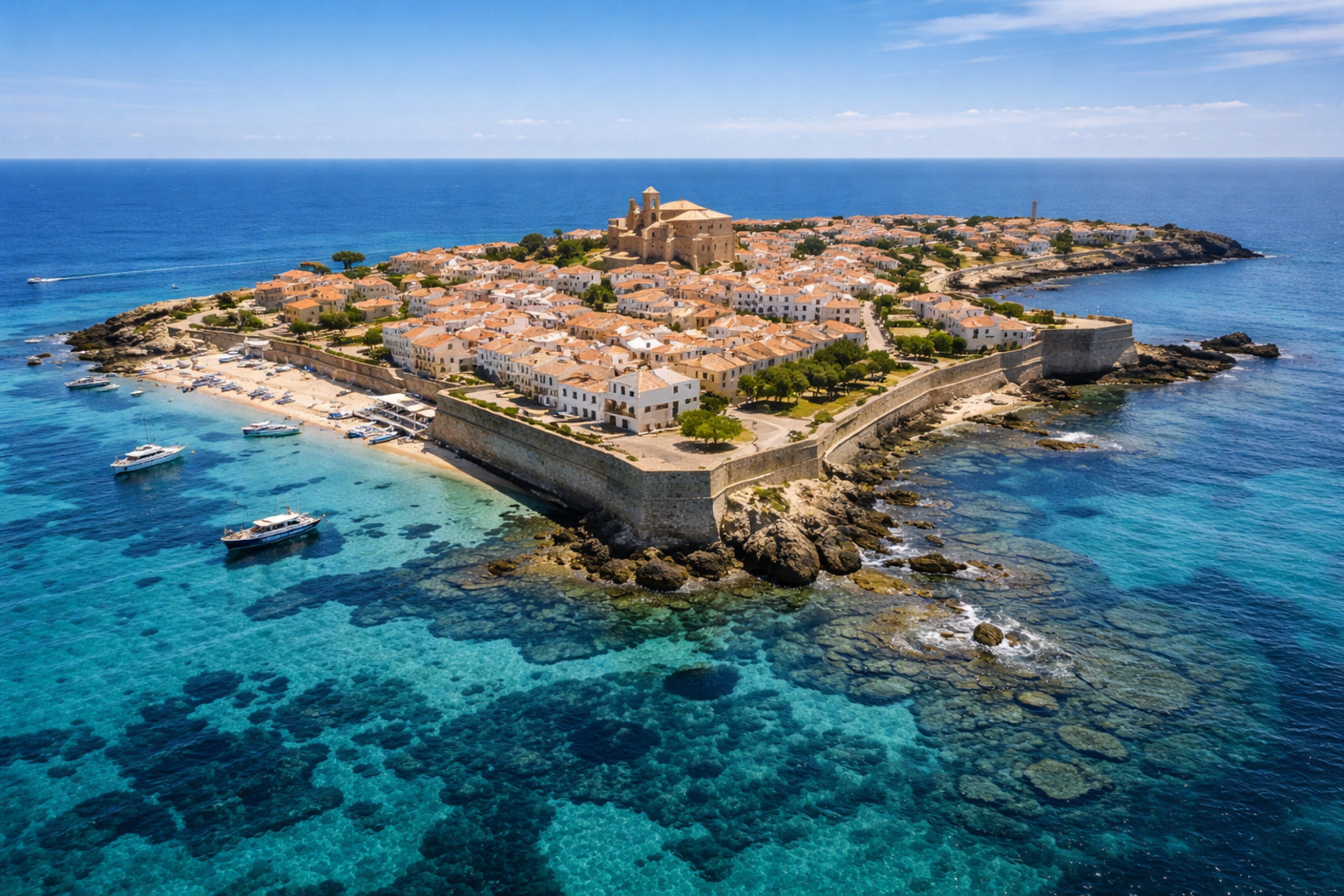
Residents of Tabarca, the smallest inhabited island in Spain, begin process to obtain administrative autonomy and face isolation, intense tourism, and daily challenges
Tabarca, the smallest inhabited island in Spain, with about 50 to 60 permanent residents, has initiated the process to become administratively independent from Alicante after more than a decade of claims, in a territory where isolation, tourism, and preservation define daily life.
Permanent life among walls and boats
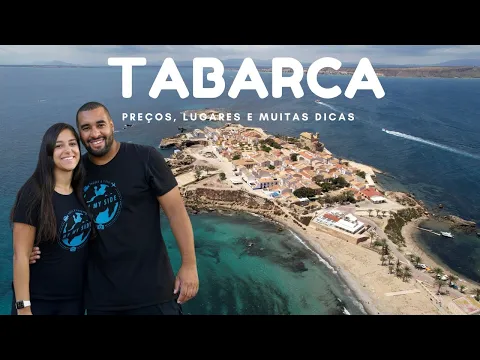
In the Mediterranean Sea, Tabarca is located eight nautical miles from Alicante and just over three from Santa Pola.
Access can only be made by sea, with no bridges, roads, or alternative routes when navigation faces difficulties.
-
In Qatar, a strategic terminal at Hamad Port has been designed to store enough rice, sugar, and oil to supply 3 million people for up to two years, turning the port into one of the most secure food vaults in the Gulf.
-
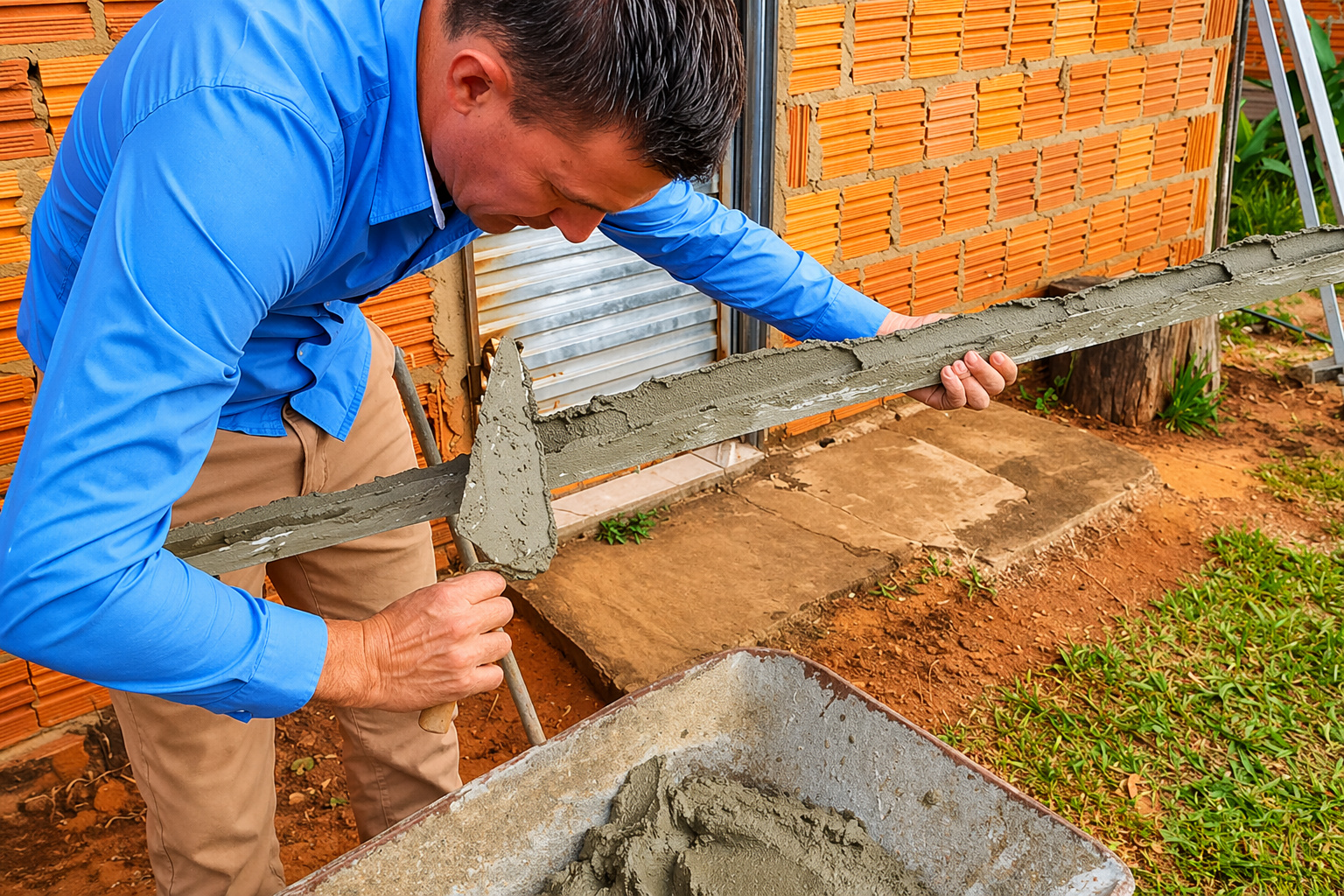
A mason from Mato Grosso do Sul develops an unusual plastering technique that eliminates seams, reduces the time to three hours, and leaves the wall completely smooth.
-
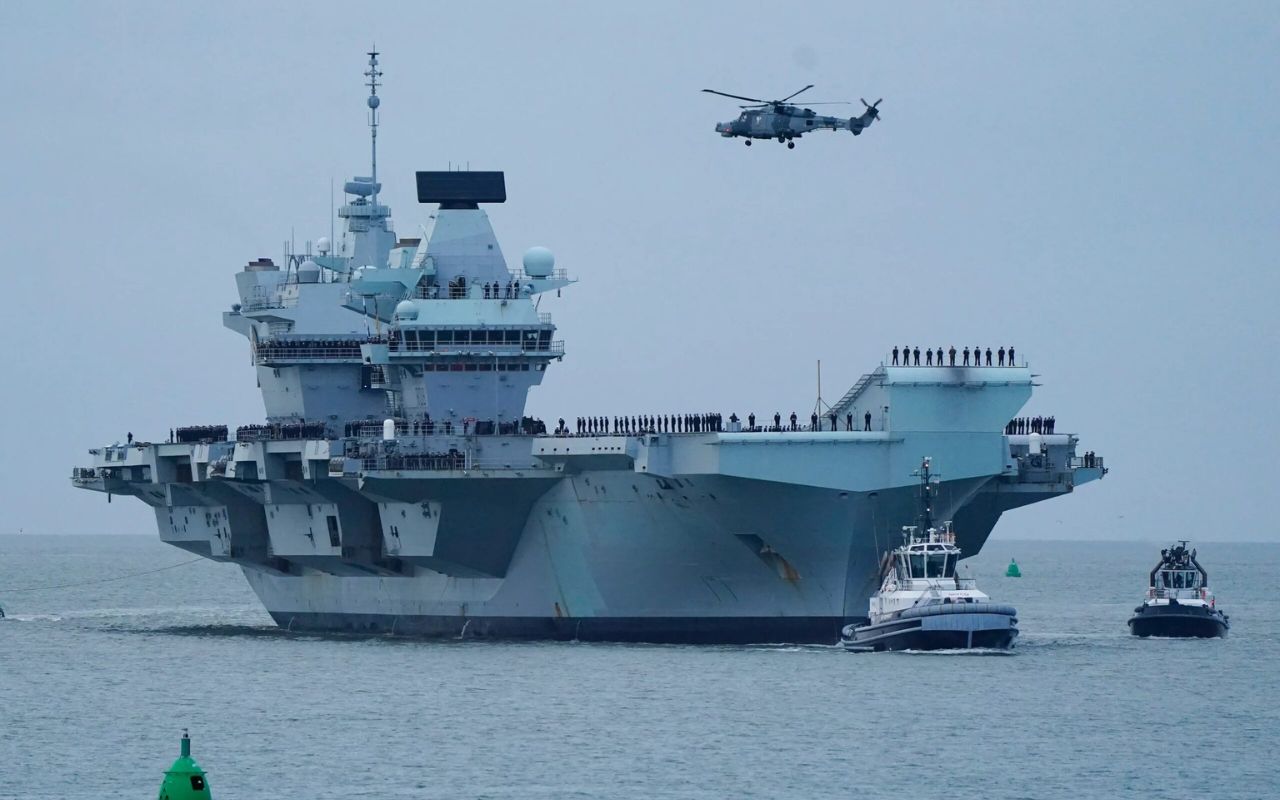
It has 65,000 tons, 280 meters, and 10 diesel engines: the HMS Queen Elizabeth is the largest aircraft carrier in the United Kingdom, combining advanced technology, F-35B fighters, and functioning as a complete airbase at sea.
-
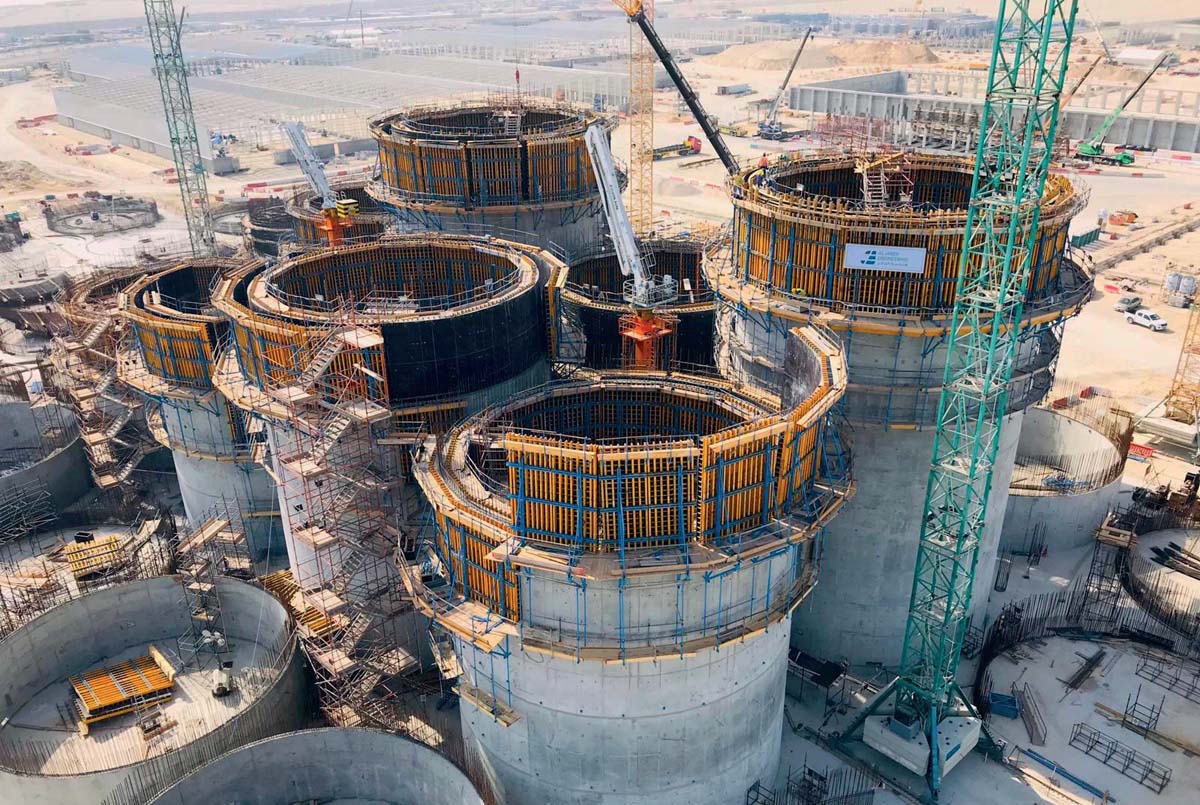
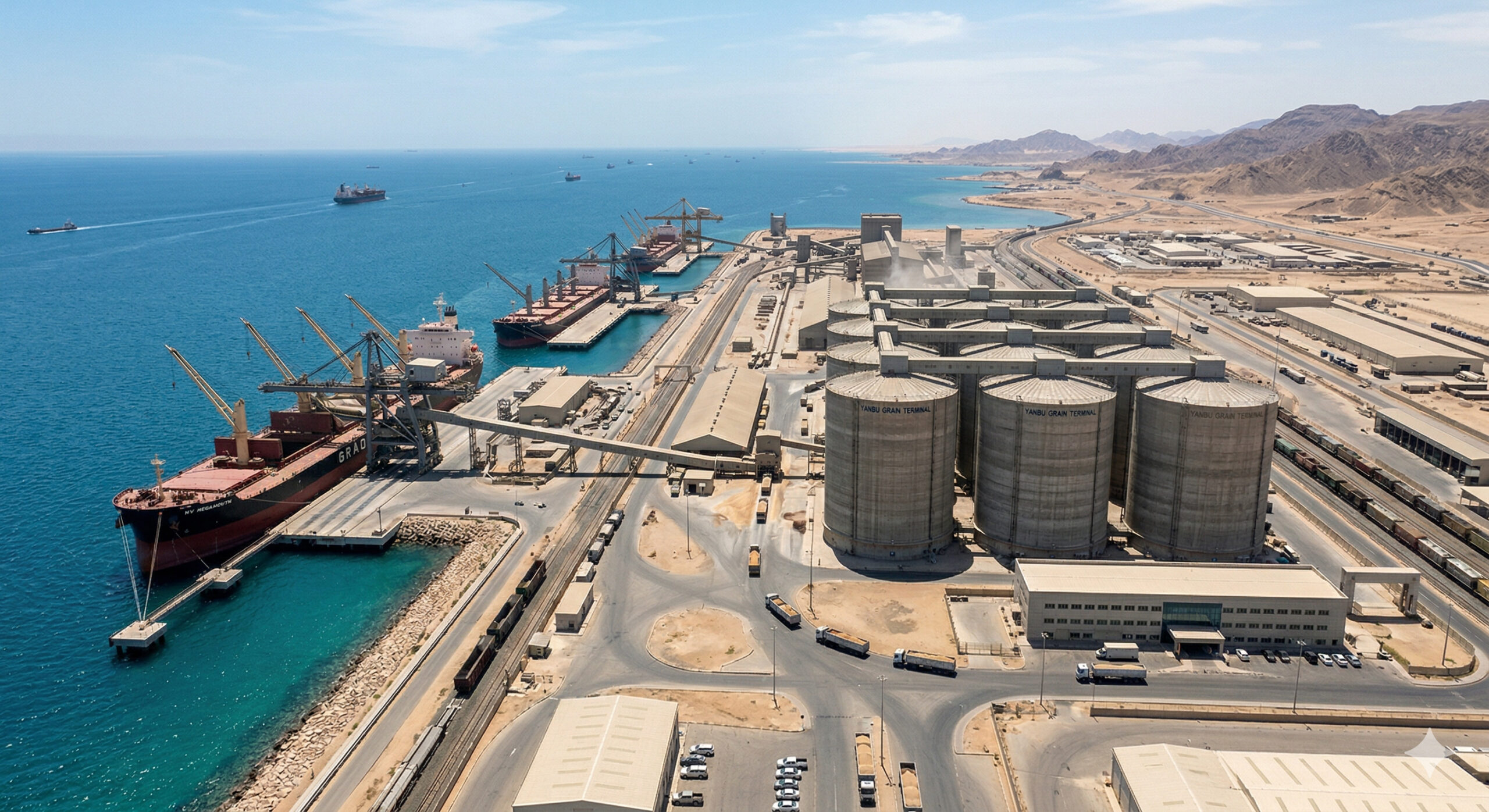
On the Red Sea coast, a megaterminal with a capacity of 156 thousand tons, 12 giant silos, and an annual flow exceeding 3 million tons creates an alternative grain route outside the Strait of Hormuz and secures supply in the region, the Yanbu Grain Handling Terminal in Saudi Arabia.
The island measures 1,800 meters in length, 400 in width, and covers about 30 hectares. Despite its small size, it has a routine that is entirely dependent on the regular boats that connect it to the mainland.
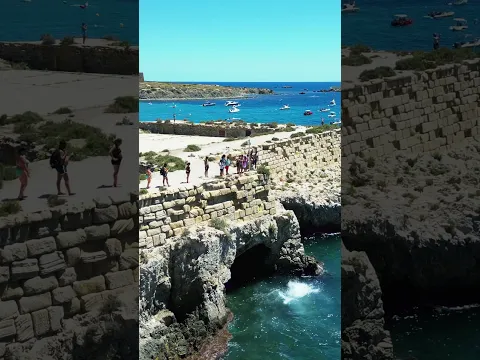

These vessels ensure the arrival of food, materials, and basic supplies. They also condition emergency medical care, as traveling to the mainland can become compromised when the sea worsens.
The isolation that attracts tourists weighs differently for those who live there year-round. In Tabarca, this condition directly interferes with the routine, supply, and how residents face each season.
In winter, the island reveals its true scale. The approximately 50 to 60 registered residents know each other by name, share habits, and live in a walled historic center, with whitewashed houses and almost no vehicles circulating.
What led to the request for autonomy
The residents’ association gathered 33 signatures within a census of about 59 registered people to initiate the process that could transform Tabarca into a smaller local entity.
This figure would allow for the direct administration of certain competencies and resources. For residents, depending on a large city accessible only by boat means subjecting the island to decisions made from another reality.
Among the main complaints is the lack of progress in maritime transport. Residents claim that a demand formally approved by the regional parliament in 2018 has never been implemented.
Another point is the absence of clear decisions regarding the island’s urban future. Tabarca has been waiting for years for the approval of a Special Planning Plan that remains undefined.
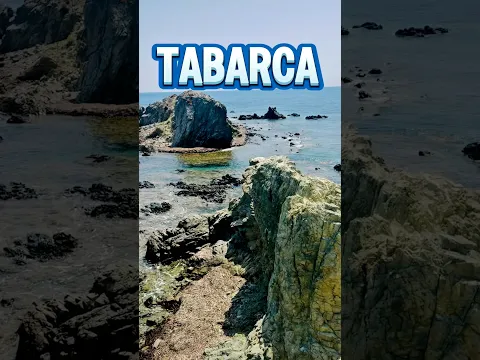
There is also a feeling that the municipal administration of Alicante decides without considering the particularities of an isolated territory at sea, with permanent limitations and demands very different from those of a continental urban area.
The difficulty of accessing basic health services reinforces dissatisfaction. In emergencies, when sea conditions worsen, reaching the mainland can become more complicated.
Historical heritage and environmental value
The uniqueness of Tabarca goes beyond geography. The island gained its current urban shape in the 18th century when Carlos III ordered the construction of walls and a planned residential core.
This space was designed to house Genoese fishermen who had been enslaved by Tunisian pirates and later freed through Spanish diplomatic negotiations.
The past remains visible in the narrow streets, low houses, and preserved layout. In just a few blocks, Tabarca concentrates a historical landscape that has remained virtually intact since the colonial period.
The island also occupies a special position in environmental conservation. In 1986, it was declared the first marine reserve in all of Spain, a milestone that now marks four decades.
Under its crystal-clear waters extend meadows of Posidonia oceanica, a marine plant endemic to the Mediterranean and an important indicator of the quality of the local ecosystem.
On calm days, underwater visibility easily exceeds twenty meters. This has made Tabarca a reference destination for diving and snorkeling along the entire Spanish coast.
The impact of the tourism explosion in summer
The difference between winter and summer helps explain the request for greater autonomy. During the cold months, Tabarca maintains the serene pace of a small community.
However, between July and August, the situation changes completely. The island receives between 3,000 and 5,000 visitors per day from Alicante and Santa Pola.
They seek white sand beaches, turquoise water coves, walks along the historic walls, and the rice with caldero served on the terraces of the restaurants.
The population grows disproportionately for a territory of 30 hectares. Along with the increase in economic activity, pressure on services, circulation, and environmental preservation also rises.
This contrast is pointed out by residents as one of the elements that most complicate the management of the island within the current structure.
For them, Alicante cannot prioritize, to the same extent, a fragile ecosystem and such a small community.
A local, non-ideological movement
The case of Tabarca differs from other recent independence movements in Europe. The goal is not the separation from a national state nor an ideological rupture.
Residents seek the creation of a smaller local entity with the capacity for administrative self-management, a figure existing in Spanish legislation and used by small rural and urban communities.
In practice, it is a request for a specific reality: an island of 30 hectares, with about 50 permanent residents, isolated by sea and surrounded by unique historical and natural heritage.
For those living in Tabarca, administrative independence is not presented as a symbolic gesture. It arises as a way to ensure that decisions regarding transport, urban planning, services, and protection of the island are made by those who understand its limitations.
At the heart of the request is the assessment that Tabarca needs to be managed by those who live with its limitations, its tourist pressure, and its historical and environmental value.
With information from Catraca Livre.





Seja o primeiro a reagir!