





 Portuguese
  English
  Spanish
  3 min of reading
  0 comments


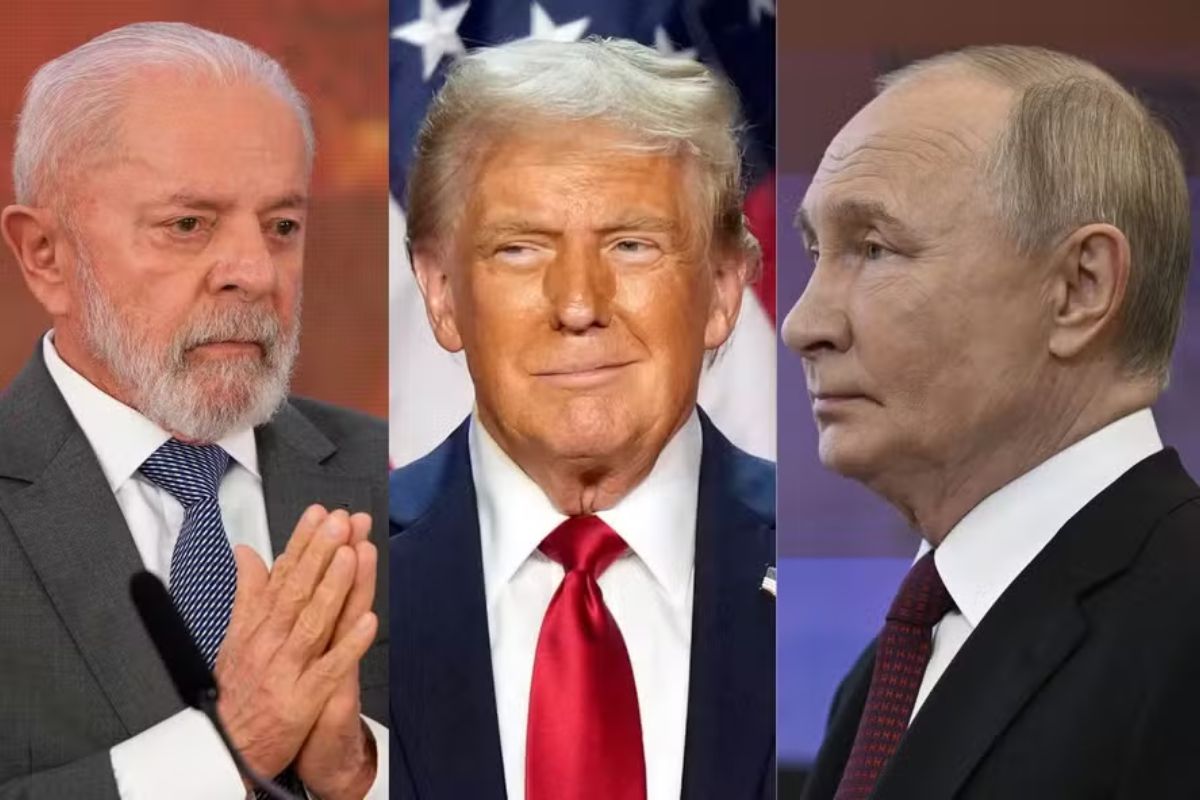
Proposal Under Discussion in the U.S. Congress Targets Countries Negotiating with Moscow, Such as China, India, and Brazil, and May Aggravate the Trade Crisis.
A bipartisan bill in advanced discussions in the United States Congress threatens to impose a 500% tariff on products from countries that, according to Washington, help sustain Russia’s war machine. Brazil has been specifically cited as one of the targets, alongside China and India, raising a serious alarm for the Brazilian economy and diplomacy.
The proposal, led by Senators Lindsey Graham (Republican) and Richard Blumenthal (Democrat), seeks to give President Donald Trump a devastating economic pressure tool to isolate the Kremlin and force an end to the conflict in Ukraine.
The Target: Cut War Funding
The logic behind the bill is simple: undermine the revenue sources that allow Russia to continue funding the invasion of Ukraine. According to American senators, countries that continue to purchase oil, fertilizers, and other Russian products are, in effect, injecting essential resources into the Kremlin’s budget.
-
After nearly 30 bids and competition among industry giants, a Spanish company purchases one of the largest airports in Brazil for almost R$ 3 billion and takes over the management of Galeão in a concession that will last until 2039.

-
The Federal Revenue Service now automatically cross-references everything you declare with data from banks, credit cards, brokerage firms, and insurance companies, and any discrepancy between your income and your expenses triggers an alert in seconds.

-
Amid global tensions, Brazil blocks the United States’ proposal at the WTO and paves the way for a trade crisis and possible retaliations.
-
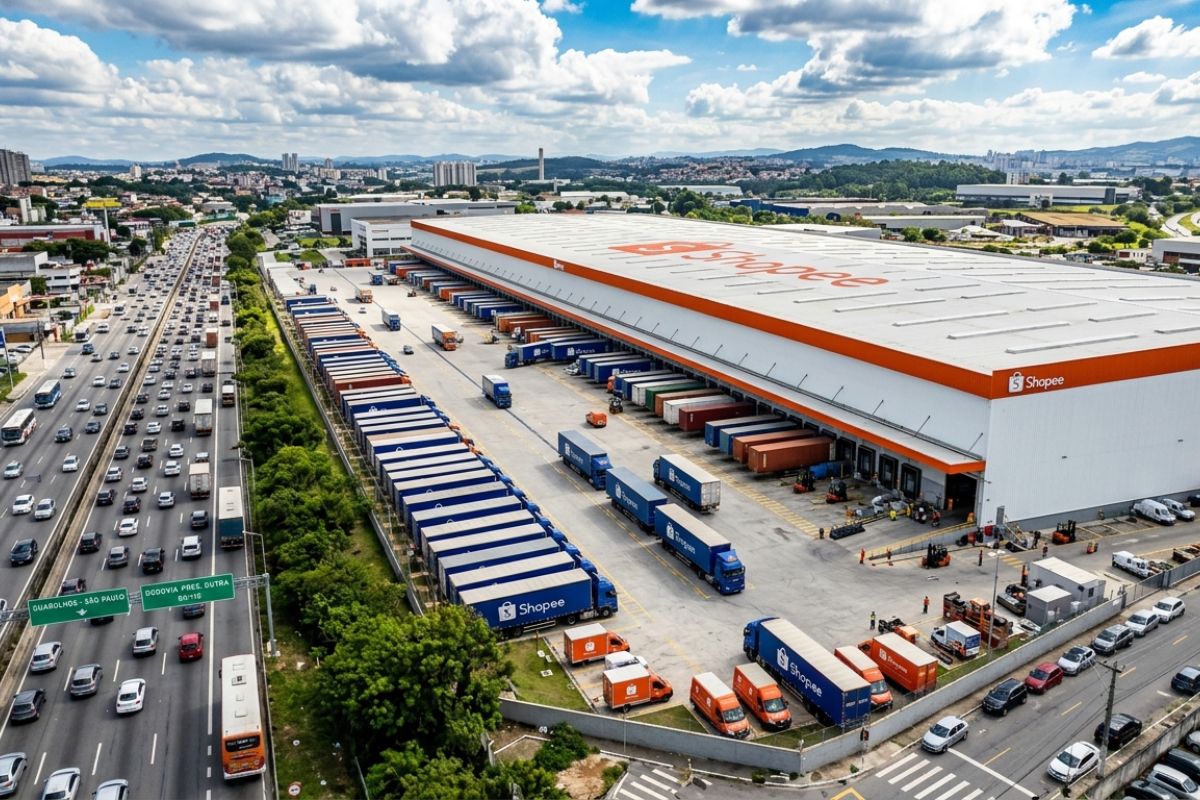
Shopee opens the largest logistics warehouse in Brazil in Guarulhos: 220,000 m² on Dutra, contract signed before construction, pays R$ 45/m² and accelerates deliveries at scale, putting pressure on Mercado Livre and Amazon.

The accusation is not that Brazil is deliberately financing the war, but that by maintaining trade relations with Moscow, the country becomes one of the pillars sustaining the Russian economy in times of conflict.
The Direct Impact on Brazil
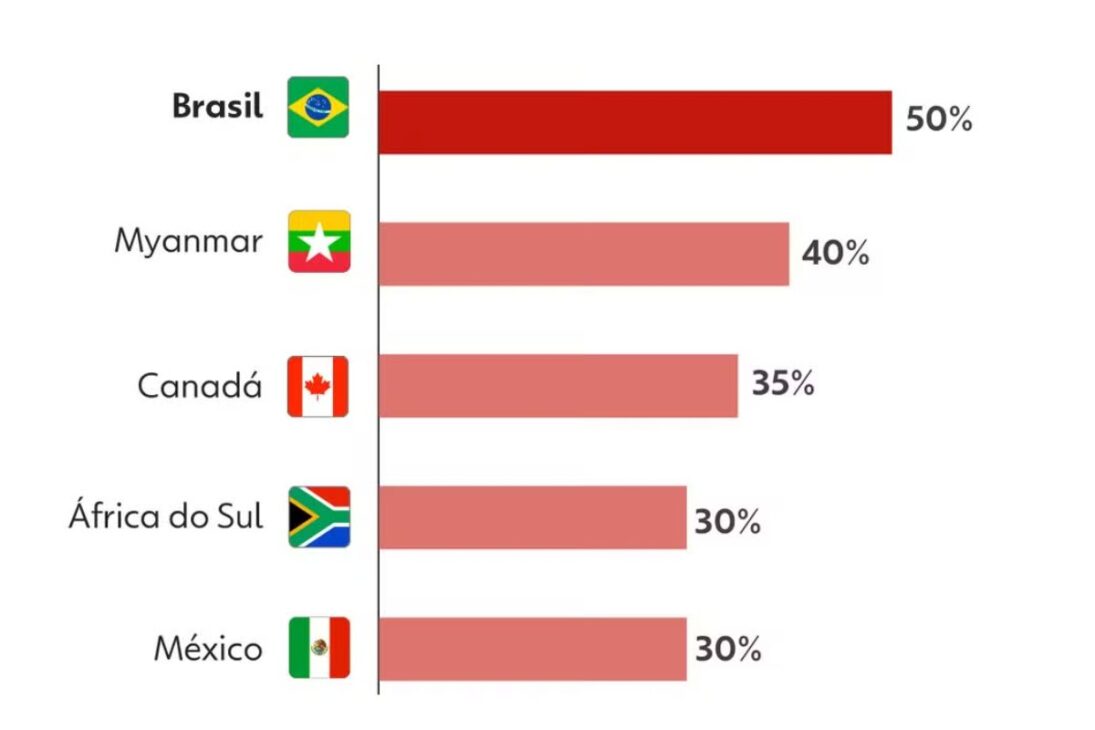
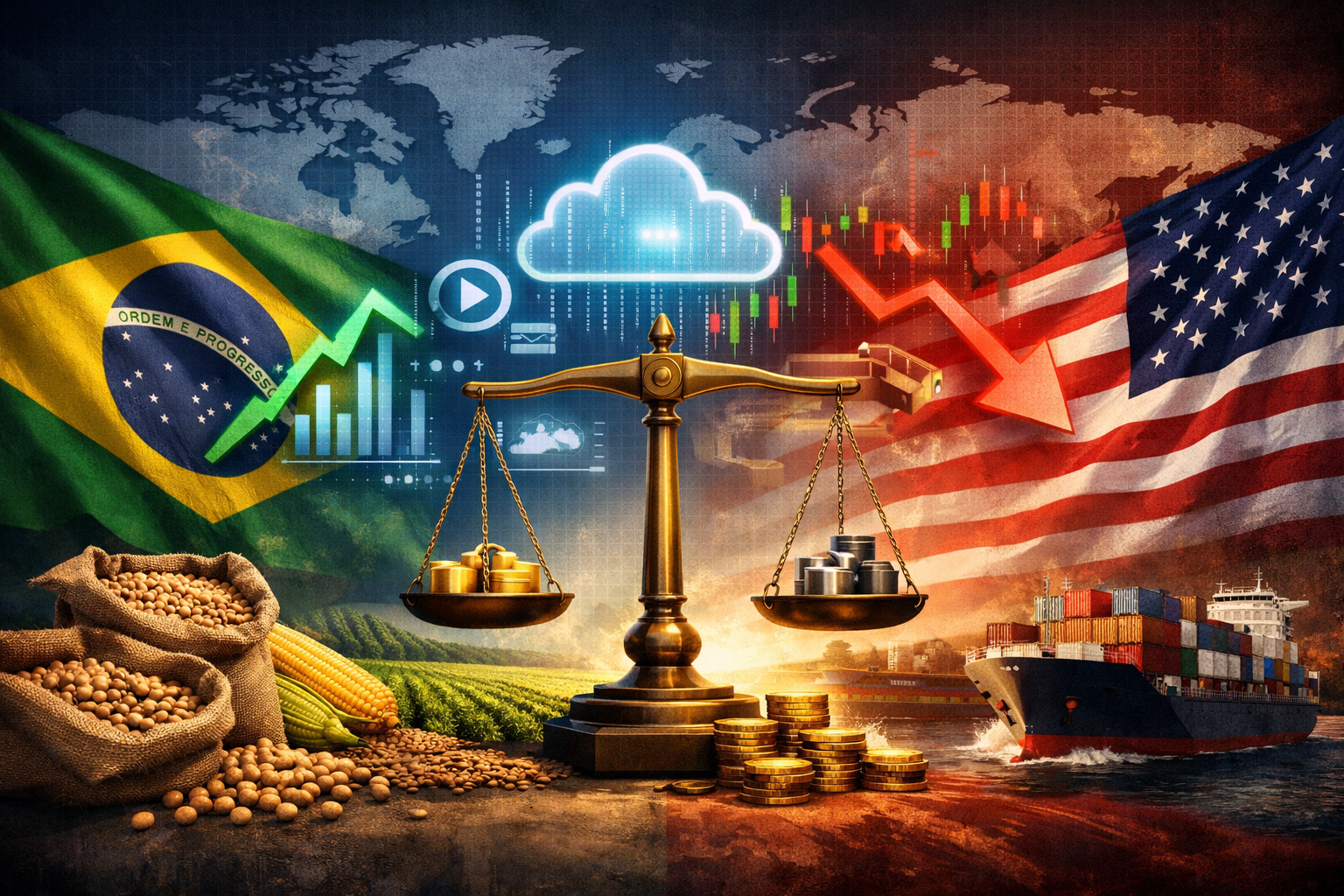
If the bill is approved and signed, the consequences for Brazil could be severe. The measure would add to the already announced 50% tariffs by Trump, creating a scenario of extreme pressure.
Exports at Risk: Brazilian products sold to the United States, from agricultural commodities to industrial items, could be taxed up to 500%. This would make Brazilian products unviable in the American market, causing a billion-dollar loss for the country’s trade balance.
Diplomatic Isolation: Being officially classified as a country that indirectly supports Russia would generate an enormous diplomatic strain with the United States and the European Union, Brazil’s main trading partners.
The “Trump Factor” and the Progress of the Bill
The bill already has the support of 85 out of 100 senators, showing strong consensus among Republicans and Democrats. According to Senator Graham, President Donald Trump, after a frustrating conversation with Vladimir Putin, would be more inclined to take a hard stance, authorizing more military aid to Ukraine and supporting new sanctions.
The Senate Majority Leader, John Thune, indicated that the bill could be voted on even before the next legislative recess, increasing the urgency of the situation.
The Brazilian Dilemma: BRICS or the West?
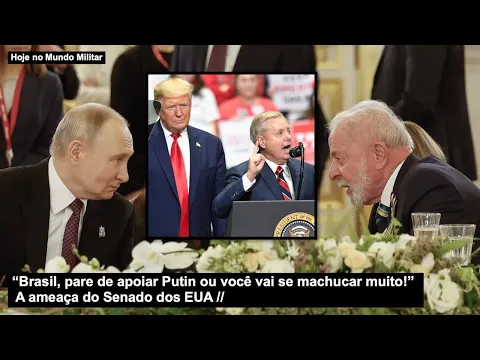

If sanctions proceed, Brazil will be faced with a difficult choice:
- Maintain Ties with Russia: Continue importing Russian products, such as diesel and fertilizers, and risk facing unprecedented economic retaliation from the U.S.
- Align with the West: Sever or drastically reduce trade with Russia, which could lead to a diplomatic crisis with an important BRICS partner.
The decision that the Brazilian government makes in the coming months will determine the course of foreign relations and the country’s economy for the upcoming years.
And you, what path should Brazil take? Maintain neutrality and risk sanctions or align with one side? Share your opinion in the comments.









-

Uma pessoa reagiu a isso.