





 Portuguese
  English
  Spanish
  3 min of reading
  0 comments


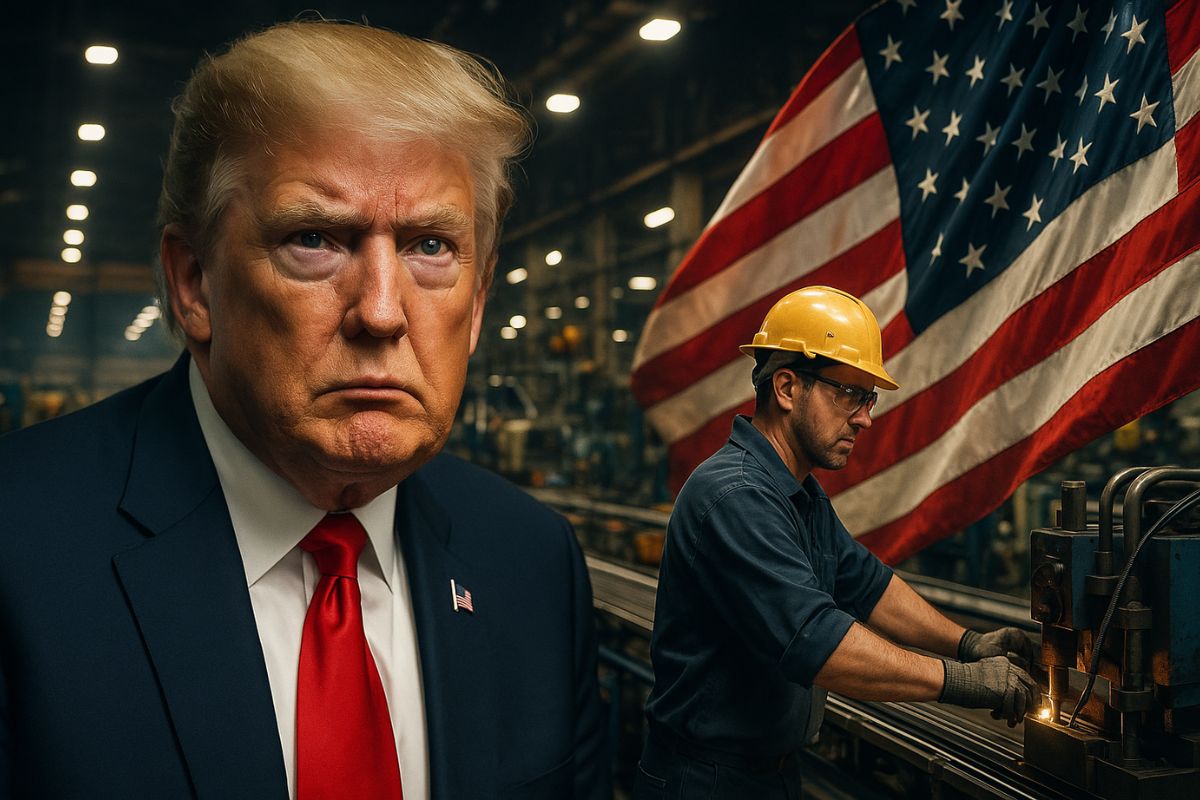
Fiergs Alerts For Risk Of Mass Layoffs And Demands Emergency Measures From Federal And State Government
The tariff announced by the United States could cause an unprecedented shock to the economy of Rio Grande do Sul, with a direct risk to 140,000 industrial jobs, according to a warning from Fiergs (Federation of Industries of the State). Even with exemptions for some products, 85.7% of exports from Rio Grande do Sul were excluded from the measure, making the state the most affected in the country.
In light of this scenario, Fiergs and CNI (National Confederation of Industry) are already discussing emergency measures with the federal government, such as suspension of work contracts and reduction of work hours, to avoid mass layoffs. The impact, according to industry representatives, could be comparable to the worst moments of the pandemic and the floods that hit the state in 2024.
Billion-Dollar Impact And Systemic Risk In The Export Sector
According to the president of Fiergs, Claudio Bier, the American cut represents a direct threat to the export model of industries in Rio Grande do Sul: “There are 140,000 jobs at risk. With a tariff of 50%, many companies will need to reinvent their markets or retreat to the national one.”
-
With over 1 million bottles per year and 1.2 million vines, winter wines are advancing and gaining a strategic laboratory worth R$ 3.4 million in the Midwest.

-
Elderly individuals aged 65 or older who have never contributed to the INSS can receive R$ 1,621 per month in 2026 without having paid any contributions in their lifetime: learn how the benefit works that already supports nearly 7 million Brazilians.

-
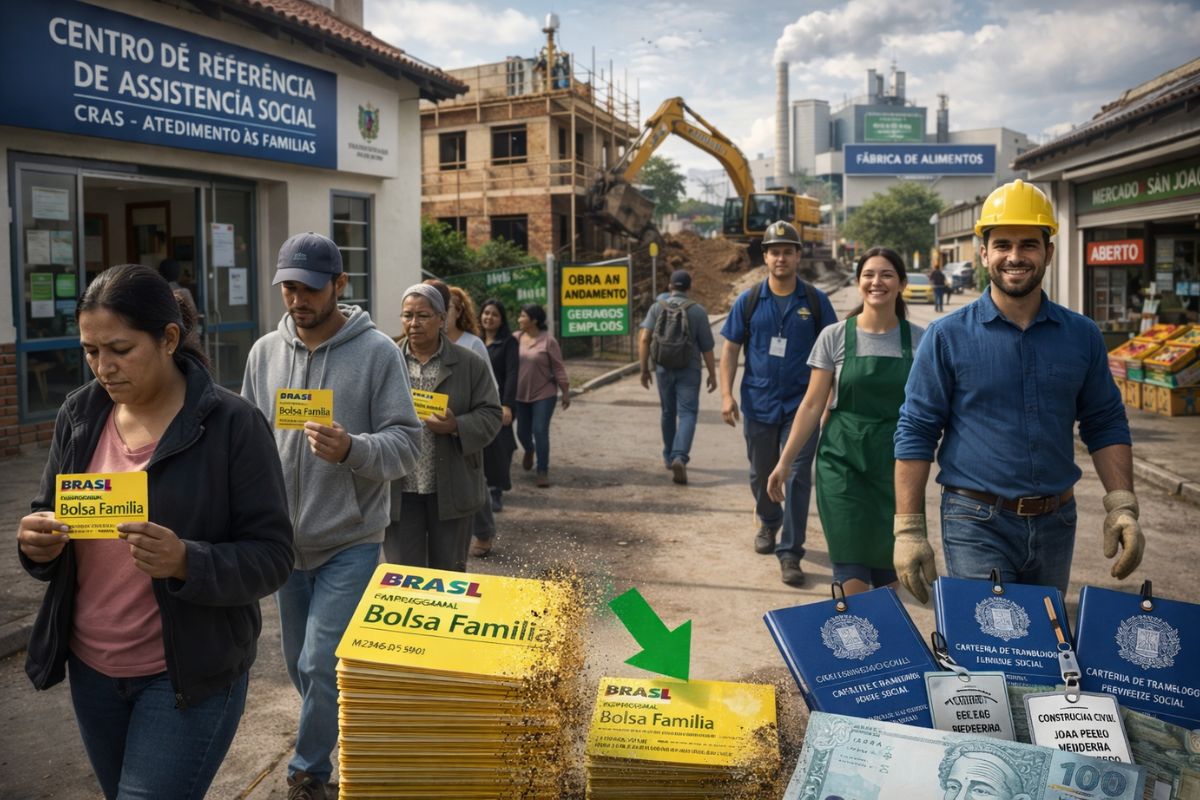
The gaucho city reduced the number of Bolsa Família beneficiaries by almost 40% in just a year and a half with active outreach that connects each registered person directly to job vacancies in Bento Gonçalves in Rio Grande do Sul.
-
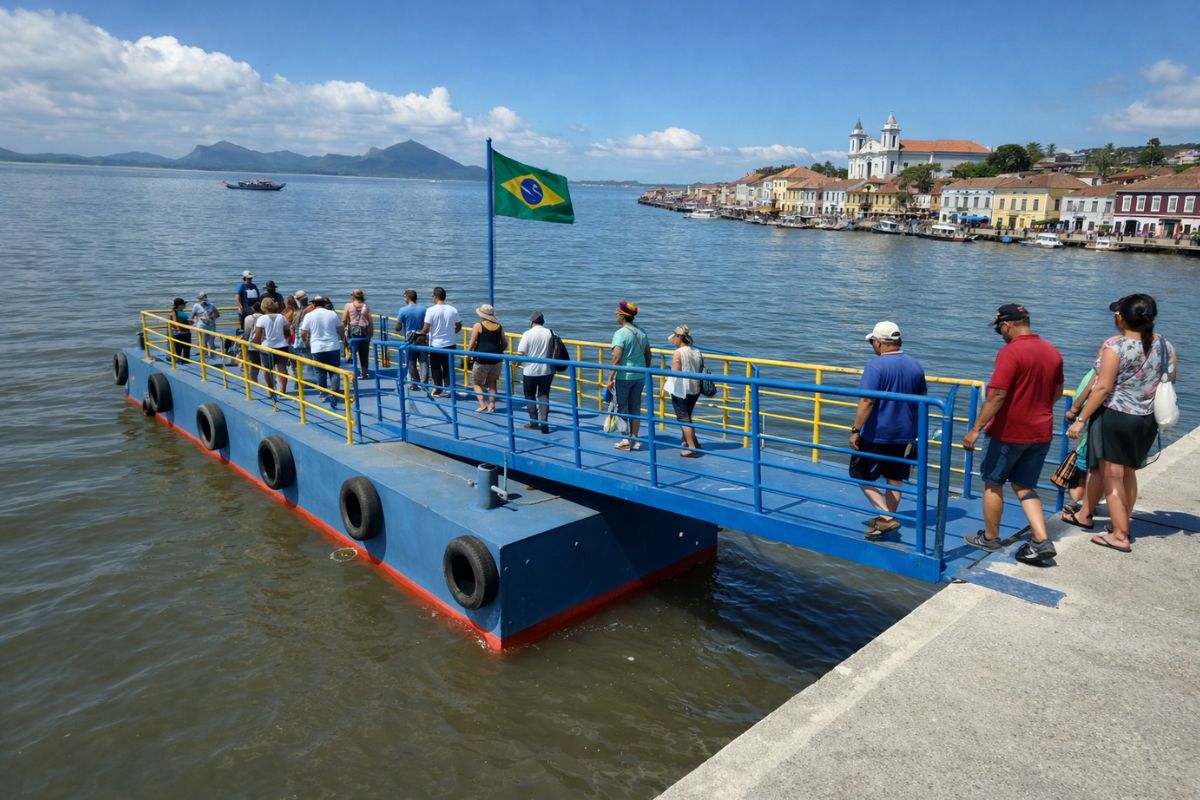
The bluest city in Brazil has just gained a new floating bridge for the free crossing between the island and the mainland, connecting residents and visitors to the historic center of São Francisco do Sul every day of the week.

The most affected sector is metal products, responsible for 35.8% of the state’s exports in 2024 to the USA — about US$ 324.9 million. Among the affected items are boilers, tools, metalworking, and metal packaging, categories with high local employment rates and difficult reallocation.
Collective Vacation, Hours Bank, And Maneuvering Limits
The coordinator of the Labor Relations Council at Fiergs, Guilherme Scozziero, explained that there are temporary alternatives to avoid immediate cuts, such as collective vacations and hours bank. However, he warns that these measures have a limited duration: “Without stronger government support, as there was during the pandemic, the trend is a significant increase in unemployment.”
Scozziero states that Fiergs will seek support similar to what was used in recent critical moments: temporary suspension of contracts, subsidies for work hour reductions, and the release of facilitated credit for exporters.
Taurus, Footwear Manufacturers, And Electric Sector Among The Most Threatened
Among the most affected sectors, Taurus stands out, having exported 85.9% of its production in 2024 to the USA — about US$ 170.2 million. The footwear industry, in turn, allocated 19.4% of its production to the American market (US$ 176.2 million), often under the own brand of US companies, making it difficult to replace buyers.
The sector of machines and electrical materials also appears among the affected, with US$ 114.6 million exported, which represents 42.5% of the total external sales of the sector. The diversity of affected segments reveals the systemic potential of the crisis.
State Government Tries To Mitigate Damage With Emergency Credit
In response, Governor Eduardo Leite (PSD) announced R$ 100 million in credit for exporting companies, with release starting on the 4th. Fiergs considers the measure positive but insufficient, and has already requested that the amount be, at a minimum, doubled.
Initially, the estimated impact on the GDP of Rio Grande do Sul was R$ 1.9 billion, but after the publication of the list of exceptions to the tariff, the projection was revised to R$ 1.5 billion.
“Prodding A Lion With A Short Stick,” Says Fiergs About Retaliation
Bier also made a diplomatic alert: pressuring the USA with retaliatory measures could worsen the problem. “We are prodding a lion with a short stick. We need dialogue. The posture of the American government could become even more aggressive if confronted without strategy.”
Fiergs declined to comment on possible political links between the tariff and internal Brazilian issues, such as the judgments related to former President Jair Bolsonaro. “Our role is to keep the industry as a mediator and not as part of the political conflict,” Bier stated.
Do you think the Brazilian government should react with retaliatory measures? Or is the way forward diplomatic dialogue? Leave your opinion in the comments — we want to hear from those who live in the market for real.






-

-

2 pessoas reagiram a isso.