





 Portuguese
  English
  Spanish
  5 min of reading
  65 comments


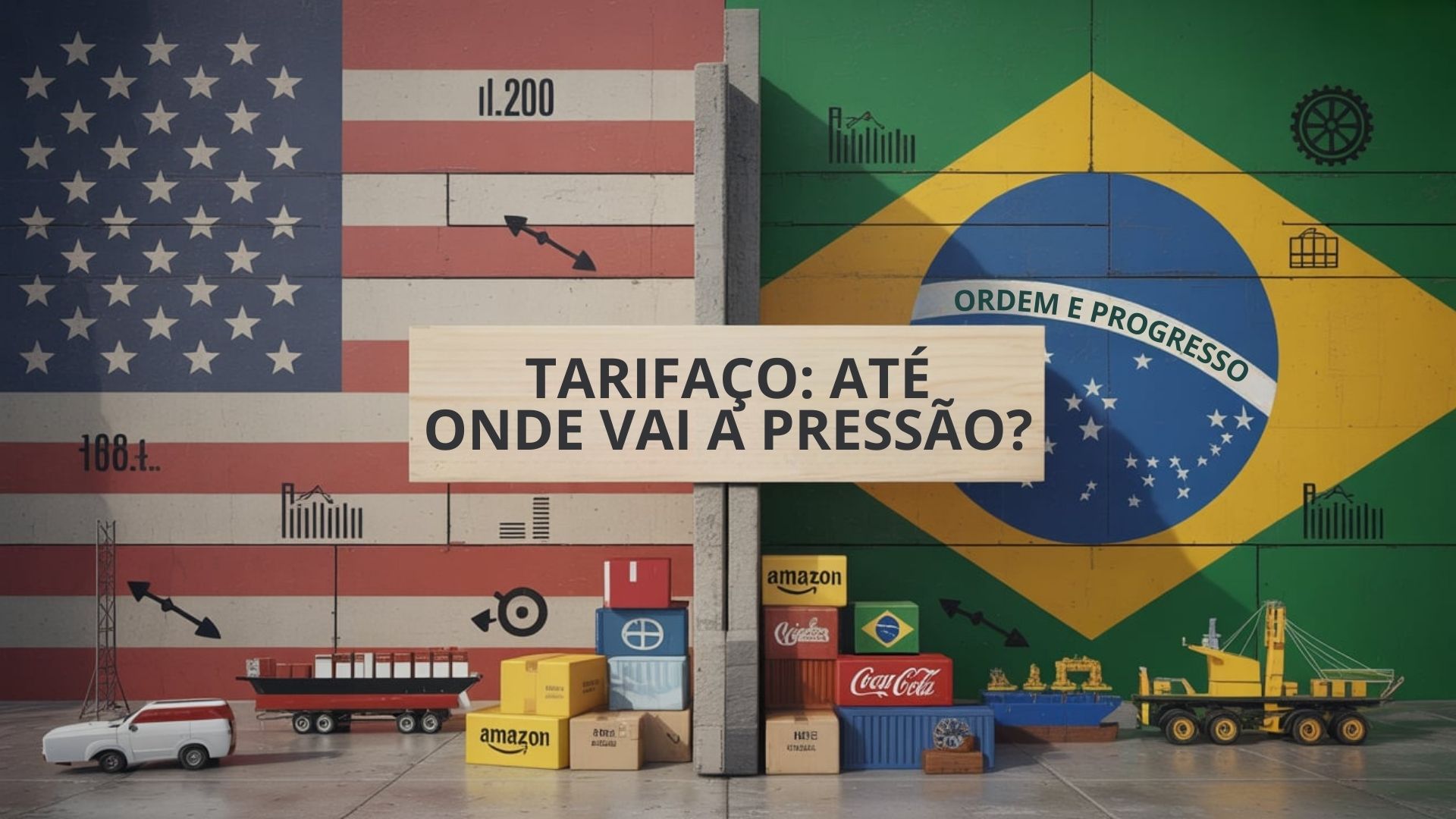


The Tariff Offensive by the United States Generated Reactions in Brasília and Mobilized Major American Companies, Which Now Work Alongside Brazil to Seek Exceptions and Adjustments. The Impact Spreads Through Supply Chains, Investments, and Bilateral Trade.
The increase in import tariffs from the United States to 50% on a wide range of Brazilian products, in effect since early August, has been provoking a coordinated movement between Brasília and representatives of major American companies, such as Amazon, Coca-Cola, GM, and Caterpillar, seeking sectoral exceptions and administrative adjustments that reduce immediate impacts on supply chains.
While companies aim to contain costs and maintain contracts, the White House has promoted changes in attachments and published new technical guidelines, without revoking the core of the measure.
American Companies and Brazil Against Tariff Impacts
In recent meetings with Brazilian authorities, business entities and executives from multinationals operating in the country expressed support for dialogue for specific flexibilities.
-
The largest food company on the planet, JBS, has just opened a 4,000 square meter laboratory in Florianópolis to develop customized proteins that modulate muscle mass gain, immune response, and metabolic performance.

-
After nearly 30 bids and competition among industry giants, a Spanish company purchases one of the largest airports in Brazil for almost R$ 3 billion and takes over the management of Galeão in a concession that will last until 2039.

-
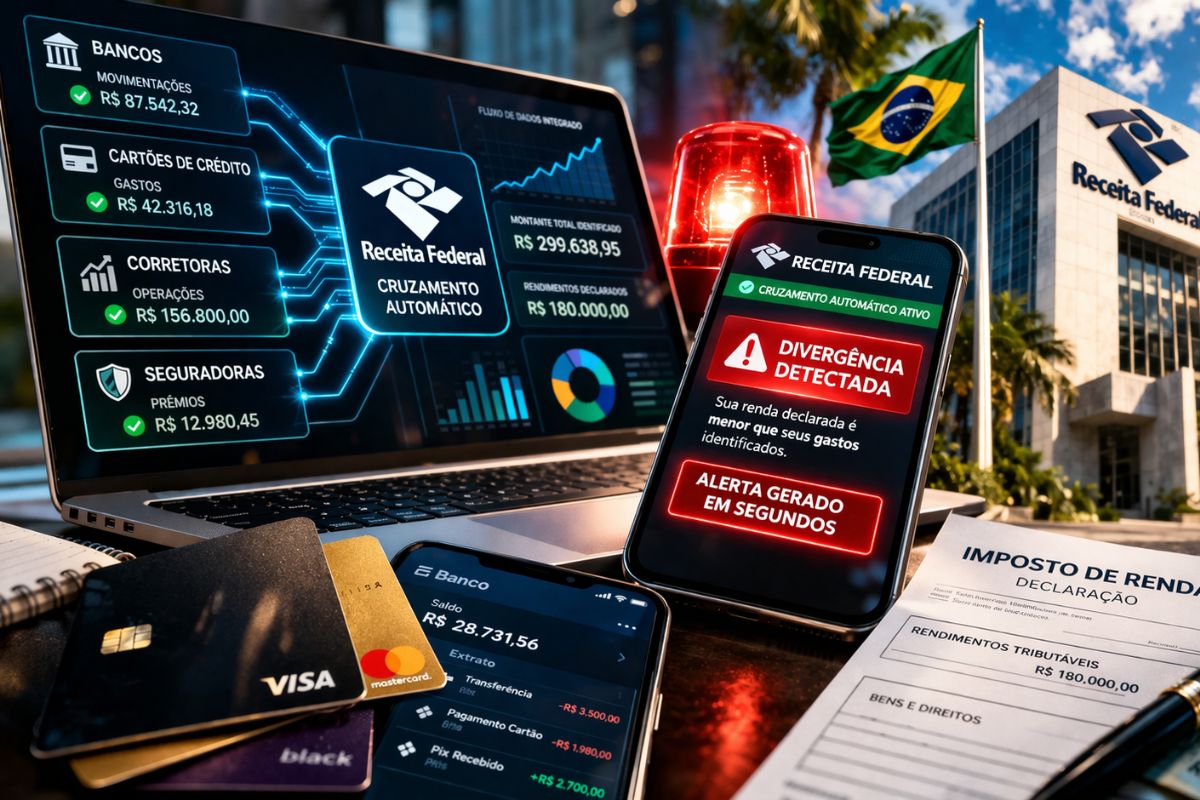
The Federal Revenue Service now automatically cross-references everything you declare with data from banks, credit cards, brokerage firms, and insurance companies, and any discrepancy between your income and your expenses triggers an alert in seconds.
-
Amid global tensions, Brazil blocks the United States’ proposal at the WTO and paves the way for a trade crisis and possible retaliations.
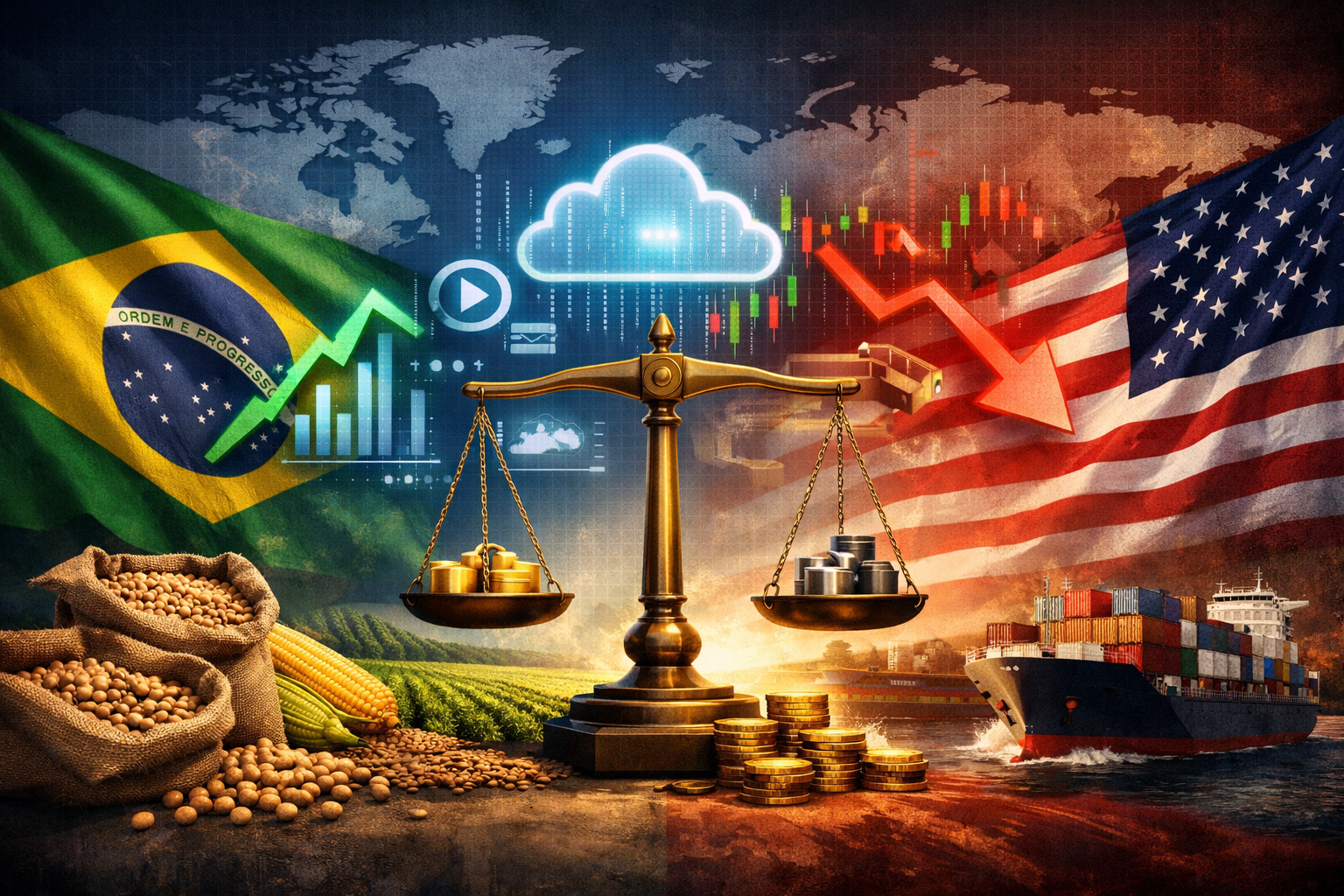

The mobilization comes from various sectors — from retail to automotive manufacturers — and continues with the goal of preserving critical inputs, avoiding logistical disruptions, and maintaining production lines in the U.S. and Brazil.
Official records indicate that Amazon, Coca-Cola, GM, and Caterpillar participated in the meetings and supported the negotiated strategy.
What Changed in the U.S. Tariff Rules
The additional tariff results from the accumulation of a surcharge of 40% to a reciprocal tariff of 10%, totaling the 50% applied from August 6–7, 2025, with predefined exceptions.
Official documents and guidelines from U.S. Customs and Border Protection (CBP) detail procedures, tariff codes, and specific treatments, including rules for goods already in transit and lists of excluded products in Annex II.
Sectors such as civilian aircraft and some agricultural items were spared, while industrial goods and some food products remain subject to the additional tariff.

Recent Adjustments and Exceptions in the Tariff Increase
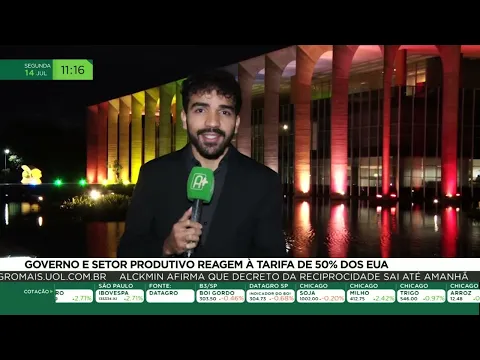
In recent weeks, the White House issued a new executive order altering the scope of the regime and updated Annex II of exclusions, with effects from September 8.
The changes do not dismantle the tariff increase but refine the design and keep the administrative component open for calibrated corrections as economic evidence is presented.
CBP, for its part, continues to issue instructions on how to classify products eligible for exclusions and how to prove eligibility.
Legal Strategy and Reciprocity Law
In parallel, Brazil opened formal consultations in the World Trade Organization against the tariffs, a process accepted by the U.S. in August.
Internally, the government began to regulate the Economic Reciprocity Law, which creates a legal basis for proportional countermeasures and establishes an inter-ministerial committee responsible for assessing potential responses, without closing negotiation channels.
Brazilian diplomacy has prioritized demonstrating concrete impacts on jobs, prices, and industrial schedules in the United States.
Most Affected Sectors and Pressure on Supply Chains
The effects vary by segment.
In coffee, Brazilian sales to the U.S. plummeted in August, with exporters redirecting shipments to other markets.
In industry, manufacturers reliant on Brazilian intermediate inputs are reviewing schedules, postponing investments, and adjusting specifications to keep lines operating without immediately passing on increases.
Official Brazilian estimates point to a modest aggregate impact on GDP, but with significant sectoral pressure in areas such as machinery, chemicals, electronics, paper, and textiles.
How Tariff Exceptions Are Advancing
Companies and associations have focused efforts on identifying tariff codes and inputs at greater risk of supply shortages or abrupt cost increases for the American consumer.
The strategy seeks to frame requests within the gaps provided for in the norms themselves: exclusions listed in annex, rules for goods in transit, and scope adjustments published by executive acts.
The common argument remains: in certain niches, the tariff raises production costs in the U.S. without offering a viable domestic alternative in the short term.
The Political Calculation in Washington
Upcoming decisions depend on technical analyses and the publication of new acts, which creates uncertainty about the timing of future exclusions.
The Brazilian government has reiterated that it does not intend to retaliate immediately and maintains a priority on the negotiated route, reinforcing, with auditable data, that specific items exported by Brazil lack immediate substitutes at comparable price and scale in the U.S.
This environment prolongs caution in chains subject to the additional tariff and encourages documented requests to mitigate bottlenecks.
The Role of Multinationals in the Negotiation
The actions of Amazon, Coca-Cola, and GM remain anchored in globalized chains in which Brazil is a key supplier of raw materials and components.
In retail, the concern falls on items sensitive to price shocks.
In food and beverages, the priority is stability in the supply of additives and agricultural inputs.
In automotive and capital goods, increases in components continue to affect the competitiveness of final products manufactured in the United States.
The focus is not to overturn the entire measure but to open specific exceptions when internal costs exceed the intended benefit.
What to Expect in the Coming Weeks
With the core of the tariff increase preserved and technical adjustments underway, the outcome continues to depend on the quality of the files presented by companies, the progress of consultations at the WTO, and the ability to demonstrate effects on employment, prices, and investments in American territory.
Each exclusion granted prevents re-pricing of entire lines in the U.S. and reopens, albeit in a limited way, windows for the Brazilian export industry.
The central question, however, remains open: how far will the exceptions go?
Are the exceptions and guidelines published so far sufficient to shield the most exposed sectors, or will it be inevitable to expand the list of exclusions to avoid pass-throughs and delays within the American factories themselves?






A lei da reciprocidade só existe no papel e quando a enrolação da aplicação for autorizada já mudou de presidente e os membros do STF que fizeram as (Asneiras) estarao aposentados, a China retaliou em seguida,se todos tomassem as mesmas medidas,o Tranqueira ( Trump)teria recuado,mas no Brasil , mais bravatas que ações,rosnaram grosso mas agora estão miando como gato molhado. Enquanto fomos submissos de forma comercial e militar,vamos comer nas mãos de qualquer potência,o Brasil precisa urgente desenvolver tecnologia de defesa de ponto inclusive nuclear pra sermos ouvidos e respeitado como nação.
A nazireita cria um problema e depois dizem que são os salvadores.
Foi assim com o fantasma do comunismo, banheiro unissex, madeira de ****, troca do sexo das crianças nas escolas (no EUA na eleições de 24),
É só expulsar o **** descondenado (não inocentado diga-se de passagem), e TB o careca ditador! E pararem de perseguir um inocente baseando em narrativas, e tudo fica bem de novo.