





 Portuguese
  English
  Spanish
  3 min of reading
  0 comments


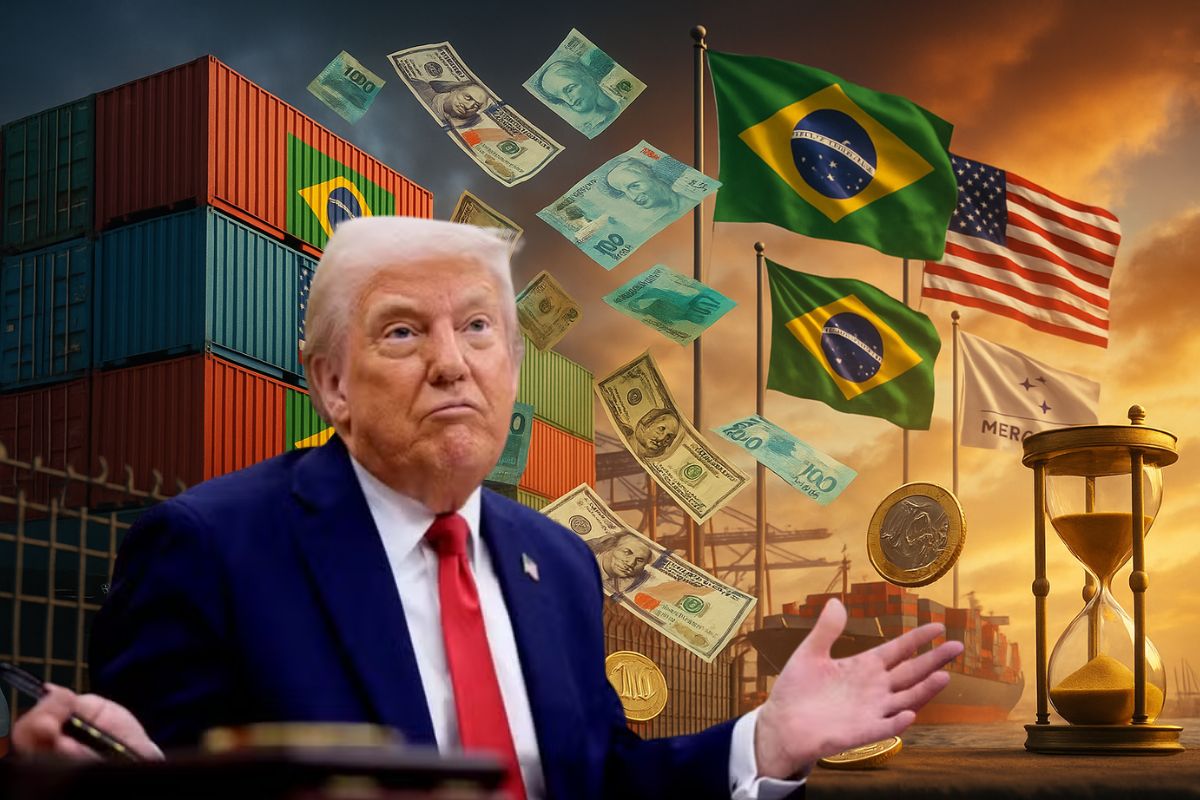
The Postponement Of Taxes Applies Only To MEI, ME, And EPP That Exported At Least 5% Of Revenue To The US Between July 2024 And June 2025 — And Only These Will Have Immediate Relief On The Tariff.
The US Tariff, which raised tariffs on Brazilian products by 50%, directly impacted micro and small businesses that export to the North American market. To mitigate the impacts, the government announced on September 3, 2025, a postponement of taxes for MEI, ME, and EPP that have registered at least 5% of their revenue in sales to the United States between July 2024 and June 2025.
According to Monitor Mercantil, the measure shifts payments due in September and October to November and December, including also installments of taxes administered by the Federal Revenue Service and the PGFN.
Although it does not represent a revenue concession, the decision provides two months of breathing room in cash flow for small exporters.
-
Brazilian city bets on the business environment to generate jobs and attract investments in the energy sector — secretary reveals strategy at Macaé Energy 2026.

-
50 viaducts, 4 tunnels, 28 bridges, and 40 kilometers of bike paths: BR-262 in Espírito Santo will receive 8.6 billion reais for the largest engineering project in the state’s history, inspired by the Immigrant Highway in São Paulo.

-
Brazil produces too much clean energy and doesn’t know what to do with it: over 20% of solar and wind capacity was wasted in 2025 while investors flee and 509 renewable generation projects were abandoned in the last year.

-
Piauí will produce a new fuel that replaces diesel without needing to change anything in the truck’s engine and reduces pollutant gas emissions by half: truck drivers from all over the Northeast are already celebrating the news that will arrive later this decade.


Who Is Entitled To The Postponement Of Taxes
The benefit is not general but restricted to Simples Nacional companies with significant exposure to the American market.
Also included are suppliers that sell inputs to exporters, as long as the final destination is the US.
According to the president of Sebrae Nacional, Décio Lima, the measure is part of the Brazil Sovereign Plan, launched in August with the support of ApexBrasil.
The package also includes the release of R$ 30 billion from the Export Guarantee Fund (FGE), credit lines with reduced interest, and authorization for public agencies to purchase, without bidding, foodstuffs that were no longer exported.
The Challenge Of Diplomatic Barriers
Despite the fiscal relief, experts warn that the measure is only a temporary fix.
Attorney Andrea Weiss recalls that Brazil reacted to the US Tariff based on the Economic Reciprocity Law, but faces limits imposed by Mercosur.
Under the Assunción Treaty (1991) and the Protocol of Ouro Preto (1994), countries in the bloc must adopt a common trade policy, which prevents isolated bilateral free trade agreements.
Previous attempts by Uruguay in this regard have not prospered due to resistance from regional partners.
Possible Alternatives Within The Law
Weiss emphasizes that there are technical, customs, and sanitary cooperation protocols that can open markets without altering tariffs.
Brazil has already used this instrument in negotiations with China, allowing for the qualification of slaughterhouses and the expansion of exports of beef, chicken, cottonseed, and seafood.
However, even these solutions depend on a lengthy process: signing by the Executive, analysis and approval in the National Congress, presidential ratification, and execution decree.
The process ensures legal security but does not meet the urgency of those suffering from immediate declines in contracts and revenues.
Is It Worth It For Small Businesses?
The scenario presents a dilemma: the two-month fiscal relief helps MEI, ME, and EPP to reorganize their finances, but does not address the structural impact of the tariff.
In the meantime, the barriers of Mercosur hinder quick retaliation or the pursuit of new bilateral agreements.
For experts consulted by Monitor Mercantil, the short-term solution will be market diversification and access to credit guaranteed by the FGE, while diplomatic solutions progress slowly within the bloc.
And you, do you believe that the temporary relief on the US tariff is sufficient to protect small exporters, or does Brazil need to adopt stronger measures both within and outside Mercosur? Share your opinion in the comments — we want to hear from those who live this in practice.







-

-

-

-

-

12 pessoas reagiram a isso.