





 Portuguese
  English
  Spanish
  2 min of reading
  0 comments


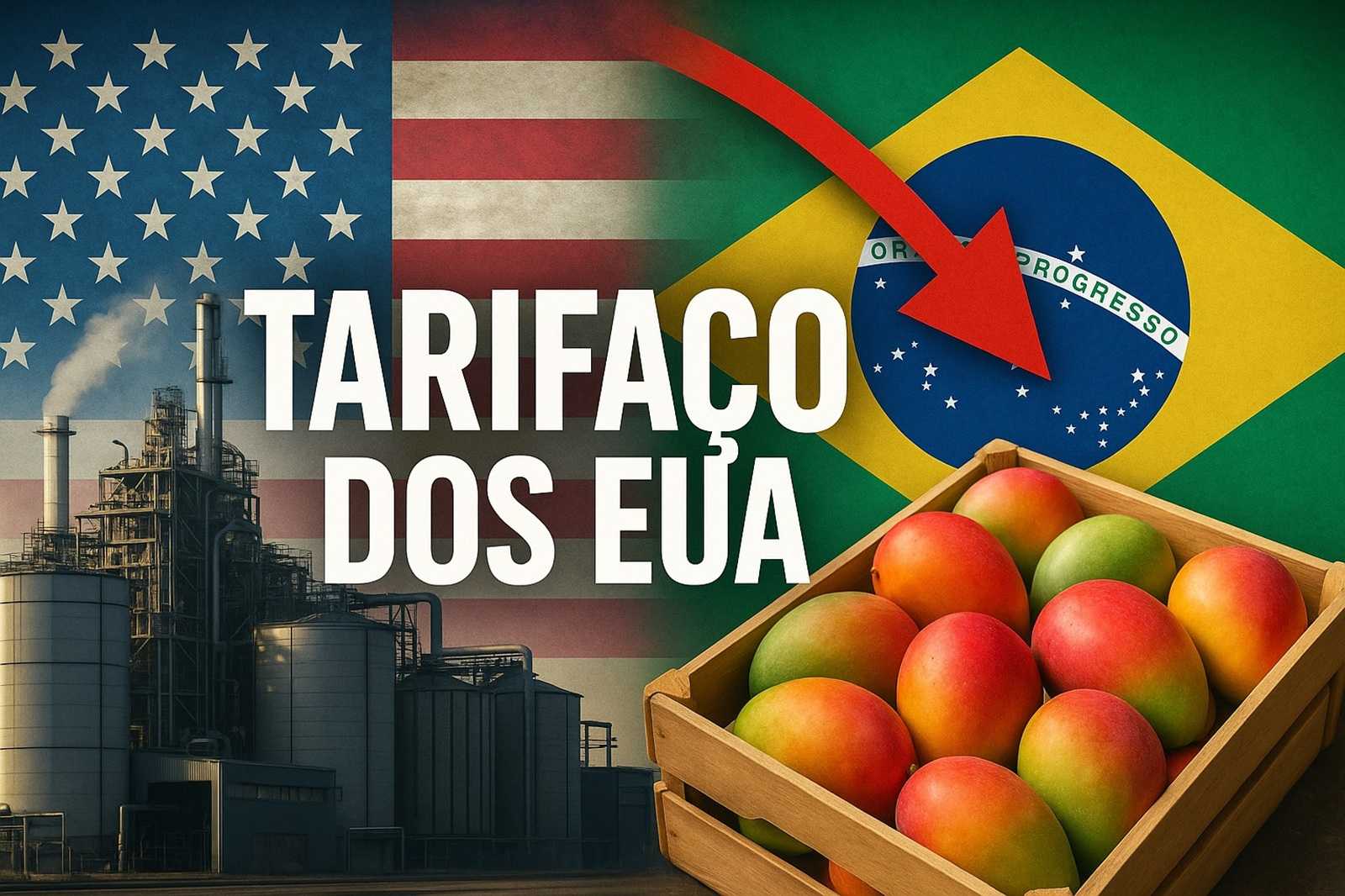
Three Weeks After the Tariff Imposed by the United States, the Brazilian Government Identifies Different Scenarios for the Main Sectors of the Economy. While Agriculture Manages to Reallocate Part of Its Production and Reduce Losses, the National Industry Feels the Weight of the 50% Surtax and Fears New Losses.
Three weeks after the start of the 50% tariff imposed by the United States, the government evaluates that the impact on agriculture is less than expected.
According to information from G1, this is because many food exporters have managed to redirect their production to other countries.
In some cases, they maintained contracts with Americans even in the face of the surtax, as occurred with mango sales.
-
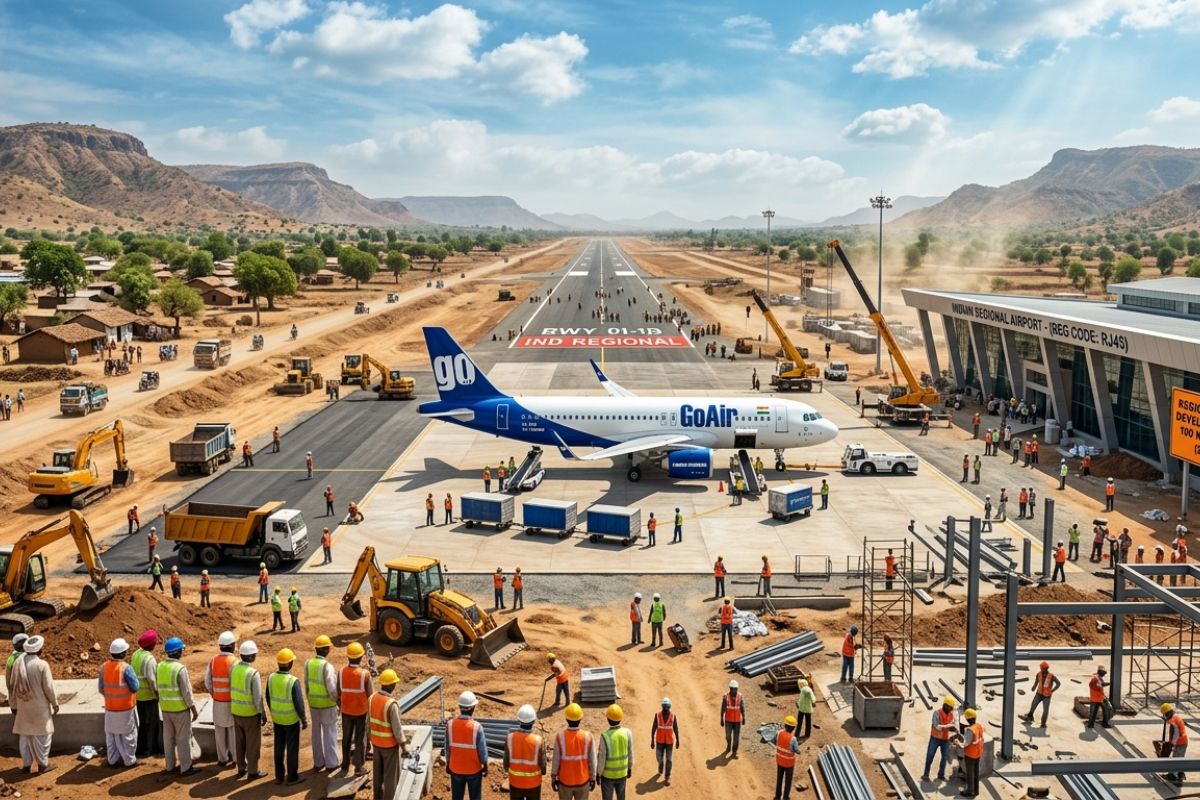
India announces a plan of $3.06 billion to bring aviation to forgotten regions: 100 new airports, $1.07 billion in subsidies, and regional routes guaranteed for 10 years, from 2026 to 2036, away from the centers.
-
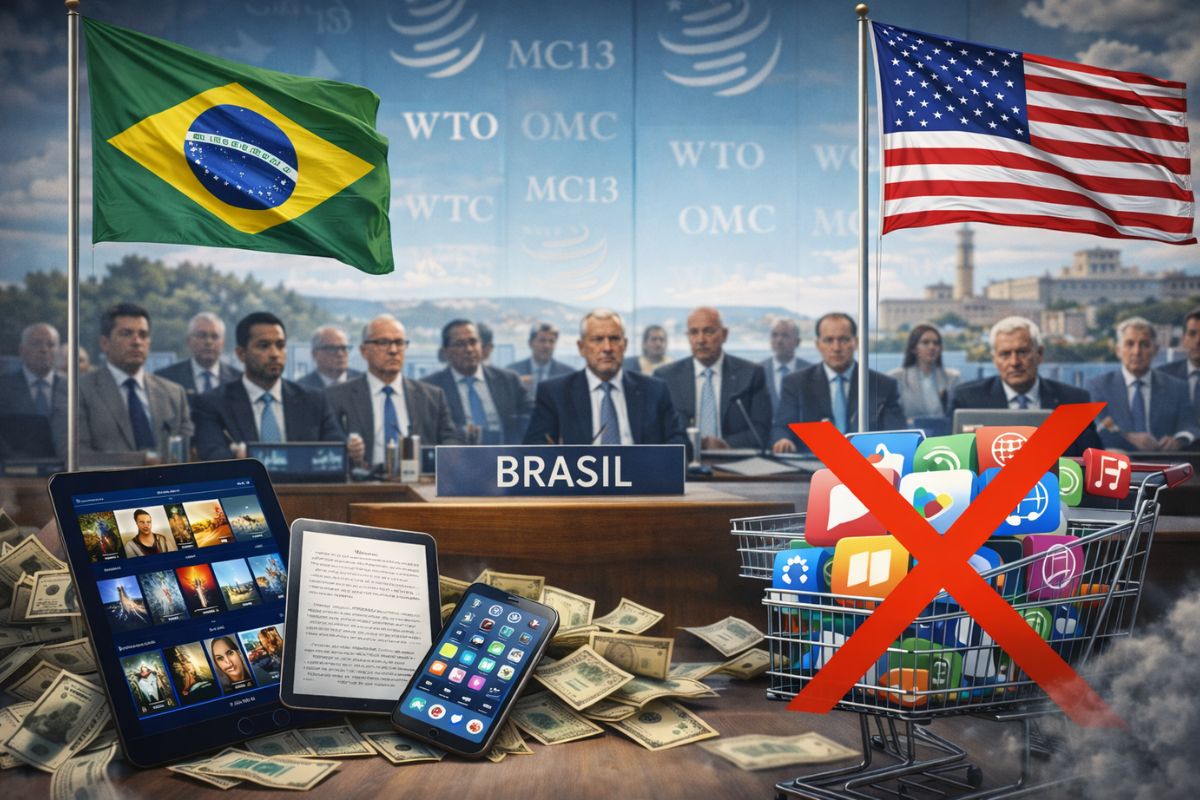
Brazil blocked a proposal from the United States at the WTO that would make the exemption from tariffs on digital products like streaming and ebooks permanent, favoring American tech giants at the expense of developing countries.
-
IPTU exemption for seniors in 2026: see how to secure the benefit.

-
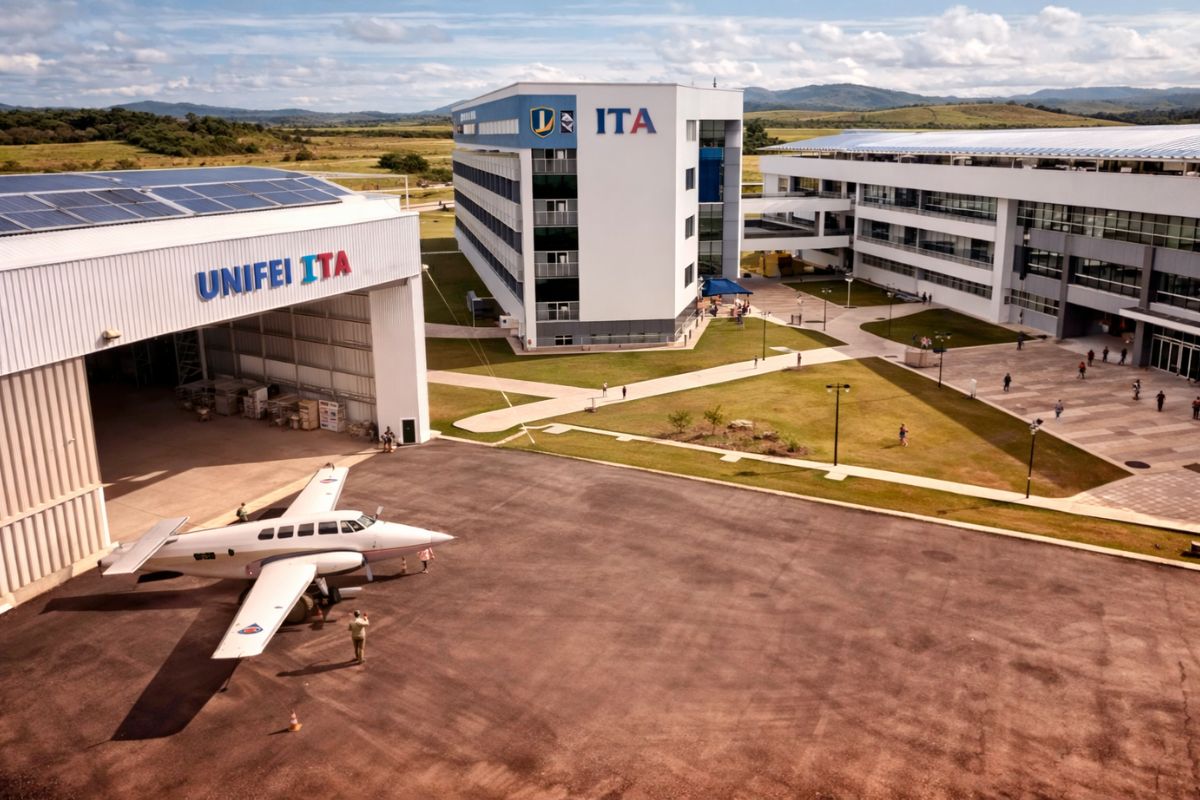
The institute that trained the greatest aerospace engineers in Brazil has just opened its first campus outside São Paulo after 75 years: ITA Ceará will have R$ 445 million, new courses in energy and systems, and classes are expected to start in 2027.

Other products, such as meats, coffee, and sugar, have also managed to find space in new markets.
Furthermore, the government notes that there is capacity for reorganization to face the barriers imposed by Donald Trump.
Industry Under Pressure
The scenario is quite different for the industry. Sectors such as textiles, footwear, machinery, equipment, and auto parts are at the center of concern.
“The industrial sector faces a greater difficulty because there are technical specifications for these products that are manufactured specifically for the American market,” stated Uallace Moreira, secretary of the Ministry of Development, Industry, Commerce, and Services (Mdic).
According to him, food products used in public procurement have more ease of redirection. In contrast, industrial goods face obstacles in finding quick alternatives.
Government Actions
The Ministry of Agriculture and the Ministry of Agrarian Development confirm this assessment. “What we have identified is that, contrary to what we imagined at the beginning, a good portion of these products [food items] is already being redirected,” said Fernanda Machiavelli, executive secretary of the ministry.
This plan aims to provide support to affected companies, with protection and incentive measures.
Risk to the Manufacturing Industry
The National Confederation of Industry (CNI) reinforces that the United States is the biggest buyer of goods from the Brazilian manufacturing industry, while China focuses on commodities.
Therefore, the impact of the tariff could be severer precisely in the sector that has already been suffering from high interest rates and competition from imports.
For the entity, this measure could deepen the loss of momentum for the national industry in 2025.








Seja o primeiro a reagir!