





 Portuguese
  English
  Spanish
  4 min of reading
  0 comments


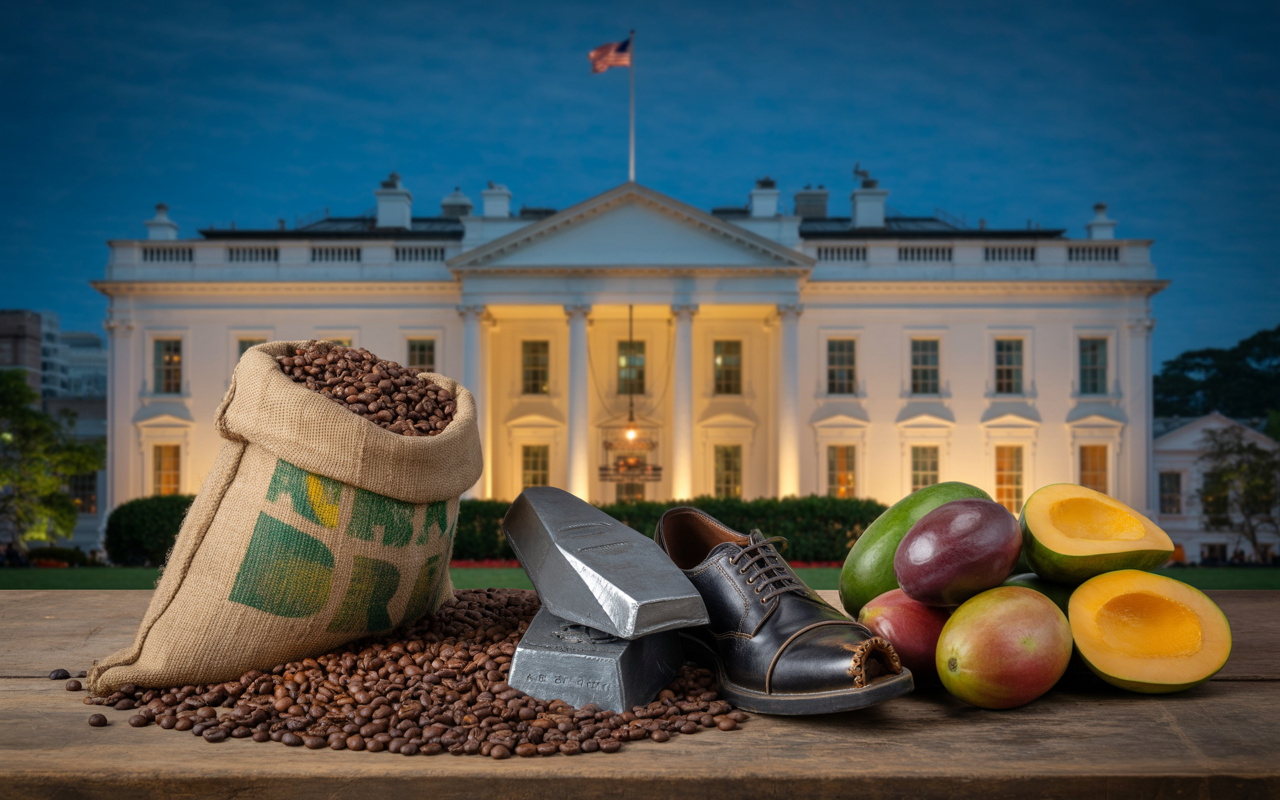
U.S. 50% Tariffs And High Interest Rates In Brazil Disrupt Investment Plans In Agriculture. Deere Foresees Historic Drop In Agricultural Machinery Sales In 2026.
The announcement of record tariffs by the United States against Brazilian exports has already generated diplomatic reactions, but its effects go far beyond the negotiating table. In agriculture, the combination of 50% U.S. tariffs on strategic products and high interest rates in Brazil threatens to stall investment in agricultural mechanization. Deere & Co., the world’s largest agricultural machinery manufacturer, issued a stern warning: it expects a significant drop in sales in Brazil in 2026, signaling that the crisis could hit the very heart of the national agribusiness.
How Tariffs And Interest Rates Affect Brazilian Agribusiness
Brazil is the world leader in the export of soybeans, corn, coffee, beef, and sugar. This prominence depends not only on fertile land and climate but also on the intensive use of technology, machinery, and implements. Tractors, harvesters, and sprayers form the backbone of agricultural productivity.
With the United States imposing 50% tariffs on part of Brazilian exports, the revenue expectation for producers drops, and the appetite for new investments in machinery plummets. This is compounded by Brazil’s monetary policy, which keeps interest rates still high, making rural credit more expensive.
-
The water that almost everyone throws away after cooking potatoes carries nutrients released during the preparation and can be reused to help in the development of plants when used correctly at the base of gardens and pots, at no additional cost and without changing the routine.

-
The sea water temperature rose from 28 to 34 degrees in Santa Catarina and killed up to 90% of the oysters: producers who planted over 1 million seeds lost practically everything and say that if it happens again, production is doomed to end.

-
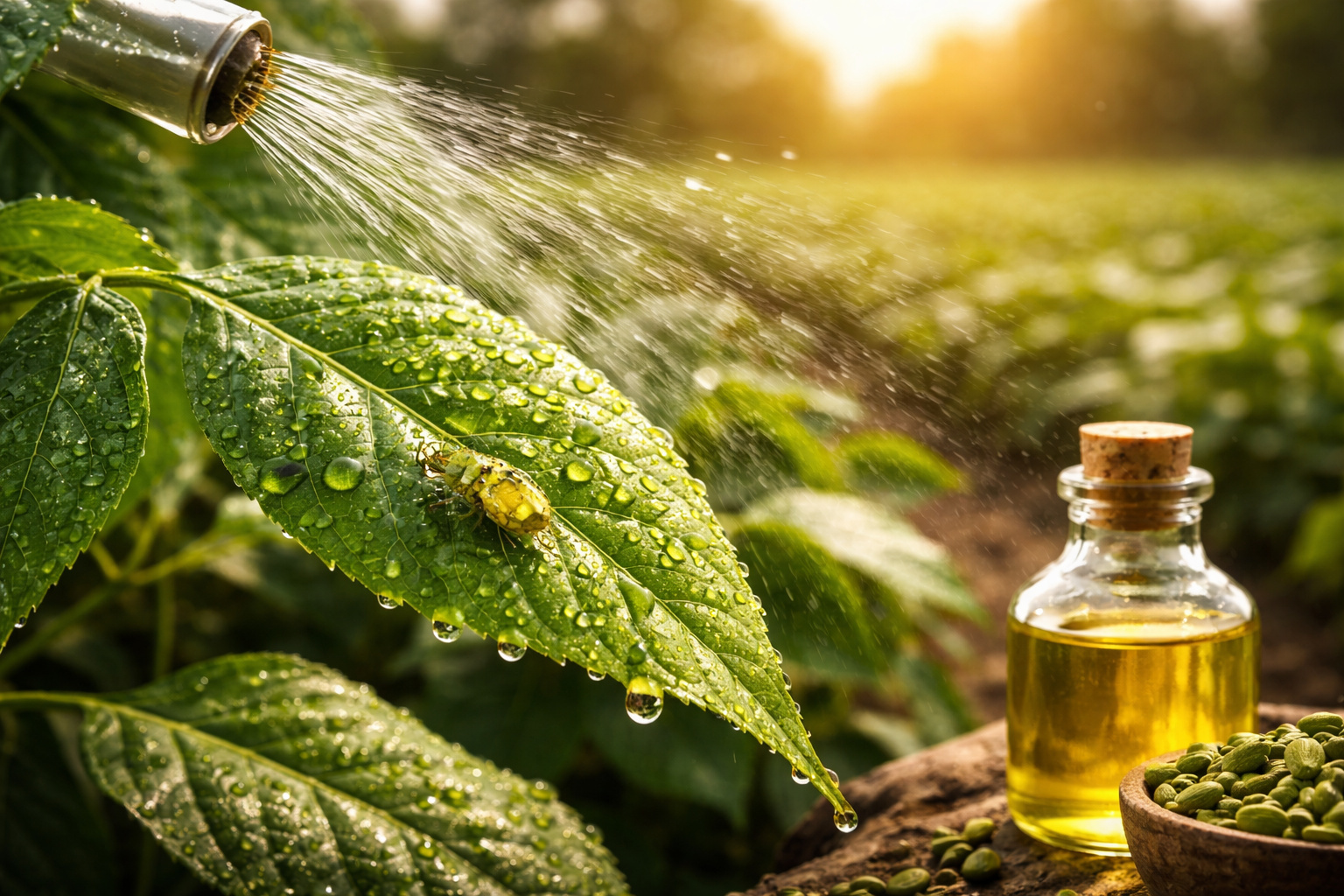
An Indian tree that grows in the Brazilian Northeast produces an oil capable of acting against more than 200 species of pests and interrupting the insect cycle, gaining ground as a natural alternative in soybean, cotton, and vegetable crops.
-
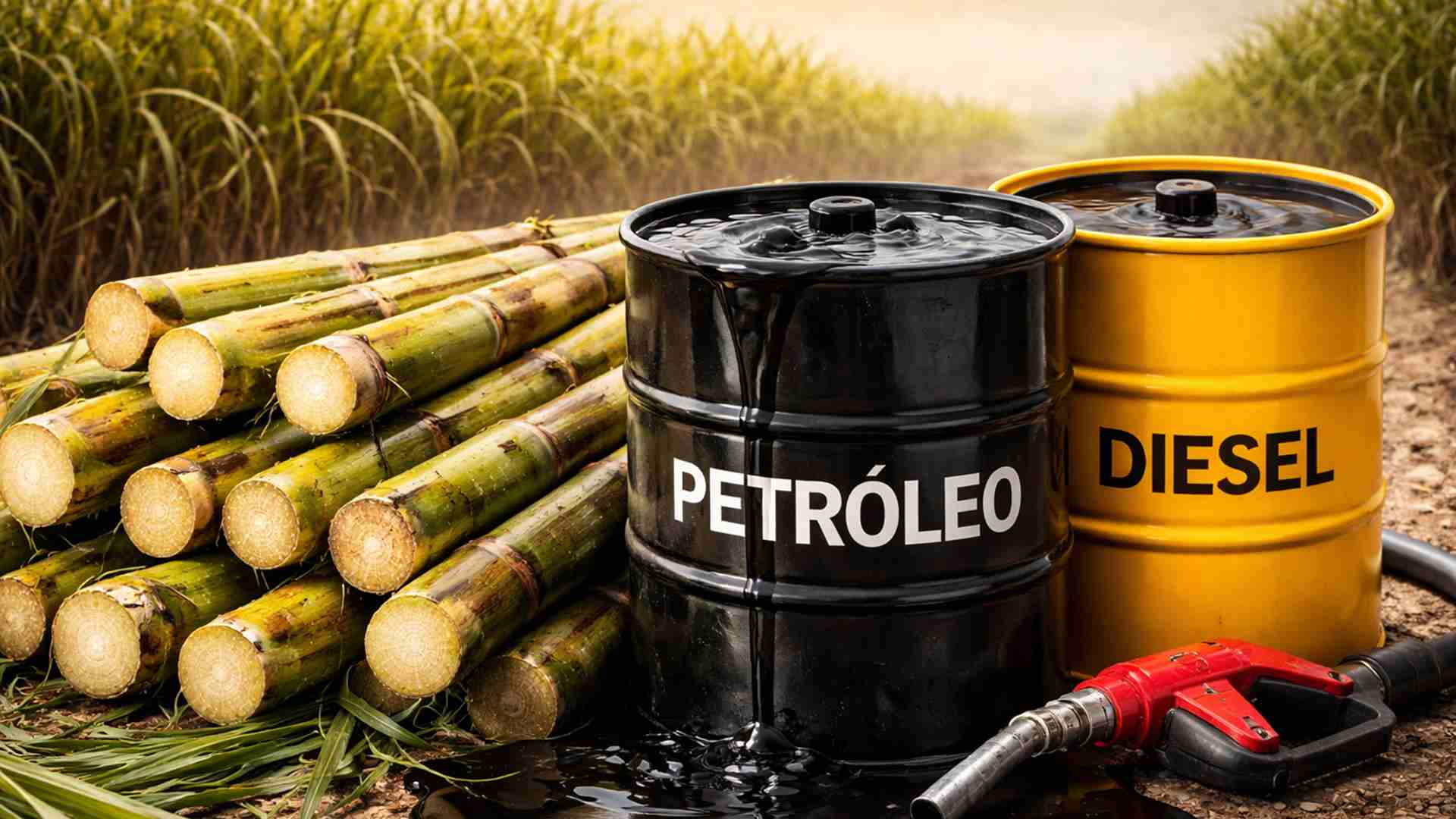
The rise in oil prices in the Middle East is already affecting Brazilian sugar: mills in the Central-South are seeing their margins shrink just as ethanol gains strength.

The result is a dual squeeze: less money comes in from exports, and it becomes more expensive to secure resources for fleet modernization.
The Deere & Co. Warning For 2026
In a conference with investors, executives from Deere & Co. pointed out that Brazil, which in recent years has been the most promising market in Latin America, is now expected to face contraction.
According to internal projections, tractor and harvester sales may decline starting in 2026, reflecting the uncertain environment and financing costs.
The message is clear: if Brazil remains off the “aligned partners” list of the White House and does not find alternative credit options, the agricultural machinery sector will see a historic drop in demand, affecting suppliers, dealerships, and thousands of jobs.
Producers Delay Purchases And Focus On Maintenance
In the interior of states like Mato Grosso, Goiás, and Paraná, the narrative is similar: many producers are delaying the purchase of new harvesters and opting to extend the lifespan of existing machinery.
Maintenance workshops and spare parts companies are experiencing an increase in demand, while dealerships report a decline in new machinery contract closures.
This movement has a cascading effect. The lower fleet renewal may reduce productivity in the medium term, as older machines consume more fuel, require more operating time, and are less efficient over large cultivated areas.
Rural Credit Under Pressure
Another factor hindering modernization in agriculture is credit. With Selic still at high levels, long-term financing for tractors and harvesters becomes too costly.
Even official rural credit programs, such as the Safra Plan, face limits, as the demand for subsidized lines exceeds supply.
This scarcity pushes many producers towards commercial credit, with prohibitive rates, making investment untenable. In a scenario where profit margins are already pressured by U.S. tariffs, the effect is devastating: producers prefer to hold onto cash rather than go into debt.
Impacts On Brazilian Agribusiness
The drop in agricultural machinery sales is not just a problem for Deere or dealerships. It can directly impact the productivity of Brazilian agribusiness, which is one of the pillars of the national economy.
If the field stops investing in technology, efficiency in harvesting and planting may decline, reducing international competitiveness.
Moreover, the agricultural machinery sector generates tens of thousands of direct and indirect jobs in Brazil. A contraction in this market could mean unemployment in industrial hubs and loss of tax revenue in producing states.
The Government’s Response And Possible Solutions
The Brazilian government is studying measures to alleviate the pressure. Among them are emergency lines of subsidized credit, with rates below the market, and tax incentives for fleet renewal.
Another front is diplomatic: negotiating with the U.S. for the inclusion of more Brazilian products on the list of tariff exceptions, which would help restore some confidence in the sector.
Experts also argue that Brazil should intensify trade agreements with other countries, such as China and the European Union, to diversify markets and reduce dependence on the U.S.
However, these alternatives take time and do not address the urgency of producers who need to invest now.
The Field As A Thermometer Of The Crisis
The warning from Deere & Co. serves as a thermometer of the crisis unfolding in Brazilian agribusiness. If the largest agricultural machinery manufacturer in the world predicts a drop in sales, it means that optimism in the productive sector has drastically diminished.
The risk is that Brazil, which has built its reputation as a global agricultural powerhouse thanks to technology, may see part of this advantage lost amid trade disputes and restrictive credit policies.
In the end, what is at stake is not just machinery or tariffs, but Brazil’s ability to maintain its leadership in the global agribusiness arena in an increasingly tough and unstable competition.









Seja o primeiro a reagir!