





 English
  Francês
  Alemão
  Italiano
  Japonês
  Norueguês
  Portuguese
  Spanish
  2 min of reading


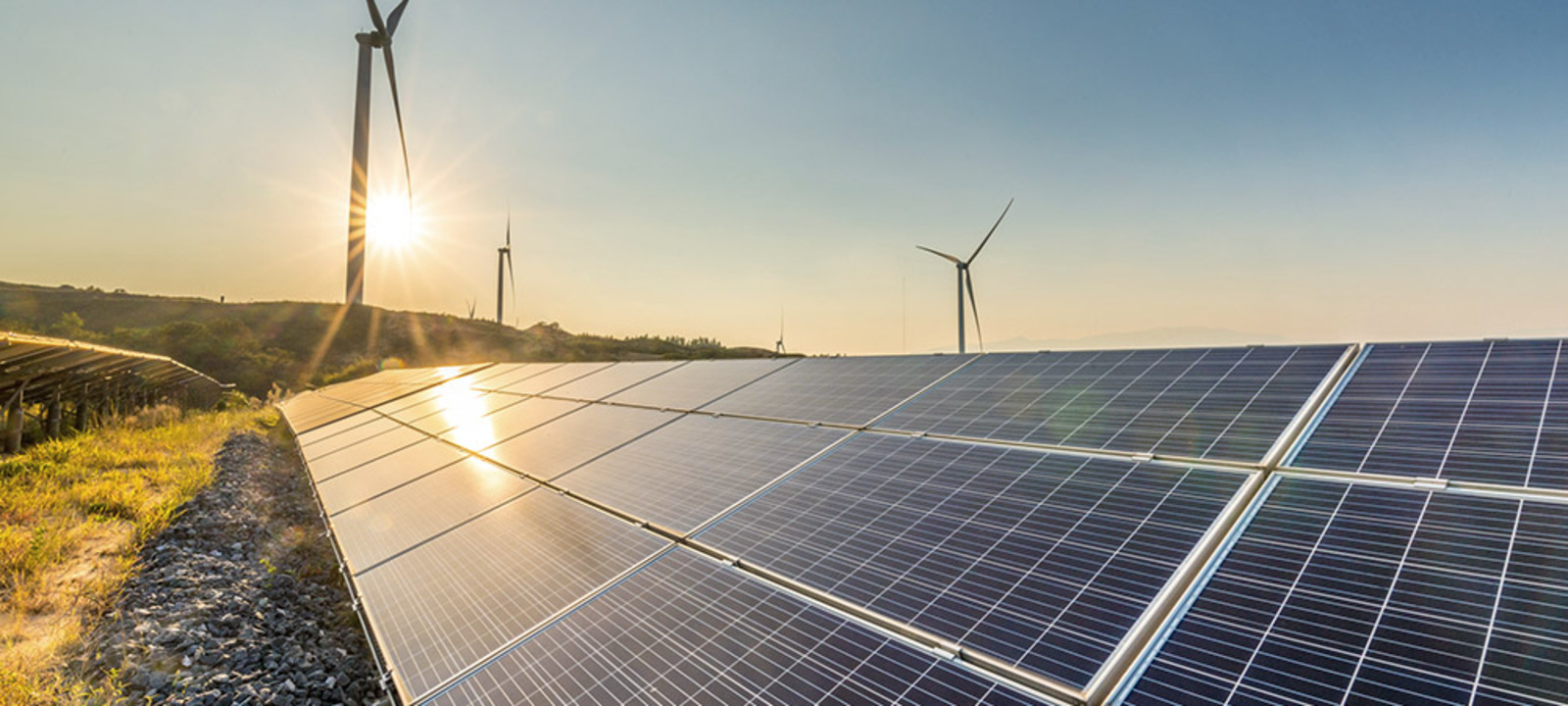
Analysis of the Rapporteur in the Federal Chamber of PL 5829/2019 Resumes Idea of Taxing Solar Energy (Sun Tax)
The federal deputy Lafayette de Andrada, Rapporteur in the Federal Chamber of PL 5829/2019, which regulates the taxation of solar energy in Brazil, described the amendments proposed by organized civil society for the new PL as fair and balanced. This PL proposes that consumers can generate their own energy, benefiting homes and commercial buildings, but seeks to charge for solar energy generated by consumers and regulate the sun tax in the country.
Read Also
Clarification from Hewerton Martins on the Bill that Taxes Brazilian Solar Energy
The then-President of the Solar Free Movement, Hewerton Martins, clarified in an interview with Sagres Sinal Aberto:
“It went through various discussions in 2019 when Aneel, the National Electric Energy Agency, proposed a 63% tax. Then Congress presented a bill, but this proposal was so balanced for consumers that on Monday there was a text change that now allows each person to generate renewable energy on their rooftops, which is very positive because it generates jobs in all municipalities across the country.”
-
With 160,000 m² of collectors, an area larger than 20 football fields, Silkeborg, in Denmark, hosts a solar thermal plant that heats 19,500 homes and could become the largest solar heating plant in the world.

-
A study reveals the expansion of renewable energy procurement in Brazil and shows how companies are taking advantage of opportunities to reduce expenses, ensure energy efficiency, and strengthen strategic environmental commitments.

-
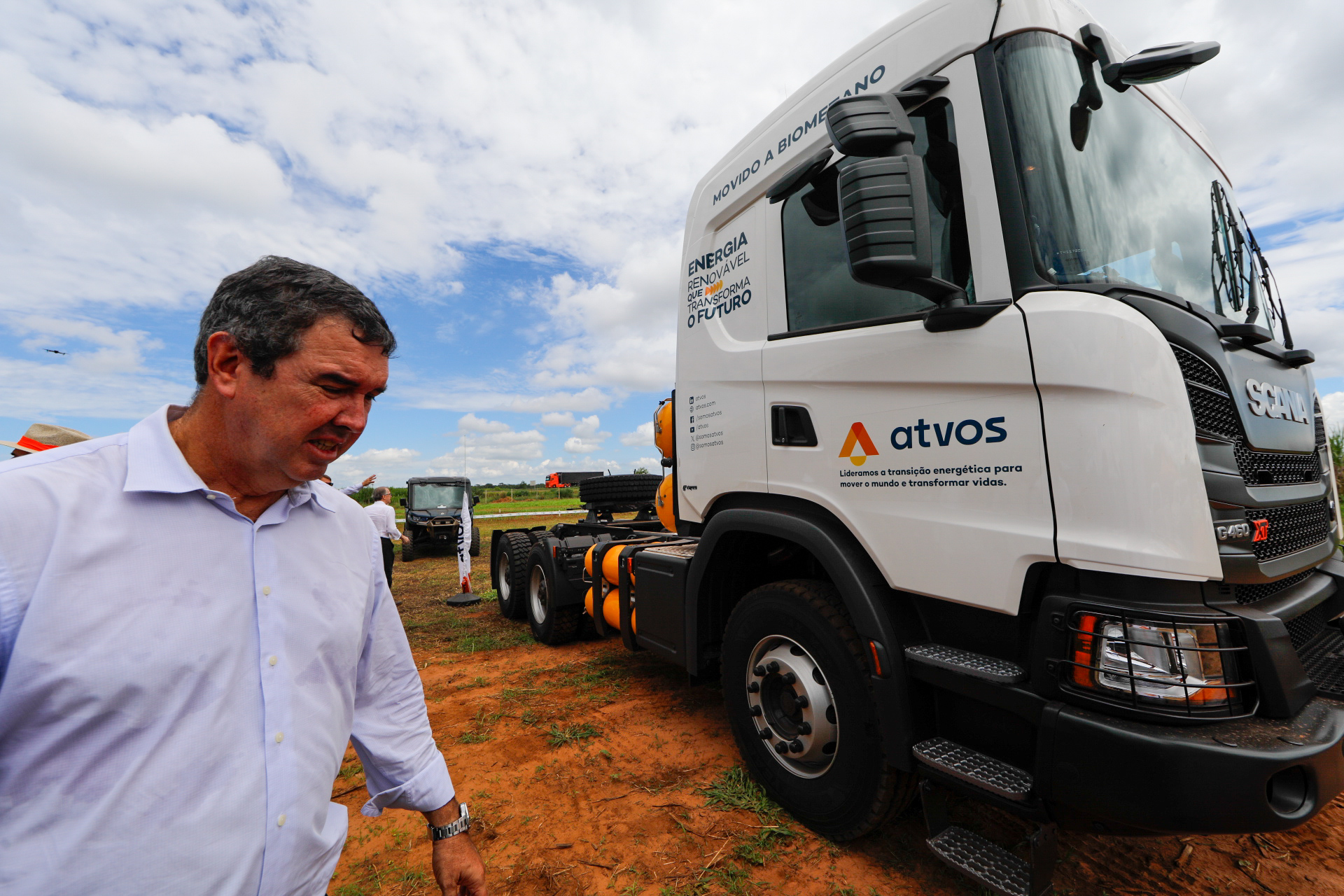
Mato Grosso do Sul excels in the sugar-energy sector: the state reaches a milestone of 22 operating mills and accelerates the production of clean energy in MS with a focus on sustainability.
-
National energy dilemma: Brazilians support clean energy but reject increases in tariff costs to finance the sustainable transition.
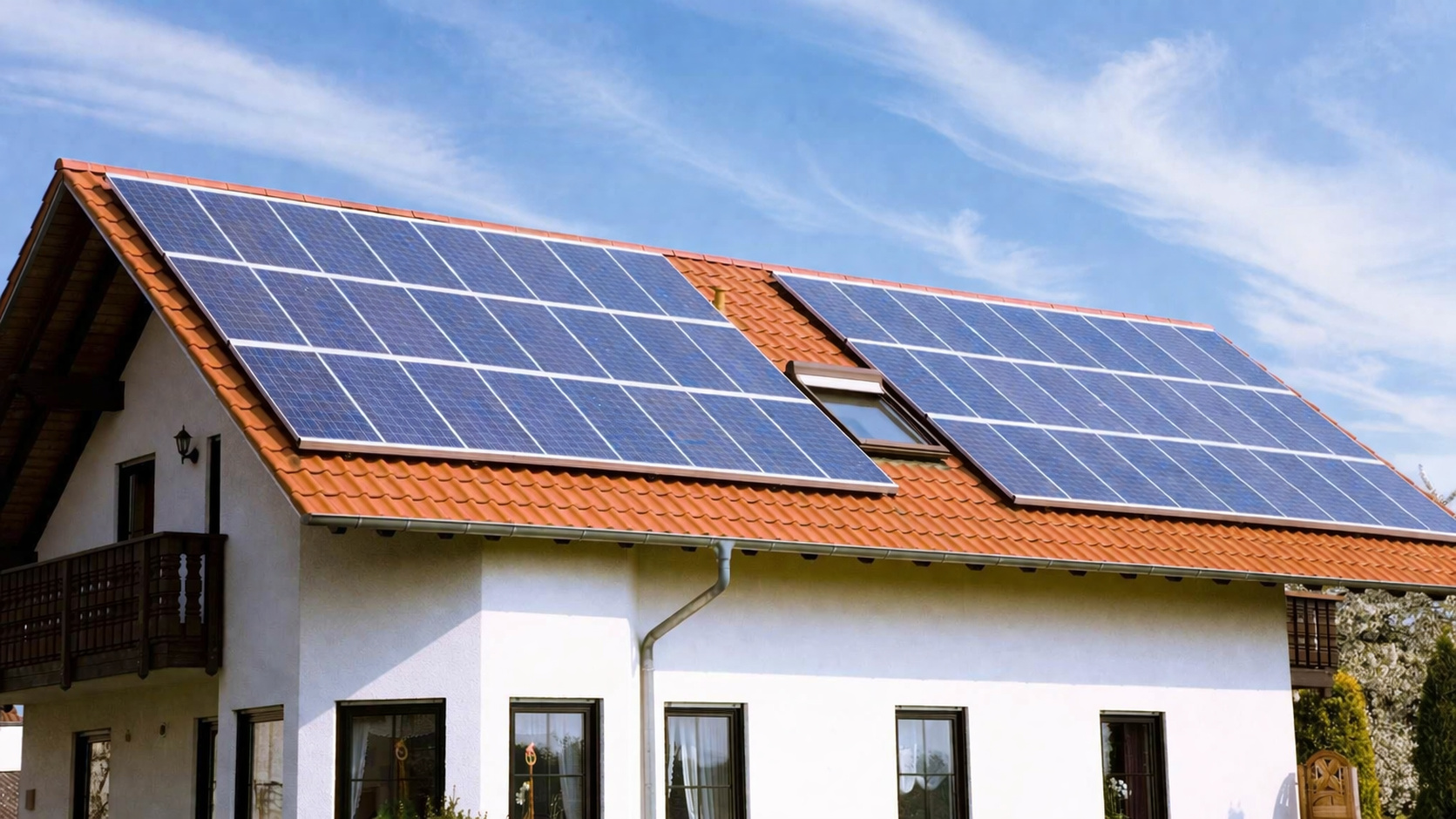
The president further added that it is positive for environmental and employment reasons, as the sun would be a “source of energy,” which would become credit for the consumer.
Food Producers Are Against the Bill That Proposes Sun Tax
The Brazilian Association of Soy Producers (Aprosoja Brasil) expresses support for the campaign initiated by civil society sectors against the sun tax. Aprosoja Brasil has already expressed concern to President Jair Bolsonaro and to the Presidents of the Chamber, Arthur Lira, and the Senate, Rodrigo Pacheco, regarding the potential approval of such proposals and the need to encourage micro-generators in rural areas. The participation of solar energy in the total energy supply currently does not reach 1%. Therefore, it is the time to encourage this type of investment and not create disincentives.
The debate over the taxation of solar energy produced on rural properties is highlighted in the soybean sector due to the opportunity for solar energy generation in rural areas, whether for residential consumption or for the operation of silos and equipment.








Seja o primeiro a reagir!