Portuguese
  Spanish


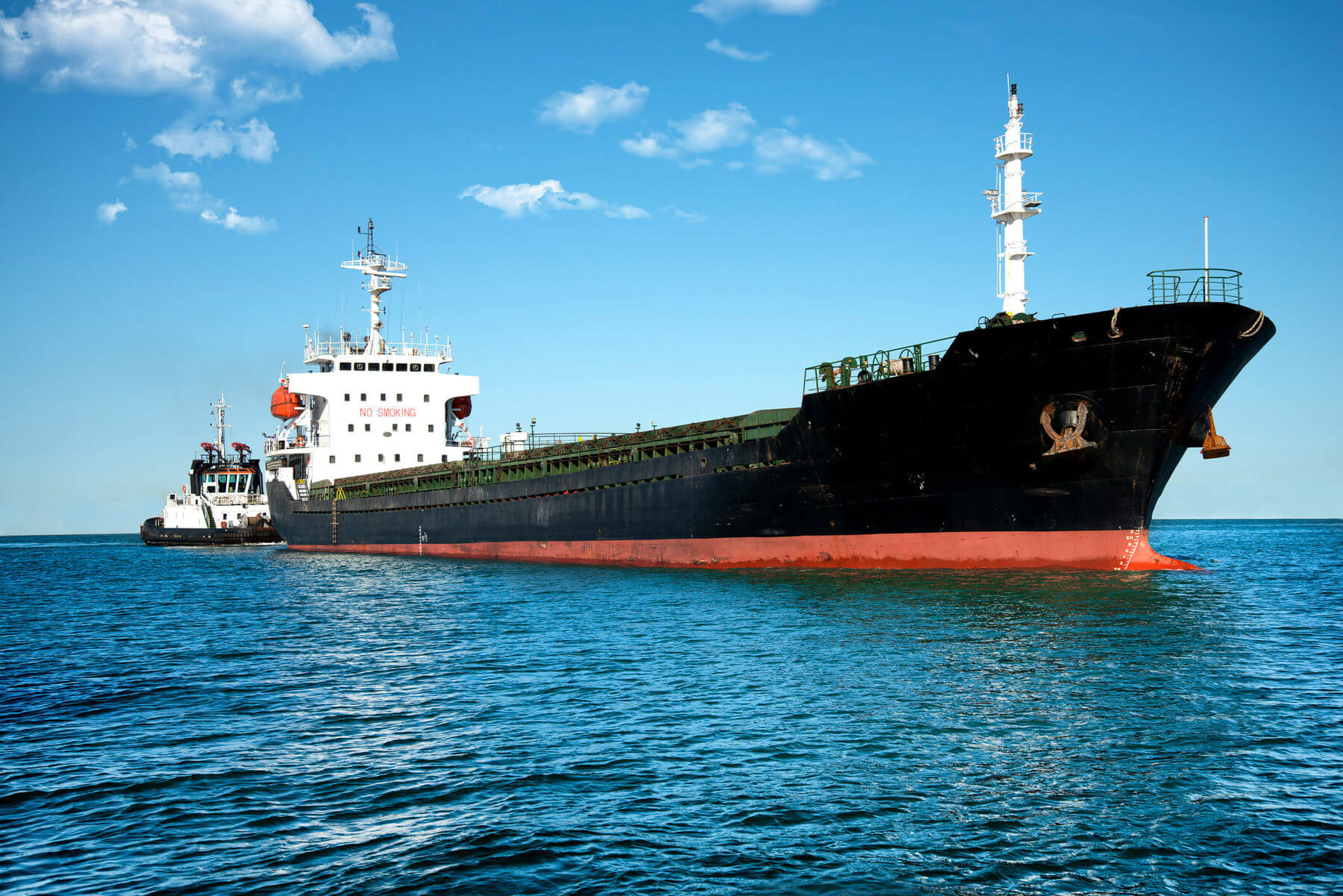

Senate Approves Law That Allows Rental of Foreign Ships for Brazilian Cabotage Services
A bill was approved in the Senate, in the Chamber of Deputies, that progressively allows the use of foreign ships in cabotage navigation, without the obligation to contract the construction of vessels in Brazilian shipyards. Following the publication of the future law, companies in the sector will be able to charter a bareboat, which in this case means renting one or more empty ships for use in cabotage navigation.
Read Also
In the Senate, the report by Deputy Gurgel (PSL-RJ) was approved, which extends the transition period for the rental of foreign ships for cabotage purposes from three to four years.
Law Approved by the Senate States That More Than One Ship May Be Rented One Year After the Law Comes Into Effect
Once the law approved by the Senate has been in effect for one year, two ships may be rented; in the second year of effectiveness, three ships; and in the third year of the change, four ships. From then on, the number will be unrestricted, subject to the safety conditions defined in regulations.
-
Eni Acquires 25% Stake in Chilean Lithium Project, Plans to Invest Up to $225 Million in Eco-Friendly Extraction Method

-
French Brand Transforms 6 Million Brazilian PET Bottles into Sustainable Sneakers for Global Fashion Market
-
Abandoned Factory in Rio’s North Zone Becomes Urban Hazard with Standing Water and Debris

-
The U.S. Navy Conducts Submarine Tests in Idaho Lake to Detect Underwater Noises Hidden by the Ocean



Ships for cabotage purposes must operate under the flag of origin. The flag of a country entails various legal obligations, including commercial, tax, and labor duties, as well as environmental responsibilities. Brazilian companies will also be able to operate these foreign ships for cabotage without needing to contract the construction of ships in Brazil.
Approved Report by the Senate Dispenses with Authorization for Chartering
Another novelty in the report is the waiver of authorization for chartering a foreign ship for a trip or for a period, to be used in cabotage navigation as a substitute for another ship that is being refurbished in national or international shipyards.