





 Portuguese
  English
  Spanish
  5 min of reading
  0 comments


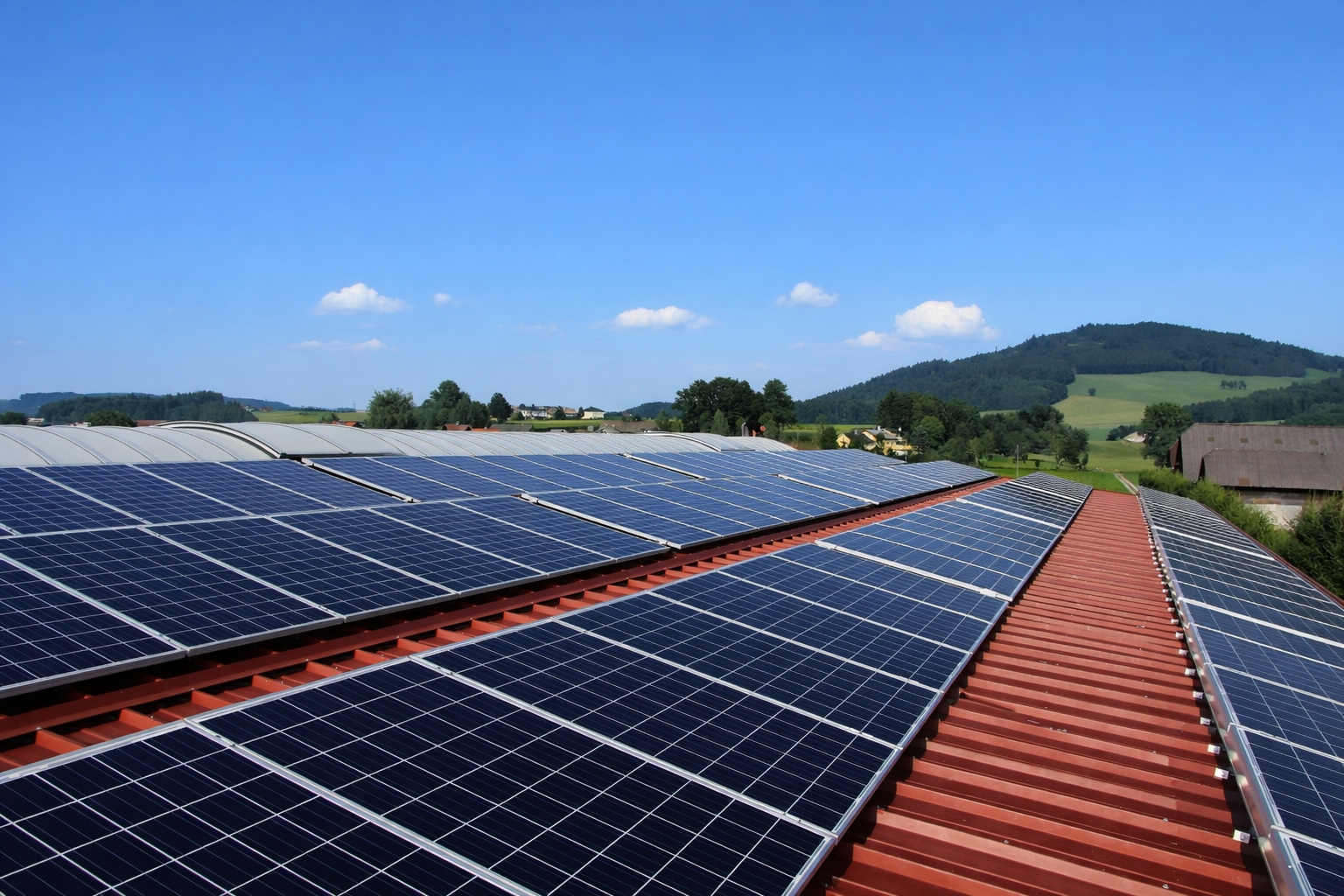
Understand How Solar Taxation 2026 Impacts Those Who Own or Plan to Install Solar Panels at Home, Alters Investment Costs, and Redefines the Solar Energy Landscape in Brazil.
The solar taxation 2026 emerges as one of the most relevant topics in the energy debate in Brazil.
Over the last decade, solar energy has shifted from a distant alternative to becoming a reality for thousands of Brazilians.
In this way, residential roofs, businesses, and small industries began to generate their own electricity, reduced their electricity bills, and at the same time, strengthened the energy transition.
-
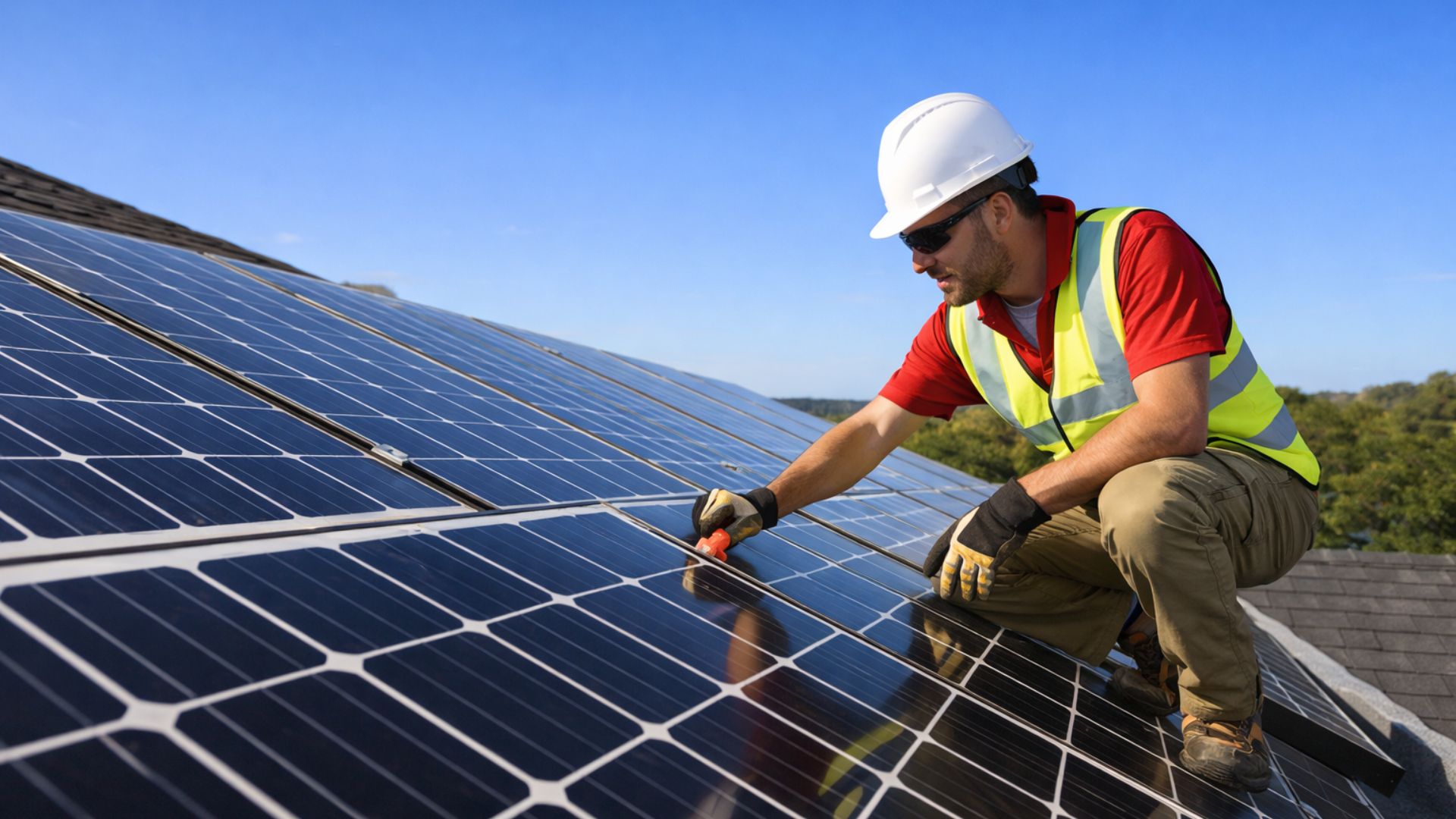
Seagri’s headquarters invests in solar energy with Neoenergia Coelba and promises to cut electricity costs, highlighting a strategic advance in sustainability and energy efficiency within state public administration.
-
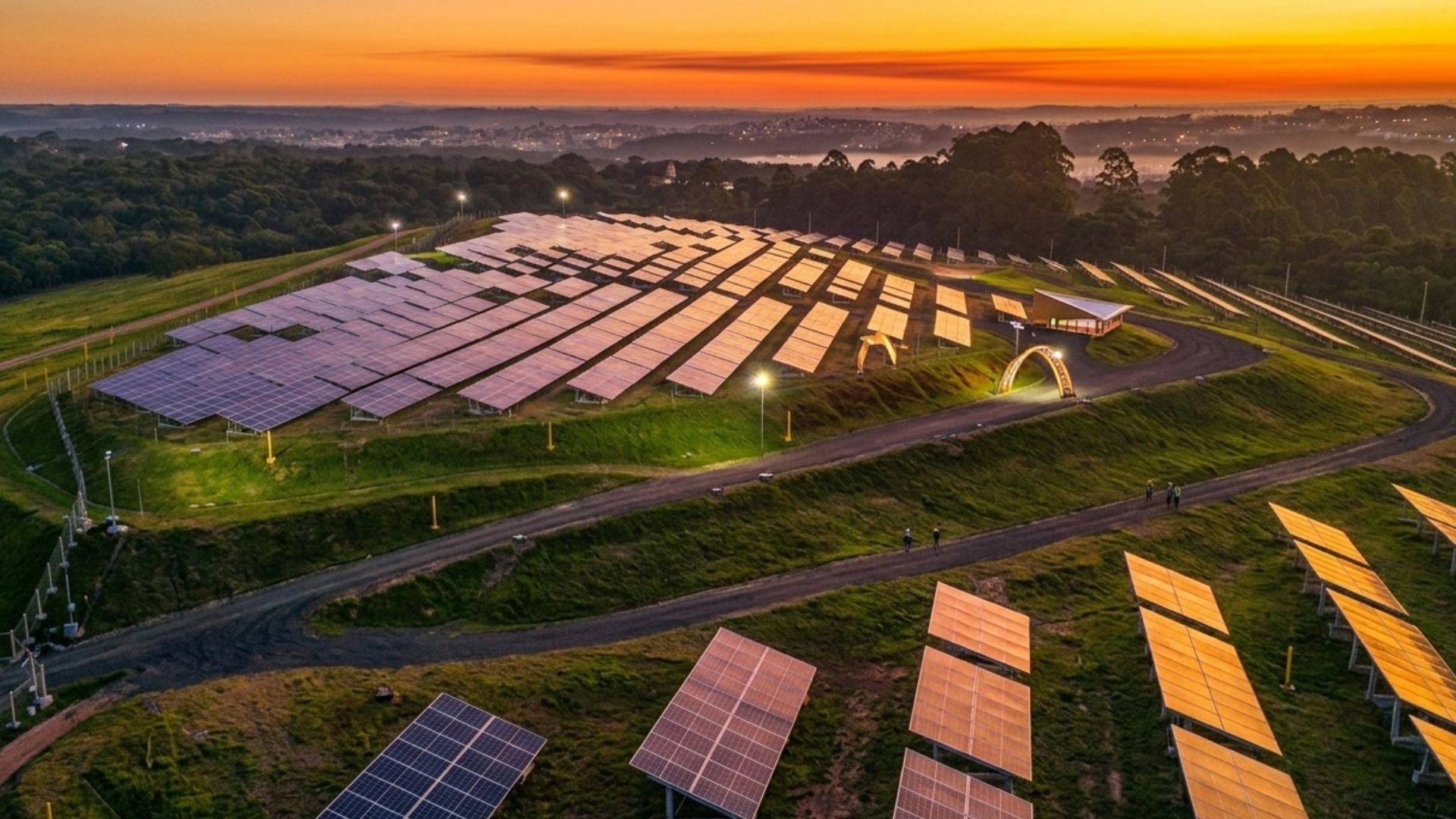
Solar Pyramid draws attention by converting solar energy into million-dollar savings and repositioning the City Hall of Curitiba as an example of innovation, sustainability, and intelligent use of public resources.
-
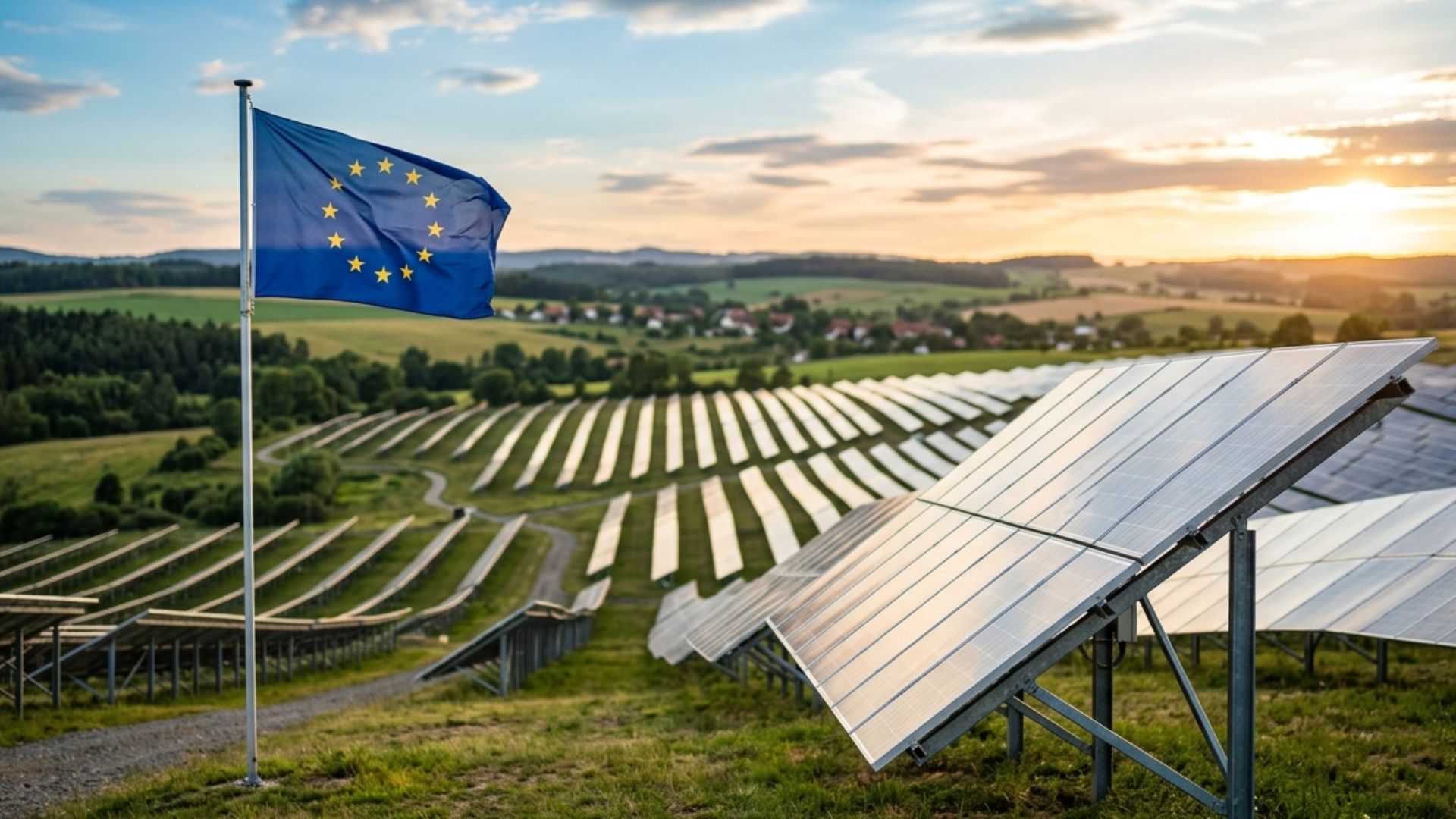
Europe records strong euro economy with solar energy in March and sparks curiosity about which country leads growth that redefines the energy market and reduces costs.
-
Piauí reaches a historic milestone in energy transition: State records nearly 160,000 households powered by solar energy and leads growth in the Northeast.
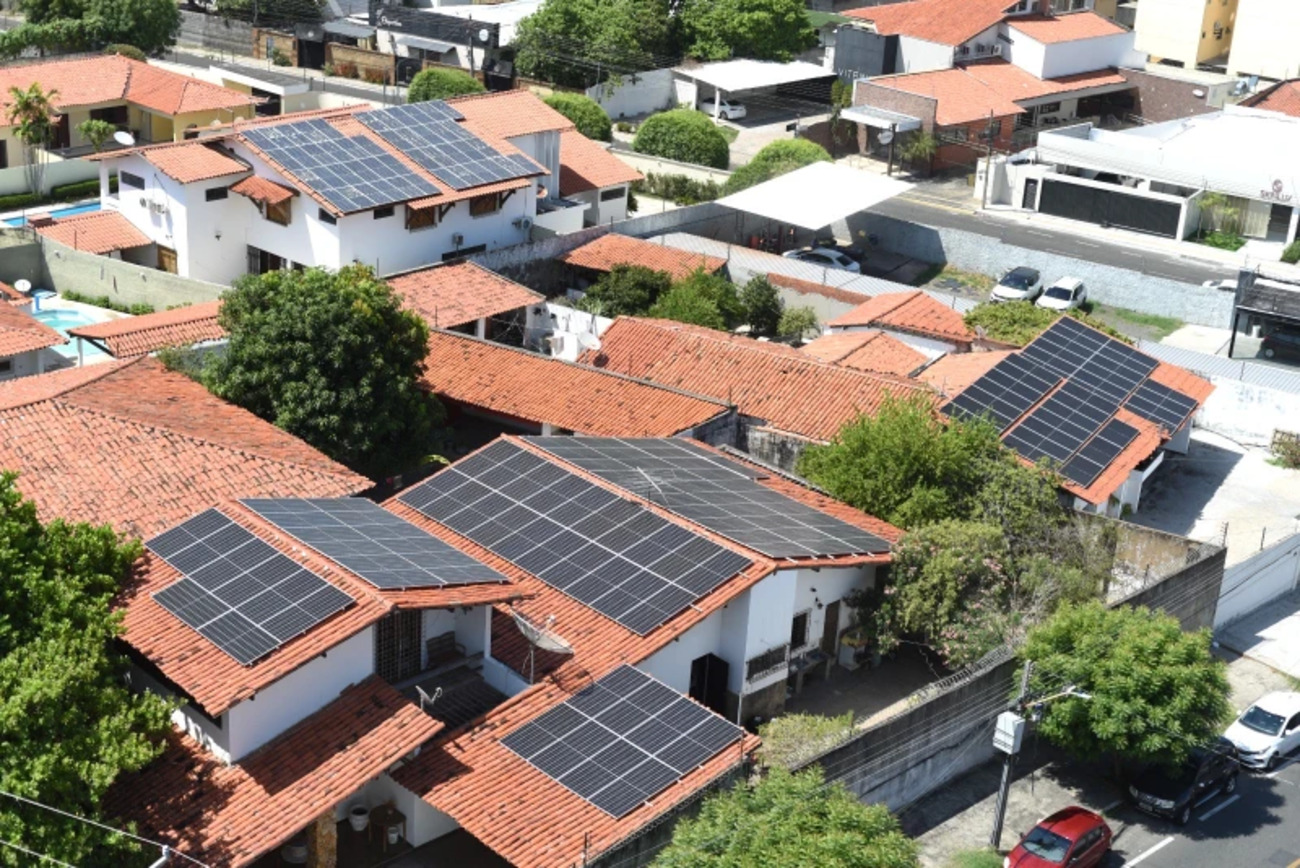
In this context, the resumption of the Import Tax on solar panels changes the environment that supported this growth.
Therefore, the federal government decided to phase out a cycle of incentives that has been in place since 2015 and that encouraged self-generation of energy throughout the country.
Historical Incentives and Expansion of Solar Energy
To understand the solar taxation 2026, it is essential to observe the history of the solar sector in Brazil.
Starting in 2015, the country adopted policies that reduced or eliminated taxes on photovoltaic equipment.
Thus, these measures aimed to accelerate the adoption of renewable sources, expand access to clean energy, and consequently, decrease dependence on fossil fuels.
Starting in 2020, this cycle of incentives gained even more strength.
During this period, solar energy began to be seen not only as an environmental solution but also as an economic strategy.
Furthermore, with electricity prices rising, distributed generation established itself as an alternative for families seeking predictability and savings.
In addition, specific financing lines and state programs widened access to photovoltaic systems.
At the same time, technological advances increased the efficiency of solar panels.
As a result, systems began to generate more energy in smaller areas, which facilitated installation on residential roofs.
Consequently, solar energy is no longer exclusive to large projects and has become part of the daily lives of urban and rural households.
The exemption from the Import Tax, which reached 0% in 2022, played a decisive role in this advance.
Thus, the lower cost of equipment accelerated the adoption of technology and consolidated Brazil as one of the world’s leading solar markets.
What Changes With Solar Taxation 2026
The solar taxation 2026 represents an important inflection in this trajectory.
Since January 2024, the government began the gradual reintroduction of the tax on photovoltaic modules.
Thus, the Executive defined a scaled timetable, with rates starting between 10% and 12%.
In 2025 and 2026, the tax could reach 25% for imported volumes above the established quotas.
As a result, the price of equipment is likely to rise, especially in a country that imports about 99% of solar panels, mostly from China.
For those who already have solar panels at home, however, the change does not affect installed systems.
This is because the solar taxation 2026 does not retroactively apply and does not create new charges on equipment already acquired.
Still, the impact is concentrated on new projects and future expansions.
As a consequence, the financial return calculation changes for those planning to invest.
Impacts on the Market and New Investments
Even without retroactive effect, the increase in the tax burden worries the solar energy sector.
This is happening because the market grew in an environment of predictability and falling costs.
Thus, with the resumption of the tax, some consumers may postpone investment decisions.
Moreover, sector entities warn of the risk of a slowdown.
Projects may face delays or cancellations, reducing the number of new systems installed.
As a result, the entire production chain may feel the effects, including job generation linked to solar energy.
Another point of concern involves the planning of companies in the sector.
With higher costs, integrators and suppliers are likely to reconsider business strategies and execution timelines.
Still, many experts believe that the sector remains solid.
After all, Brazil’s high solar irradiation, combined with the growing demand for energy, sustains interest in self-generation.
National Industry and the Competitiveness Debate
In addition to the impacts on consumers, the solar taxation 2026 also involves the national industry.
On one hand, representatives from the productive sector defend the measure as a way to protect Brazilian manufacturers.
This is happening because subsidized imported equipment hindered local competition.
With the reintroduction of the tax, the industry seeks to nationalize stages of the production chain.
Thus, job creation, increased local content, and technological strengthening appear as central arguments.
This type of discussion, however, does not occur only in Brazil.
Throughout the history of the energy transition, several countries have sought to balance incentives and industrial protection.
Thus, solar taxation 2026 fits into a global context of regulatory adjustments.
What to Consider Before Investing in Solar Energy
For the end consumer, the decision to invest in solar energy involves multiple factors.
Besides the cost of equipment, factors such as electricity rates, compensation rules, and access to credit play a role in the analysis.
Even with solar taxation 2026, many consumers believe that long-term savings still compensate.
This understanding strengthens, especially where the electricity bill weighs heavily on the monthly budget.
Additionally, solar energy offers energy autonomy and predictable expenses.
The contribution to reducing carbon emissions reinforces interest in the technology.
A Scenario of Adaptation and Long Term
The discussion about solar taxation 2026 has a timeless character.
This occurs because the energy transition takes place in cycles of incentives, adjustments, and maturation.
Over time, the Brazilian experience shows that public policies drive the sector.
Gradually, the market evolves to depend less on direct incentives.
Furthermore, the expectation is that the national industry will gain greater relevance in the coming years.
With more local production, some of the taxation impacts tend to be diluted.
In this scenario, those who already have solar panels at home should monitor regulatory changes.
Thus, proper maintenance, system efficiency, and possible expansions gain importance.
In summary, solar taxation 2026 marks a relevant change in Brazilian energy policy.
The measure redefines the balance between clean energy and national industry.
Despite the challenges, solar energy maintains its strategic role in the Brazilian electric matrix.










-

-

-

-

-

13 pessoas reagiram a isso.