





 English
  Francês
  Alemão
  Italiano
  Japonês
  Norueguês
  Portuguese
  Spanish
  3 min of reading


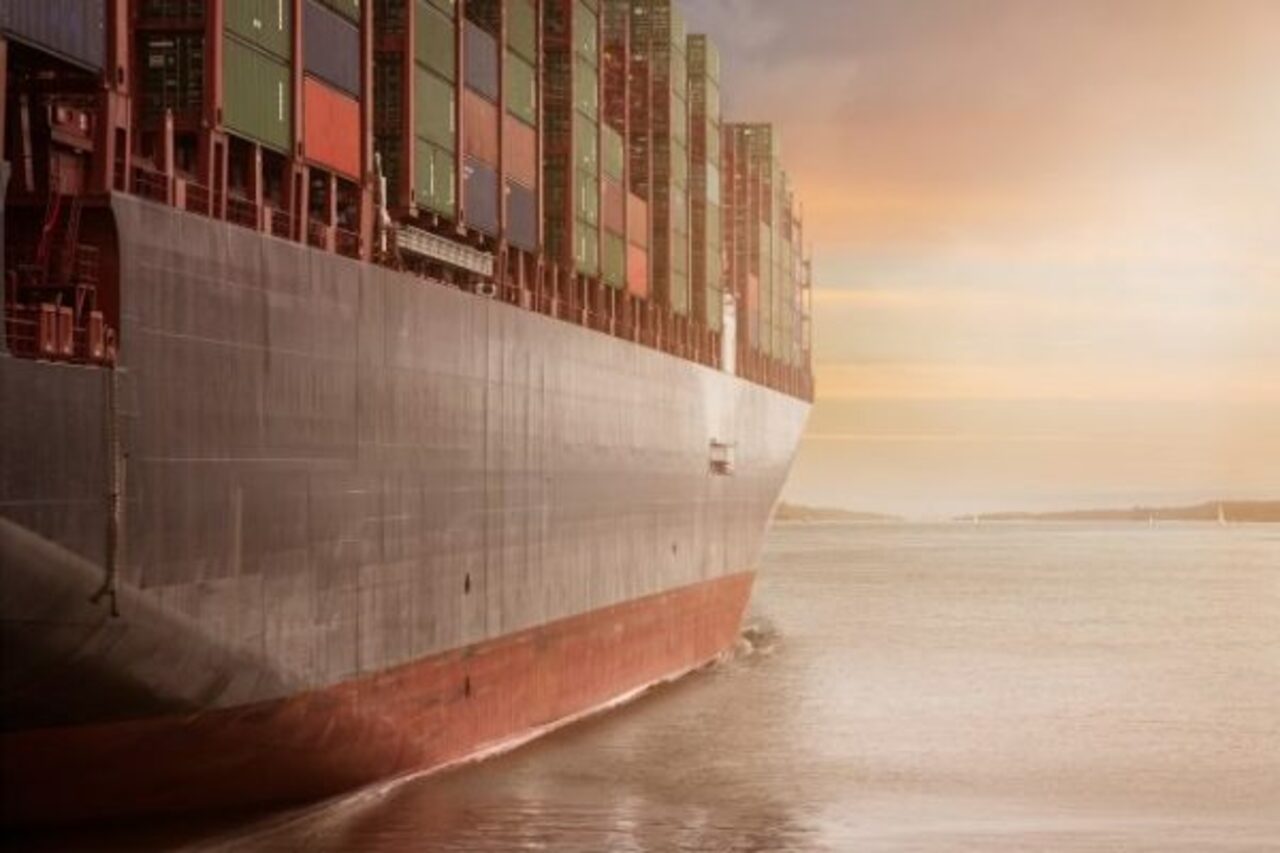
High In International Freight Should Make Products More Expensive For Brazilians And Affect The Economy
In less than a year, container freight jumped 300% and the estimate is for more increases in the Brazilian economy and various products; adjustments are already affecting Brazilian imports and making business unfeasible.
Read Also
The Cost Of The Pandemic
The COVID-19 pandemic increased the cost of imports from China. Since the beginning of last year, the price of freight for containers originating from the Asian country headed to Brazil rose 300%, from US$ 2,500 to US$ 10,000 in the economy of the Northern Region.
In Brazilian currency, the price went from R$ 12,900 to R$ 51,900, according to a survey by the transport company ES Logistics. At the ports of Santos, the busiest in the country, and Paranaguá, the value is around US$ 7,300, but the outlook is that it will exceed five digits soon. The adjustments are already affecting Brazilian imports and making business unfeasible.
-
Unemployment rises again to 5.8% at the beginning of 2026, raising alarms about the end of temporary positions and its impact on the Brazilian job market.

-
Document organization can cut invisible costs in small businesses, a simple step that prevents waste, rework, and losses in daily operations.

-
Chinese giant worth nearly R$ 4 billion that manufactures cables for electric cars, solar energy, and robotics wants to open a factory in SC.
-
Many employers do not know, but the law guarantees domestic workers a 25% increase in salary during trips, 50% for overtime, 20% for night shifts, and 17 additional benefits that can lead to labor lawsuits if not paid.


The United States is currently the largest consumer market for Chinese products, and with the pandemic reducing the supply chain, the containers sent to U.S. importers are taking longer to return to China. However, the lack of containers is just one of the factors that caused the increase in freight prices.
The Freight Adjustment
The adjustment was also driven by pent-up demand triggered by the drop in consumption that occurred between March and June. This demand has still not been fully met.
“These are the two main causes (for the increase in freight prices), but the impression we have is that there has been a change in consumption patterns. In the past, Brazilians would stop importing when the dollar reached R$ 5.10. Now, the dollar has reached R$ 5.60 and imports haven’t dropped,” noted the director of ES Logistics, Fabiano Ardigó. “It seems that business owners are going to pass this cost on to the final consumer.”
Fewer Routes
Raquel Rossi, Director of International Purchasing and Finance at Empalux in Curitiba, highlighted that it is difficult to avoid increases in Chinese freight prices and that the hike needs to be absorbed by the company.
“It’s unfair not to have much action regarding these freight rates, but besides the high freight rates, there is the lack of space on the ship. The number of routes has decreased significantly. We believe that shipping companies are taking advantage of this moment to profit.”
The last freight considered within normal standards contracted by the company on December 9, 2019, was US$ 1,285.08 for a 40′ NOR container. Today, the amount paid for the same type of equipment, with the same origin and destination, is approximately US$ 7,700. And experts estimate that this amount will reach US$ 10,000. If predictions hold true, importers will have to absorb an accumulated increase of over 600% in one year.










Seja o primeiro a reagir!