





 Portuguese
  English
  Spanish
  3 min of reading
  0 comments


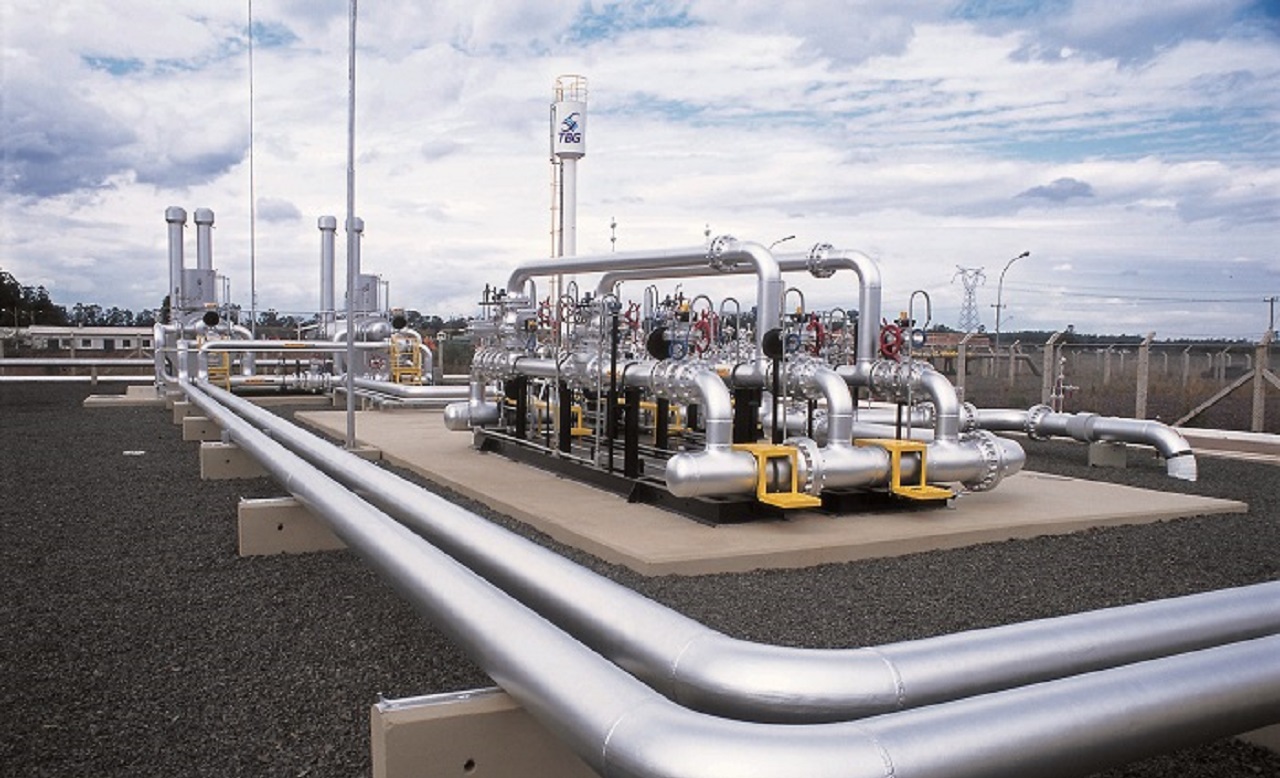
First Class Has More Than 80 Professionals With High School And Higher Education And Is The Result Of A Partnership With NTS
TBG is expanding its service portfolio and has formed a partnership with NTS to train, by June, 85 workers from NTS who will work in the operation, maintenance, and inspection of gas pipelines starting in the second half of this year. This is Pipeline Skills, TBG’s Business School, which offers custom, theoretical, and practical training for gas transportation companies.
The contract between the companies has already been signed, and the training is predominantly practical, taking place at TBG’s field facilities and NTS’s Control Center, always following the safety protocols of both companies, including those related to COVID-19 prevention.
The course has been taught by TBG’s technicians and engineers for professionals hired by NTS, who will join the team responsible for the operation and maintenance of their network of gas pipelines starting in the second half of 2021, when the operation and maintenance service contract with Transpetro ends.
-
Excel dominates job openings even in the era of artificial intelligence: analysis reveals high demand and highlights 5 courses to move beyond the basics and advance in the job market.

-
Senai launches free technology courses in Amapá and creates a strategic opportunity for those seeking quick qualification, entry into the job market, and professional growth in areas with high digital demand.

-
Take a free course at the Federal University: UFPR calls 200 candidates for intensive preparation for master’s and doctoral programs.

-
Learn English and Spanish at the Federal Institute without leaving home and 100% free: IFSP calls for interested parties for EAD vacancies starting in April and selection by order of registration.


The technical team at TBG is responsible for preparing all the customized material used in the training to cover the technical scope demanded by NTS. There are more than 4,500 course hours for eight different classes made up of professionals with high school and higher education.
According to TBG’s CEO, Érick Portela Pettendorfer, the company is expanding its business scope, contributing once again to the natural gas transportation market. “TBG intends to leverage its expertise of over 20 years in the operation and maintenance of gas pipelines to establish a new business model in the Education sector, offering training and capacity building to both national and international markets, allowing the diversification of the company’s business portfolio to generate revenue, consolidate the brand, and stimulate the emergence of new partnerships in the natural gas market,” he emphasized.
According to NTS’s CEO, Wong Loon, the practical training developed in partnership with TBG complements NTS’s strategy for training professionals: “Since we planned to take on the operation and maintenance of our network, training our professionals for their specific activities has been defined as a priority. We developed and implemented a robust theoretical training, and are now moving on to the practical part, which, among other modules, includes this one in partnership with TBG. We are very satisfied with the training being developed and are confident that the collaborative work between partner companies contributes to enhancing operational integration as well.”
About The Companies TBG And NTS
About TBG – TBG is the company responsible for the uninterrupted transportation of natural gas to Brazil’s main economic axis, delivering up to 30 million m³/day of fuel to the Central-West, Southeast, and South regions, which represent more than 50% of the national GDP. TBG supplies thermoelectric plants, refineries, and seven gas distributors.
About NTS – NTS is a natural gas transportation company that operates connecting the most industrialized region of Brazil. It boasts a pipeline network of 2,048 kilometers with a contractual transportation capacity of 158.2 million m³ of gas per day. NTS’s pipelines connect the states of RJ, MG, and SP – responsible for approximately 50% of gas consumption in the country – to the Bolivia-Brazil Gas Pipeline, LNG terminals, and gas processing plants.










Seja o primeiro a reagir!