





 Portuguese
  English
  Spanish
  3 min of reading
  4 comments


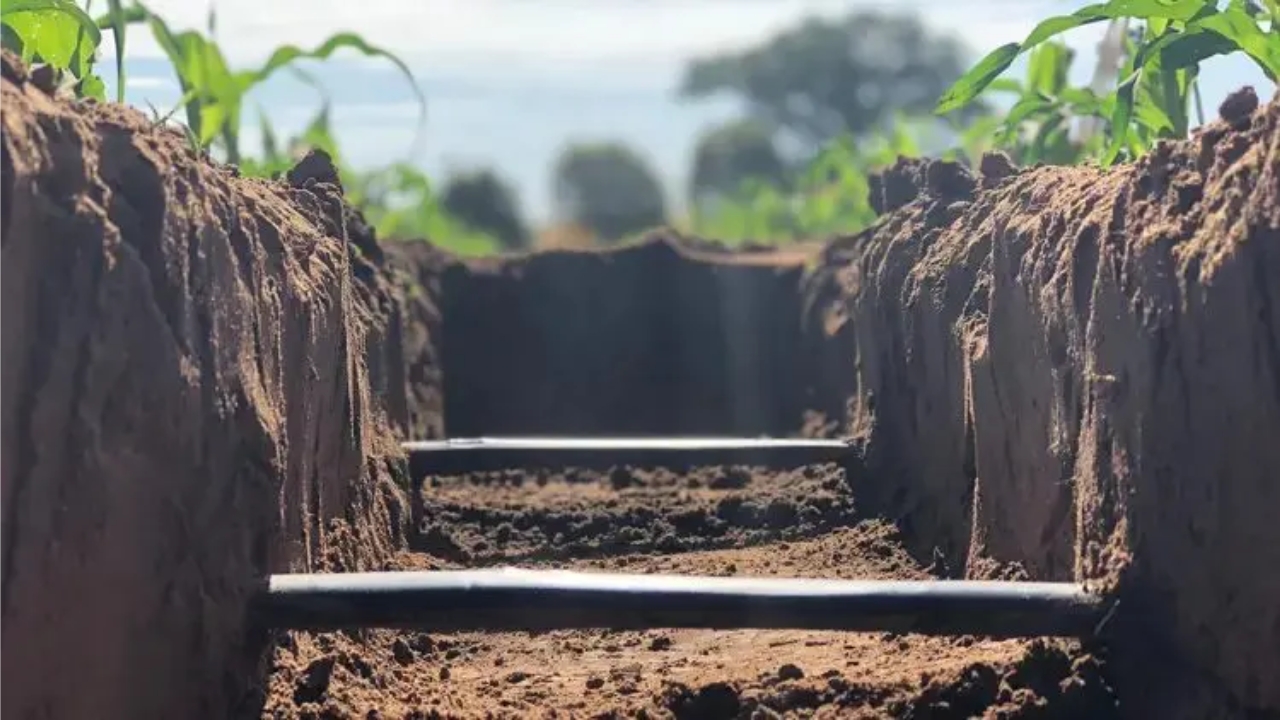


In Brazil, Producers Implemented the Buried Drip System in 23 and 250 Hectares to Increase Productivity by Up to Three Times and Save Water, Reaching Up to 140 Tons per Hectare and Catching the Attention of the Agricultural Sector
A technology that has existed for over 20 years in Brazil has begun to gain ground in the fields of Northern Espírito Santo. The underground drip system, also known as the Buried Drip System, has started to be used in coffee and sugarcane plantations in the cities of Linhares and Jaguaré.
What seemed like just another irrigation technique has turned into a game changer for local producers. The promise is clear: harvest more, spend less water, and reduce operational costs.
The initial results have captured attention. In some areas, productivity has tripled compared to the traditional model.
-
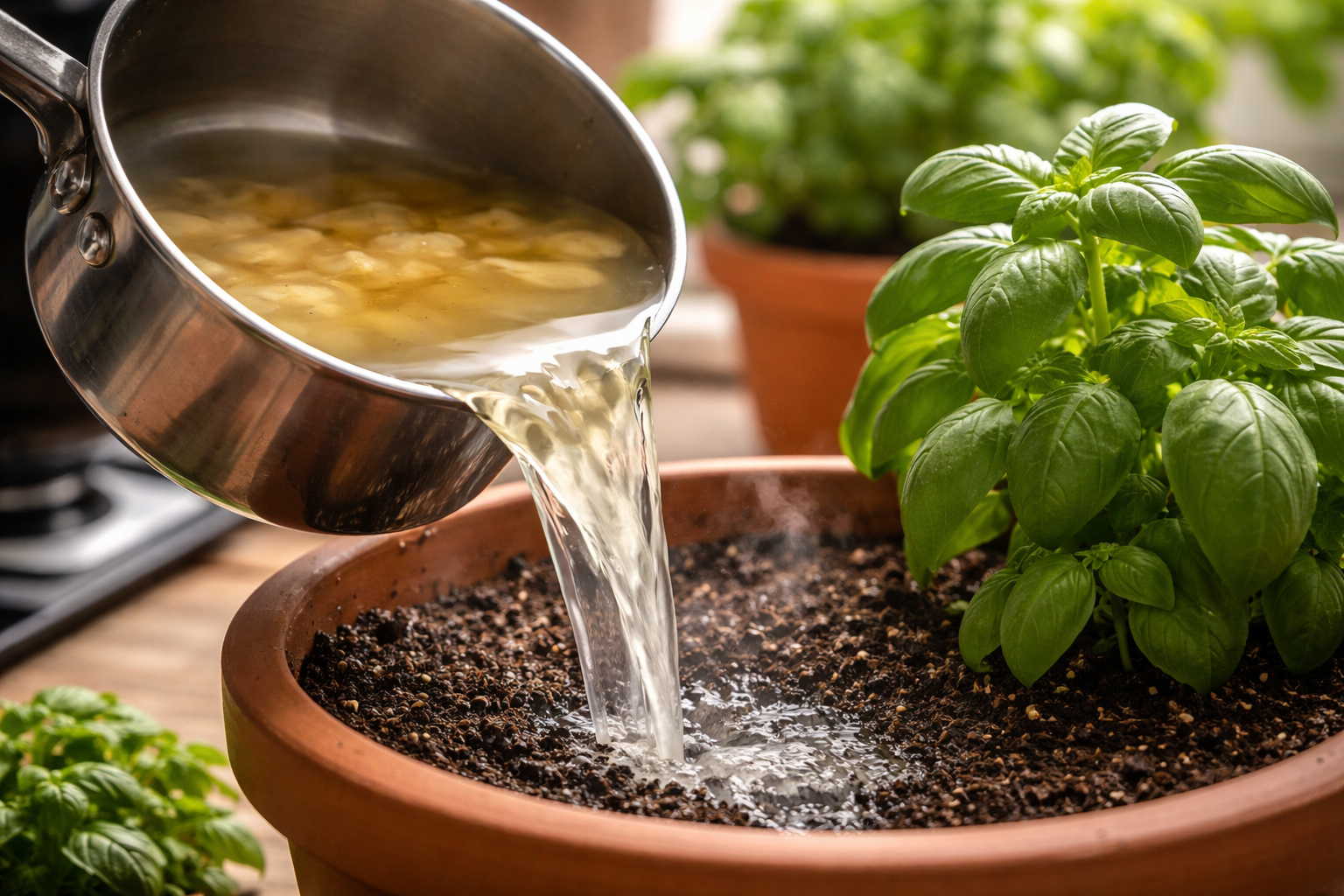
The water that almost everyone throws away after cooking potatoes carries nutrients released during the preparation and can be reused to help in the development of plants when used correctly at the base of gardens and pots, at no additional cost and without changing the routine.
-
The sea water temperature rose from 28 to 34 degrees in Santa Catarina and killed up to 90% of the oysters: producers who planted over 1 million seeds lost practically everything and say that if it happens again, production is doomed to end.

-
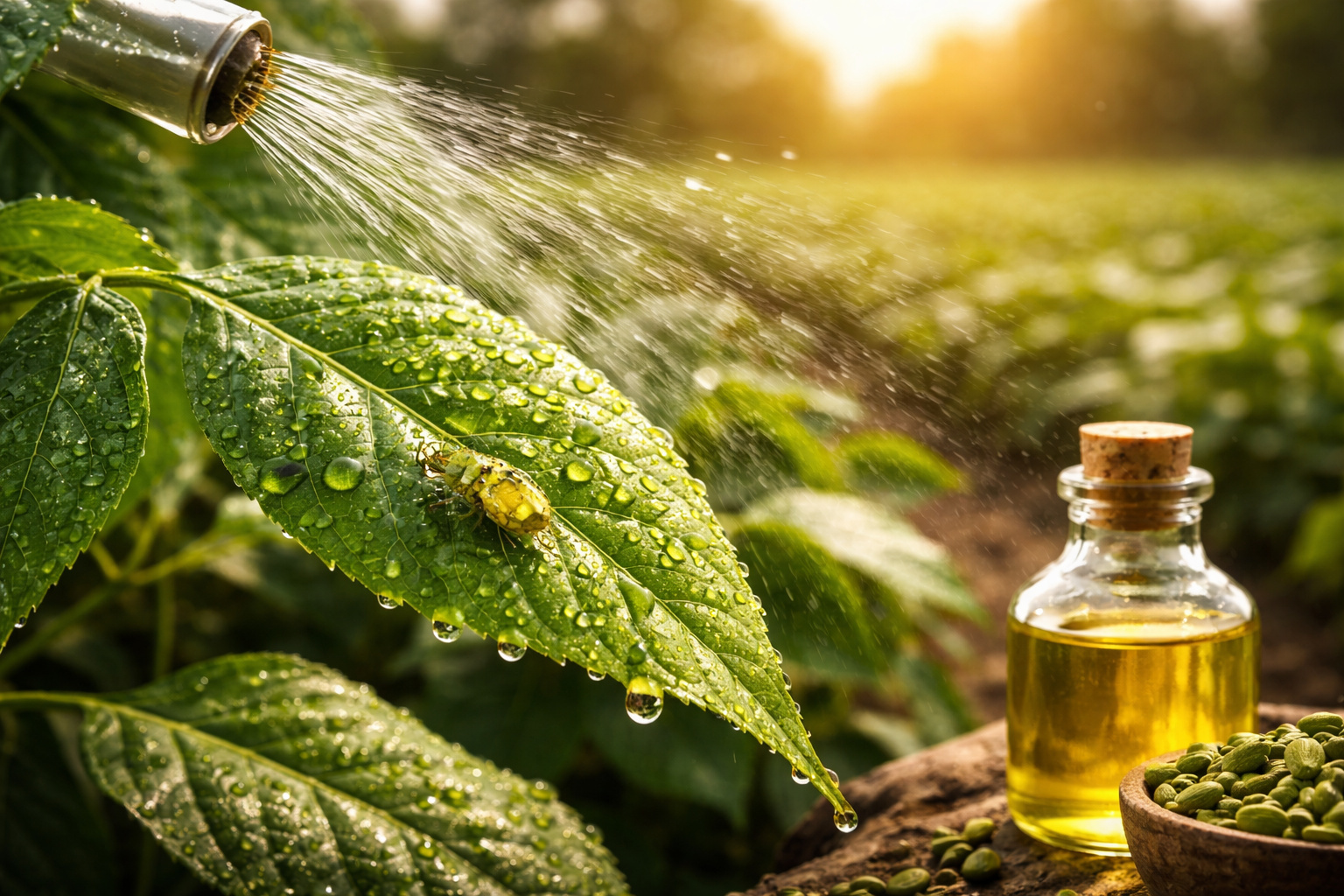
An Indian tree that grows in the Brazilian Northeast produces an oil capable of acting against more than 200 species of pests and interrupting the insect cycle, gaining ground as a natural alternative in soybean, cotton, and vegetable crops.
-
The rise in oil prices in the Middle East is already affecting Brazilian sugar: mills in the Central-South are seeing their margins shrink just as ethanol gains strength.

How the Buried Drip System Works in Capixaba Crops
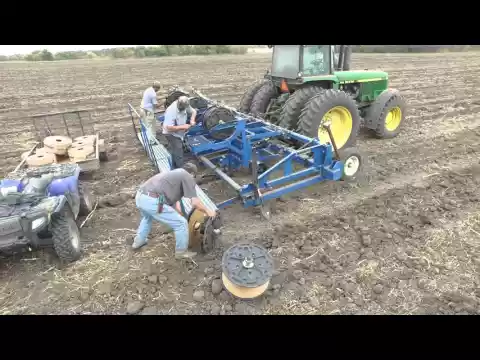
The system is simple in theory but strategic in practice. Hoses are installed below the soil surface, respecting the ideal depth for each crop.
In coffee, for example, installation can only occur when the plant is at least 8 months old. In sugarcane, the system needs to be implemented before planting.
The water and fertilizers are applied directly at the root. This reduces waste, improves nutrient absorption, and decreases weed growth.
The detail that stands out the most is the protection of the pipes, which are buried and less vulnerable to damage from animals or tools.

Producer Invests in 23 Hectares of Coffee and Sees Cost Reduction
In Jaguaré, farmer Ataydes Armani implemented the system a year ago in a 23-hectare area of conilon coffee. The hoses were installed 15 centimeters deep.
According to him, the impact was immediate. Labor costs decreased, especially in stages such as weeding and harvesting. Additionally, the durability of the equipment increased.
Excited with the results, he is already planning to expand the irrigated area to 46 hectares and preparing the soil for a new planting of 55 hectares, also with the buried system.
Agroindustry Expands Project in 250 Hectares of Sugarcane and Triples Productivity
In Linhares, an agroindustry implemented the system in 2023 in an area of 250 hectares of sugarcane.
Water is captured, purified, receives fertilizers, and is uniformly distributed throughout the sugarcane field. The results were surprising.
The average productivity jumped from 40 tons per hectare to 120 tons per hectare, even with early harvesting. For this year, the expectation is to reach at least 140 tons per hectare.
The gain was three to four times compared to the natural planting and fertilization process. In addition to quantity, the quality of the sugarcane also improved.

Water Savings and Adaptation to Tropical Climate Drive Adhesion
The system reduces water demand by applying water and nutrition in a more regular and controlled manner.
Since it is buried, the equipment suffers fewer damages, which ensures greater efficiency over time. This is especially important in tropical climate regions and in high-value crops.
With positive results in both coffee and sugarcane, producers are already planning to expand the irrigated areas this year.
The advancement of the underground drip system in Northern Espírito Santo demonstrates how technology and management can transform productivity in the field. The combination of water savings, increased yields, and reduced costs positions the technique as one of the most promising for the regional agribusiness.
Do you believe that underground drip irrigation could become standard in Brazilian crops in the coming years? Leave your opinion in the comments.







O Experimento é muito bom dado as condições climáticas no Brasil, parabéns aos idealizadores
Gostaria de visitar
É um sistema de irrigação antigo,muitos Agrônomos do Brasil tinham isso na mente.So não foi botado em prática por falta de pesquisas.