





 Portuguese
  English
  Spanish
  5 min of reading
  0 comments


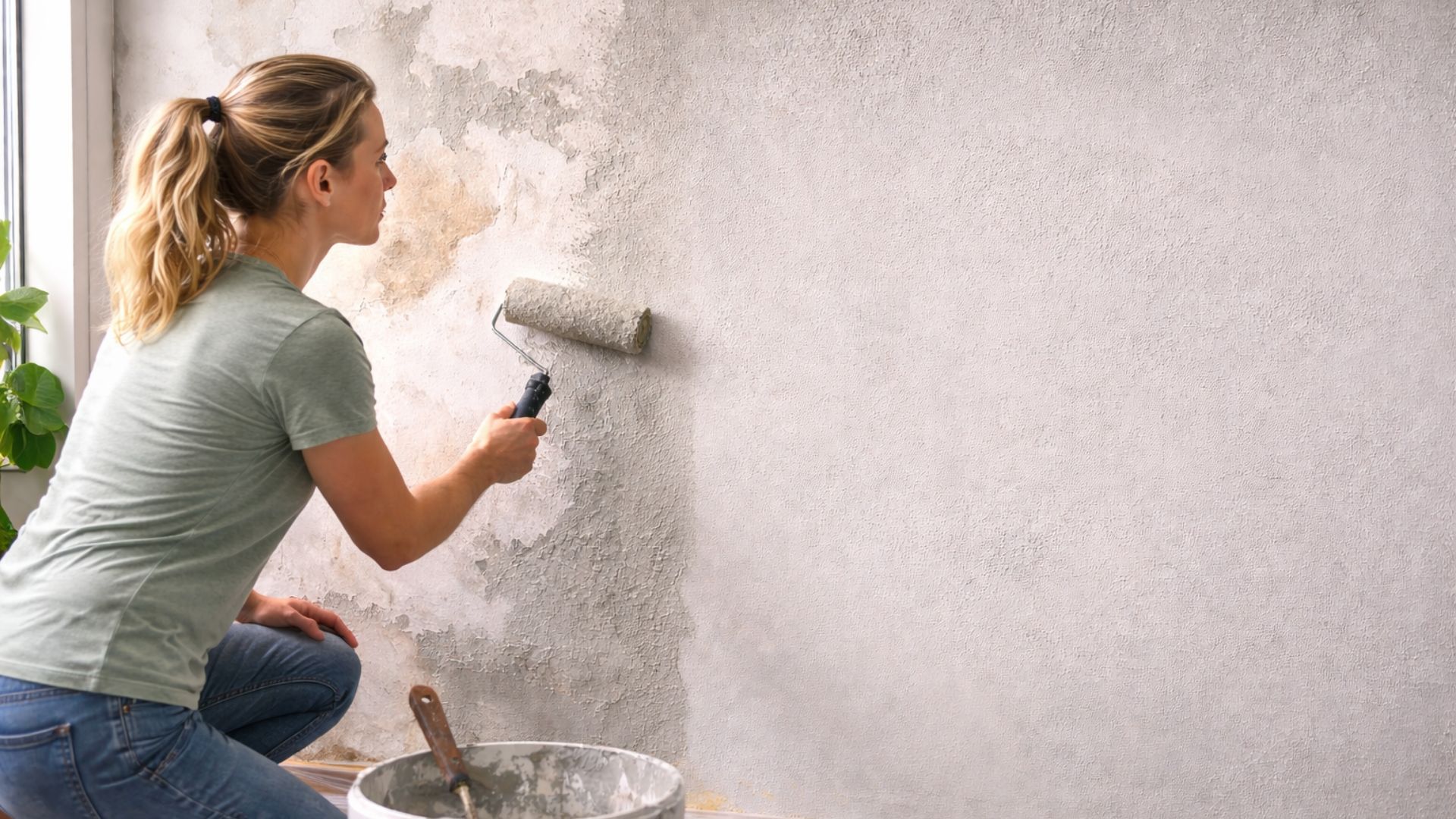
Cement Mix With Acrylic Paint Has Been Used in Simple Repairs of Peeling Walls, Creating an Intermediate Layer That Helps Fill Micro-Cracks, Improve Adhesion of the New Paint and Recover Small Imperfections of the Surface Before Repainting.
The wear of paint on walls is a natural process that usually appears over time, especially in environments exposed to humidity, intense sun, or infiltrations.
When the paint starts to peel, the appearance of the space changes quickly and conveys a sense of abandonment or irregular maintenance of the property.
In many cases, the problem arises gradually.
-
With a façade that resembles a giant zipper, the building in Milan creates a sense of strangeness, featuring lighting that transforms engineering and attracts the attention of residents and tourists.

-
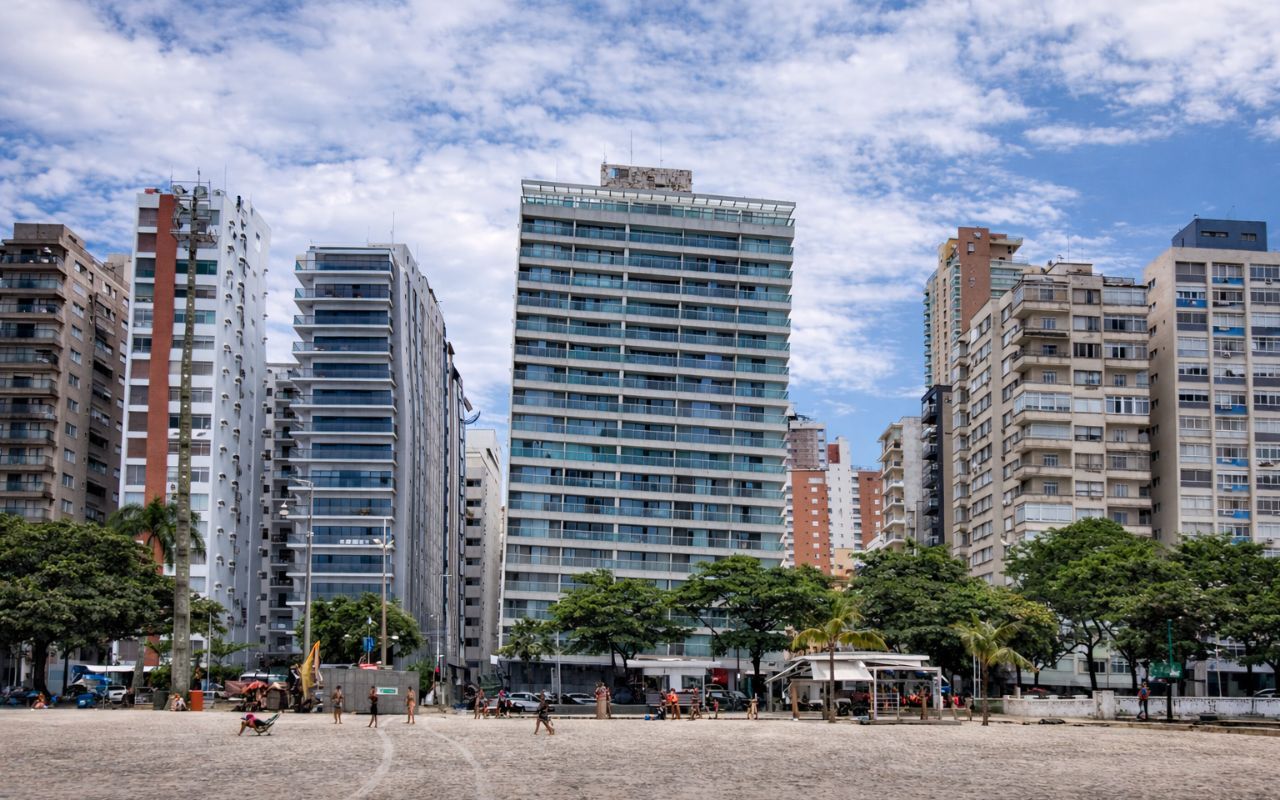
The Brazilian city has 319 crooked buildings built on sandy soil without proper deep foundations, houses the largest beach garden in the world, with over 5 km, and is still considered the birthplace of surfing — meet Santos, in São Paulo.
-
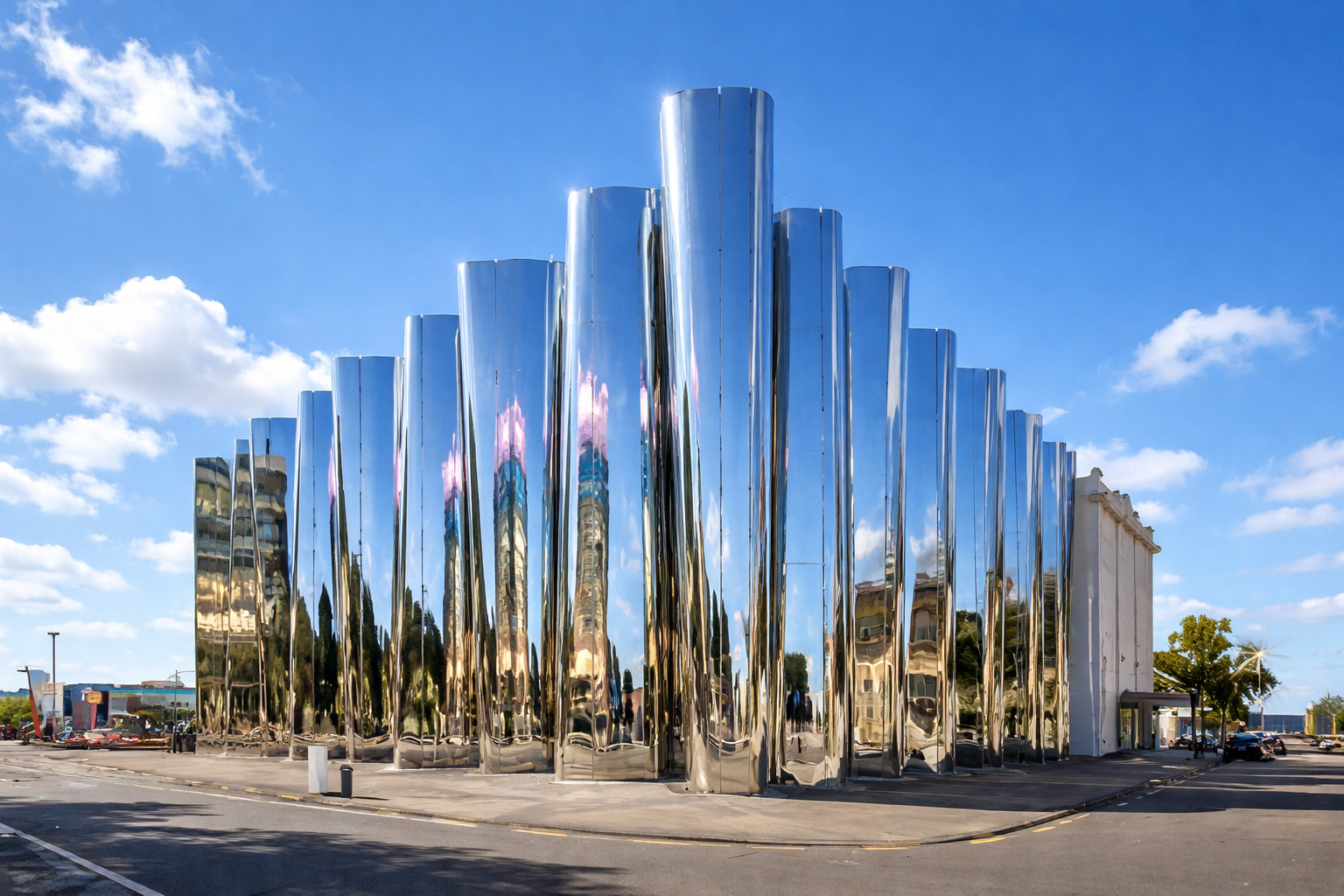
New Zealand builds a shimmering building that vibrates, featuring a 62-seat cinema, moving sculptures, and an environment where sound, light, and energy are felt in the body.
-
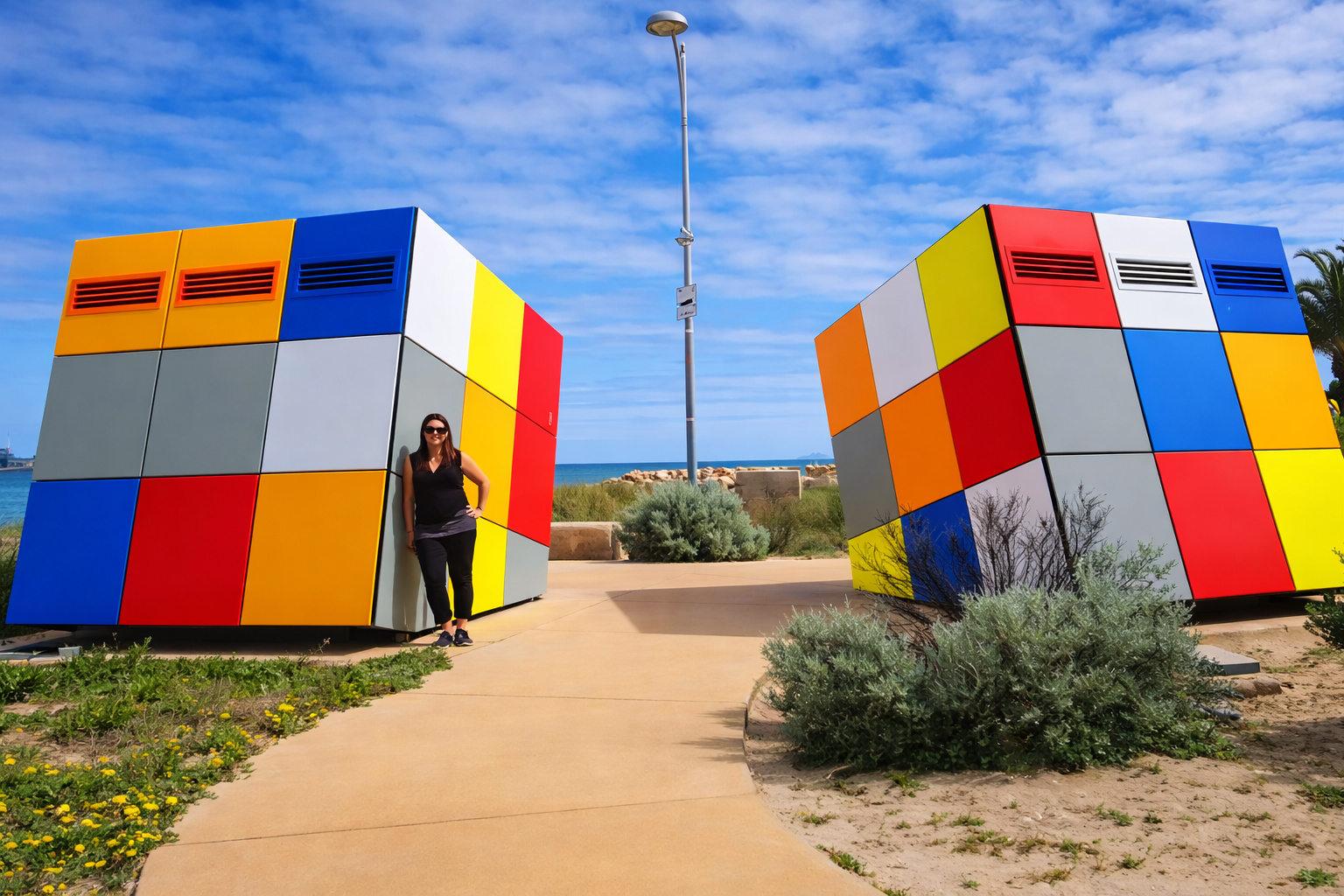
Two colored cubes of 2.5 m transform a public bathroom into a selfie spot in Western Australia, costing up to 75% less than traditional construction and helping to reduce vandalism in public spaces.

Small bubbles, superficial cracks, or stains indicate that the adhesion of the original paint is no longer functioning as it should, making way for parts of the paint to loosen from the surface.
In addition to climatic conditions, other factors contribute to this wear.
Applications made on poorly prepared surfaces, old layers of accumulated paint, or low-quality products can accelerate the deterioration process of the wall.
In recent years, a simple solution has frequently circulated in home maintenance and quick renovation content.
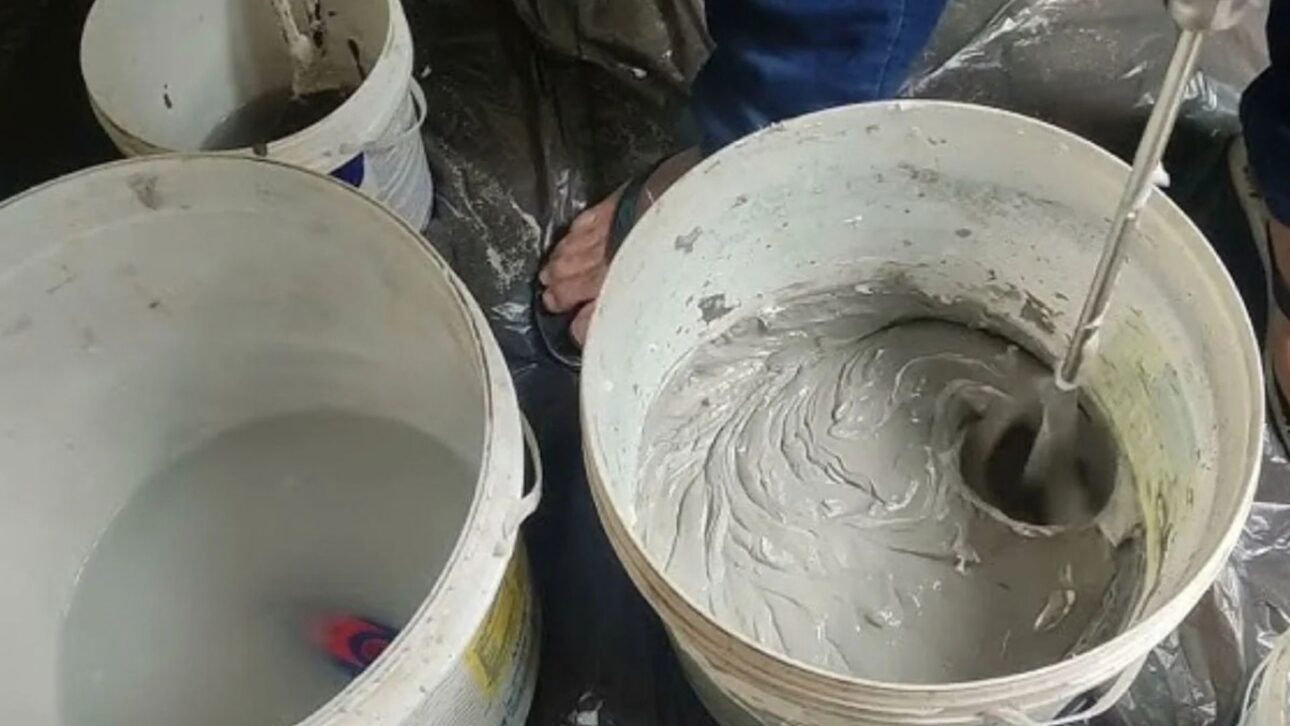
This is the mix of cement with acrylic paint, a technique that has been pointed out as an alternative to recover worn surfaces before applying a new paint.
How the Cement Mix With Acrylic Paint Works on the Wall
In practice, the combination of these two materials acts as a kind of thinner liquid mortar, capable of filling micro-cracks and superficial irregularities of the wall while creating a more adhesive base for the final paint.
When applied properly, this intermediate layer penetrates small imperfections of the plaster, helping to stabilize points where the old paint has already begun to detach or show flaws.
This effect occurs because the cement, when it hardens, forms a more rigid film on the surface.
The acrylic paint contributes to give elasticity and adhesion to the compound, allowing the mixture to adhere better to the wall substrate.
As a result, the surface tends to become more uniform and prepared to receive the new paint.
In many situations, the technique also helps to disguise light wear or small irregularities that become visible after the old paint begins to peel.
Another observed effect is the increased adhesion of the paint applied later.
With a firmer and more homogeneous base, the final paint tends to adhere better, reducing the likelihood of new peeling spots in the short term.
Correct Preparation of the Surface Before Application
Despite the simplicity of the mixture, maintenance and painting experts emphasize that the performance of the technique directly depends on the correct preparation of the surface.
Before application, it is essential to completely remove the loose parts of the old paint.
Any poorly adhered fragment can compromise the adhesion of the new layer and cause the problem to reappear in a short time.
Cleaning the wall is also an essential step.
Dust, grease, or accumulated residues prevent the mixture from penetrating properly into the small cracks in the surface, reducing the reinforcing effect that the technique aims to provide.
Another important care involves moisture.
The wall must be dry before application, as infiltrations or persistent moisture can prevent the adhesion of the compound and cause bubbles or small cracks after drying.
When these steps are ignored, the film formed by the mixture may end up detaching from the surface or showing visible defects after the final paint.
When the Technique Can Be Used
Although it has become popular as a quick solution for peeling walls, the cement mix with acrylic paint does not replace more profound structural repairs.
The technique is usually indicated only for superficial interventions, especially in cases of wear of the plaster, small imperfections, or localized paint failures.
When there are deep cracks, active infiltrations, or compromised parts of the plaster, the correct procedure involves structural repairs before painting.
In these scenarios, the application of the mixture does not resolve the root cause of the problem and may only temporarily mask the damages.
Still, for walls showing light to medium wear, the method can serve as a preparatory step before the new paint, creating a more uniform and resistant base.
Another factor contributing to the popularity of the technique is the reduced cost.
The materials involved are affordable and widely available in hardware stores, making the procedure an economical alternative for those looking to improve the finish of their walls without starting a complete renovation.
In residential properties, especially in indoor environments or areas with little direct exposure to rain, the solution can help extend the durability of the paint and improve the visual aspect of worn surfaces.
Aesthetic Recovery and Maintenance of Walls
Peeling problems tend to become more evident over time, especially on walls that have undergone several repaints over the years or that have been subjected to adverse environmental conditions.
When the surface begins to lose adhesion, small maintenance interventions can prevent the problem from spreading to larger areas of the wall.
In this context, preparation and reinforcement techniques of the base before the new paint gain importance within the property conservation process.
A leveled, clean, and well-prepared surface tends to receive subsequent layers of paint better, increasing the durability of the finish.
In situations of moderate wear, the correct application of the cement mix with acrylic paint can help recover the appearance of the wall and reduce visible imperfections.
Especially when combined with the proper removal of the old paint and the correct preparation of the substrate.
Preventive maintenance of painted surfaces remains one of the most relevant factors in avoiding recurring peeling, infiltrations, and other damages.
These care actions contribute to preserving both the aesthetics and the conservation of the walls over time.







-

-

-

-

-

-

79 pessoas reagiram a isso.