





 Portuguese
  English
  Spanish
  3 min of reading


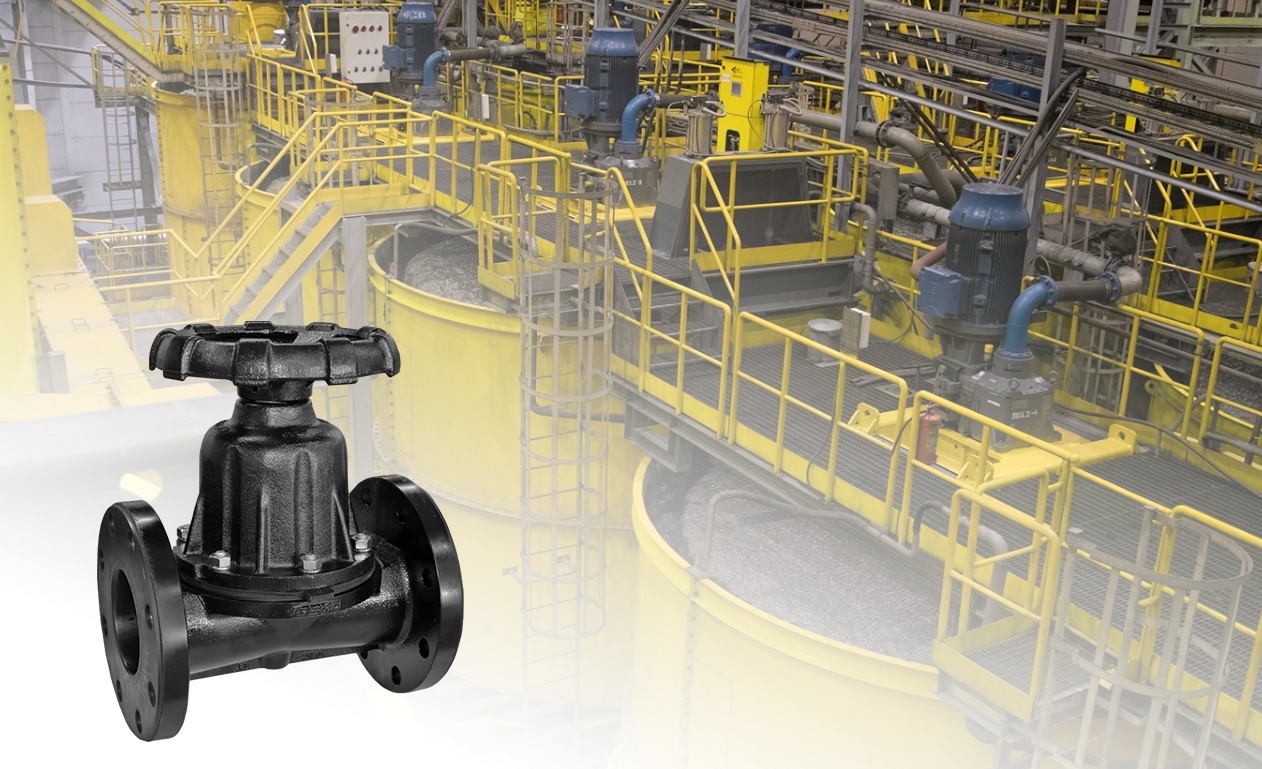
Fluid Control Equipment Industry Uses Corrosion-Resistant Material, Which Contributes to Sustainability in Mining
After the environmental tragedies experienced by Brazil, society is attentive to all kinds of soil and water contamination. The mining sector has managed to modernize to respond to this. While large dam systems were once the norm, the priority today is to manage these waste materials, which depends on specific systems and equipment. With the modernization of the sector, the demand for technologically advanced equipment is growing. Read also: 250 job openings at the mining company Terra Brasil Minerals.
This is a sector responsible for 2.5% of the national GDP, generating over R$ 50 billion in revenue and royalties annually, and around 3 million direct and indirect jobs, according to the Ministry of Mines and Energy. To implement the Mining and Development Program, which aims to attract new investments and promote mining development by 2023, new technologies are required.
“Even with the new system, which subjects waste to drying processes, it is necessary to transport this material to its destination without contamination risks,” explains electrical engineer and general sales manager for the industrial area at GEMÜ, Mateus Souza. For this, valves and other fluid measurement and control equipment promote environmental safety. Designed to withstand the abrasiveness of compounds resulting from mineral extraction, they prevent leaks.
-
Brazil surprises the world by cloning a pig with human genes in an attempt to save humans with transplants, a technique with only 1% to 5% success rate, editing 3 genes, inserting 7 human genes, and impacting 48,000 patients on the waiting list.
-
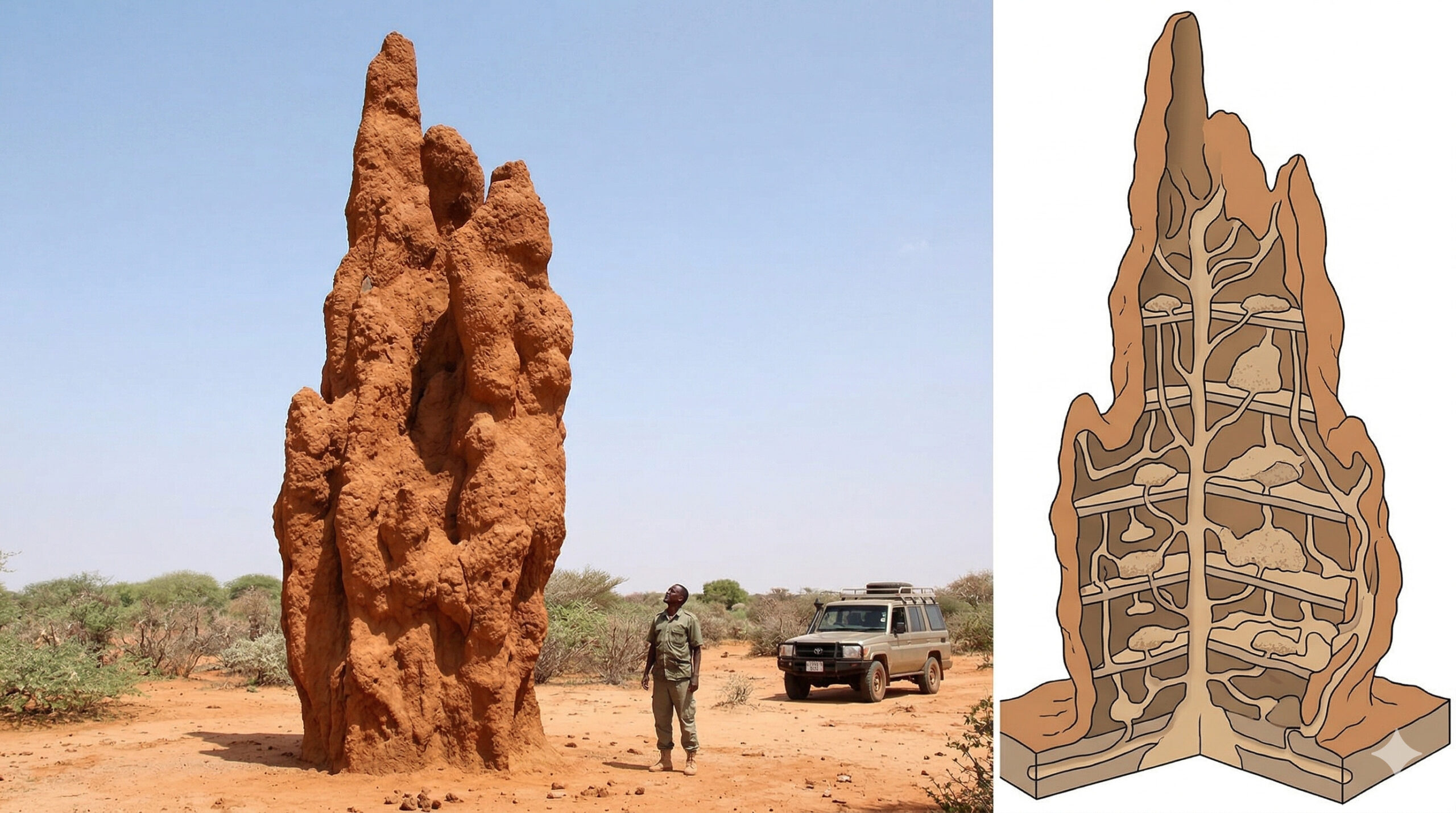
With a height of 8.7 meters, the giant termite mound found in Somalia has entered history as the largest ever recorded and reveals how insects just a few millimeters tall build three-story structures.
-
Measuring about 50 cm in wingspan, the merlin, the smallest bird of prey in the world, is at risk of extinction and could disappear by 2050, according to research published in Nature.
-
With 96 rooms, 37 bathrooms, and five kitchens, the mansion of the heir to Pernambucanas is worth R$ 50 million, has a pool, two terraces, and has become the target of a legal dispute after the owner fell into a coma in 2016.
How to Safely Treat Mineral Waste
In the mining process, valves are used in “filter press,” equipment utilized in separation processes between solids and liquids, operated by pressure. The method involves pressurizing the waste slurry in filters that separate all the water from the solid material for treatment and release of a dry solid residue. “Proper storage of this waste is essential to avoid environmental damage,” the engineer explains.
An important detail is that the waste slurry, composed of mineral remnants, sand, and water, is corrosive and requires equipment made from resistant materials.
“Unfortunately, it is quite common to have accidents due to poor product choice, which is why it’s important to have an initial disposition to make the right choice,” Souza reminds.
With the right technology, it is possible to advance in soil recovery processes and sustainability acrossall production chains.
About GEMÜ – The branch of the German multinational founded by Fritz Müller in the 1960s offers the Brazilian market extremely efficient and high-quality valves. The plant located in São José dos Pinhais (PR), which has 100 employees and is completing 40 years in 2021, produces valves and accessories for water and wastewater treatment in industries across all sectors, such as steel, fertilizers, and automotive, as well as for integrating energy generation systems. In the PFB area (pharmaceutical, food, and biotechnology), GEMÜ is a world leader and sells high-precision products throughout Latin America, providing local support and consulting from professionals capable of guiding the choice of the best valve solution for each application. More information: https://www.gemu-group.com/pt_BR/






Seja o primeiro a reagir!