





 Portuguese
  English
  Spanish
  3 min of reading
  0 comments


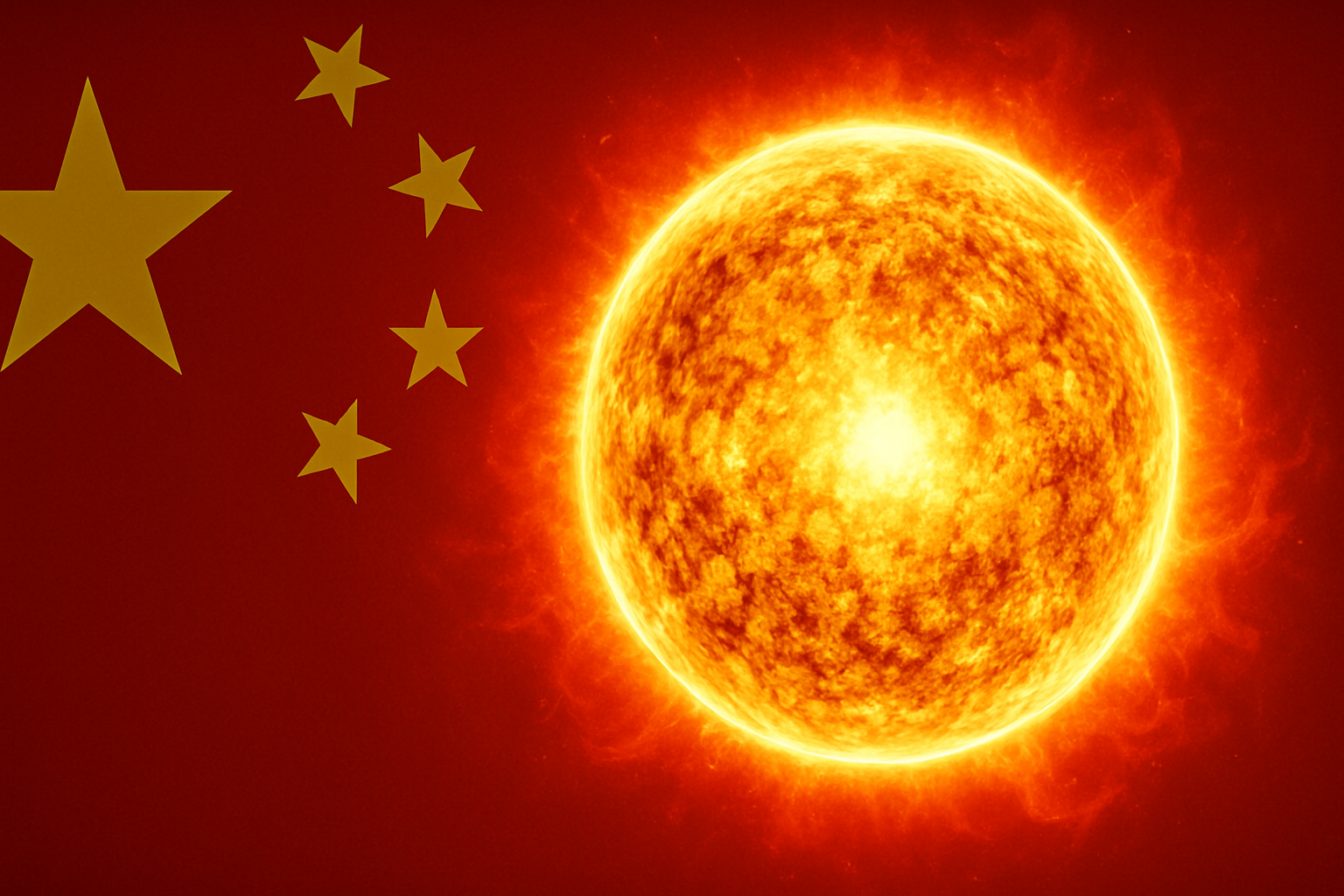
China Breaks Record With Artificial Sun By Maintaining Plasma Stable For 1,066 Seconds, Marking Crucial Advance In Fusion Energy.
China has just achieved a historic milestone in the race for nuclear fusion. The Experimental Advanced Superconducting Tokamak (EAST), known as the Chinese “artificial sun,” maintained the plasma in high confinement for 1,066 seconds — the new world record.
This achievement represents a crucial technical advance toward the generation of clean and virtually inexhaustible energy.
Nuclear Fusion: The Main Goal
The EAST aims to replicate in the laboratory the same process that occurs in the Sun’s interior: the fusion of hydrogen nuclei — usually deuterium and tritium — into a larger nucleus.
-
With a cost per shot close to zero, the DragonFire laser could change naval warfare in 2027 and provide British ships with nearly unlimited defense against drones.

-
A British startup creates tires that generate electricity in electric vehicles when passing over potholes, speed bumps, and cracks.

-
Scientists have created robots made with living cells that have their own nervous system, swim on their own, explore the environment, and self-organize without any genetic engineering, and now they want to do the same with human cells.
-
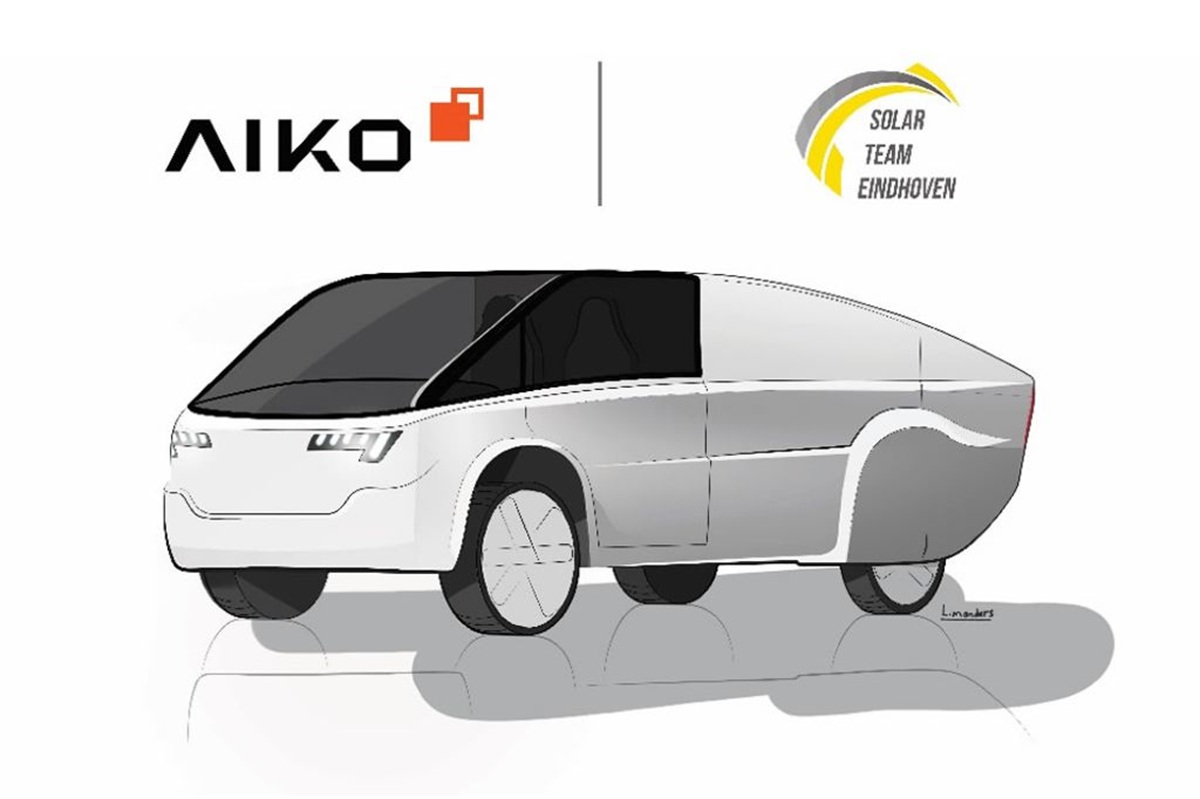
Students create a solar-powered ambulance that operates without a plug, without fuel, and still keeps medical equipment running in remote areas.

This reaction releases large amounts of energy and, unlike nuclear fission, does not generate significant polluting waste.
The goal is to transform this technology into a safe, clean, and sustainable energy source.
How EAST Works
The reactor has the shape of a tokamak, a ring structure that facilitates the confinement of plasma — an overheated gas that can exceed 150 million degrees Celsius.
As no physical structure can withstand such high temperatures, the plasma is kept suspended by extremely strong magnetic fields.
Magnetic Fields And Superconductors
These fields are generated by superconducting magnets cooled with liquid helium. The technology allows the creation of intense magnetism with low energy consumption, essential for keeping the plasma stable for long periods.
The heating of the plasma, in turn, is done through neutral particle injection and high-frequency radio waves — a system called auxiliary heating.
A New World Record
The new mark of 1,066 seconds comfortably surpassed the previous record, also by EAST, of 403 seconds, recorded in 2023.
The experiment, conducted in January by Chinese scientists, was coordinated by the Institute of Plasma Physics (ASIPP), affiliated with the Hefei Institute of Physical Science (HFIPS).
Global Significance Of The Achievement
The advance indicates that China is at the forefront of the technological race for controlled nuclear fusion. If it is possible to repeat the feat safely and continuously, the planet could count on a clean, abundant, and virtually infinite energy source — with the potential to revolutionize the global energy system and even facilitate future interplanetary missions.
Challenges Still Exist
Despite the success, nuclear fusion still faces considerable technical obstacles. The process requires temperatures above 100 million degrees Celsius and stability for thousands of seconds.
Additionally, full control of the reactor is necessary for electricity generation to be safe and commercially viable.
Advances In Equipment
According to Gong Xianzu, head of the Physics and Operations Division at EAST, the new achievement was only made possible thanks to improvements in the heating system.
The power used, previously equivalent to 70,000 household microwaves, has been doubled without compromising operational stability.
Official Statements
For Song Yuntao, director of ASIPP and vice president of HFIPS, the result represents a fundamental step. He stated that keeping the reactor running for over a thousand seconds creates a solid foundation for the development of a continuous and self-sustaining fusion system in the future.
International Research Platform
EAST has been used since 2006 as a testing platform for Chinese and foreign scientists. In the same year, China became part of the ITER (International Thermonuclear Experimental Reactor) project, based in France, with a 9% stake, under the leadership of ASIPP.
Furthermore, the data obtained from EAST helps to develop the CFETR, the future Chinese testing reactor.
In Hefei, where EAST is installed, new structures are being built to further expand the studies.
The achievement reinforces China’s position as one of the world leaders in nuclear fusion research. If the next steps are successful, the dream of clean, safe, and virtually infinite energy could become a reality in a few decades.








Seja o primeiro a reagir!