





 Portuguese
  English
  Spanish
  3 min of reading



Study Shows That The Use Of Drones Is Increasing In Several Projects In The Civil Construction Sector
The use of drones is revolutionizing the way operations are conducted in the civil construction sector. What once required high costs, such as hiring helicopters and cranes to capture images, now has a much more accessible value. The small flying machines are also replacing the traditional sales model and representing a differential among industry players. Additionally, they boost the advertising of properties. Also read this news: City of São Paulo Establishes Decree That Creates Limits for Noise from Civil Construction Works
- Moura Group Develops System Capable of Using Solar Energy at Night
- Pre-Salt Sets Record for Oil and Gas Production Surpassing All Accumulated Production in Onshore Fields Since 1941
- Radix Wins Contracts from Eneva to Develop the Gavião Belo Natural Gas Production Station Project; Field Has Potential to Be the Second Largest in the Parnaíba Basin
- Neoenergia and PicPay Form Partnership Offering Up to 40% Cashback on Energy Bills
- Startup Develops Renewable Fuel from Wood Bark Capable of Revolutionizing the Naval Industry
The Use of Drones in the Sector
The use of drones begins in the phase prior to the real estate launch, still at the moment of choosing the land for establishing a new construction project. Drones survey the areas, collect data on measurements and the topography of the chosen site, and capture images of the surroundings with information about the existing infrastructure in the region.
Outsourcing the service is common in the market. Construction companies prefer to hire specialized firms that already have their drones approved and registered with the National Civil Aviation Agency (Anac). To have a fleet of these devices and be able to operate them, it is necessary to have know-how and knowledge of the sector’s regulations, as explained by Sylvio Pinheiro, director of G+P Solutions, which provides consulting for construction and real estate companies.
-
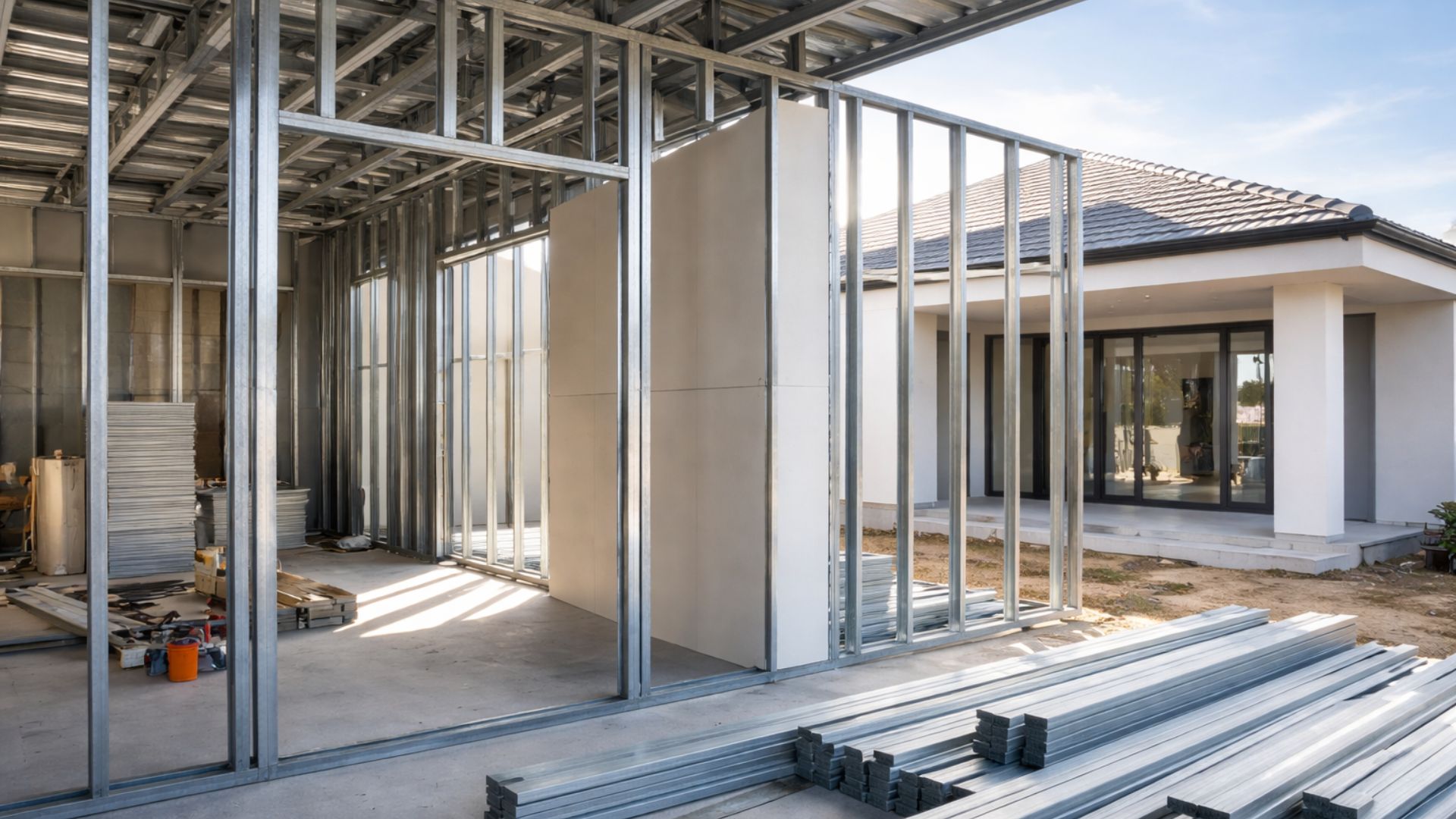
The new era of civil construction features “dry construction” and boosts a company that accelerates expansion with 48 stores and steel frame.
-
Woman enters abandoned houses for 16 years that no one dared to visit: beautiful project and logical layout, interior mold-free, possible resort; after exploring, decides to buy everything for €32,000 and surprises the entire village.

-
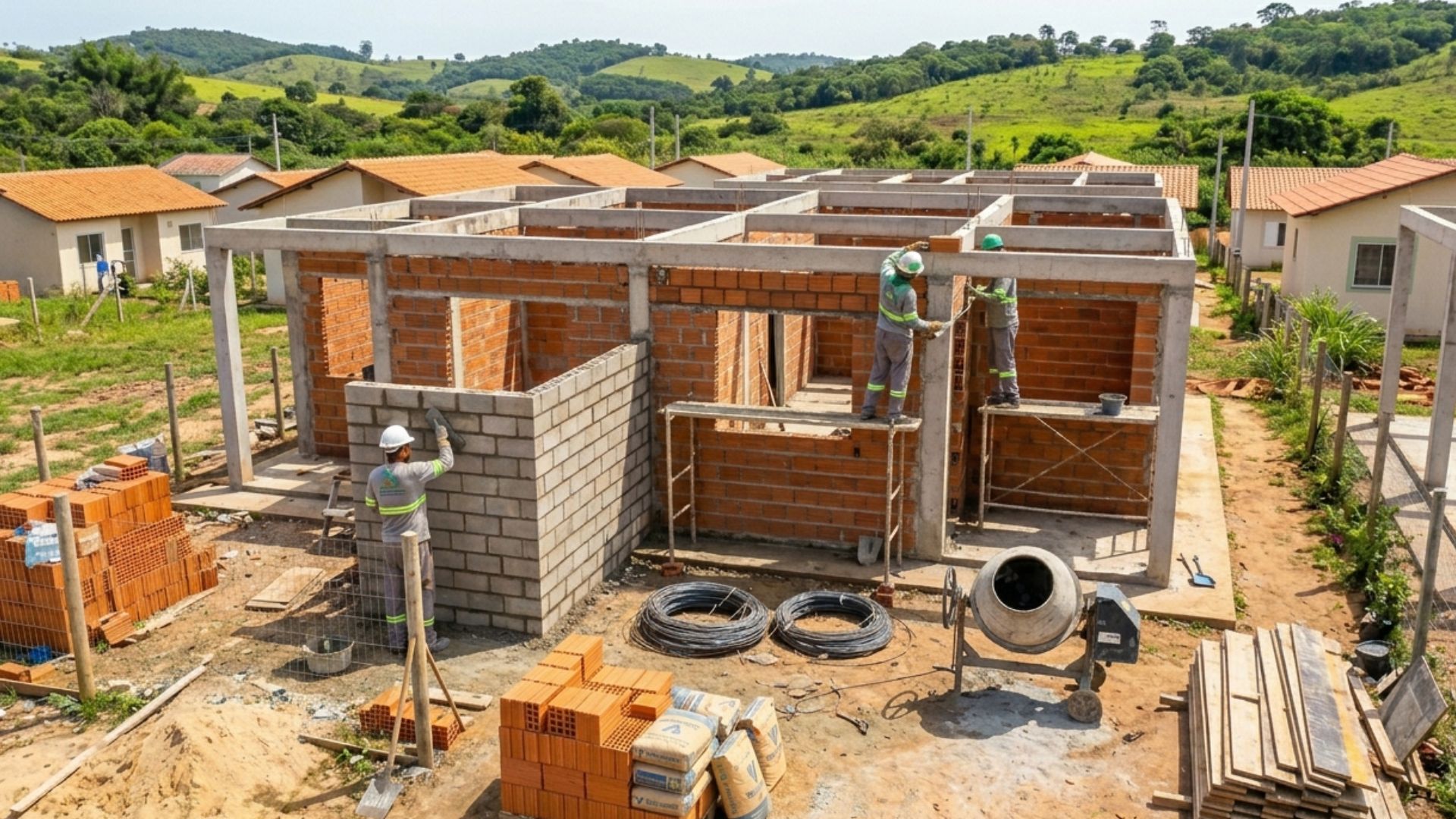
Simple 2-bedroom house: a study of the construction sector reveals the real cost that few expect and shows how strategic decisions can prevent losses and ensure significant savings in the dream of homeownership.
-
Danish company creates the world’s first door made from fungi that grows in just two weeks, is fire-resistant, and promises to replace traditional wood in construction with nearly zero environmental impact.

Drones Show The Future View Of Properties
For purchasing properties off-plan, especially during the pandemic, drones were essential. Aerial footage of the lands, taken with these aircraft, allows clients to know in advance how sunlight will fall on common areas and what views each apartment will have, floor by floor.
At Avanço Realizações, the use of drones has been utilized in the work of sales teams for a launch for about two years. The Commercial Manager, Julio Borges, says that technology in the civil construction sector has provided greater security for buyers’ decision-making.
Also Check: Robot Assistants Can Help Reinvent The Civil Construction Industry
With the goal of enabling robots to learn from human partners at construction sites, the National Science Foundation is providing US $2 million to a research team led by the University of Michigan. For decades, the civil construction industry has been one of the most dangerous and least efficient human enterprises. It lags far behind other parts of the economy in productivity and struggles to attract workers to jobs that are often seen as grueling. In collaboration with the University of Florida and Washington State University, researchers from the College of Engineering and the A. Alfred Taubman College of Architecture and Urban Planning hope to change that.
Carol Menassa, principal investigator of the research team and associate professor of civil and environmental engineering at the College of Engineering, stated that the use of automation and robotics on construction sites is essential for the industry to benefit from the productivity gains that have reshaped other industries, such as manufacturing.









Seja o primeiro a reagir!