





 Portuguese
  English
  Spanish
  3 min of reading


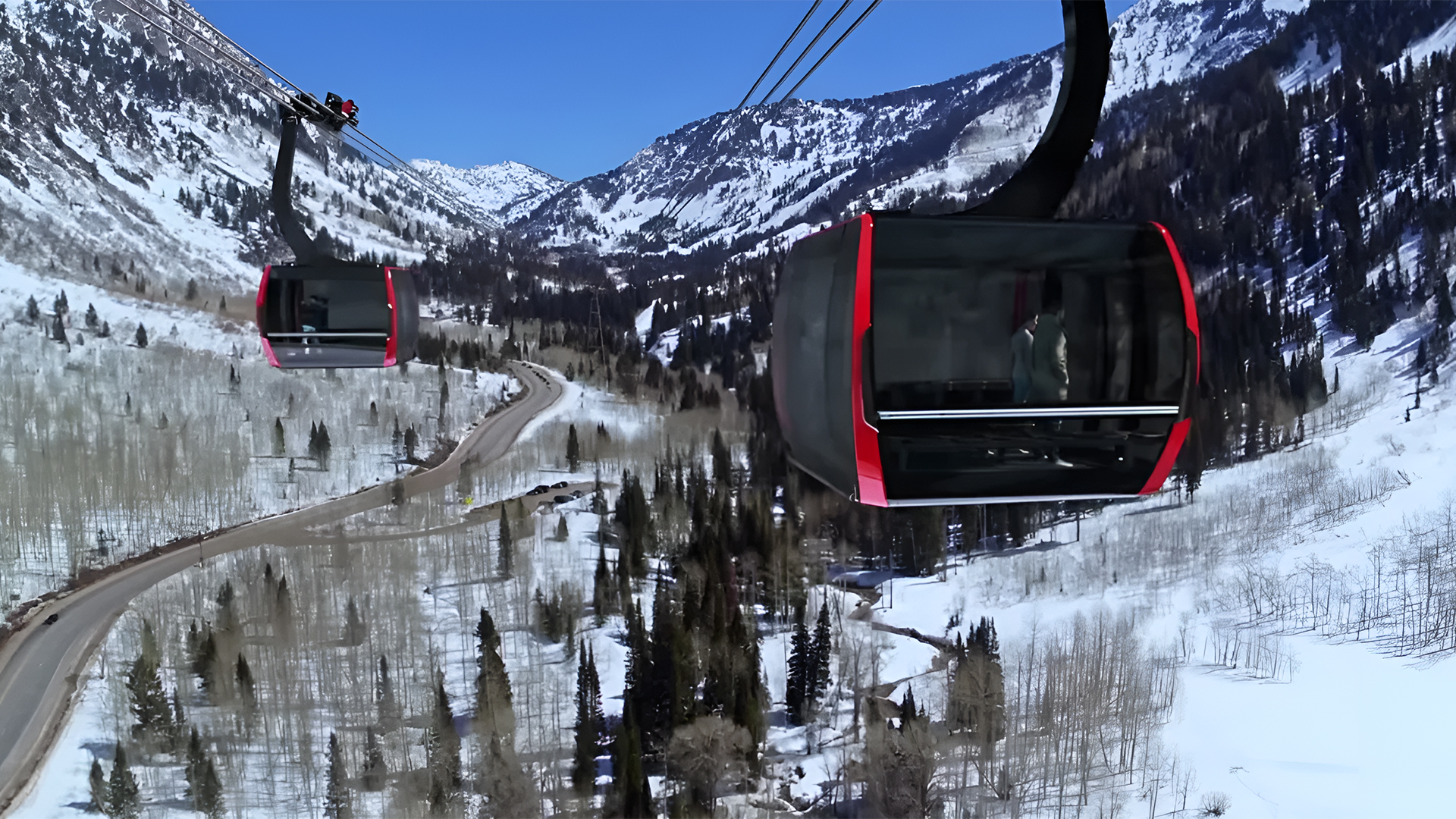
The New Electric Cable Car Will Have the Capacity to Carry Up to 32 Passengers in Each Unit and Will Feature Heated Seats and USB Outlets for Charging Cell Phones and Other Devices
The Utah Department of Transportation (UDOT) proposed that a trip on an electric cable car over 8 miles will replace a winding and confined path that currently leads to a ski resort in Salt Lake City. The change would make the location accessible by public transportation, which, according to authorities, would reduce car traffic on the road and cut emissions in the region by up to 56%.
It has been proposed that the cable car route pass through four different ski resorts to avoid congestion on SR 210, which is widely recognized as the most avalanche-prone stretch of road in North America.
On days with significant snowfall, according to UDOT, it is very difficult, if not impossible, to travel along the road. Traffic jams extending for miles can also be caused by avalanches and accidents.
-
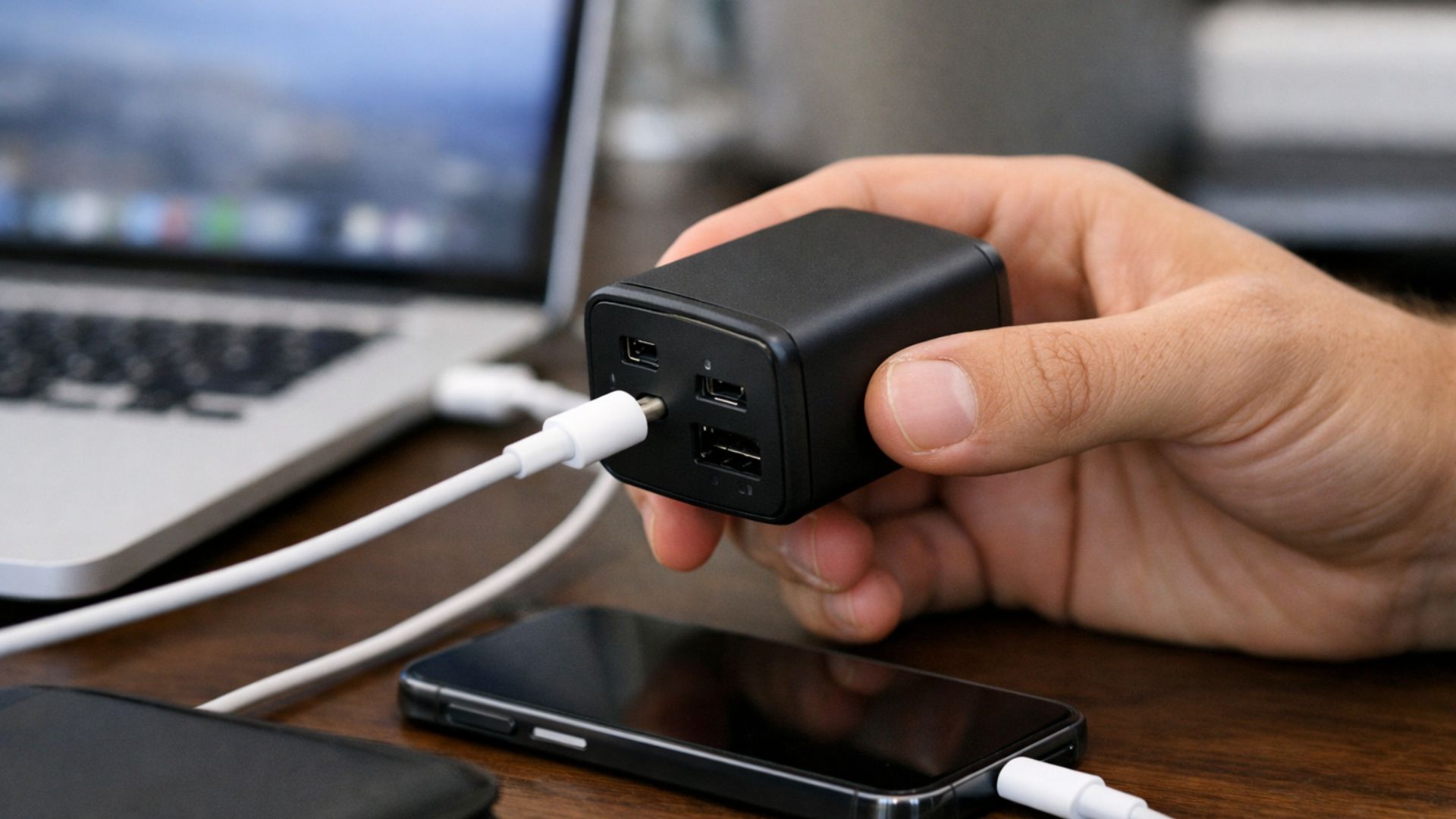
Goodbye common charger: users around the world are replacing the old item with this more compact, powerful, and efficient GaN model that charges a phone, tablet, and laptop at the same time.
-
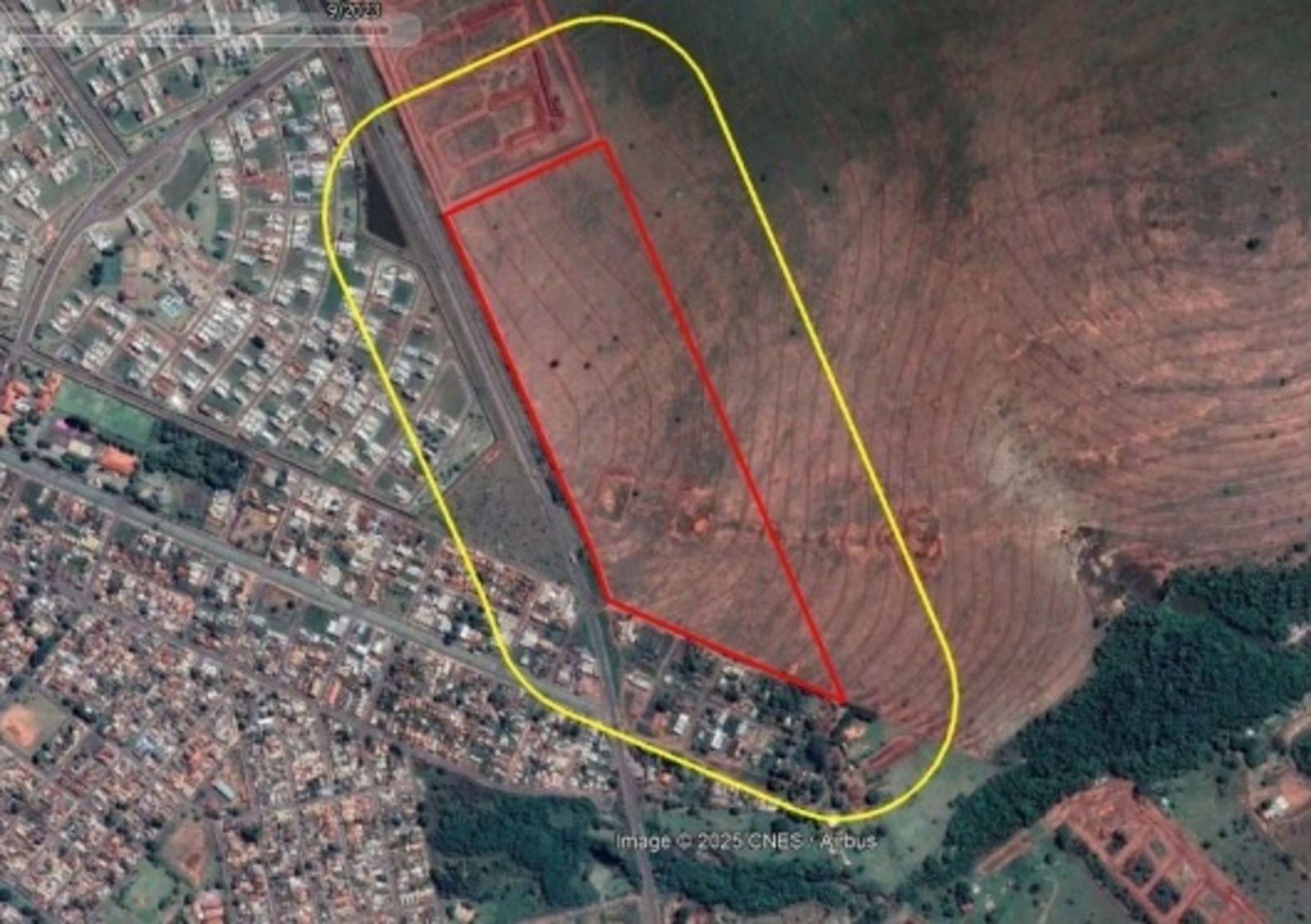
New high-end condominium in Campo Grande comes under scrutiny for being too close to an archaeological site and may have construction affected.
-
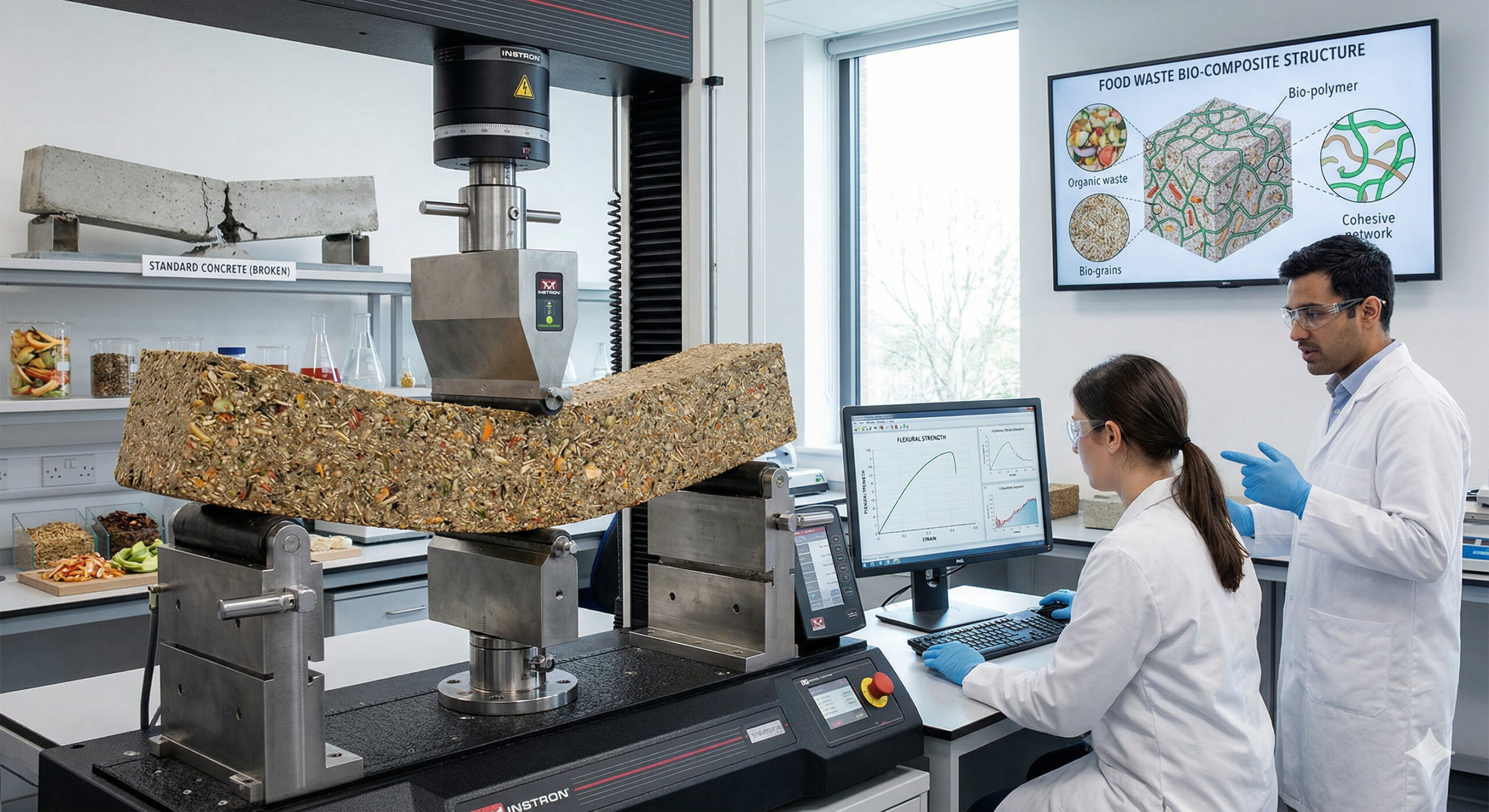
Researchers transform food waste into a material stronger than concrete, made without cement, using cabbage, peels, and coffee grounds, which can still be consumed in an emergency.
-
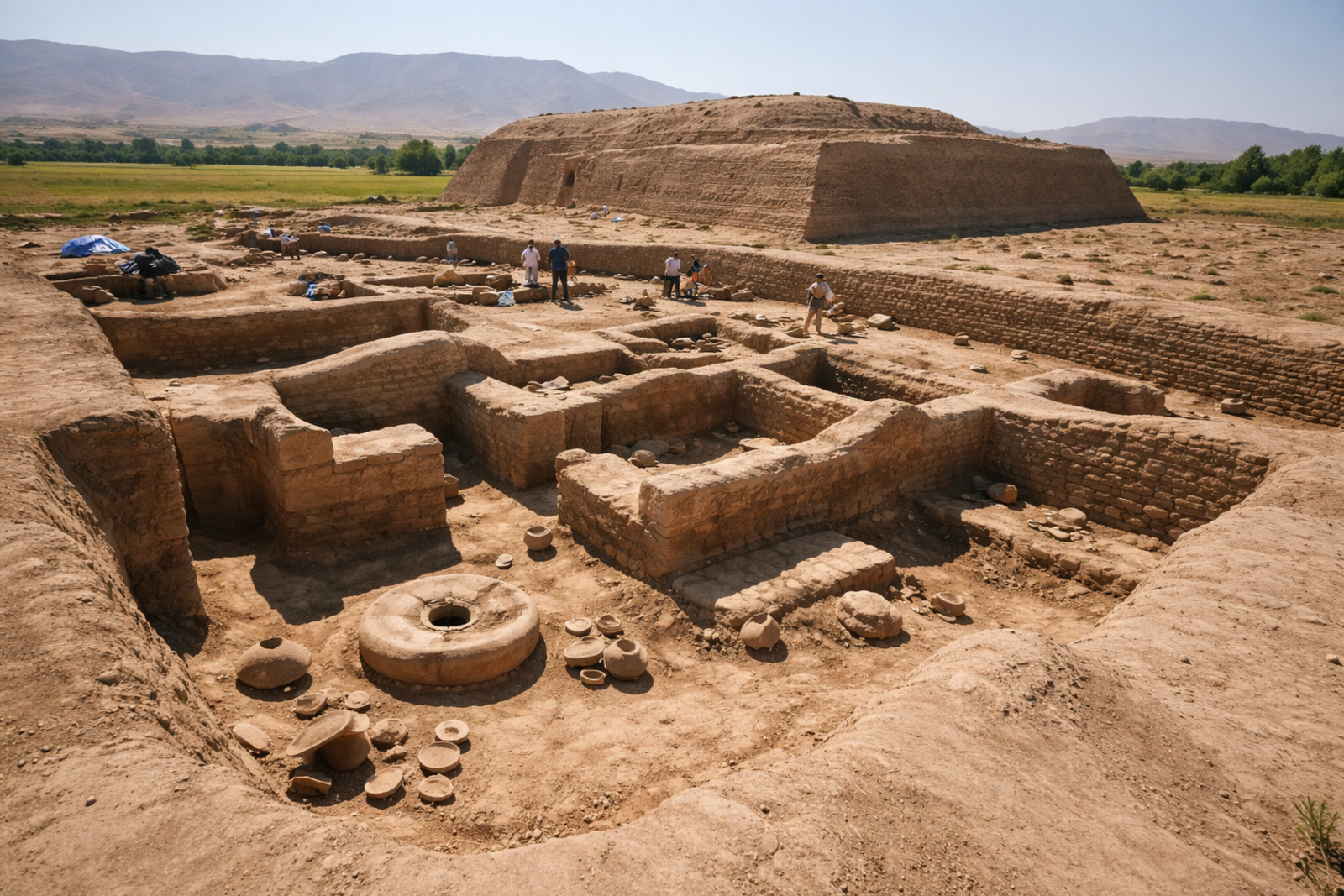
A 3,000-year-old city found in a “hidden treasure” in Uzbekistan reveals a preserved wall, interconnected rooms, and artifacts that help explain how urban life emerged along the ancient Silk Road.
The department presented several alternative ideas for possible solutions; however, the construction of a cable car over the road was chosen as the preferred option and is currently under debate.
According to Josh Van Jura, the project manager, each cable car will have the capacity to transport up to 32 people at a time and will be equipped with heated seats, built-in USB connections, and even wireless phone chargers. He stated that initially, it would be possible to transport over 1,000 people per hour, on the same route where 7,000 cars currently pass per day.
Additionally, the plan includes the development of a base station that would feature hundreds of parking spaces, as well as shops, restaurants, and locations for ski equipment rentals. The anticipated cost to bring this idea to life may exceed one billion dollars. Check out the following video to see how the electric cable car project for the ski resort in Salt Lake City will work.

Local Residents Are Not Satisfied with the Project Due to the Cost of the Work, Which Exceeds 1 Billion Dollars, an Amount That Would Initially Come from Public Funds
According to comments from local residents, most do not support the cable car because it will be too expensive to operate. The ticket price has also not been indicated, possibly ranging between ten and twenty dollars. On February 26, a decision will be made regarding the continuation or cancellation of the project.
According to experts, the creation of electric transport projects is crucial for environmental protection as it helps reduce greenhouse gas emissions and improves air quality. Furthermore, these projects help alleviate traffic and enhance transport efficiency.
However, it is important that these projects also be financially viable, meaning they need to strike a balance between their environmental benefits and operational costs. If a project is too expensive, as is the case with the cable car for the ski resort in Salt Lake City, it may not be sustainable in the long term and may not attract investment.
On the other hand, if a project is inexpensive, it may not be technologically advanced enough to provide real environmental benefits. Therefore, it is essential to find a balance between financial viability and environmental impact when considering new electric transport projects like this one.







Seja o primeiro a reagir!