





 English
  Francês
  Alemão
  Italiano
  Japonês
  Norueguês
  Portuguese
  Spanish
  3 min of reading
  0 comments


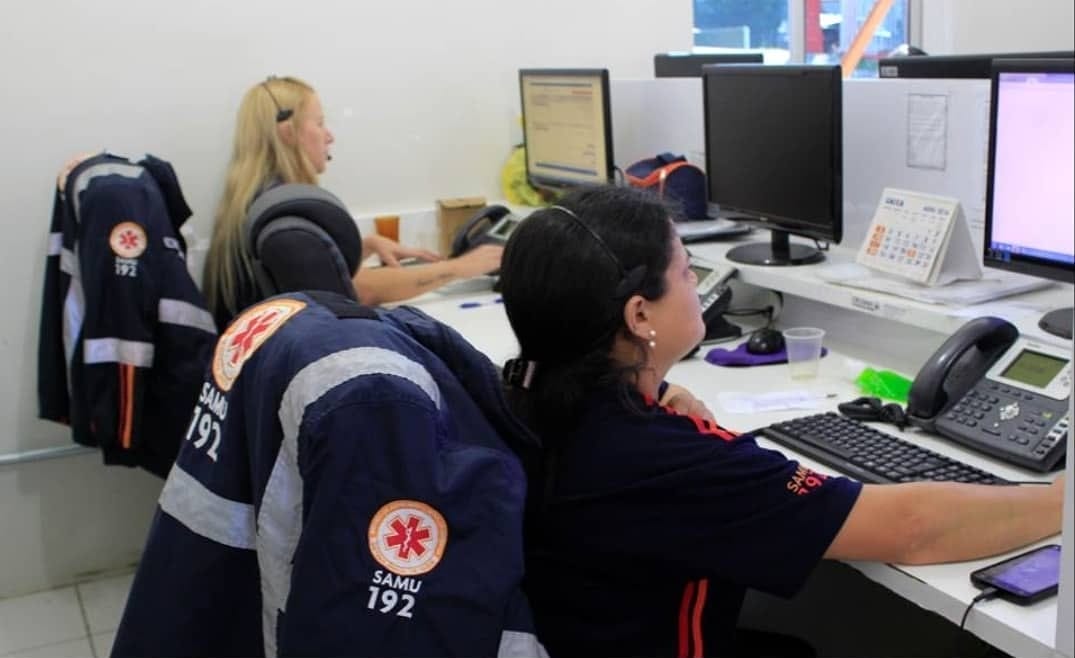
SAMU: A Detailed Look at the Role of the Medical Regulation Assistant Call Taker
The Mobile Emergency Care Service, better known as SAMU, is a crucial component of the public health system, responsible for responding to medical emergencies throughout the country and which are being recruited for a public competition in 2024. Within this vital service, one role stands out for its importance and demands: the Medical Regulation Assistant Call Taker. This professional operates on the front lines, acting as the first point of contact in critical situations, where every second counts to save lives.
What Does a Medical Regulation Assistant Call Taker Do at SAMU?
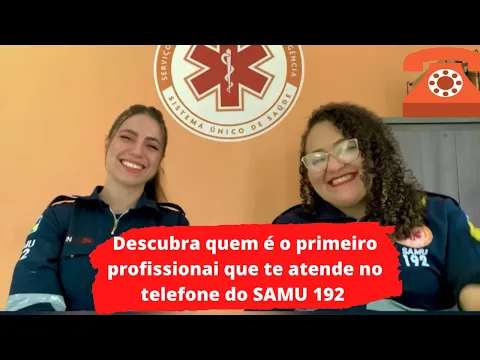

The Medical Regulation Assistant Call Taker at SAMU performs a vital role, answering emergency calls. The primary responsibility of this position is to filter and classify requests for medical assistance, ensuring that the most severe cases receive priority in care.
They are trained to ask specific questions that help determine the severity of each case and decide the type of response needed, whether it be sending an ambulance, providing support over the phone, or even guiding individuals to seek a less urgent healthcare unit.
-
Future profession with immediate earnings: Specialist reveals how a solar energy technician earns R$ 8,000 per month by taking advantage of the explosion in demand across the entire country.

-
Work from 8:30 AM to 5:30 PM with a 1-hour break at Sicredi as a Customer Service Assistant and receive a salary + benefits such as life insurance, dental plan, partnerships, Gympass, and much more in job openings across various states.
-
Subsea7 has job openings: the company has offshore and onshore positions available in 2026 for operators, pilots, supervisors, engineers, and much more.
-
Unimed is hiring candidates with and without experience! More than 10 job openings for Assistants, Analysts, Kitchen Assistants, and much more!

Training and Required Skills
To become a Medical Regulation Assistant Call Taker at SAMU, candidates must undergo a rigorous selection and training process. In addition to a basic knowledge of first aid and healthcare systems, these professionals are trained in effective communication techniques and stress management.
The ability to remain calm under pressure is not just desirable but essential, as these call takers deal daily with life-and-death situations.
Technology and Tools of the Trade
The work of the Medical Regulation Assistant Call Taker is supported by advanced technologies that help optimize the medical regulation process. GPS location systems, medical triage software, and detailed databases of hospital resources are some of the tools used to aid in rapid and accurate decision-making. These tools not only increase the efficiency of care but also help ensure that medical assistance is directed more effectively.
Challenges of the Profession
The position of Medical Regulation Assistant Call Taker at SAMU comes with its share of challenges. The emotional stress of dealing with frequent emergencies can be significant. Additionally, the need for quick and accurate decisions under pressure adds a layer of complexity to the job. Clear communication and teamwork skills are imperative, as call takers need to coordinate their actions with regulatory doctors and rescue teams.
Social Impact of the Medical Regulation Assistant Call Taker
The social impact of the Medical Regulation Assistant Call Taker at SAMU is immense. They are often the unsung heroes of the healthcare system, whose hard work and dedication have a direct effect on patient outcomes in emergency situations. Recognition of the work of these professionals is crucial, as they play a fundamental role in the rescue chain, directly influencing the effectiveness of emergency medical care.
The Medical Regulation Assistant Call Taker at SAMU is more than a call operator; they are a lifesaver, a fear soother, and a resource coordinator in critical moments. This role requires not only technical skills but also great emotional strength and dedication to public service. With continued investment in training and technology, the role of this professional will remain a cornerstone in the structure of emergency medical care across the country.






-

-

3 pessoas reagiram a isso.