





 Portuguese
  English
  Spanish
  5 min of reading
  1 comment


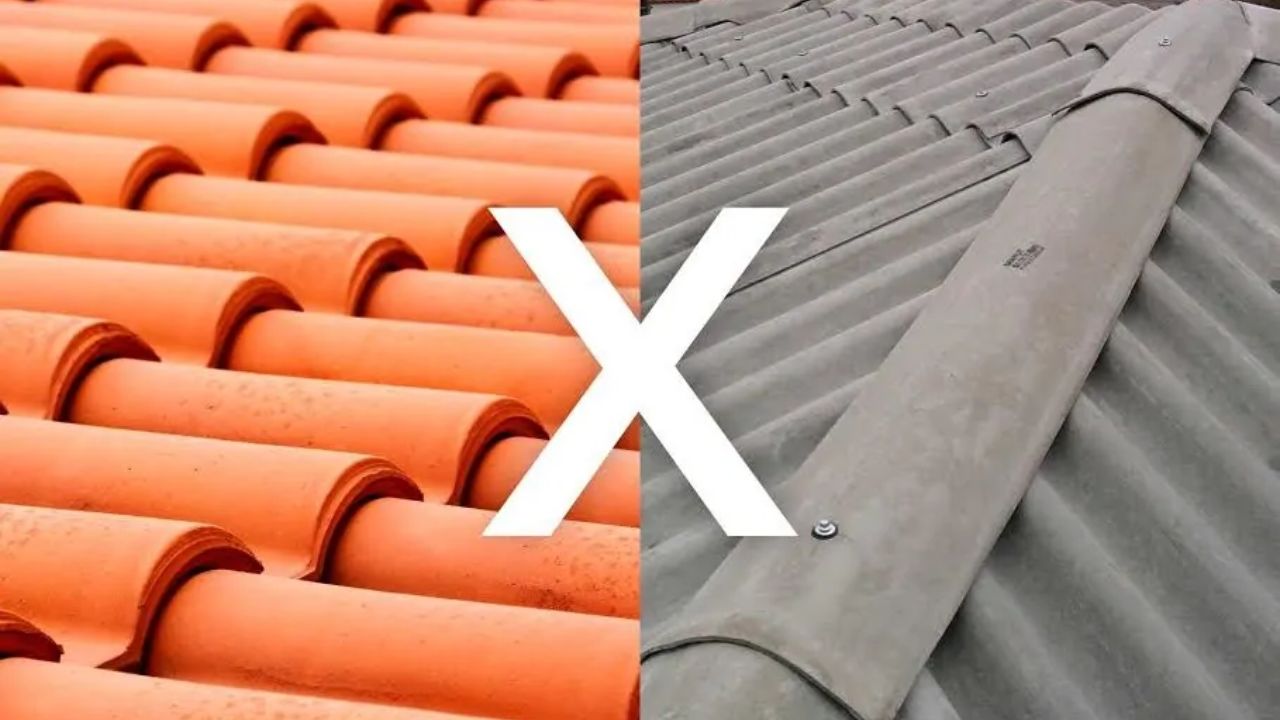


Analysis Compares Price Per M², Durability, Thermal Comfort, and the Cost of Framing; See When Initial Savings Don’t Pay Off
The choice of roofing is one of the most impactful financial, structural, and comfort decisions in a residential project. The classic dispute between ceramic tiles versus fiber cement tiles divides opinions, almost always focusing on immediate savings versus durability. The question every builder or homeowner asks is: does the initial savings provided by fiber cement hold up in the long term, or does the cheap option, in fact, become expensive?
A detailed analysis of Total Cost of Ownership (TCO), encompassing the full product lifecycle, reveals a more complex reality. According to the portal Melhor da Arquitetura, which provided the basis for this main comparison, fiber cement tiles stand out for their lightness, allowing for significant cost reductions in the structure. However, the same source points out that it fails to provide good thermal or acoustic insulation, issues that ceramic tiles, despite being heavier and more expensive, solve much more efficiently.
The Starting Cost: The Real Advantage of Fiber Cement
The perception that fiber cement is the “cheap” option is correct and is confirmed in the initial budget. This savings is generated by a cascading effect on three fronts: the material price, the structure cost, and labor. In a direct acquisition comparison, a standard sheet of fiber cement can cost almost 50% less per square meter than the set of ceramic tiles needed to cover the same area.
-
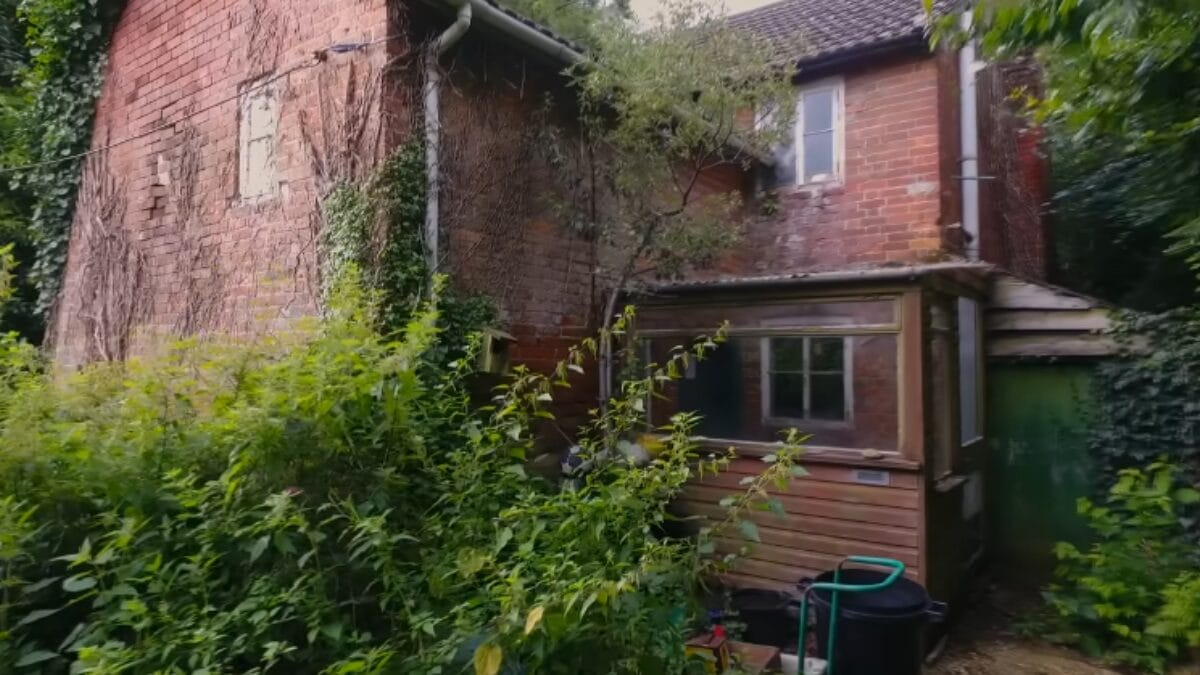
Abandoned 100-year-old house that was being engulfed by vegetation undergoes a 14-month renovation and has seen its value soar after the final result.
-
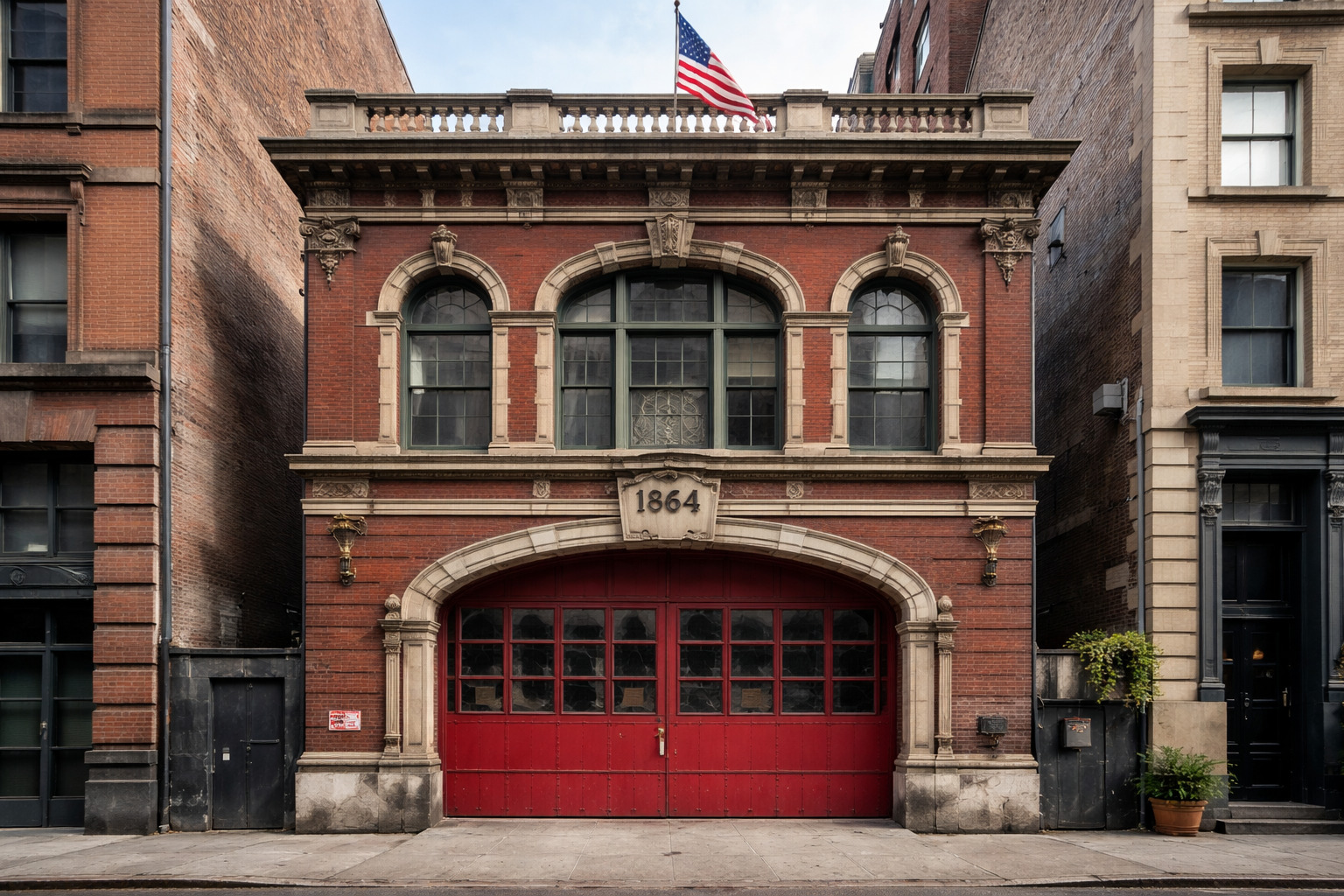
Incredible renovation transforms 1864 fire station into a 636 m² luxury apartment, preserves original staircase, features a 90 m² landscaped garden, and is now worth over R$ 100 million.
-
Archaeologists unearthed in Iraq the largest winged bull statue in history, a lamassu 6 meters tall with the body of a bull, eagle wings, and a human head that guarded the throne room of one of the most powerful kings of the ancient world, and the piece was only found because the Islamic State destroyed the mosque that had hidden the palace for over a thousand years.

-
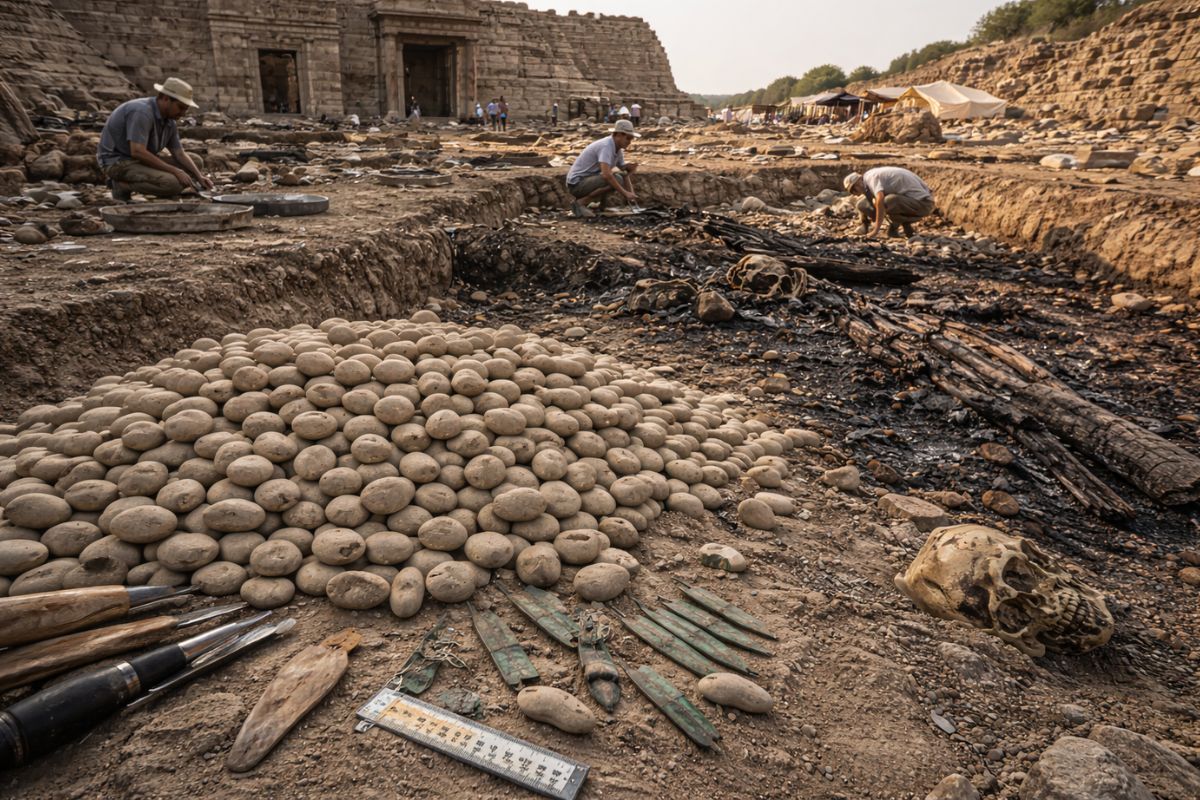
Archaeologists found thousands of sling projectiles dating back 3,500 years concentrated in front of the palace of Troy along with arrowheads, burned buildings, and hastily buried bodies, and now science believes that the war described by Homer in the Iliad may have been real.
The most substantial savings, however, lies not in the tile itself but in the structure needed to support it. The deciding factor is weight. As detailed by Melhor da Arquitetura, ceramic tiles are heavy and require a “robust” and costly wooden structure, with larger and closer-spaced pieces. In contrast, fiber cement tiles are described as “extremely light”, relieving the load on beams and rafters.
This drastic difference in weight allows fiber cement tiles to be installed on simpler and more economical structures. A quantitative analysis video on YouTube was crucial in quantifying this savings, stating that when comparing the framing costs necessary for the two types of tiles, the reduction in expenses when opting for fiber cement can be “50% or more”. For a 100 m² roofed residence, this savings represents a reduction of thousands of reais in the total project cost.
The Cost of Living: The “Expensive” Hidden Cost in Comfort
If fiber cement wins on installation, it is in the “Cost of Living” where the analysis flips, and the hidden costs emerge. The thermal performance is the most critical point of failure of fiber cement in residential applications. The portal Melhor da Arquitetura emphasizes that the material “does not offer good thermal insulation” and “can get very hot”, acting almost like a direct heat conductor from solar radiation to the interior of the environment.
In contrast, ceramic tiles, due to their thermal inertia and natural porosity, provide “good thermal insulation”, as indicated by the same source. The clay delays heat transfer, helping to maintain a cooler indoor temperature. In practice, this means that a fiber cement roof is considered inadequate for homes without an insulation system. It requires additional expenses for the installation of “underlayment” or thermal blankets, a mitigation cost that is not optional but mandatory to ensure habitability.
The same applies to acoustic comfort. The analysis from Melhor da Arquitetura points out that fiber cement is “noisy”, with the discomfort caused by the sound of rain being sharp and metallic. The ceramic tile, due to its mass, helps reduce external noise. Therefore, the TCO of fiber cement must include the cost of the thermal blanket and, ideally, an acoustic insulation ceiling, costs that ceramics do not require mandatorily and that erode initial savings.
Durability, Maintenance, and the Verdict on TCO


The third sphere of analysis is the cost of keeping the roof functional over the decades. No roof is free from maintenance. Both materials are porous and, over time, absorb water, promoting the growth of moss and mildew. Therefore, both require waterproofing cycles (with resins or liquid membranes) to ensure longevity, making this a leveling cost.
The big difference, however, lies in the actual lifespan and risks. High-quality ceramic tiles can last decades. Modern fiber cement, on the other hand, raises questions. The blog Crisotila Brasil, in an essential analysis on long-term durability, differentiates old tiles (with asbestos) from modern ones. The source estimates the lifespan of current fiber cement tiles (with polypropylene) at about 20 years, a fundamental data point for calculating the Total Cost of Ownership.
In addition to lifespan, there is the risk factor. Ceramic tiles can break during transportation or when stepped on. Fiber cement, in turn, is notoriously vulnerable to hail. The thinner tiles (5mm), which are the cheapest and maximize initial savings, are precisely the most fragile. One single storm can condemn the entire roof, requiring total replacement. Using thicker tiles (6mm or 8mm) is the minimum recommended for residences, but this increases the material cost and weight, reducing savings in framing.
Does the Cheap Option Become Expensive?
Answering the initial question: yes, for strictly residential application, the initial savings obtained with fiber cement roofing often “becomes expensive” when considering the full product lifecycle. The powerful advantage in framing, quantified by the YouTube source up to 50%, is systematically eroded by mandatory habitability costs (thermal and acoustic blankets, as pointed out by Melhor da Arquitetura) and by a lower estimated lifespan, around 20 years, according to the Crisotila Brasil Blog.
Fiber cement (in larger thicknesses) may be the ideal choice for sheds, garages, or extremely budget-constrained projects where comfort is secondary. However, for most residential projects, ceramic tiles, despite the higher initial investment in the structure, tend to pay off in the long run with lower operational costs (energy for air conditioning) and greater durability.
In your project, which one did you choose? Were the initial savings from fiber cement worth it, or did you invest in ceramics and feel the difference in comfort? Share your real experience in the comments; we want to know who wins this battle in practice.




Quero saber se o uso fobricimeno tenha efeitos negativos sobre a saude humana