





 Portuguese
  English
  Spanish
  5 min of reading
  0 comments


Green Roof Transforms Slabs And Roofs Into Living Gardens That Reduce The Temperature Of The House, Absorb Rainwater And Increase The Durability Of Waterproofing.
In many cities around the world, a relatively simple engineering solution has begun to gain traction in houses, buildings, and urban projects: the green roof, also known as a vegetated roof. This technology consists of installing layers of waterproofing, drainage, and substrate over the slab or roof to allow plants to grow directly on the building’s covering.
At first glance, it may seem like just an aesthetic choice. However, architects and engineers primarily use green roofs because of the technical benefits they offer. These structures can reduce the internal temperature of buildings, improve thermal insulation, absorb some of the rainwater, and protect the waterproofing from the sun’s effects, significantly increasing its durability. For these reasons, green roofs have been adopted in residential, commercial, and even large urban building projects.
What Is A Green Roof And How Does It Work
A green roof is not simply placing soil and plants on a slab. In fact, it is a technical system composed of several structural layers. Among the main components are:
-
While restoring a historic mansion from 1910, a brick structure with an old turbine that generated energy from the Rio do Testo emerged, along with a hidden door and a rare floor concealed under layers of wax.
-
Italian researchers have detected what appears to be a second Sphinx buried under the sands of Egypt, and satellite scans reveal a gigantic underground megastructure hidden beneath the Giza Plateau for over 3,000 years.

-
There are 4,223 drums and 1,343 metal boxes concreted with 50-centimeter walls that store the radioactive waste from Cesium-137 in the worst radiological accident in Brazil, just 23 kilometers from Goiânia, with environmental monitoring every three months.
-
Giant Roman treasure found at the bottom of Lake Neuchâtel in Switzerland reveals an advanced trade system, circulation of goods, and armed escort in the Roman Empire about two thousand years ago.


- Waterproofing of the slab, which prevents leaks;
- Protection layer, which prevents damage to the waterproofing;
- Drainage system, responsible for draining excess water;
- Light substrate, where the plants develop;
- Adapted vegetation, chosen according to the climate.
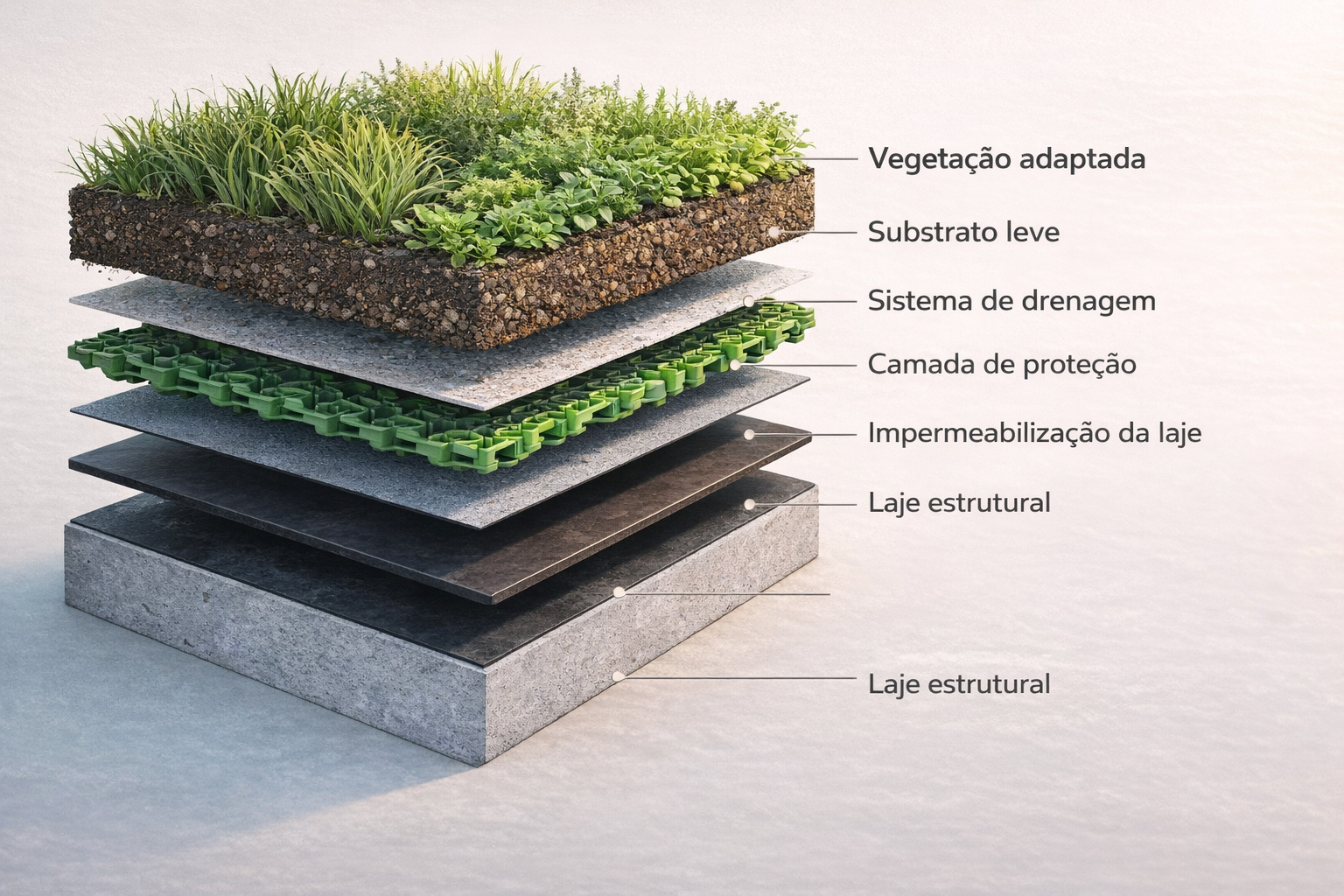
These layers work together to create an environment suitable for plant growth without compromising the structure of the building. The system also ensures that excess water is drained properly, avoiding overload on the roof.
Reduction Of Temperature Inside Houses
One of the main benefits of the green roof is thermal comfort. Conventional roofs absorb a large amount of solar heat, especially on concrete or metal roofs. This heat is transferred to the interior of the building, raising the temperature of indoor environments.
The green roof works differently. The plants undergo a process called evapotranspiration, releasing water vapor into the environment. This process helps cool the surface of the roof.
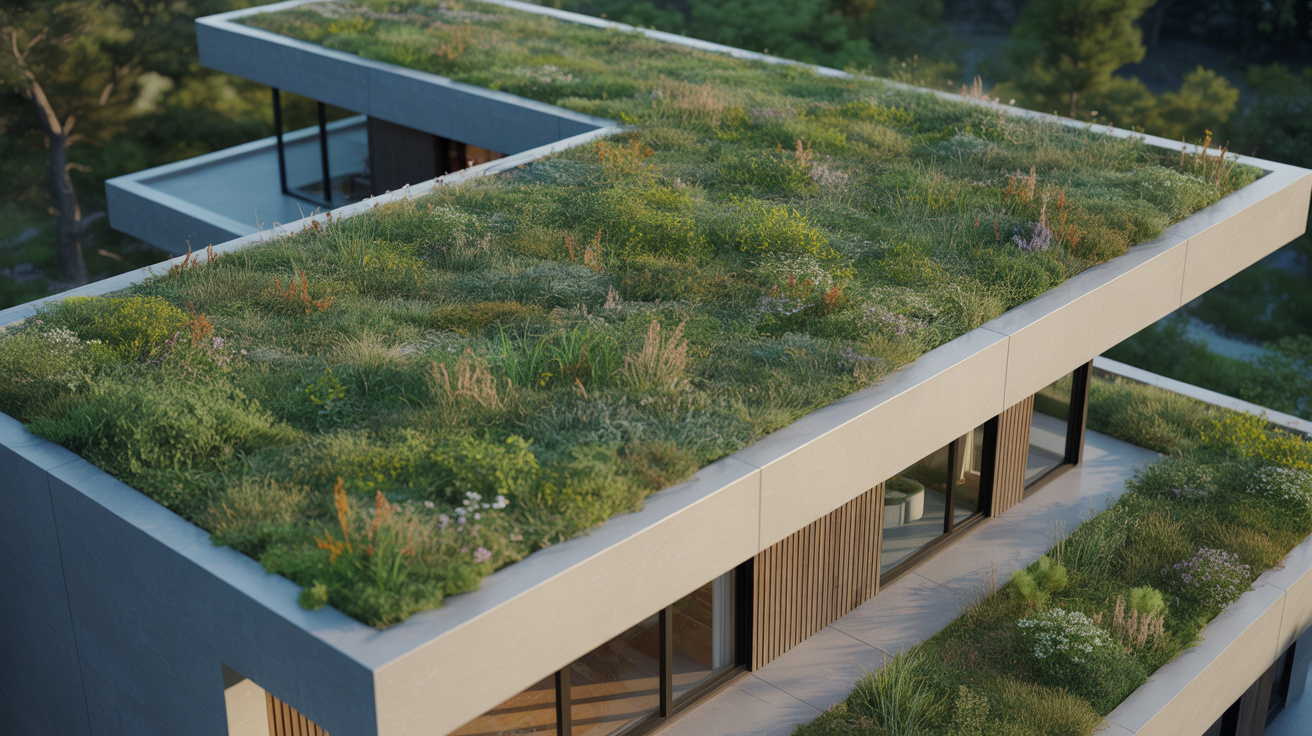
Additionally, the substrate and vegetation act as a natural insulating layer, reducing heat transfer into the house. Studies conducted in different countries show that green roofs can reduce the temperature of the roof by up to 30 °C on very hot days, depending on the type of vegetation used. This means that indoor environments remain cooler, reducing the need for air conditioning.
Absorption Of Rainwater
Another important benefit relates to urban drainage. In cities with a large amount of impermeable surfaces — such as asphalt and concrete — rainwater quickly flows into drainage systems. This intense flow can contribute to flooding and overload of stormwater networks.
Green roofs help mitigate this problem. The substrate and vegetation can retain part of the rainwater, releasing it slowly over time. Depending on the design, a green roof can absorb between 50% and 80% of the water from a moderate rainfall. This temporary retention helps reduce the volume of water that immediately reaches the storm drains.
Protection Of The Roof Waterproofing
In conventional roofs, waterproofing is directly exposed to solar radiation, temperature variations, and climatic impacts. Over time, these factors can cause cracks and material deterioration. The green roof functions as a protective layer. The vegetation and substrate protect the waterproofing against ultraviolet radiation, intense thermal variations, and impacts from hail or heavy rain.
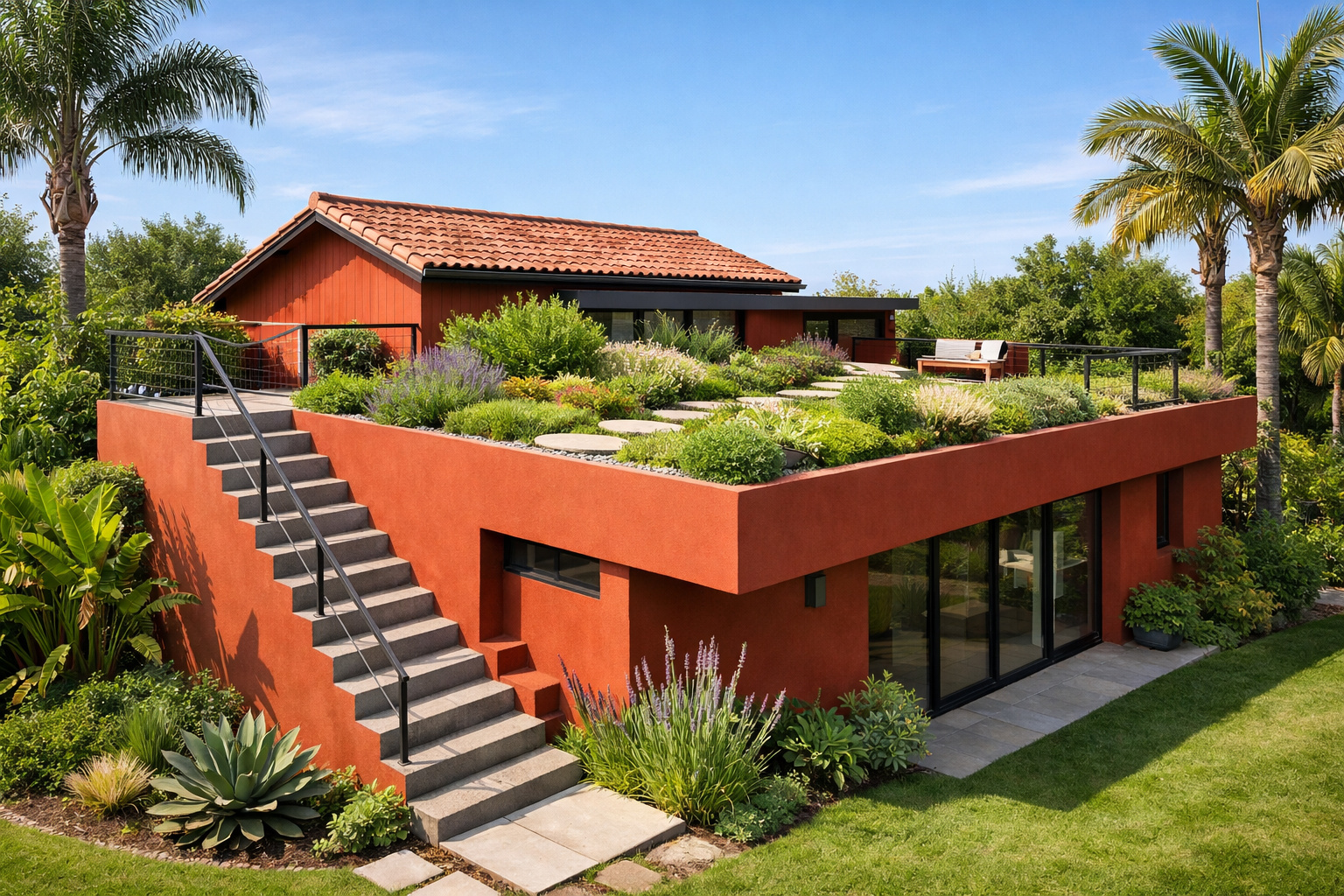
This protection reduces material wear. As a result, the lifespan of the waterproofing can increase significantly. In many projects, the durability of the roof can more than double when protected by a green roof system.
Types Of Green Roof
There are different types of vegetated roofing used in architecture. The two most common are extensive and intensive systems.
- Extensive Green Roof: This model uses thinner layers of substrate and low-growing vegetation. Typically, hardy plants such as succulents, grasses, or sedum are used. This type of system requires little maintenance and is relatively light. Therefore, it is often used in residential projects and commercial buildings.
- Intensive Green Roof: In this case, the system has deeper layers of substrate, allowing for the cultivation of larger plants. It is possible to include shrubs, small gardens, and recreational areas. This model requires greater structural capacity of the building and more frequent maintenance.
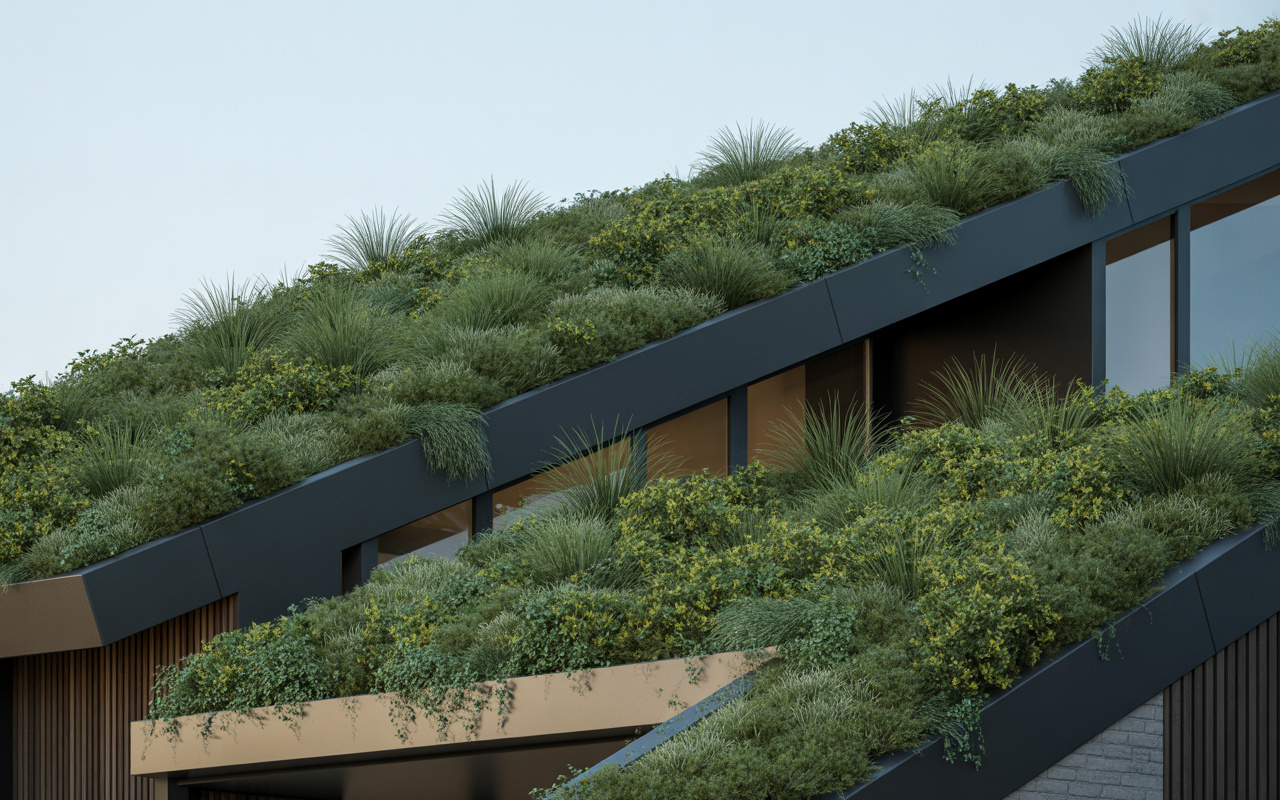
Growing Use In Cities Around The World
The use of green roofs has been increasing in various parts of the world. Cities like Berlin, Toronto, Copenhagen, and Chicago already have urban policies that encourage or even require the installation of this type of covering in new buildings.
In some regions, the technology is used as part of urban sustainability strategies. In addition to reducing temperature and improving drainage, green roofs also contribute to increasing green areas in densely urbanized environments.
Applications In Homes
Although many people associate green roofs with large buildings, the system can also be applied in houses. In residential projects, vegetated coverings appear in garages, gourmet areas, flat slabs, and extensions of houses.
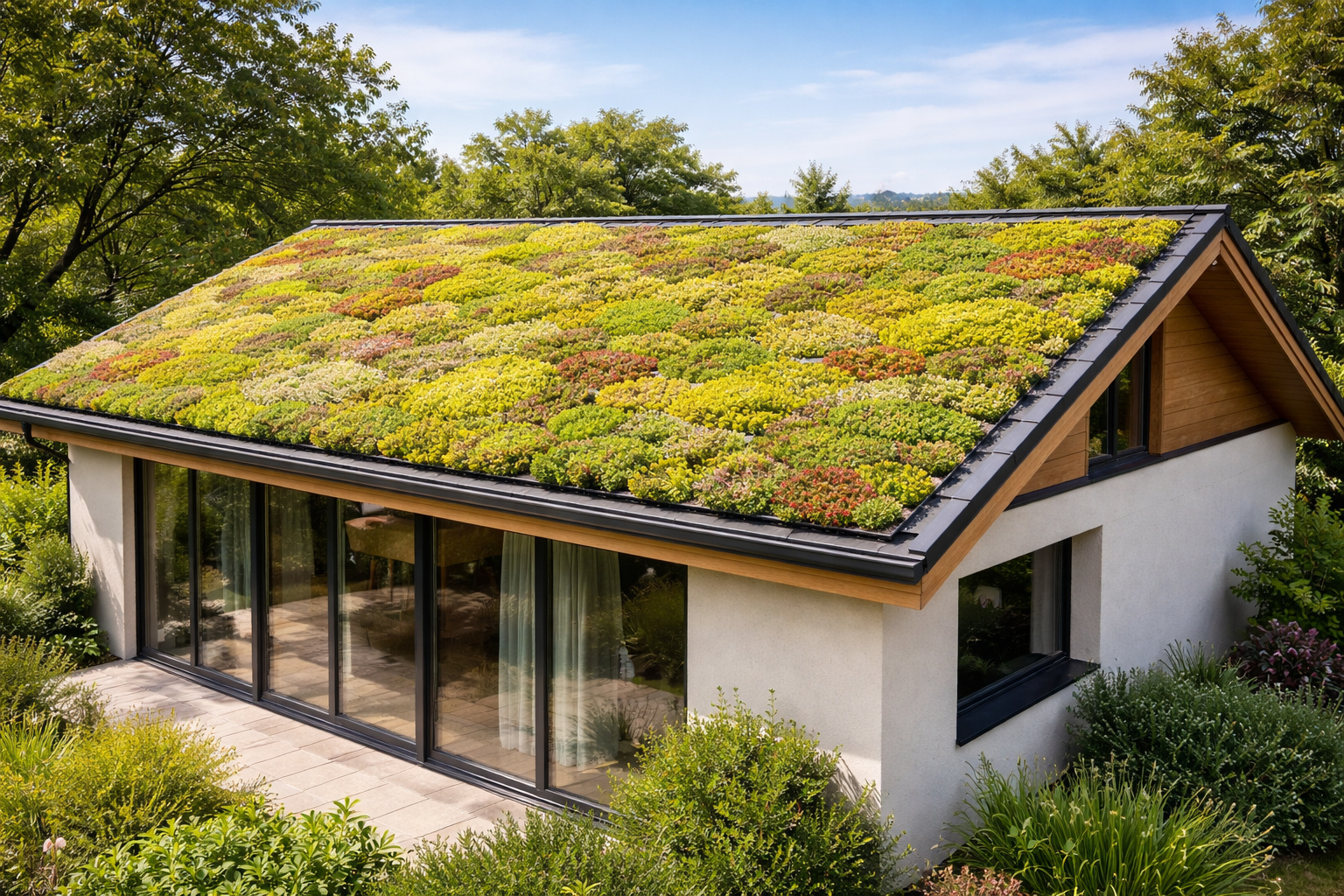
When designed correctly, the system can transform the roof of the house into a small functional garden. In addition to its aesthetic appeal, thermal and environmental benefits remain present.
Care In Design And Installation
Despite the advantages, installing a green roof requires technical planning. Among the factors that need to be evaluated are:
- Structural capacity of the slab
- Type of waterproofing
- Drainage system
- Choice of appropriate plants
These elements ensure that the system functions correctly without compromising the structure of the building. The choice of vegetation adapted to the local climate is also essential to reduce maintenance.


A Simple Solution That Is Changing Urban Architecture
Green roofs represent an interesting example of how relatively simple solutions can transform the performance of a building. By integrating vegetation into the roofs of buildings, this technology combines thermal insulation, natural drainage, and structural protection into a single system.
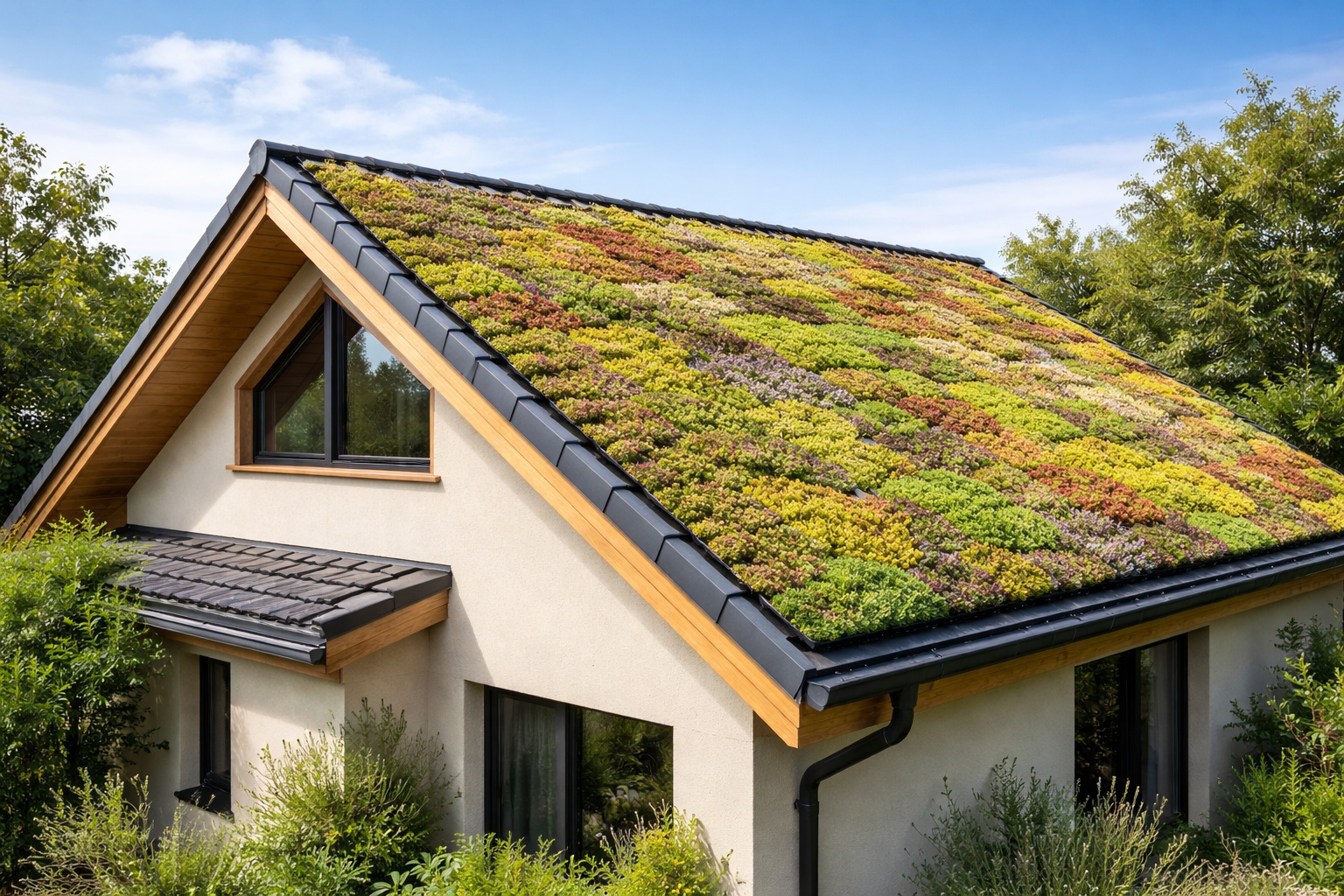
Moreover, the growth of this type of project shows how architecture and engineering are increasingly seeking to integrate constructions into the natural environment. With cities becoming denser and urban temperatures rising, solutions like green roofs are likely to become more common in architectural projects around the world.








-

-

-

-

-

15 pessoas reagiram a isso.