





 Portuguese
  English
  Spanish
 4 min of reading


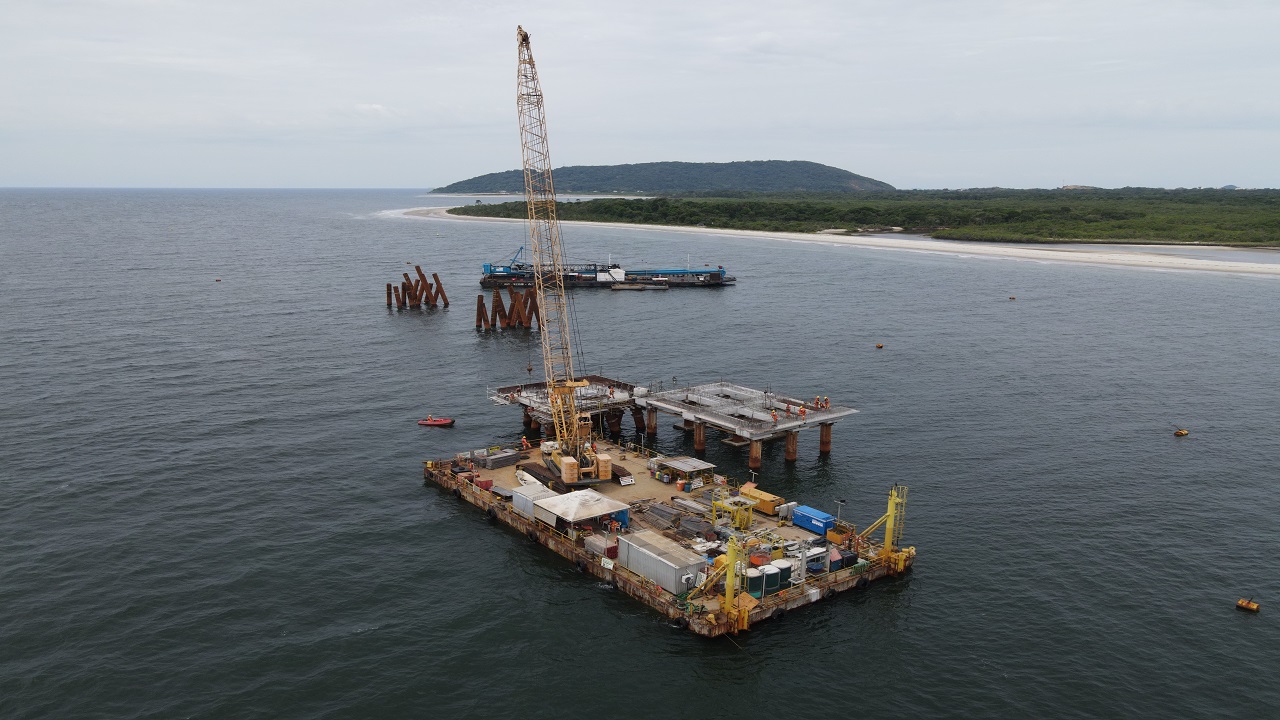
Piles Supporting the Anchorage Terminal of the Unit for LNG Storage and Regasification Were Completed Last Weekend in SC by Tenege
Started by Tenege in October 2021, the piling works for the anchorage terminal of the FSRU (Floating Storage Regasification Unit) of the Gas Terminal Sul (TGS), which will have the capacity to regasify 15 million cubic meters of LNG per day under construction in Babitonga Bay (SC), were completed on March 12, ahead of the schedule set for the work. During this period, 85 piles were driven, ranging from 48 to 57 meters in length each, totaling 4.68 kilometers of pipes and a total load of 1,470 tons. The services were completed within the international quality specifications, with no accidents requiring stands down.
Read Also
- Petrobras Sets Historic Record for LNG Import, Purchasing Over 40 Million Cubic Meters of the Product in a Single Day!
- Siemens Wins Major Order for the Construction of the GNA II Thermoelectric Plant in Porto do Açu; the Largest LNG Complex in Latin America Has Investments of R$ 6 Billion and Will Supply Energy for 14 Million Homes
- Eneva Closes Partnership with Servtec to Invest in LNG Terminal, and the Maranhão Industrial Sector Will Also Benefit from Natural Gas Usage
- Santa Catarina Could Stand Out in the Natural Gas Sector with the Construction of a New LNG Terminal. Thousands of Jobs Could Be Created
- ES Stands Out in the Natural Gas Sector and Could Gain a New LNG Terminal Generating Thousands of Jobs
“We had to overcome numerous challenges, such as weather conditions, in a project where logistics are essential for success. We achieved full success thanks to the dedication and commitment of every member involved in the activities, both at sea and on land, while never compromising on safety, quality, and respect for the environment,” says Ricardo Corregio, manager responsible for the offshore works.
Gas Terminal Sul Will Have the Capacity to Regasify 15 Million Cubic Meters of LNG Per Day
With the completion of this stage by Tenege, the TGS project has reached 60.3% physical progress, with delivery expected in August this year. The works currently generate 935 job vacancies in the region. When completed, the Terminal will have the capacity to regasify 15 million cubic meters of LNG per day. The project is a result of an investment of over R$ 380 million and should more than triple the availability of Liquefied Natural Gas for the state of Santa Catarina.
-
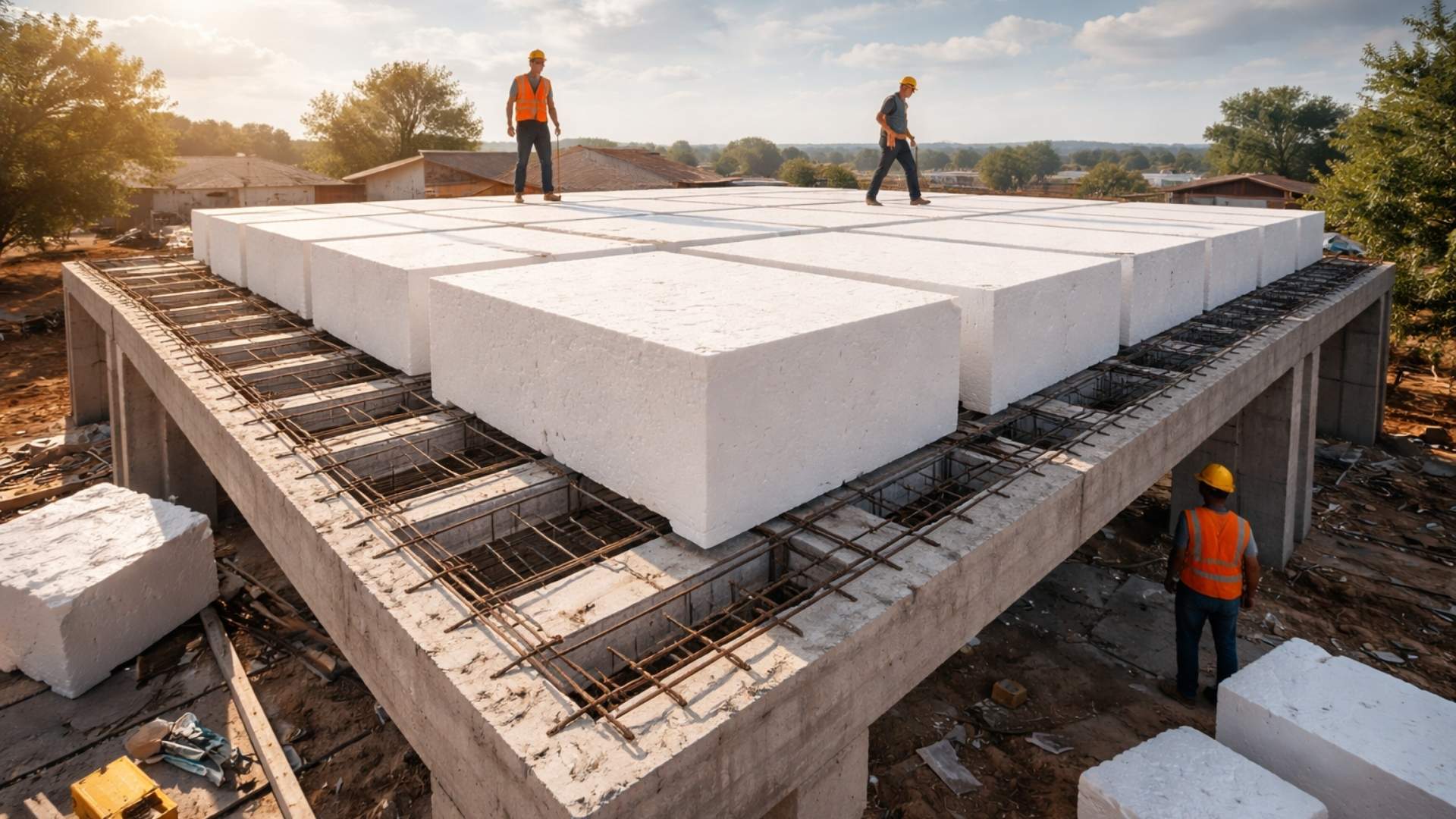
Forget concrete: architects are replacing tons of concrete with giant blocks of expanded polystyrene to build the roofs of houses and reduce structural weight by up to 50%, cut costs, improve thermal insulation, and speed up construction.
-
Petrobras surprises the world again by announcing a new discovery in the pre-salt with excellent quality oil.

-
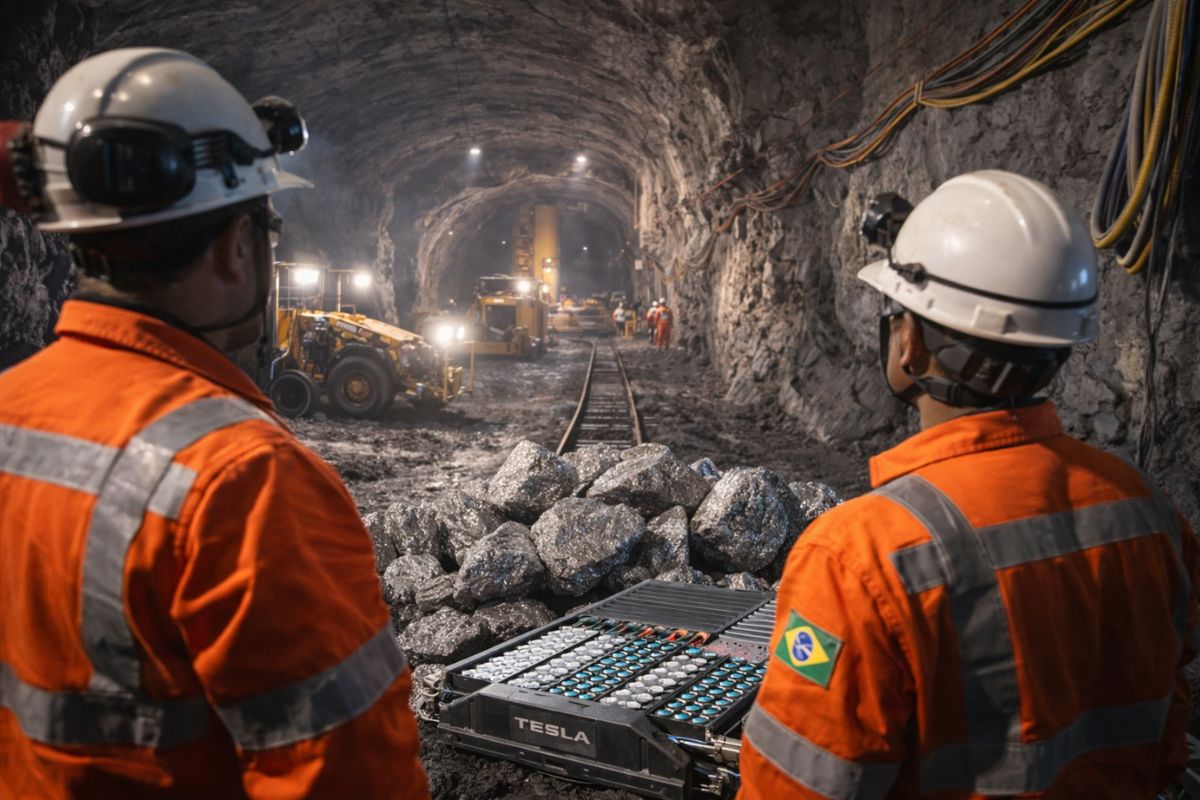
The Brazilian state enters the center of the global race for critical minerals by starting the construction of the largest underground nickel mine in Latin America, a mineral essential for electric car batteries that the entire world is competing for at this moment.
-
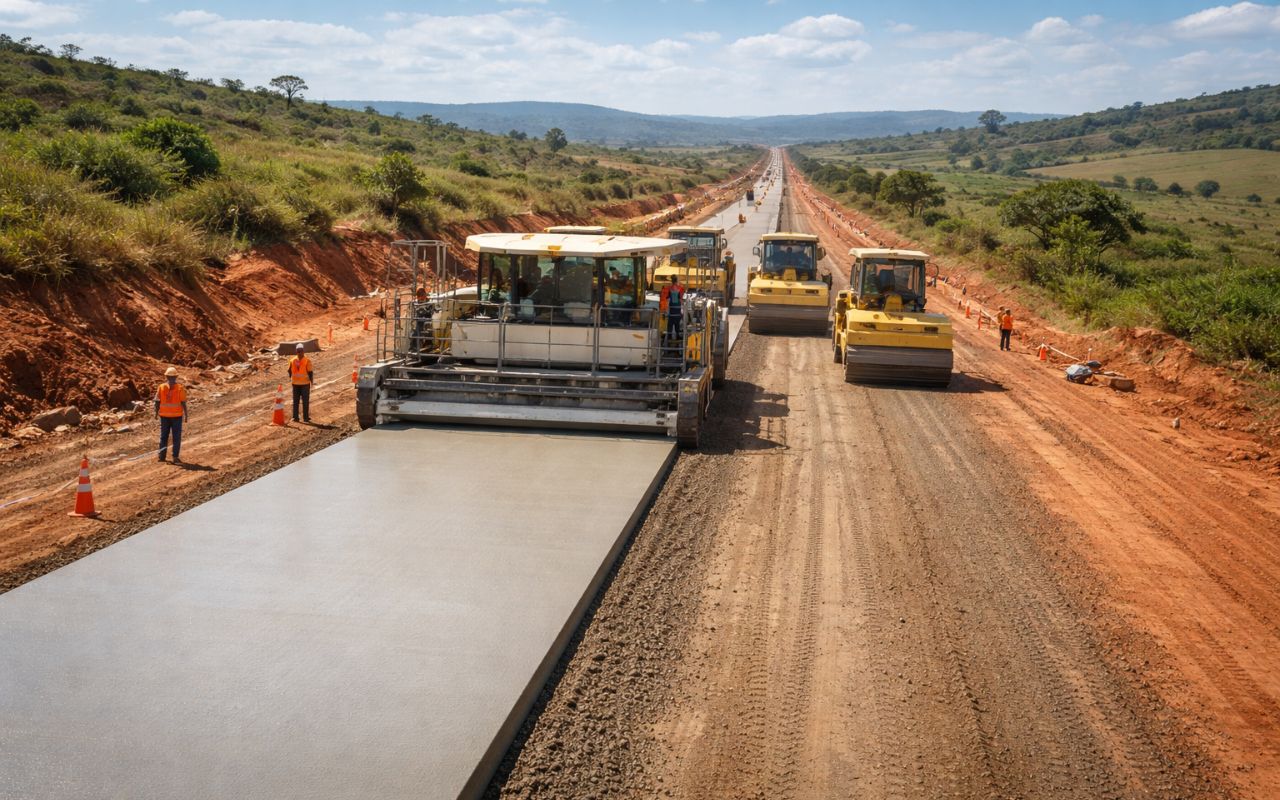
New CCR concrete paving technology promises roads up to 3x more durable, less maintenance, and cost reduction in Brazil.

There will be over 32 kilometers of pipeline, onshore and offshore, until its definitive connection to the Brazil-Bolivia Pipeline (Gasbol), operated by TBG. The TGS will be located 300 meters from the coast. It includes infrastructure to receive, store, regasify, and distribute natural gas, which will arrive by sea via methane ships and will be transferred via the ship-to-ship system to an FSRU (floating storage and regasification unit), which has the capacity to store 160,000 cubic meters of LNG.
After regasification, the natural gas will travel approximately 2 kilometers through a pipeline under the bay bed, until it surfaces at the same entry point as the OSPAR pipeline in Itapoá, ensuring minimal occupation of aquatic space and little interference with the water surface. On land, the natural gas will be transported through a 31-kilometer pipeline to the connection point with Gasbol, in the city of Garuva.
New Pipeline in SC Will Ensure Local Supply and Foster Regional Development
“This new pipeline in SC will ensure local supply and foster regional development, supporting the advancement of industry in the State and increasing the availability of gas in the South, Southeast, and Midwest regions of the Country. Carrying out a project of this importance recharges our spirit to continue serving our clients with excellence in service delivery, a hallmark of Tenege throughout its history,” states Marcelo Hofke, general director of the company.
About Tenege
Founded in 1955 and fully incorporated by OEC in 1986, Tenege is nationally recognized for its expertise in executing large industrial works, especially in the oil and gas, chemical and petrochemical, pulp and paper, and energy sectors, where the complexity of the projects requires high specialization to ensure predictability, quality, efficiency, and safety in project results.
Tenege operates in the industrial engineering segment in an integrated manner, following the most modern management processes, combining technical capacity to add value in all phases of a project’s life cycle.








Seja o primeiro a reagir!