Portuguese
  Spanish


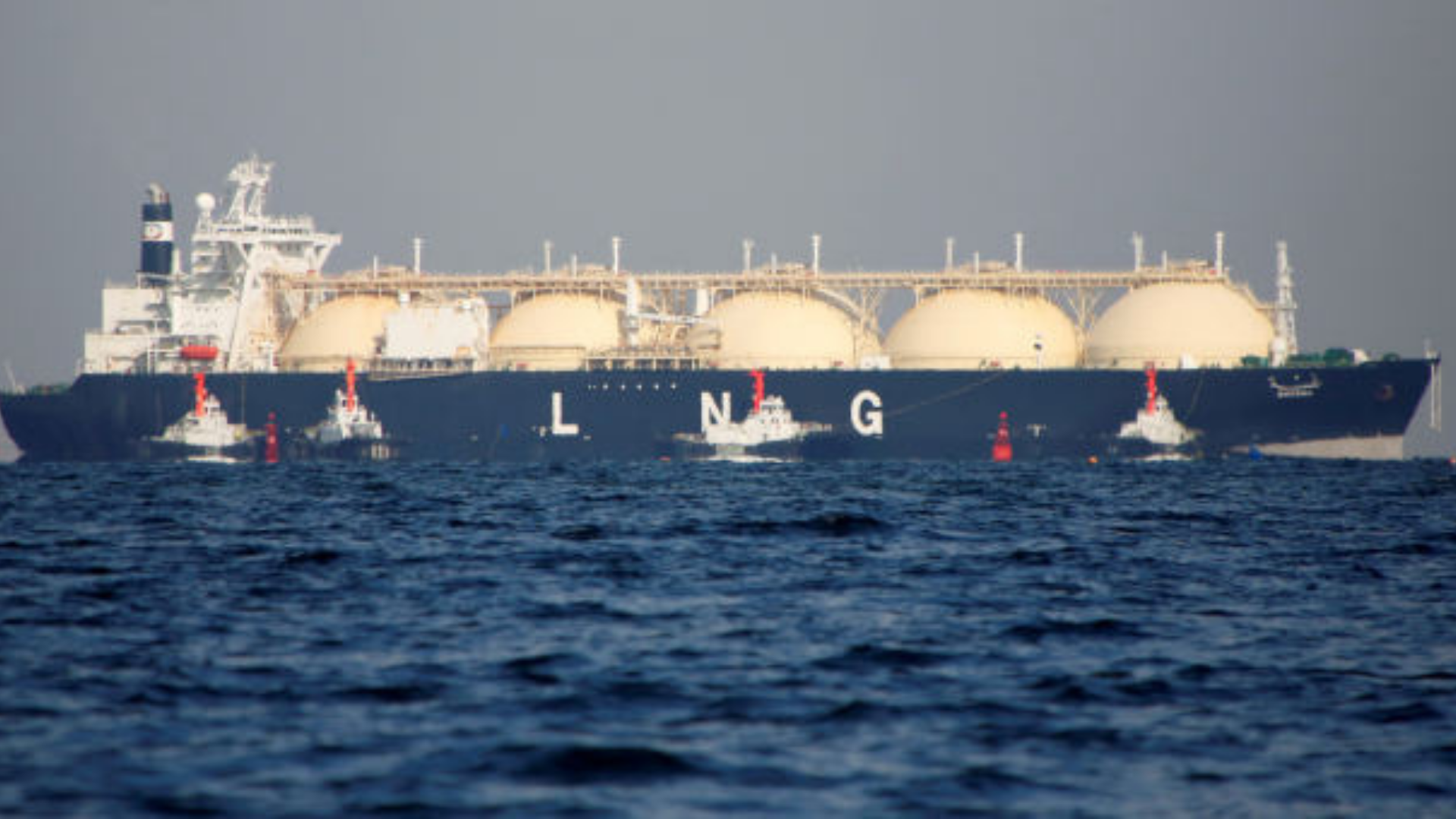

The State of Santa Catarina Will Be a Major Highlight in Liquefied Natural Gas with the Construction of the New Terminal, Which Will Receive an Investment of Up to R$ 400 Million
According to data from the second half of last year, the state of Santa Catarina registers natural gas consumption above the average. But the state will see a leap in the supply of the input in mid-2022, with the start of operations of the Southern Gas Terminal (TGS), a liquefied natural gas (LNG) unit in São Francisco do Sul. The investment is R$ 400 million and the project began with the Norwegian multinational Golar Power. The expectation is that with the construction, thousands of jobs will be generated. See also: Construction Works for Navy Ships in the State of Santa Catarina Already Have a Start Date
- Clean Energy: More than Two Thousand Families Receive Photovoltaic Panels for Solar Energy Generation
- Companies Join Forces to Build Ammonia-Powered Ship with Low Carbon Emissions
- With Salaries of Up to R$ 14 Thousand, Solutis Opens Selection Process with 150 Job Vacancies for IT Professionals from All Over Brazil
- Hyundai and LG Close Partnership for Electric Vehicle Battery Production
- Renault’s Partnership with Plug Power Aims to Produce Hydrogen-Focused Vehicles
The New LNG Terminal
The expectation was that the work in Santa Catarina would be completed in just over a year after the environmental installation license (LAI) granted in May, but the contractor Tenenge, which took over the project from the American multinational New Fortress Energy (NFE), will be able to advance the completion of the installation to the end of March or April next year.
According to the president of SCGás, Willian Anderson Lehmkuhl, this advancement will be possible because Tenenge will be able to execute the work in five fronts simultaneously. He states that this project will meet the expansion needs of consumption in Santa Catarina, Rio Grande do Sul, and Paraná, and will still have a surplus for São Paulo.
-
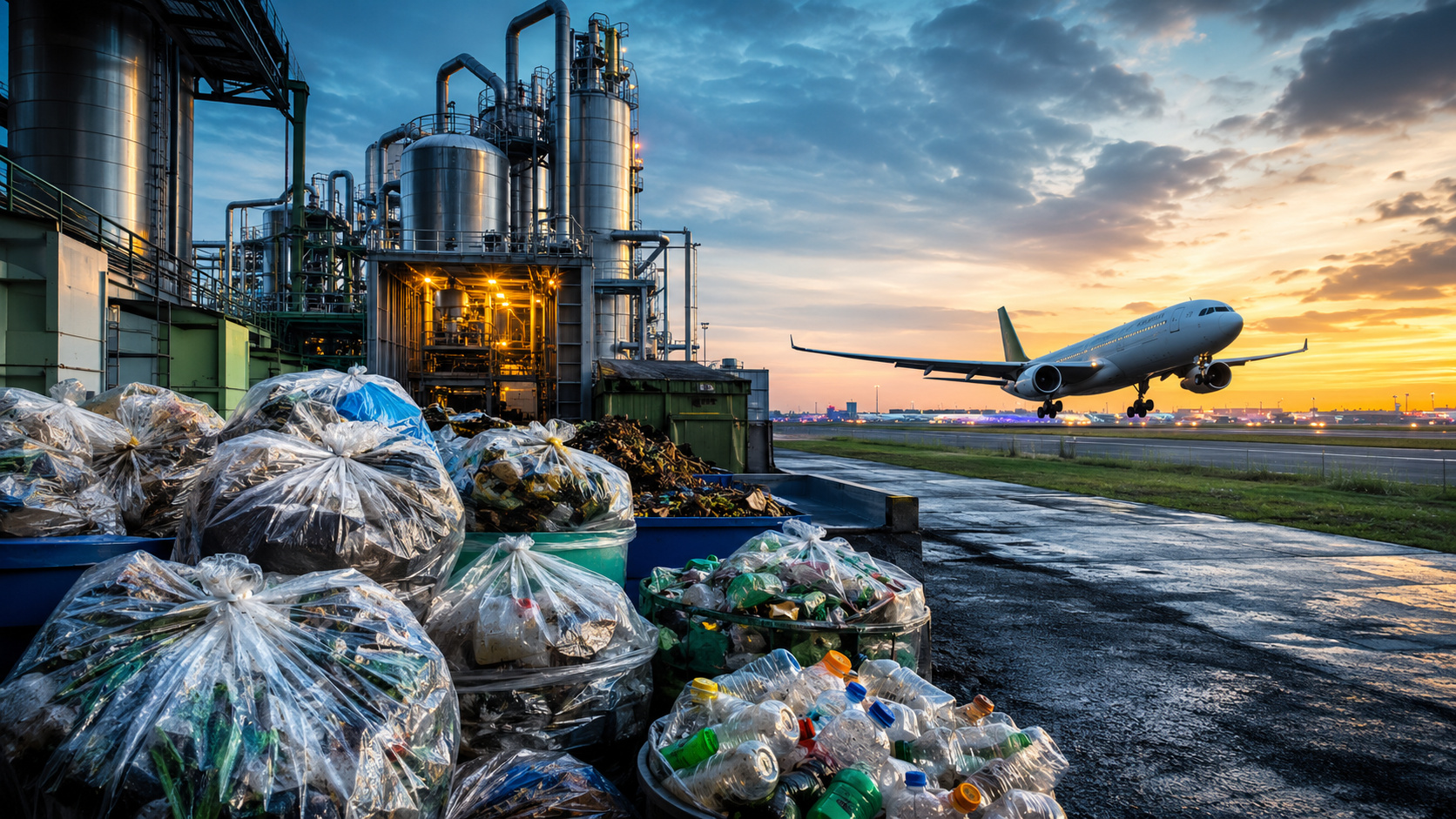
Qantas and Airbus Invest in Company Aiming to Convert Unsorted Household Trash into Jet Fuel

-
Brazil to Issue “Panda Bonds” in China, Aiming to Raise Up to 5 Billion Yuan at Lower Interest Rates Than Dollar Debt
-
NATO Faces Internal Tensions as U.S. Pushes for Increased Defense Spending, Targeting 5% of GDP by 2035, with Warnings for Countries Near 2% Level
-
Brazil to Introduce B16 Diesel with Increased Soybean Oil Content for Trucks by 2026

Supply of Natural Gas in Santa Catarina
Currently, Santa Catarina has a contracted supply of 2.1 million cubic meters provided by the Brazil-Bolivia pipeline (Gasbol), but uses 2.5 million cubic meters. To use more, it pays an additional fee. The TGS will provide 15 million cubic meters. For SC, the expectation is that about 7 million additional cubic meters will be allocated. The construction of a thermoelectric plant by Engie Brasil Energia is planned as a result of this LNG supply.
The president of SCGás states that the company is preparing for a change in the consumption profile, with a larger supply for residential, commercial, and service consumers.
Also Check: Port Complex in Santa Catarina Will Receive R$ 15 Billion in Investments Over the Next Few Years, with an Expectation of Generating 45 Thousand New Jobs
The Babitonga port complex, which includes the ports of São Francisco and Itapoá, has investment projects for the next 10 years totaling R$ 15 billion, with great expectations of generating many jobs in the state of Santa Catarina. The president of the port of Itapoá, Cássio José Schreiner, reports that with the disclosed investments, the goal is to double the terminal’s capacity, increasing from 1.2 million TEUs (twenty-foot equivalent units) to over 2 million TEUs per year.
Cassio Schreiner says that the series of investments in the Babitonga port complex should soon include a concession to deepen the access channel to the bay by 2022, creating a toll for the entry of ships. This work in the state of Santa Catarina will increase the draft depth from 14 to 16 meters, allowing large 400-meter container ships, which are currently the largest vessels for cargo worldwide, to dock.
Among the investments and jobs projected for the surroundings of the Babitonga Bay in the next decade, Schreiner mentions the Southern Gas Terminal (TBG), a liquefied natural gas unit budgeted at US$ 77 million (R$ 388 million) that has just been licensed. Also included are the Mar Azul terminal for ArcelorMittal cargo, Porto Brasil Sul, and the Babitonga Grain Terminal (TGB). In total, there are more than 30 anticipated port and backport companies.