





 Portuguese
  English
  Spanish
  4 min of reading
  0 comments


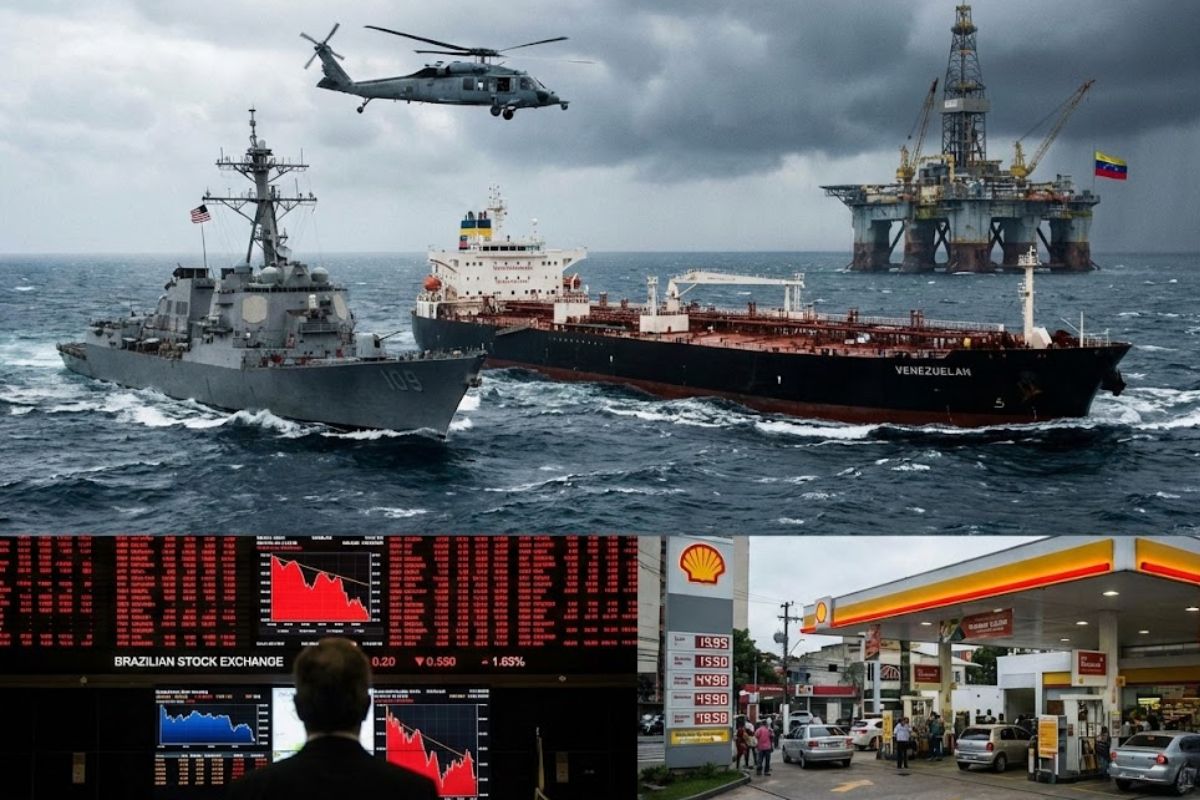
With Three Oil Tankers Intercepted by U.S. Troops and Oil Prices Rising for the Third Straight Session, Fears of Conflict with Venezuela Grow, Depressing Brazilian Assets, Increasing Risk for Emerging Markets, and Forcing Lula to Engage in Diplomacy to Limit Damage to Brazil and Consumers.
Alert signals have returned to flash in the international oil market. Over the weekend, oil futures contracts closed higher for the third consecutive session, following successive episodes of tension between the United States and Venezuela, including the interception of three oil tankers by U.S. troops in international waters. President Donald Trump’s remarks, which do not rule out a conflict with the Venezuelans, continued to resonate on this Monday, the 22nd, when the topic dominated an interview on the Conexão Record News program.
For Brazil, the situation calls for maximum attention. The combination of higher oil prices, increasing geopolitical risk, and direct Washington intervention over Venezuelan fuel raises perceptions of uncertainty about emerging economies. According to economist Rodrigo Simões from the Faculty of Commerce, this context contributes to the decline in the price of Brazilian assets, while President Lula tries to maneuver in diplomacy to prevent the crisis from escalating and affecting the country further.
Intercepted Tankers Expose Risk in Global Oil Flow
Three oil tankers have already been intercepted by U.S. troops in international waters near Venezuela.
-
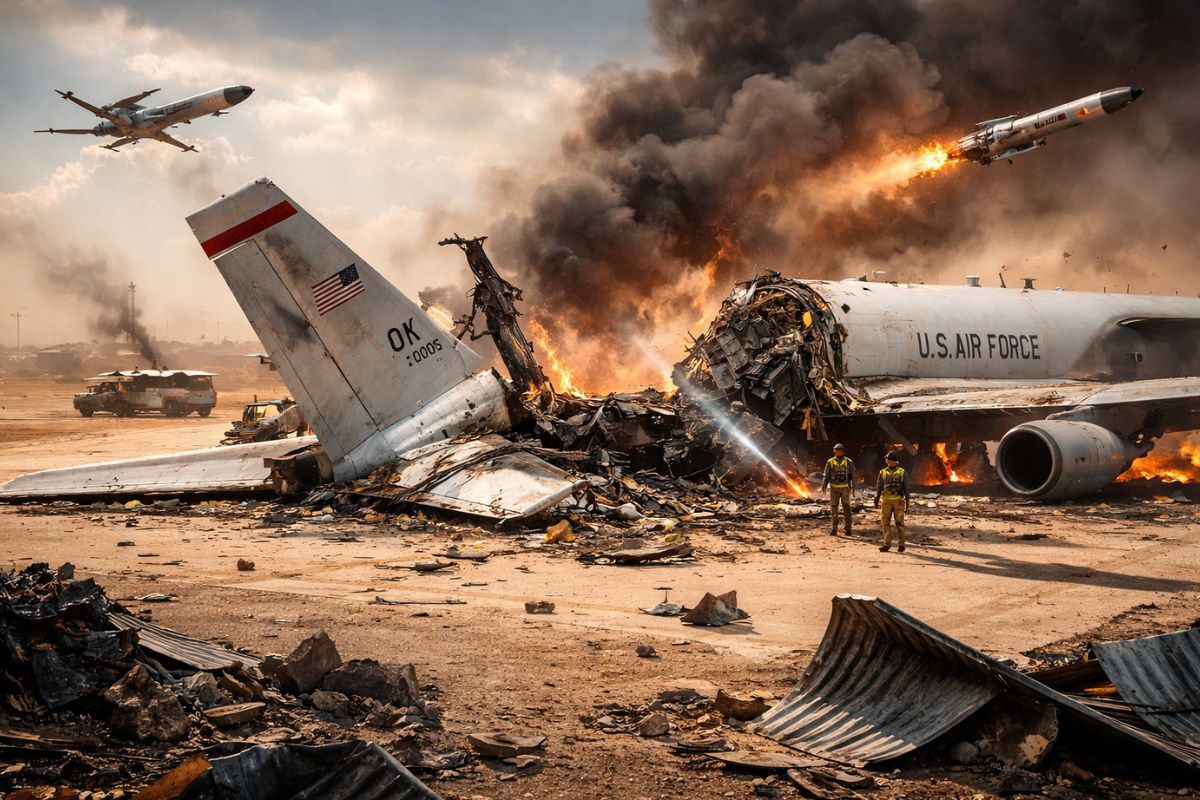
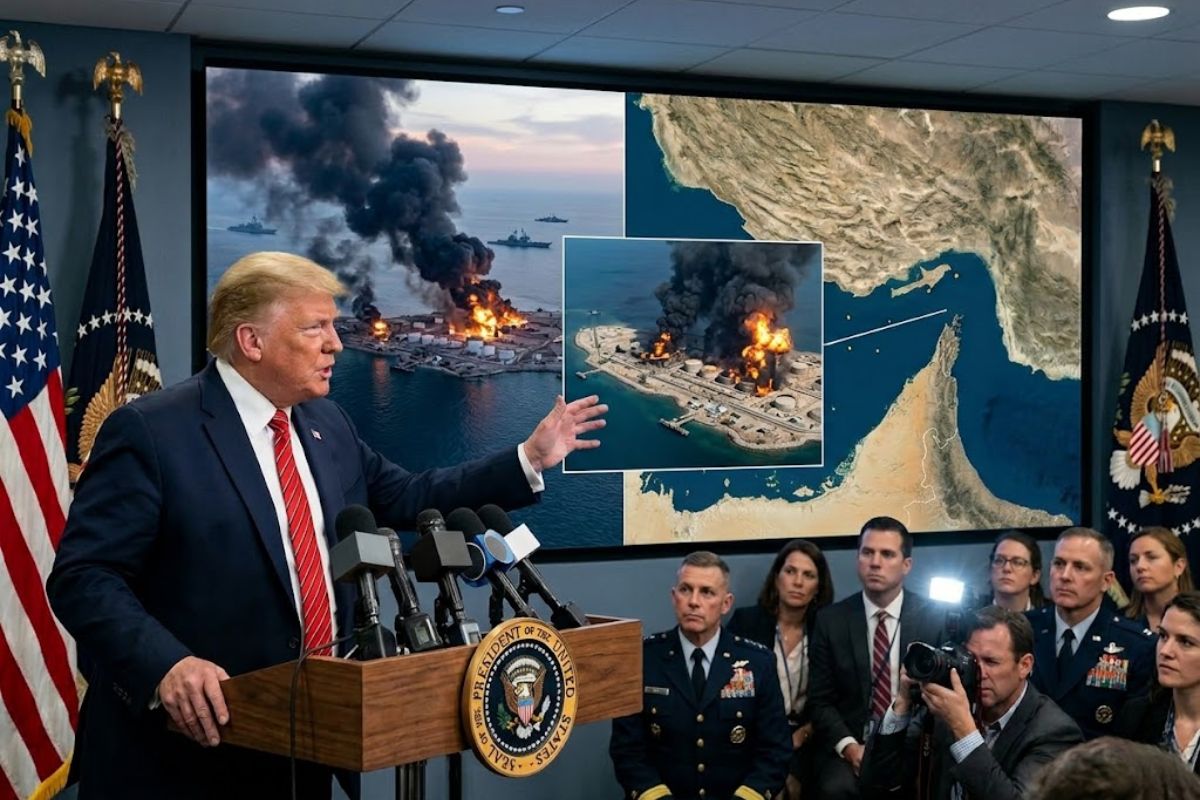
Iranian drones and missiles destroyed a 270 million dollar American spy plane in Saudi Arabia, splitting the E-3 Sentry aircraft in half and injuring 12 military personnel in an attack that exposes the vulnerability of U.S. bases in the Persian Gulf.
-
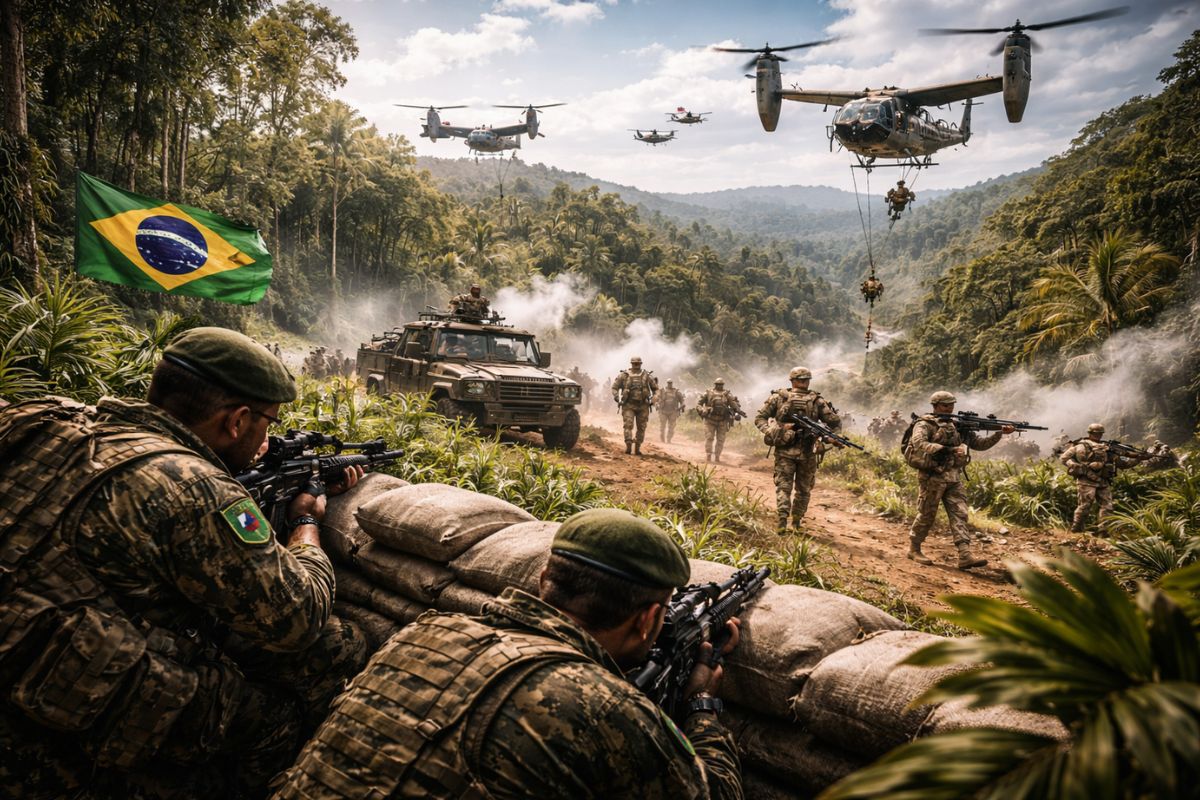
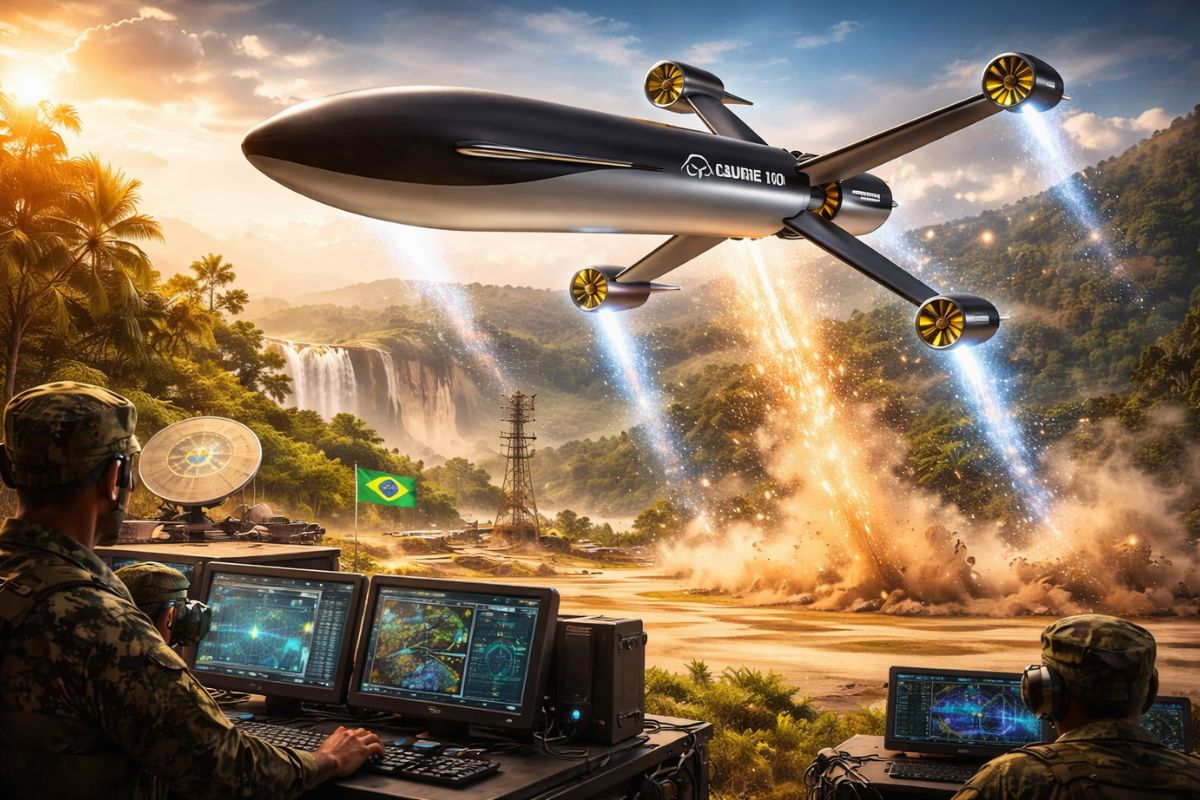
If the USA were to go to war with Brazil, Washington’s greatest fear would not be the attack itself, but facing a vast territory, prolonged resistance, and a costly, chaotic, and unpredictable occupation.
-
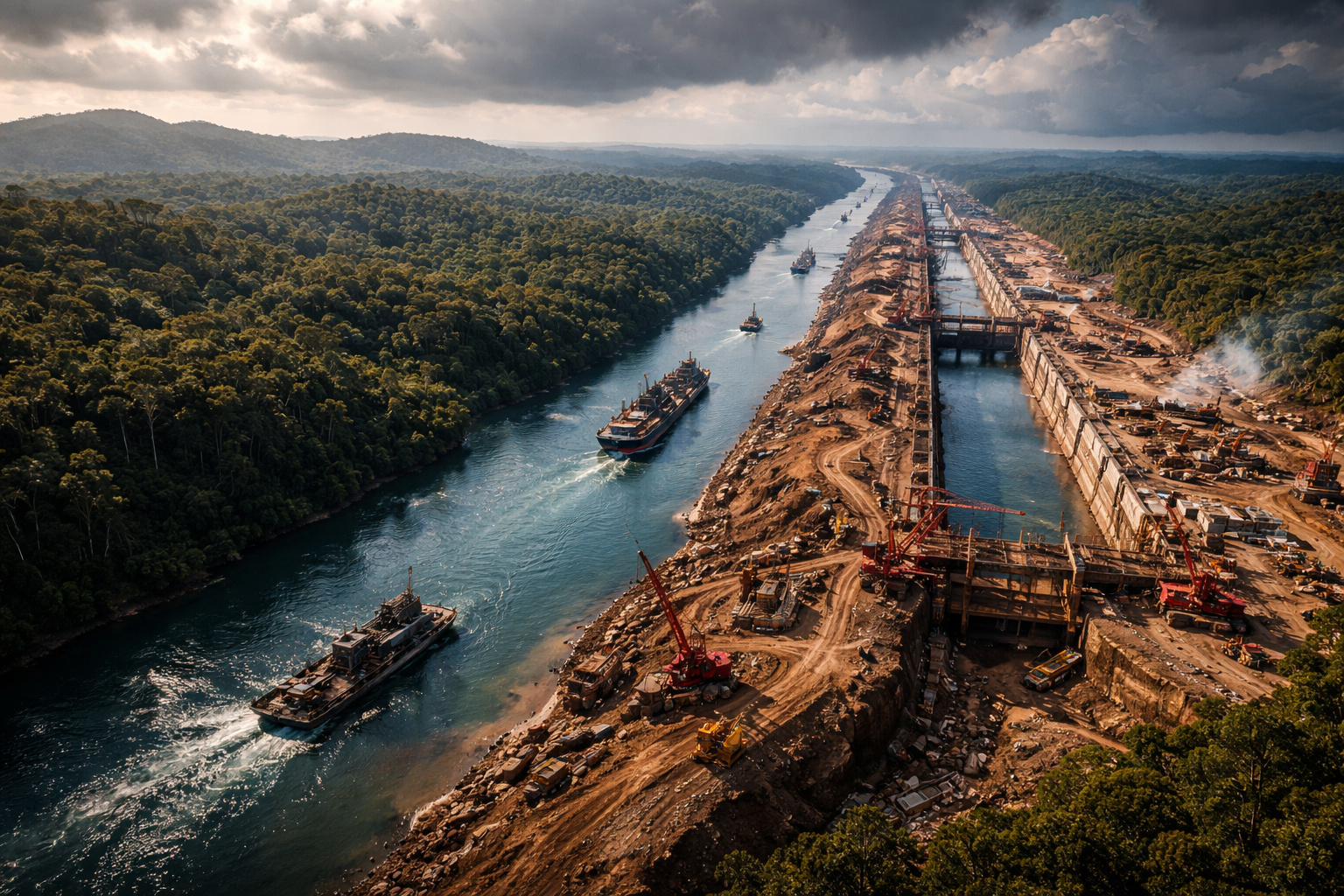
In 2013, Nicaragua sold the concession for a canal to rival Panama to a Chinese billionaire who lost 85% of his fortune, disappeared, and was declared bankrupt. Now the project resurfaces with a new route, a new Chinese partner, and a cost of $64.5 billion.
-
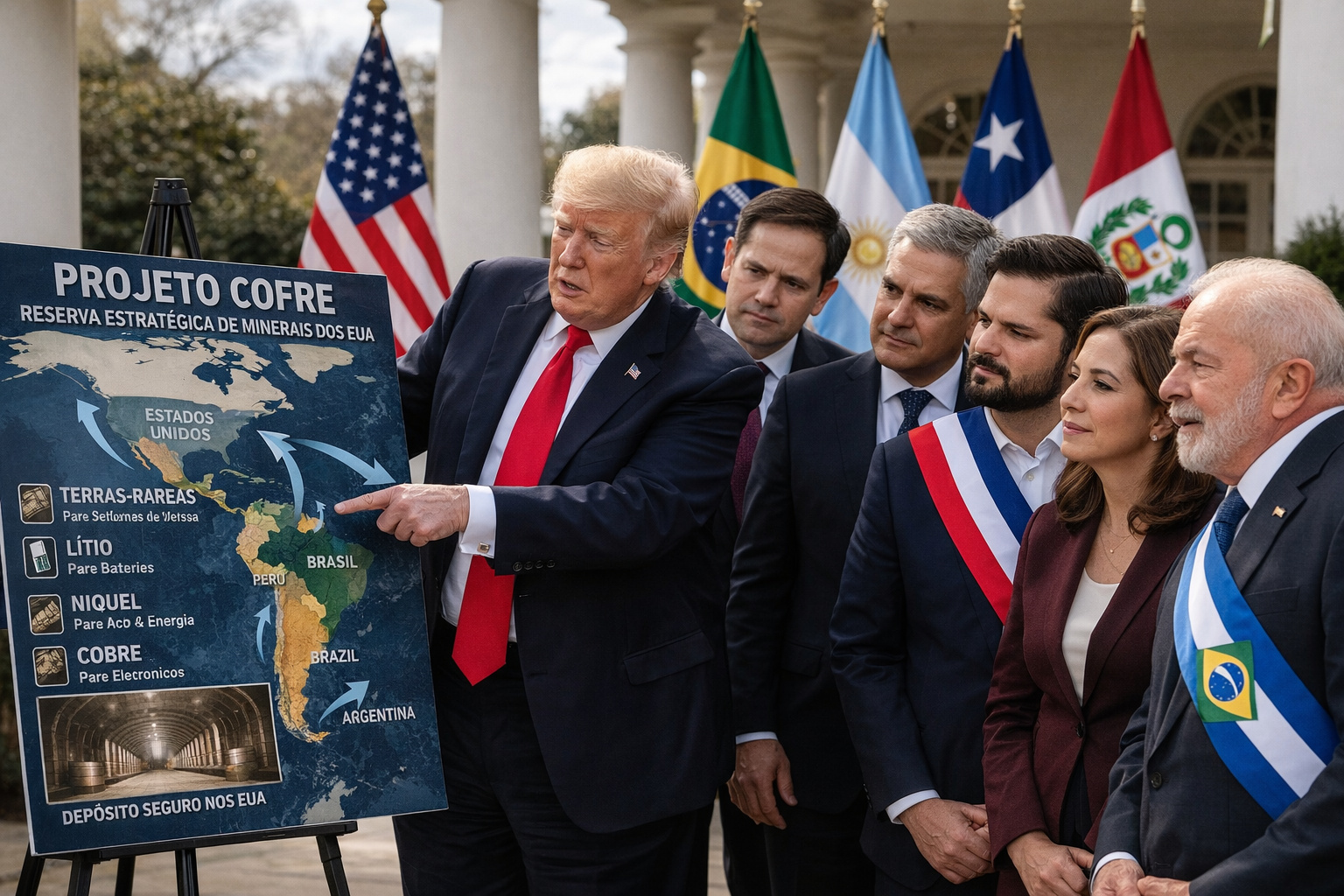
The USA announces a mysterious billion-dollar vault project to store critical minerals, but what intrigues experts is not just the plan itself, but why Latin America, including Brazil, has entered the center of this global dispute against China.

This type of operation is seen by the market as a signal that the global oil flow could be affected at any moment, either by new approaches or potential blockades or retaliations.
Each interception increases the perception that the fuel route in the region has shifted from being merely a commercial issue to also being a strategic political pressure move.
The greater the risk of interruption in oil supply, the higher the tendency for prices to rise, even without immediate changes in production.
Why Venezuelan Oil is in Washington’s Crosshairs
Rodrigo Simões explains that the actions of the United States regarding Venezuelan oil have two main reasons.
The first is the dispute surrounding contracts that were broken without due compensation to U.S. companies operating in the country.
The second is the decline in Venezuelan reserves itself, which reduces confidence and makes the business environment more sensitive to any political tension.
In this context, oil ceases to be just a commodity and becomes a tool of pressure. By hardening its stance on Caracas, Washington sends a message to investors and governments in the region, showing that it is willing to directly intervene in export routes when it believes its interests have been thwarted.
Risk for Emerging Markets and Direct Impact on Brazil
In an interview on Conexão Record News this Monday, the 22nd, Simões highlighted that the increasing tension between the United States and Venezuela worsens the perception of risk regarding emerging countries, including Brazil.
According to him, when risk increases, investors tend to reduce their exposure in these markets, which pressures the prices of stocks, bonds, and other assets.
The economist summarizes the logic with a powerful statement: when there is more risk to invest in emerging markets like Brazil, even if the conflict is not in our territory, “the price of assets drops.”
That is, the crisis involving Venezuelan oil could harm the value of Brazilian companies on the stock exchange, increase the cost of raising funds, and provoke more volatility in foreign exchange and interest rates.
Lula Tries to Position Himself to Prevent the Crisis from Exploding Here
Amid rising tension, Rodrigo Simões emphasizes that President Lula is trying to closely monitor the unfolding of the conflict and act diplomatically to reduce harm.
According to the economist, the Brazilian government’s goal is to help ease the relationship between Washington and Caracas, favoring some kind of agreement that reduces the risk of military escalation.
The reasoning is simple: if the crisis escalates, oil tends to become even more expensive, the risk of investing in emerging countries increases, and Brazilian assets suffer.
Simões recalls that Lula is trying to “keep an eye on this conflict” and “interfere to ease this relationship and get everyone to reach an agreement,” but acknowledges that, as things stand, “this is not good for us.”
How Oil Prices Can Weigh on the Brazilian Pocket
In practice, rising oil prices in the international market tend to reach the daily life of Brazilians through various channels.
The main entry point is the cost of fuels, such as gasoline and diesel, which directly impact freight, food transport, services, and the entire production chain.
Even without official figures for immediate pass-through, analysts warn that a prolonged period of tension tends to pressure prices and increase volatility.
Moreover, with higher perceived risk regarding emerging markets, Brazilian companies may face tougher conditions for financing, which reduces investment and can affect employment and income.
Higher and more unstable oil prices function as an invisible tax on the economy, squeezing family budgets and forcing the government to seek solutions to mitigate stronger impacts on inflation and growth.
Given this scenario of tension between the United States and Venezuela, rising oil prices, and concerns about Brazilian assets, do you think Brazil should become more involved in mediating the conflict or should it distance itself from this clash to protect its own economy?






Seja o primeiro a reagir!