





 Portuguese
  English
  Spanish
  5 min of reading


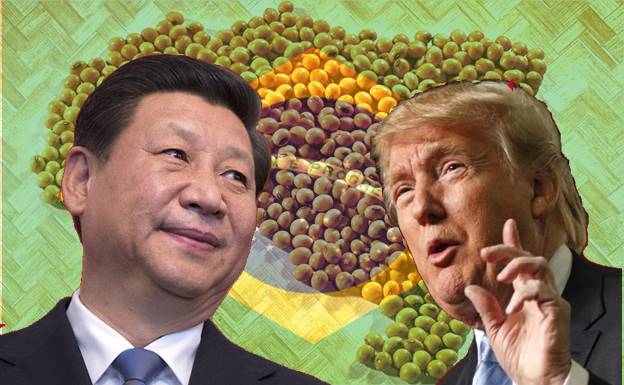
After A Year That Tested The Soybean Market’s Nerves, 2019 Seems To Offer No Relief, With The Market Set For A Tumultuous Run In The First Quarter
In Recent Years, The Soybean Market Has Operated Within A Well-Defined Structure, In Which The Two Leading Producers – Brazil And The USA – Sold Their Large Stocks At Different Times Of The Year. Meanwhile, China – By Far The Largest Importer – Bought From Both In A Quite Stable And Predictable Manner.
2018, However, Was Different. In May, A Truck Drivers’ Strike In Brazil Disrupted The Flow Of Goods, Including Grain For Shipments, To The Ports For A Few Weeks. This Led The Federal Government To Impose A Fixed Price Table For Road Freight. This Please The Drivers, But Created Uncertainty Among Exporters.
The Next And Most Disruptive Chapter Of 2018 Occurred In July, When The Trump Administration Reduced Import Tariffs On Various Chinese Products, Accusing China Of Unfair Trade Practices.
China Responded By Imposing Tariffs On American Products, Including An Additional 25% On American Soybeans. This Was The Second Time This Year That Policy, Not Fundamentals, Dictated The Trend Of Soybean Prices.
-
Russia spent $5 billion and 28 years modernizing a nuclear warship that had been inactive since 1997. The Admiral Nakhimov returned to the sea in August 2025 as the heaviest surface combat ship in the world, with 176 missile launchers, including hypersonic Zircon missiles.

-
James Webb finds 300 galaxies with mysterious scars, and this discovery may show that the universe was born much more violently than astronomers had imagined.

-
Haiti’s capital is experiencing an energy and construction crisis, facing blackouts, a blocked port, and buildings at risk after years of instability and a significant earthquake.

-
Government unlocks R$ 554 million for a highway that has been requested for decades and accelerates the duplication of BR.

The Port Negotiations Evaluated In Brazil, China, And The USA Since Late July – Advanced In An Unexpected Manner.
The Extra Price To Be Paid In China For U.S. Grain Created A New Ceiling For Brazilian Soybeans Delivered To China. Port Premia Soared To Reflect The New Reality And To Compensate For Losses In The CBOT Soybean Futures.
Practically Speaking, The New Tariffs Were Interpreted By All Chinese Importers As A Government Signal That It Was Not A Good Idea To Sign Agreements With American Exporters, Market Sources Said. Brazil Became The Main Supplier Of Soybeans To China, And The USA Started To Increase Its Sales To Other Destinations.
Historic Harvests
All This, However, Was Not Enough To Absorb The Large Volume Of Crops Harvested In The USA, And Farmers Began To Stack Their Grains Waiting For Better Market Conditions.
The Saga Continued Throughout The Second Half Of The Year, With Brazil Benefiting From Its Competitive Advantage, China Buying Only What It Needed As The Situation Could Change At Any Moment, And The USA, Without Its Most Important Buyer, Increasing Its Stocks.
In December 2017, The U.S. Department Of Agriculture Estimated That The USA Would Export 60.56 Million Tons In The 2018-19 Season, And Brazil Would Export A Bit More, At 65.50 Million Tons.
However, In Its December 2018 Report, The USDA Pegged U.S. Exports For 2018-2019 At 51.71 Million Tons, And Brazilian Exports At 81 Million Tons.
Market Sentiment Changed In Early December When Donald Trump And Xi Jinping Dined On The Sidelines Of A G-20 Meeting In, Ironically, Argentina, The Third Largest Soybean Exporter In The World.
They Agreed On A Possible Restart Of U.S. Soybean Exports To China. However, The Lack Of Details From This Meeting Paralyzed Negotiations In The Weeks That Followed.
Since Then, Several Export Deals Have Been Reported From The USA To China, Mainly Signed By State-Led Chinese Companies. Meanwhile, The Brazilian Premium For Shipment In March In Paranaguá Lost 40% OF Its Value During The Week Of November 30 To December 7, Following The U.S.-China Negotiations.
Political Issues And Supply Pressure To Continue In 2019
As January Approaches, The Market Conditions For The New Year Remain Uncertain, Experts Said.
First Of All, The Chinese Tariffs On U.S. Grains Are Still In Effect, And Uncertainty Remains Around The Volumes That Could Be Traded Between The Two Countries. Private Importers Remain Notably Absent From The Market, And Demand From Chinese Soy Crushers Has Been Weak Due To Low Crushing Margins.
It Is Estimated That U.S. Soybean Stocks Will Reach Record Levels And Could Be Flooded Into The Global Market Soon, Once The U.S.-China Relationship Stabilizes.
At The Same Time, Brazil Is Set To Harvest A Record Crop Of 120 Million Tons Planted At A Rapid Pace In October, Allowing Farmers To Start Harvesting From Christmas. Analysts Said This Would Be The Largest Early Harvest Ever Recorded.
Some Traders Expect To See New Grains Arriving At Ports In January When Elevators Are Empty. Exports Were So Strong In 2018 That Analysts And Government Agencies Were Forced To Revise Previous Supply And Demand Sheets With Numbers That Justified These High Shipments. Otherwise, The Balances Of 2018 Would Have Been Negative.
To Add To The Uncertainties, Brazil Has Not Yet Discovered How The Fixed Price Table For Road Freight Will Be Applied. A Supreme Court Decision Was Expected By The End Of 2018, But It Never Happened. Meanwhile, A Federal Agency Recently Stated That It Would Start Fining Companies – Including Product Owners, Such As Commercial Houses – That Do Not Comply With The Table.
The Analyst Safras & Mercado Stated That Producer Sales On November 9 Were At 31.3% Of The Total Expected Crop. The Number Is In Line With Historical Trends, But Abiove Said It Could Be Higher, Adding That It Will Face Difficulties In Increasing Significantly In The Coming Weeks And Months If The Freight Issue Is Not Resolved.
The International Soybean Market Remains Focused On China, Which Obtained About 3 Million Tons For The 2018-2019 Year Since The Meeting Between Trump And Xi At The G-20 Summit. The Supply Was Limited To State-Owned Chinese Companies, And Traders Are Uncertain Whether The Purchases Will Continue After The Initial Shipments.
Traders Also Reported Weak Demand From Private Chinese Operations Due To Weak Margins. Without Demand To Drive New Acquisitions And Address The Issue Of Record Stocks, Traders Remain Uncertain Whether A Tariff Reduction Will Substantially Improve U.S. Prices. Indeed, The General Market Consensus Is That Prices In Brazil Will Continue To Decline So The Country Can Remain Competitive And Stay On Top Of The Soybean Exporter Crown.









Seja o primeiro a reagir!