





 Portuguese
  English
  Spanish
 3 min of reading


Covid-19 Combat Structure Is Complete at the Port Terminals of Paraná
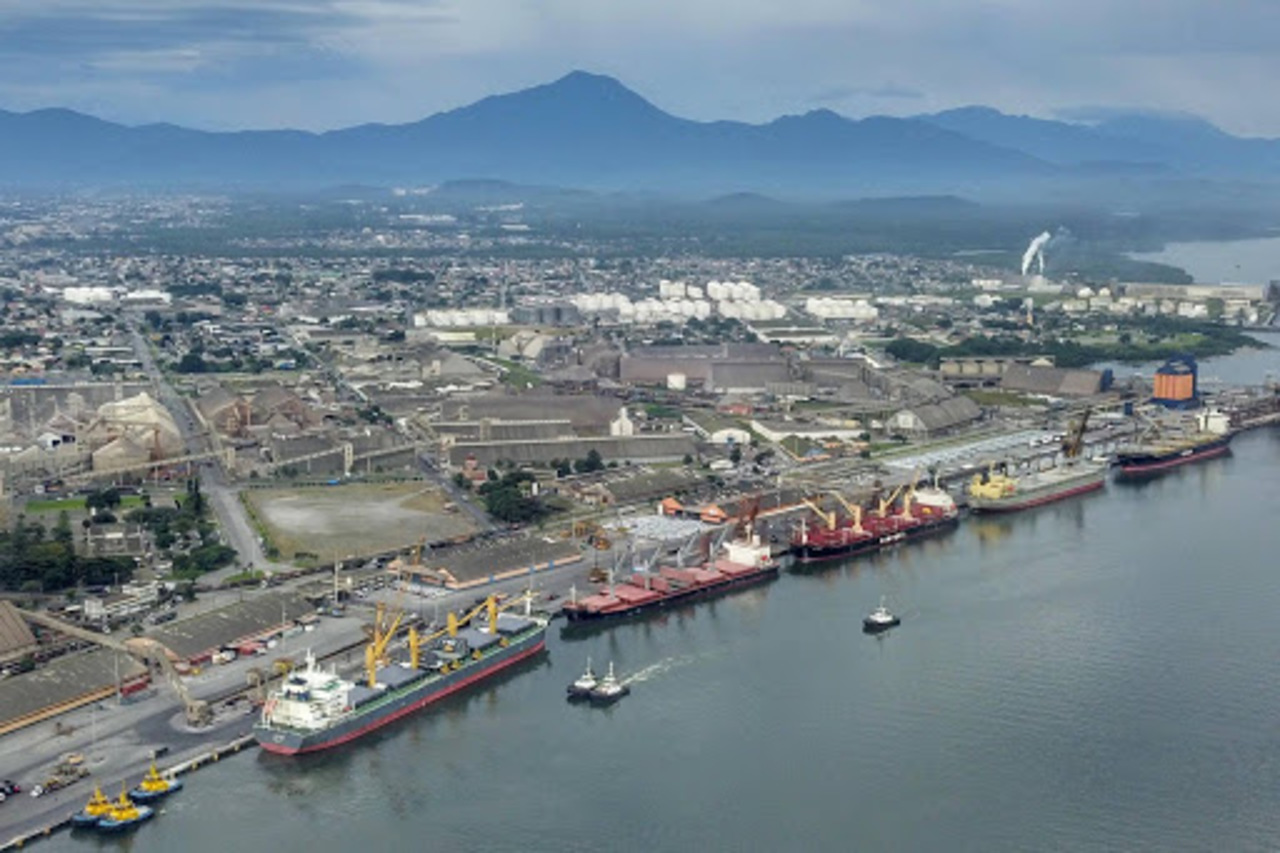
This Thursday (25), the Covid-19 combat structure installed at the port terminals of Paraná completes one year. Since its installation, the port terminals have seen an investment of nearly R$ 11 million and 1.6 million workers served. In the last 365 days, medical and nursing teams have worked 24 hours a day at the Screening Yard and at access points for drivers and pedestrians to the Port of Paranaguá, in the municipality of Paraná.
Read Also
The port of Paraná was the first in Brazil to adopt Covid-19 combat measures, which remain in effect. “Port activity is essential for the transport of food, supplies, and machinery. The State Government acted quickly to provide the necessary conditions and safety for thousands of people who depend on the port for their families’ livelihoods,” emphasized Luiz Fernando Garcia, the president of the public company Portos do Paraná.
According to him, shutting down the port due to Covid-19 would represent severe losses for the entire logistics chain, but especially for the workers at the port terminals. Garcia also states:
-
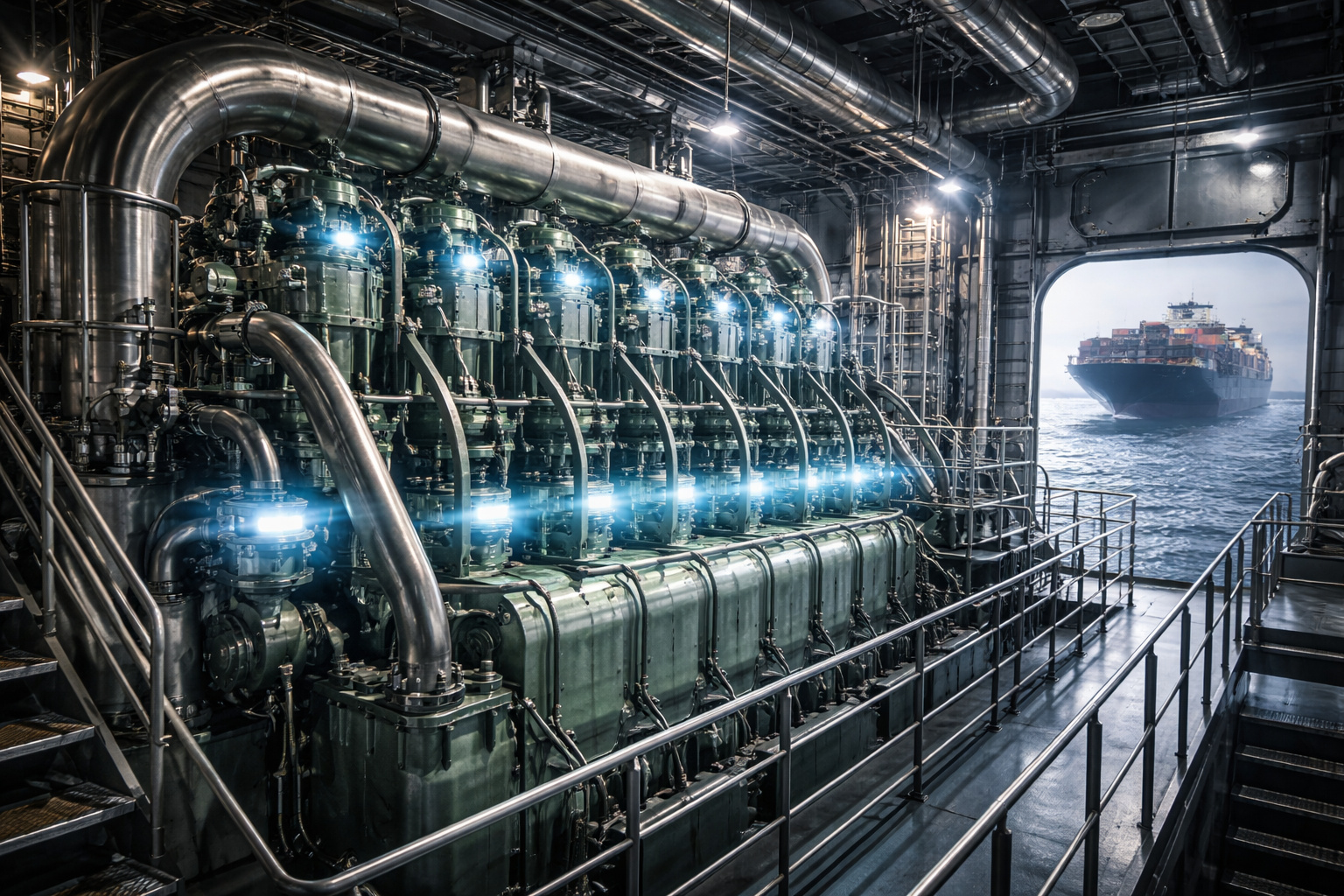
Europe is trying to create an ammonia-powered marine engine without auxiliary fuel, which could unlock the race for giant emission-free ships. The technology aims to eliminate one of the biggest obstacles to clean maritime propulsion.
-
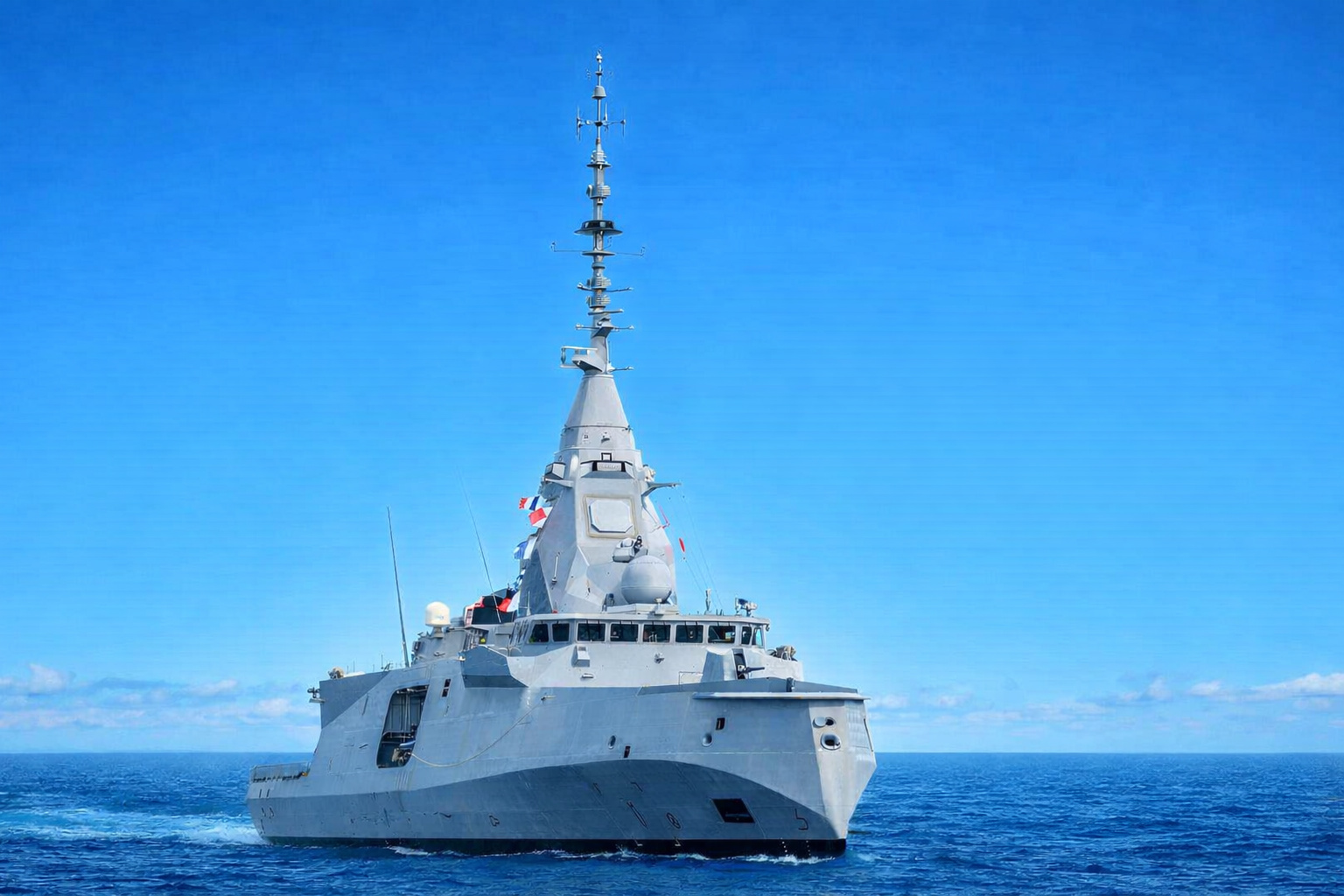
A 4,500-ton frigate with just over 100 crew members, state-of-the-art radar, and cruise missiles is being touted as the new standard of naval warfare in the 21st century.
-
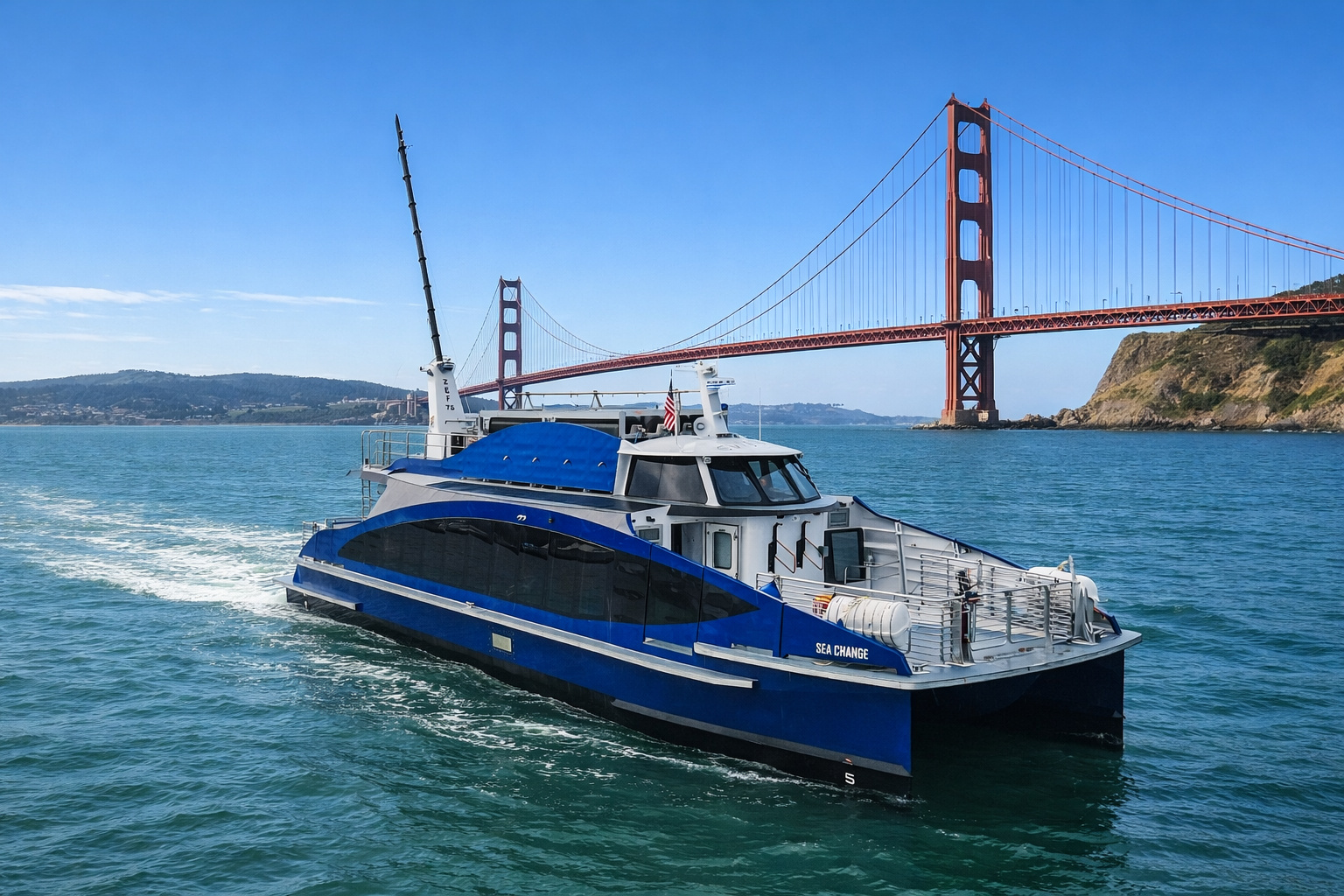
The first commercial hydrogen-powered ferry enters operation in the U.S., eliminates the use of diesel, uses fuel cells to generate clean energy on board, and transforms San Francisco Bay into a landmark of the new era of emission-free navigation.
-
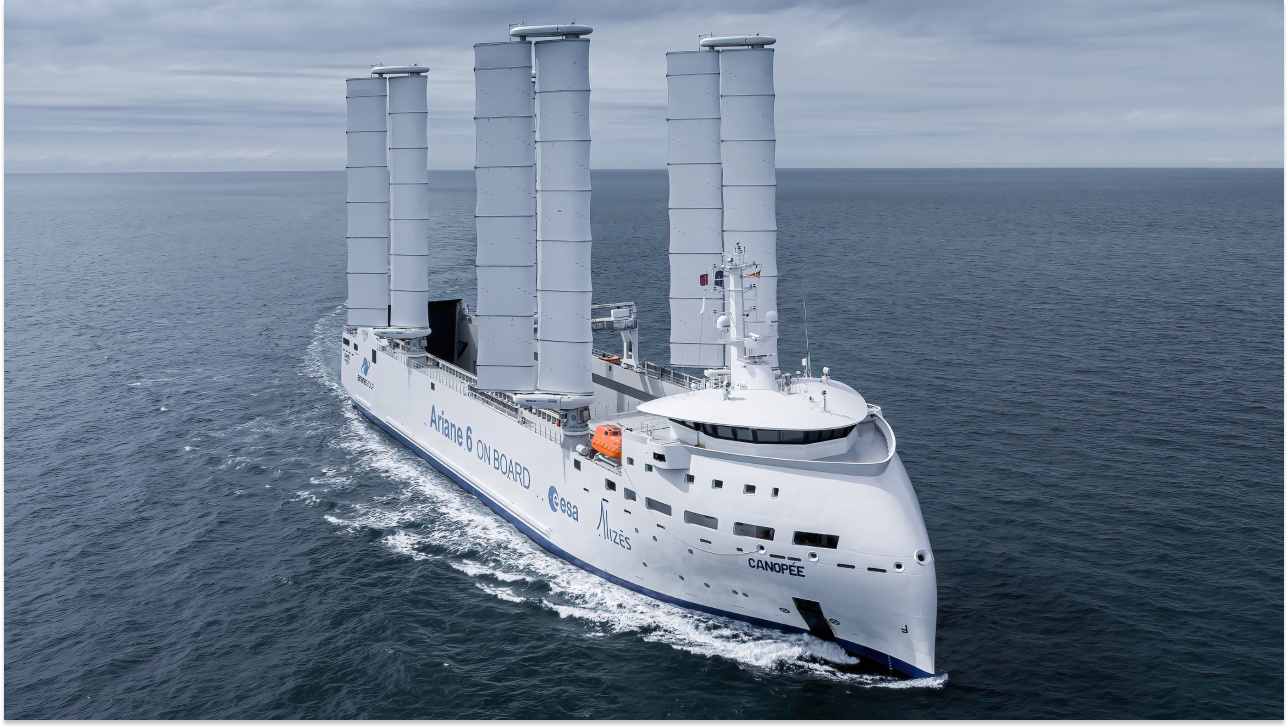
With a length of 121 meters and four rigid sails of 36 meters that automatically rotate to capture the wind, Canopée is the world’s first hybrid industrial cargo ship powered by wind, used to transport rockets and reduce fuel consumption by up to 30% on transoceanic routes.

“Most of the workers at the port terminals in Paraná are hourly paid. The shutdown would mean that their earnings would be almost zero. The revenue from taxes and every invoice issued by the terminals for services provided generates income for the municipality. Thus, we would exacerbate the economic crisis, not to mention the harm to production, flow, and logistics in Brazil.”
New Investments in Port Terminals
The public company’s investment in Paraná over the past year for the purchase of materials and equipment and the hiring of medical teams, who assess temperature, evaluate symptoms compatible with Covid-19, and refer suspected cases, was R$ 10,259,047.06. The remainder involves the maintenance of these structures, which will remain in place as long as the public health emergency lasts.
The medical teams include 14 nursing technicians, three administrative assistants, and two hospital cleaning staff. The structure also includes two medical posts and two nursing posts.
Executive Director of OGMO-Paranaguá Speaks Out
The executive director of the Management Body of the Workforce of Port Workers at the Port of Paranaguá (OGMO-Paranaguá), Shana Bertol, believes that the precautions adopted since the beginning of the pandemic were essential.
“As soon as the pandemic was declared, we started with the most ostensible actions, including the installation of these sanitary barriers and the exclusive medical team for Covid-19, rapid testing of workers, in addition to providing all PPE and hand sanitizer,” she noted. “Throughout this period, we have monitored the port workers, and more than 80% say they feel safe performing their services at the port.”









Seja o primeiro a reagir!