





 English
  Francês
  Alemão
  Italiano
  Japonês
  Norueguês
  Portuguese
  Spanish
 3 min of reading


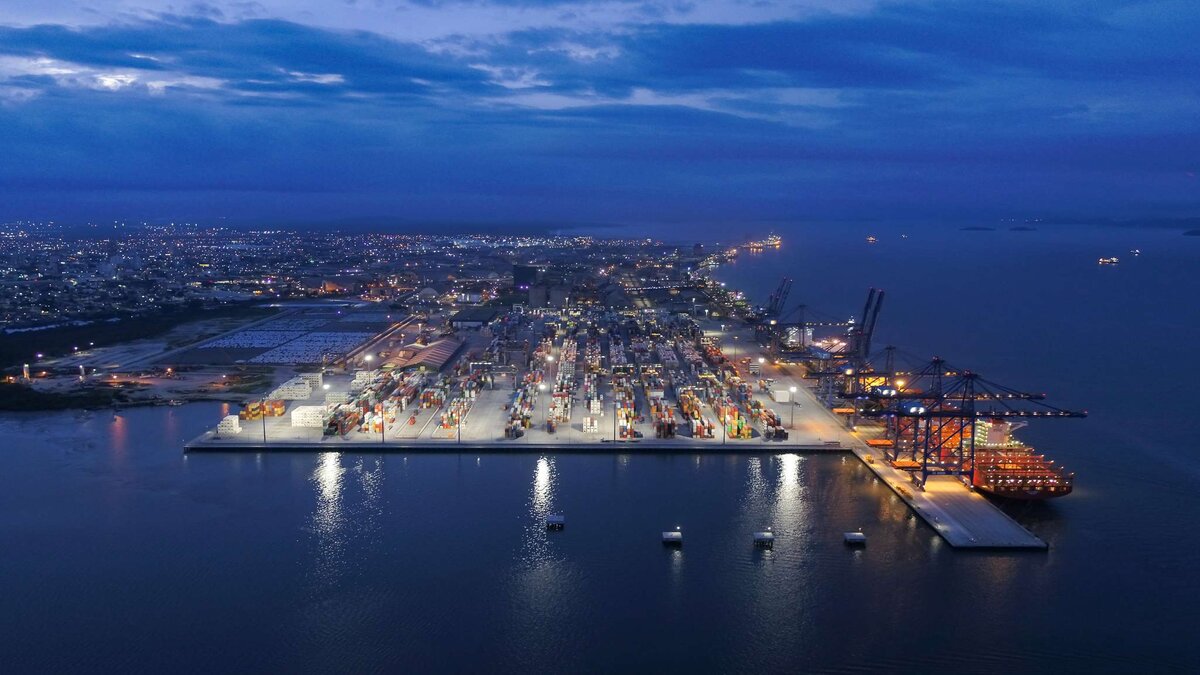
Aiming for Sustainability as the Main Focus This Year, the Paranaguá Container Terminal (TCP) Is Investing in Carbon Emission Reduction with Its Recent Contracts with Brado and EDP for the Adoption of Multimodal Transport and Renewable Energy Supply
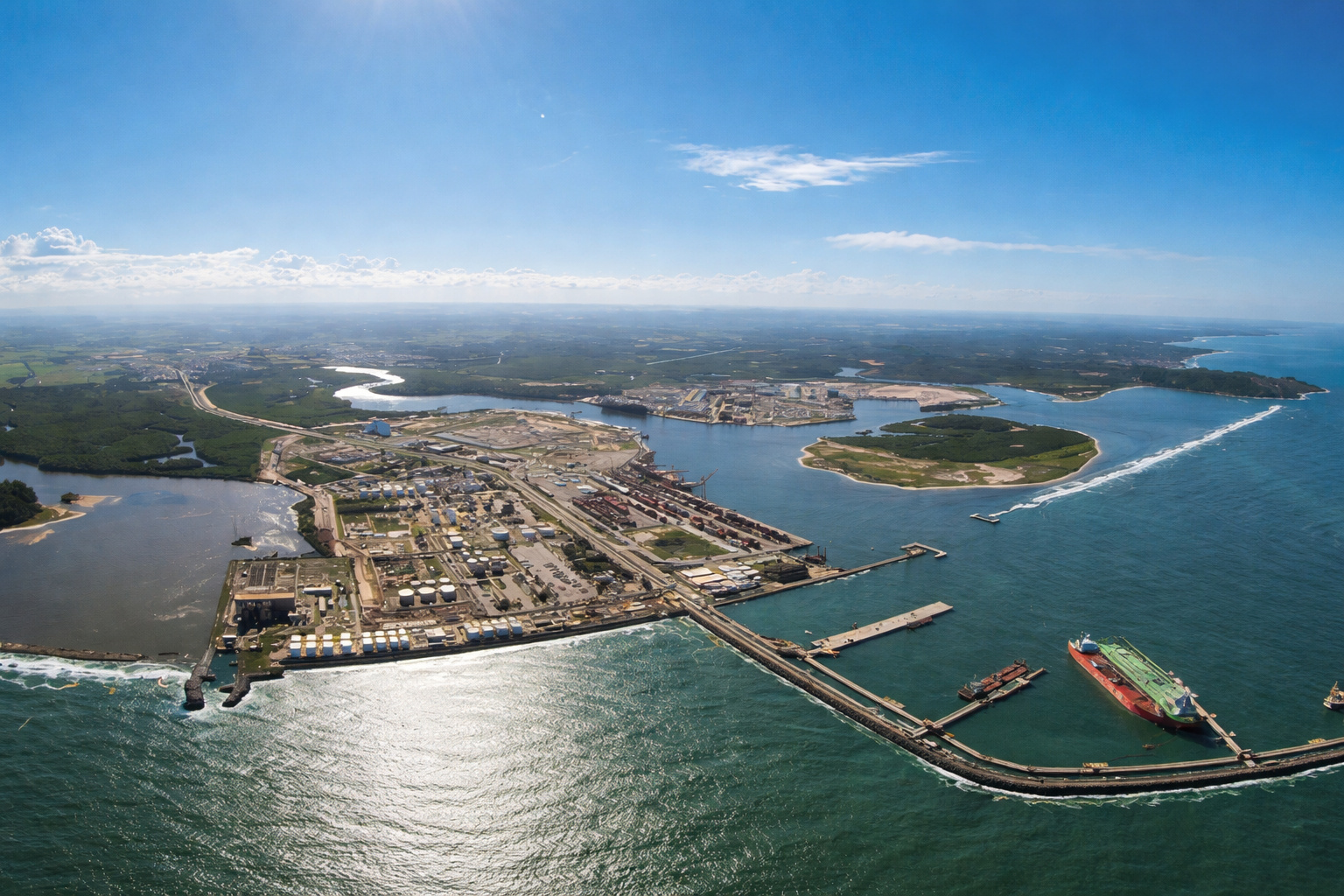
Last Monday (06/06), TCP, the company that manages the Paranaguá Container Terminal located in the state of Paraná, announced that it continues to invest in sustainability for carbon emission reduction in its operations. This is because the company has been using a multimodal transport logistics system with Brado since last year and, this year, started investing in the purchase of 100% renewable electricity through a contract with energy company EDP.
Contract with Brado Logistics Ensured More Sustainability for TCP’s Cargo Handling Operations with the Multimodal Transport Used at the Terminal
The start of TCP’s investment in carbon emission reduction and sustainability in its operations began in 2021 when the company signed a contract for a multimodal transport logistics system at the terminal. Thus, the terminal became the only one in southern Brazil to use the railway network and now connects exporters from Paraná, São Paulo, Mato Grosso, Mato Grosso do Sul, and Paraguay through branches that reach Cascavel, Cambé, and Ortigueira.
In addition, the use of the multimodal system with Brado, which utilizes both trains and trucks in its operations, has brought TCP much greater operational efficiency and sustainability within its activities. This is because using trains reduces CO² emissions, and just last year, it prevented over 60,000 tons of the gas from being released into the atmosphere, thus ensuring a significant advancement for sustainability within the terminal’s production chain.
-
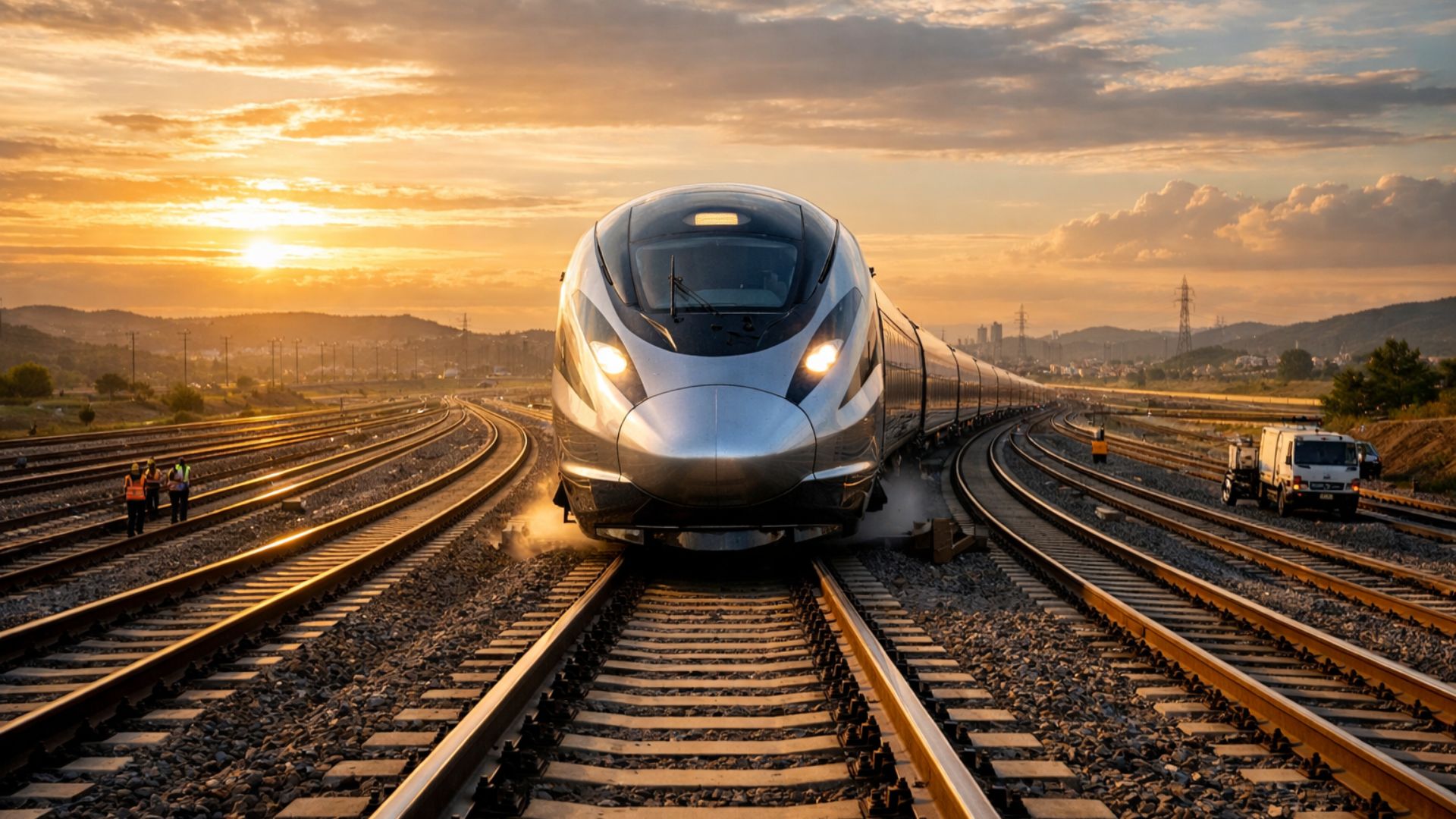
São Paulo surprises the world with a colossal railway network project that promises over 1,000 km of tracks, R$ 194 billion in investments, and 40 projects connecting the capital to the interior with fast and sustainable trains.
-
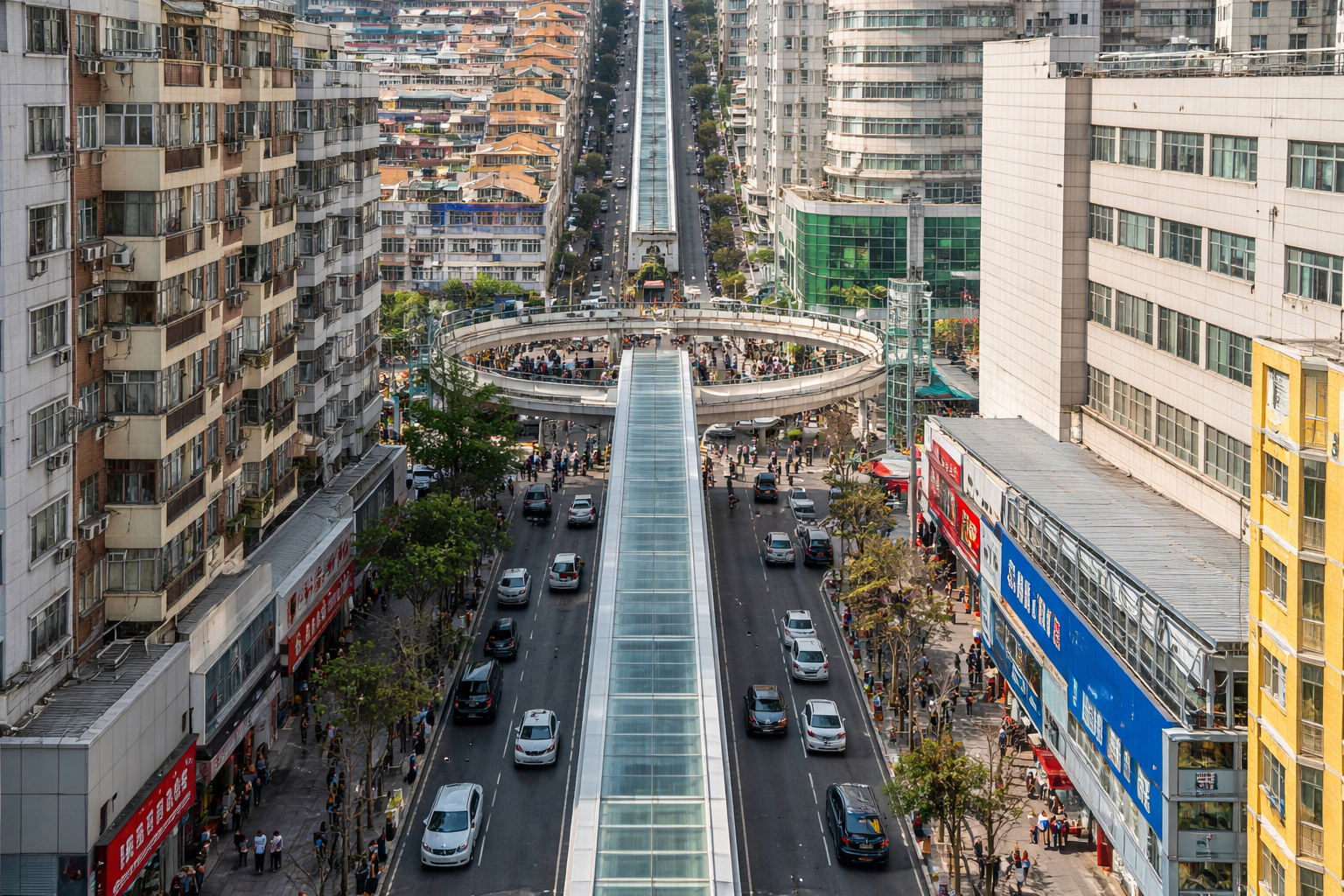
The world’s largest escalator, measuring 905 meters in China, reduces urban travel time from 1 hour to about 20 minutes and transforms mobility in mountainous regions with an engineering solution adapted to the terrain.
-
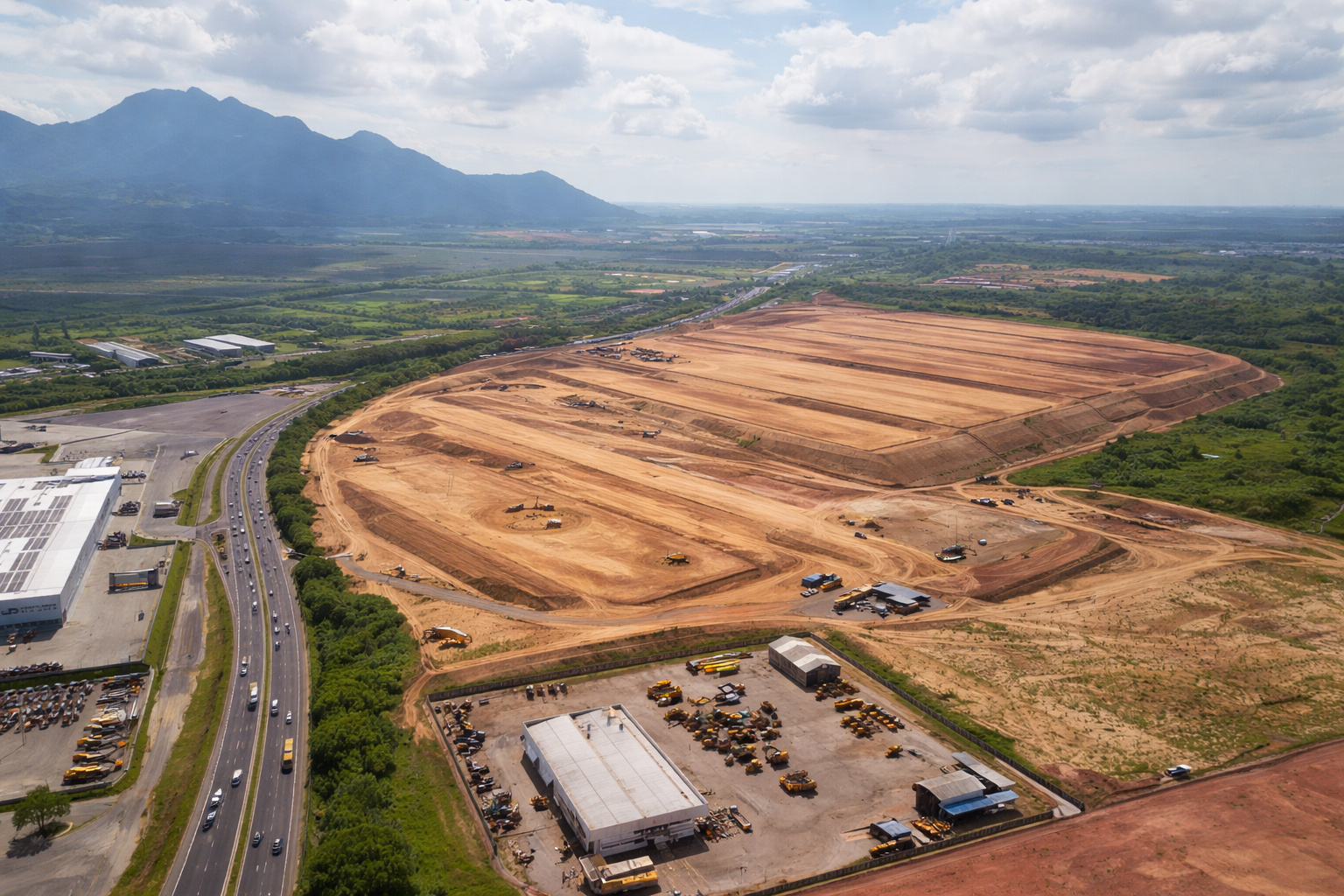
A R$ 300 million logistics giant is taking shape in Serra with over 100,000 m² and raises a question: how can this transform e-commerce and distribution in the state?
-
Could Uber Rides Lose Minimum Fare? Understand What’s Happening!


The use of multimodal transport at the Paraná terminal also ensures the Paranaguá Container Terminal a much greater efficiency in cargo transport operations, as the railway network does not face various road issues such as vehicle overcrowding.
Despite this, the company highlighted that the main focus with the contract with Brado was the reduction in carbon emissions and that it is highly satisfied with the results obtained so far, but will not stop here and intends to expand the initiative.
The Paranaguá Container Terminal Now Supplies 100% Renewable Energy Following a Contract for Renewable Energy Supply with EDP
In addition to the contract with Brado for multimodal transport, initiated in 2021, the Paranaguá Container Terminal also closed another sustainability initiative with energy company EDP during early 2022. The company now receives 100% renewable electricity from EDP and, with that, is avoiding the emission of around 10,000 tons of carbon dioxide in 2022.
This is yet another TCP strategy to reduce carbon emissions at the terminal and is proving to be very attractive to the company’s employees. The need for this type of energy is becoming increasingly present at the terminal, given that the average energy consumption of the terminal is equivalent to that of a city with 156,000 inhabitants.
Moreover, the company is also the largest in the container sector, and the terminal is the most relevant in all of South America, which further emphasizes the need for environmental commitment and sustainability today.
Thus, the terminal’s commercial and institutional director, Thomas Lima, reinforced the company’s commitment: “In addition to excellence in service provision, TCP is also concerned about the environmental impact generated in the region where it operates, which is part of an entire bioma. As signatories of the UN Global Compact, promoting actions that reduce this impact and aim at ESG objectives is among the terminal’s premises, which has more than 60 ongoing socio-environmental projects.”







Seja o primeiro a reagir!