





 Portuguese
  English
  Spanish
  3 min of reading
  0 comments


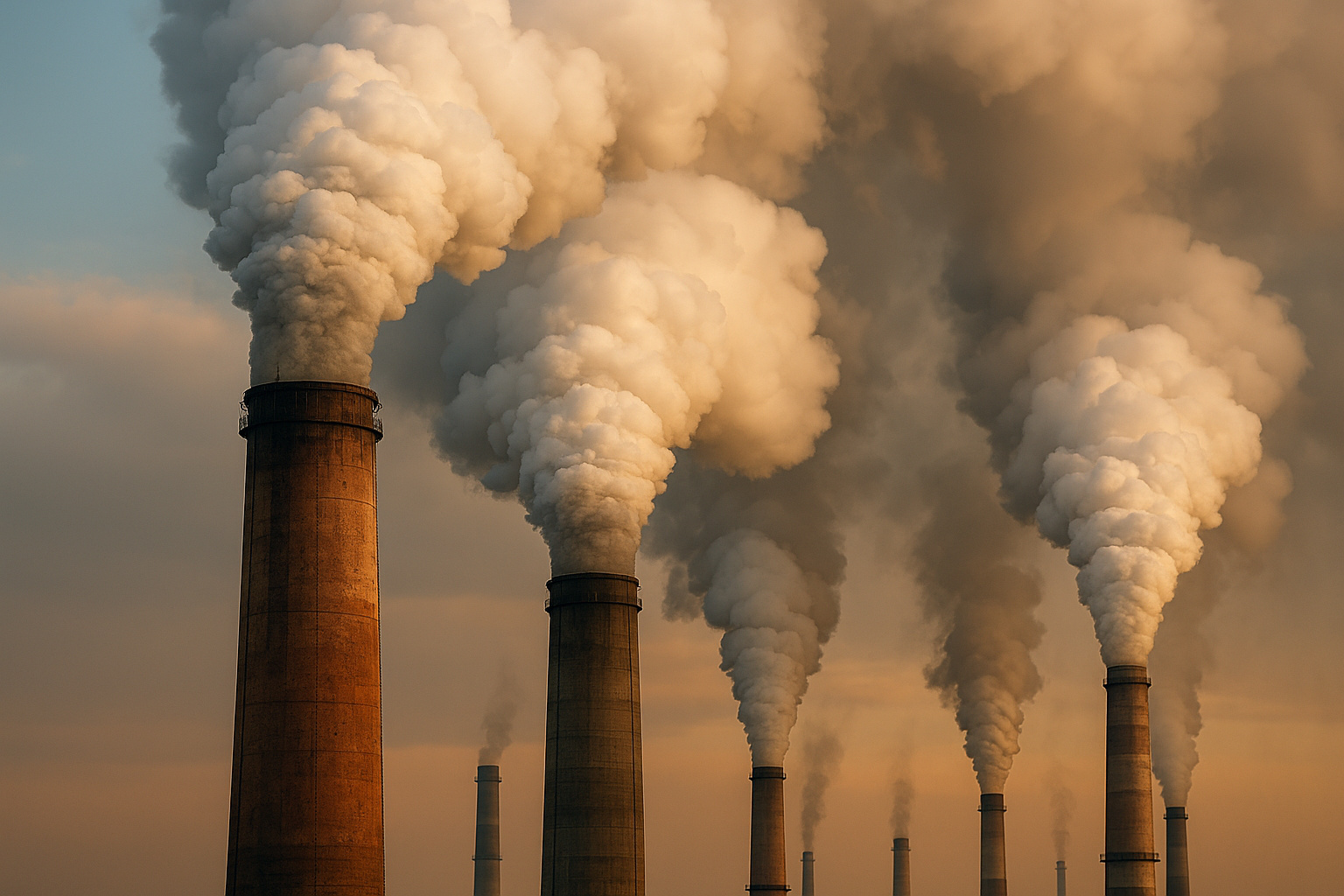
Report Confirms Historic Record of Greenhouse Gases and Makes COP 30 in Belém a Turning Point for the Planet’s Future
On the eve of the COP 30, scheduled for November 2025, in Belém (PA), the World Meteorological Organization (WMO) confirmed an alarming figure. The global concentration of carbon dioxide (CO₂) reached record levels in 2024, with the largest increase since modern measurements began in 1957.
This historic jump reinforces the global warning about the accelerated pace of the planet’s warming. Moreover, it highlights the urgency of coordinated global action.
According to the WMO, CO₂ increased by 3.5 parts per million (ppm) between 2023 and 2024, a direct result of human emissions, wildfires, and the reduction of natural carbon absorption. Therefore, experts affirm that the planet “is already committed to a long-term temperature increase.”
-
End of the stove: new technology from Xiaomi promises to retire the old stove with a smart pot that prepares up to 16 servings in 24 minutes and has 10 automatic levels controlled by an app.

-
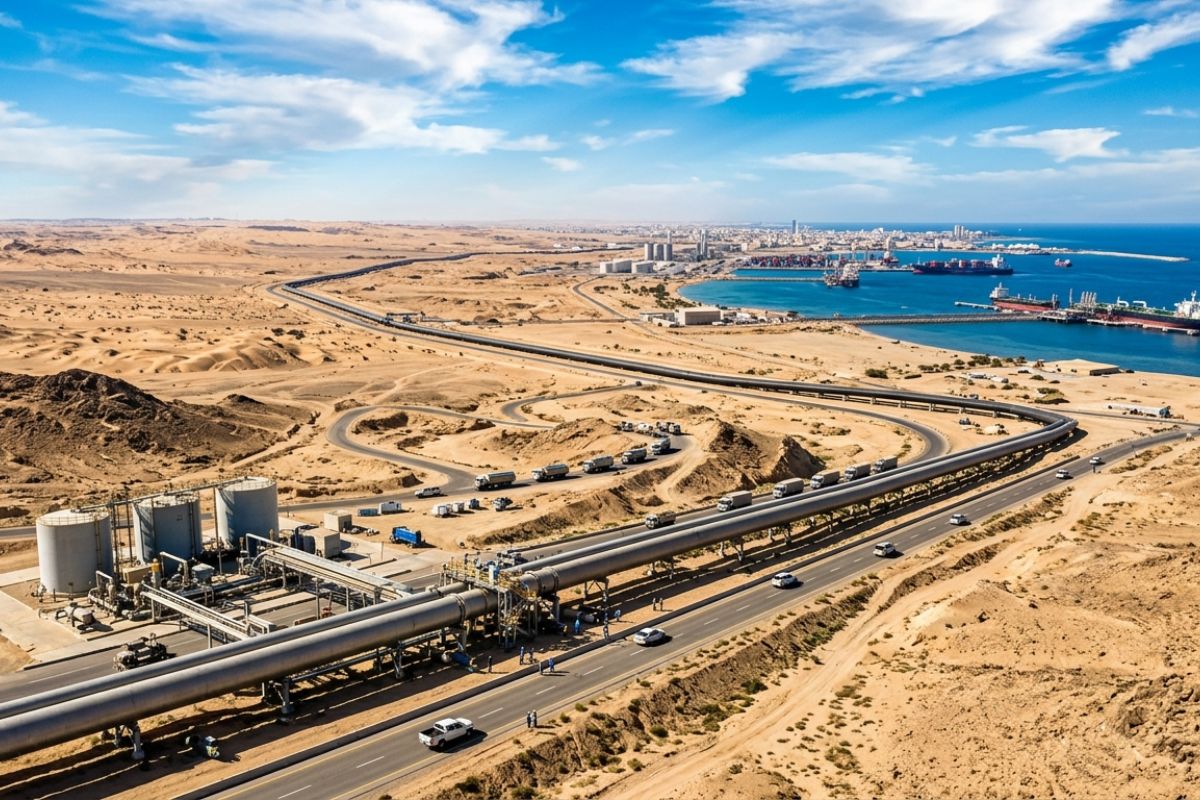
If Ormuz closes, the world freezes: the 1,200 km Saudi Petroline transports oil from the Gulf to the Red Sea, operates near 7 million barrels/day, and becomes a geopolitical weapon in the crisis with the US.
-
Scientists restore seagrass meadows in the open sea.

-
Scientists find about 1 million giant live eggs hatching in an active underwater volcano, discover a natural furnace on the ocean floor, and reveal one of the most unlikely nurseries ever seen in the ocean.

The UN further emphasized that the heat accumulated by greenhouse gases is intensifying droughts, storms, and wildfires, affecting communities and economies worldwide. Consequently, global climate stability is at increasing risk.
Scientific Data Reveals Unprecedented Advance
Since the 1960s, CO₂ growth rates have tripled. They rose from 0.8 ppm per year to 2.4 ppm per year between 2011 and 2020. In 2024, the increase of 3.5 ppm constituted the largest leap ever recorded. Therefore, this advance is considered unprecedented.
The WMO points out that about half of the emitted CO₂ remains in the atmosphere. The remainder is absorbed by forests and oceans, which function as natural sinks. However, with rising temperatures, oceans absorb less CO₂, while terrestrial sinks lose efficiency.
Thus, scientist Oksana Tarasova, coordinator of the WMO’s Greenhouse Gas Bulletin, stated that “natural sinks are becoming less effective.” She added that the climate imbalance is worsening rapidly.
El Niño and Heat Records Worsen the Scenario
The El Niño phenomenon, recorded strongly in 2024, exacerbated the climatic situation. In addition, it reduced forest humidity and increased wildfires in the Amazon and southern Africa. As a result, emissions multiplied and the climate became even more unstable.
According to the report State of the Global Climate 2024, published by the WMO in March 2025, the year 2024 was the hottest on record. The global average temperature was 1.55 °C above pre-industrial levels. Thus, the planet is dangerously close to the 1.5 °C limit set in the Paris Agreement.
Exceeding this threshold could cause irreversible impacts on climate balance, primarily affecting tropical countries and coastal regions. Meanwhile, scientists are demanding a unified global response.
Methane and Nitrous Oxide Also Hit Records
In addition to CO₂, the WMO report revealed unprecedented increases in other greenhouse gases. In 2024, methane (CH₄) reached 1,942 parts per billion (ppb). This represents 166% above pre-industrial levels.
Nitrous oxide (N₂O) reached 338.0 ppb, about 25% increase compared to the pre-1750 period. Consequently, global warming has been intensified.
These gases have a high capacity to retain heat and amplify the greenhouse effect. “The heat trapped by these gases is turbocharging the climate and causing increasingly intense extreme events,” said Ko Barrett, deputy secretary-general of the WMO. The statement was made in Geneva, in October 2024.
Global Pressure Before COP 30
The new data comes at a critical time. Therefore, the COP 30 in Belém will gather leaders from over 190 countries to set new decarbonization goals and expand international climate financing.
The WMO advocates that continuous monitoring of greenhouse gases is essential. Moreover, it guides public policies and informs long-term decisions.
“Maintaining and expanding monitoring is crucial to support global mitigation efforts,” emphasized Tarasova during the data release. However, she highlighted that the commitments made so far are still insufficient.
Experts warn that reducing emissions and restoring ecosystems is no longer merely an environmental goal. On the contrary, it has become a global and economic security issue.
With successive records and a planet on the brink of a climate threshold, 2025 marks a decisive turning point. Therefore, humanity must choose between acting now or facing irreversible consequences in the coming decades.
What do you believe should be the global priority: immediate emission reduction or investment in technologies that restore global climate balance?








Seja o primeiro a reagir!