





 Portuguese
  English
  Spanish
 4 min of reading
  0 comments


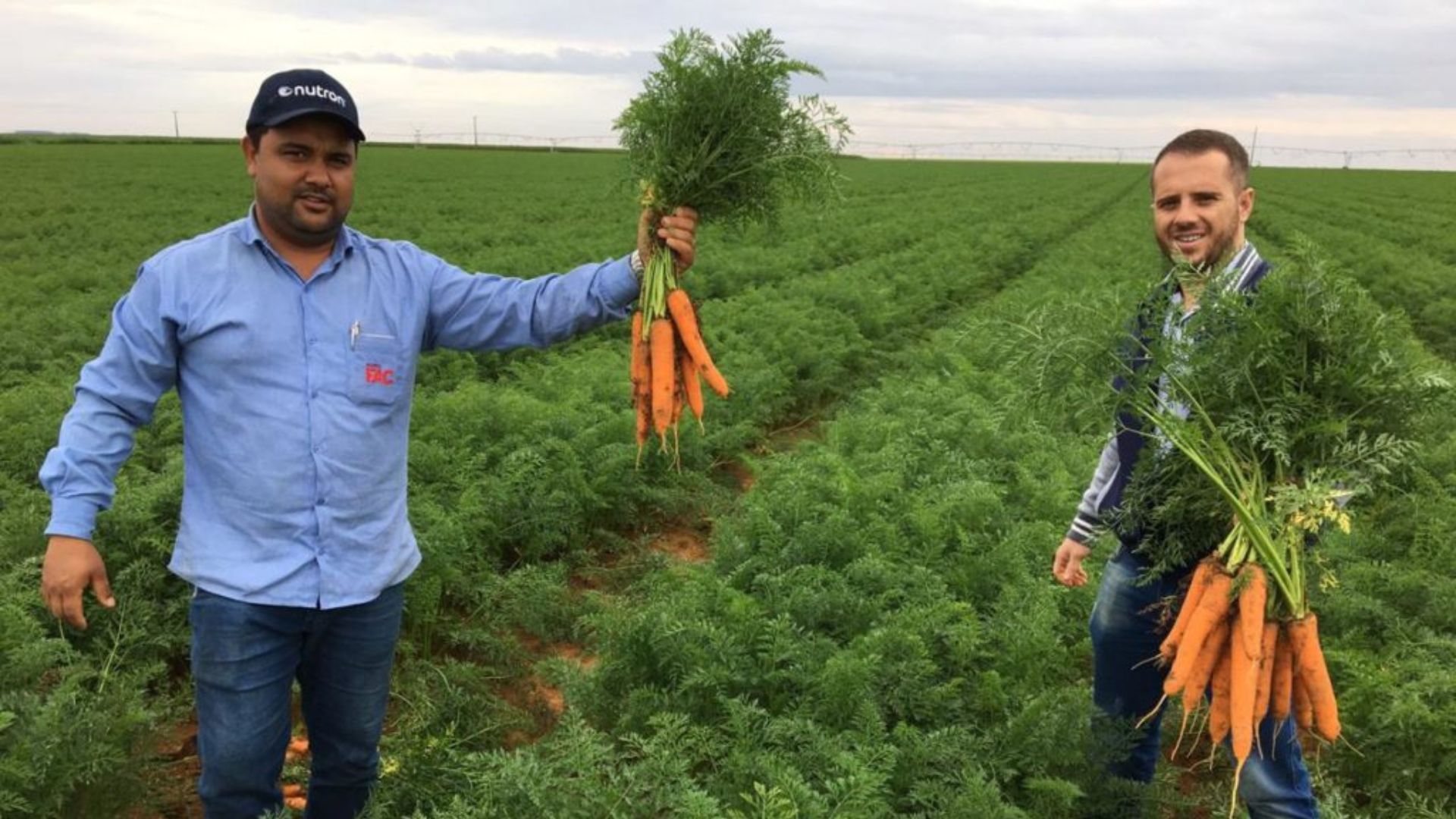
Mining Hub That Supplies Brazil Combines Technology in the Field and a Festival Calendar to Transform Carrots into a Local Symbol and Tourist Showcase.
São Gotardo, in Alto Paranaíba (MG), concentrates a significant share of Brazilian carrot production and has made cultivation a hallmark of the municipality.
Reports and publications from the agricultural sector indicate that the region is responsible for about 70% of the carrots that reach the national market, performance associated with climate and soil conditions and the use of management techniques and technology in the field.
With just over 40.9 thousand inhabitants according to the 2022 Census and an estimated 43.8 thousand by 2025, according to IBGE, the city maintains agribusiness as its main economic driver and organizes events that bring the public closer to rural life.
-
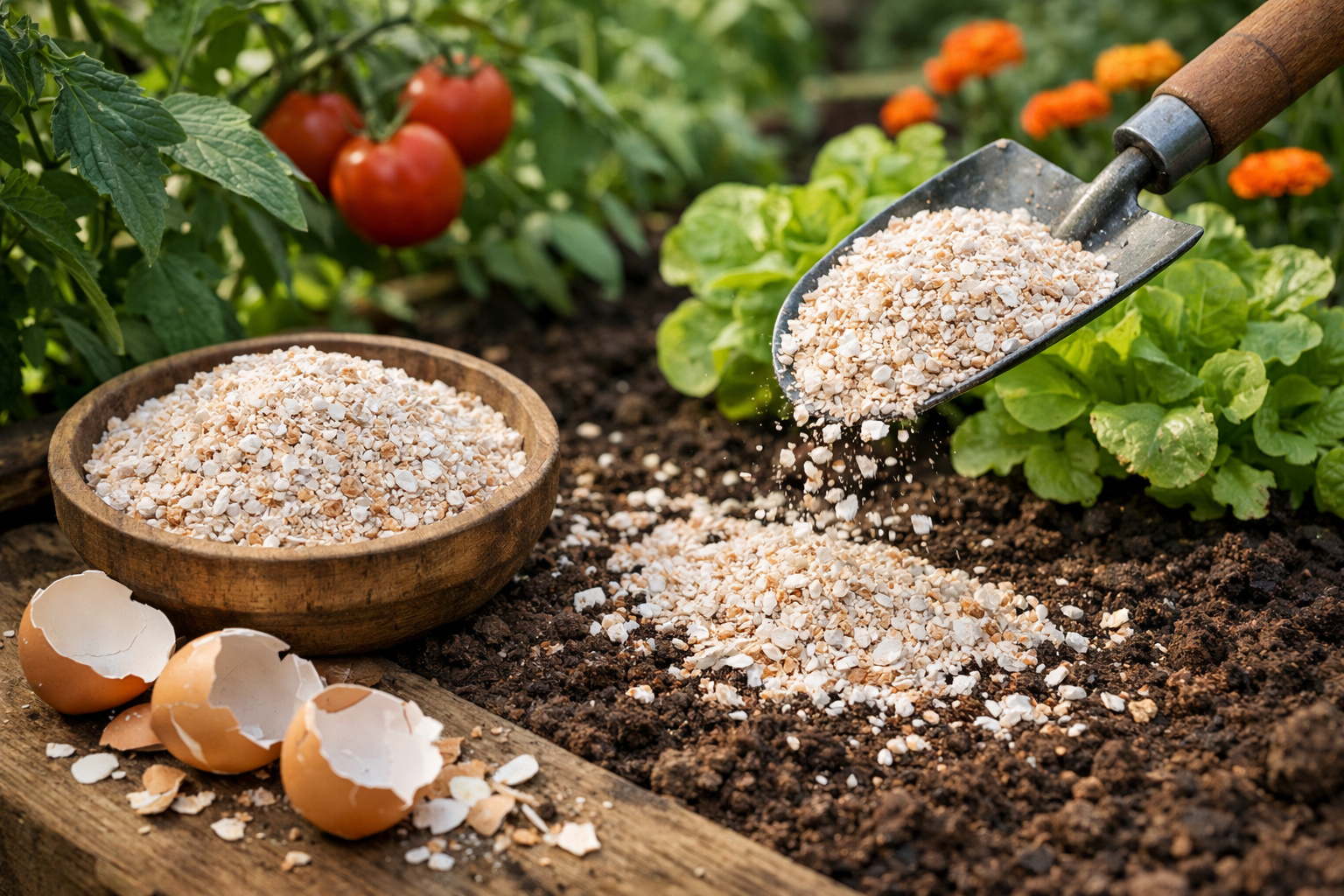
The eggshell that almost everyone throws away is made up of about 95% calcium carbonate and can help enrich the soil when crushed, slowly releasing nutrients and being reused in home gardens and vegetable patches.
-
This farm in the United States does not use sunlight, does not use soil, and produces 500 times more food per square meter than traditional agriculture: the secret lies in 42,000 LEDs, hydroponics, and a system that recycles even the heat from the lamps.

-
The water that almost everyone throws away after cooking potatoes carries nutrients released during the preparation and can be reused to help in the development of plants when used correctly at the base of gardens and pots, at no additional cost and without changing the routine.

-
The sea water temperature rose from 28 to 34 degrees in Santa Catarina and killed up to 90% of the oysters: producers who planted over 1 million seeds lost practically everything and say that if it happens again, production is doomed to end.


Climate, Altitude, and Agricultural Techniques Behind Productivity

São Gotardo’s prominent position does not depend on a single factor.
The combination of mild climate, altitude, and soil types cited by local sources and the sector appears as part of the scenario that favors productivity.
The municipality is located at 1,100 meters above sea level, information recorded in institutional material and repeated in public surveys about the city.
Additionally, the region has adopted agricultural modernization practices over time, using improved seeds and irrigation systems, which helps to explain why the carrot has become the main productive symbol of the municipality.
Annual Production, Cultivated Area, and Regional Impact
A recurring picture of this strength appears in the 2019 data mentioned in reports about the production chain.
The annual production in the São Gotardo region was around 250 thousand tons, cultivated on about 5 thousand hectares.

This volume helped to consolidate Minas Gerais among the national leaders in the crop, especially when observing the state’s participation in the cultivated area.
In agricultural texts published in recent years, São Gotardo is presented as the main hub of this Minas Gerais leadership.
The same numbers help to illustrate a curiosity that often circulates on social media.
Dividing 250 thousand tons by the population from the 2022 Census (40,910) results in something close to 6.1 tons per inhabitant, and not thousands of tons.
Fest, Rural Tourism, and the Carrot as Local Identity
The carrot has also gained cultural status in São Gotardo.
Every year, the city hosts celebrations and programs related to the food, especially in early April, when local and agricultural sector content associates the date with “Carrot Day,” celebrated on April 4.
Part of this mobilization appears in regional media records, such as the coverage of the National Carrot Festival (Fenacen), which is mentioned in audiovisual content and usually features activities and attractions in the municipality.
By attracting visitors, the city begins to showcase agriculture as an experience.
The proposal is to bring the public closer to the crops, gastronomy, and local commerce, using productive vocation as an element of the tourist calendar, a practice reported by various publications on the subject.
Municipal Holidays and What the Official Calendar Records

Although the idea of a “carrot holiday” circulates in texts and publications, the official calendar of holidays and optional points for 2025, published by the São Gotardo City Hall, lists holidays such as São Sebastião (January 20), Corpus Christi, Our Lady of Abadia (August 15), and the Emancipation of the Municipality (September 30), among others.
The date of April 4 does not appear as a municipal holiday in this decree.
This does not prevent the city from holding commemorative programs during the period, but based on the consulted documentation, it was not possible to confirm that April 4 is indeed an official holiday linked to the carrot.
Carrot in Food and Presence in Daily Life
In daily life, the carrot remains a versatile ingredient, present in savory and sweet recipes, as well as in drinks combined with fruits and other vegetables.
The association of the food with nutrients like vitamin A and fiber is common in nutrition and health content, although the impact on health depends on overall dietary patterns and individual guidelines.
Between the strength of agribusiness, the organization of events, and the national projection of production, São Gotardo has transformed the carrot into the municipality’s business card and a showcase of Minas Gerais rural tourism.
What still needs to happen for other Brazilian cities to turn their main agricultural crop into a national tourist attraction?









-

-

-

-

-

-

58 pessoas reagiram a isso.